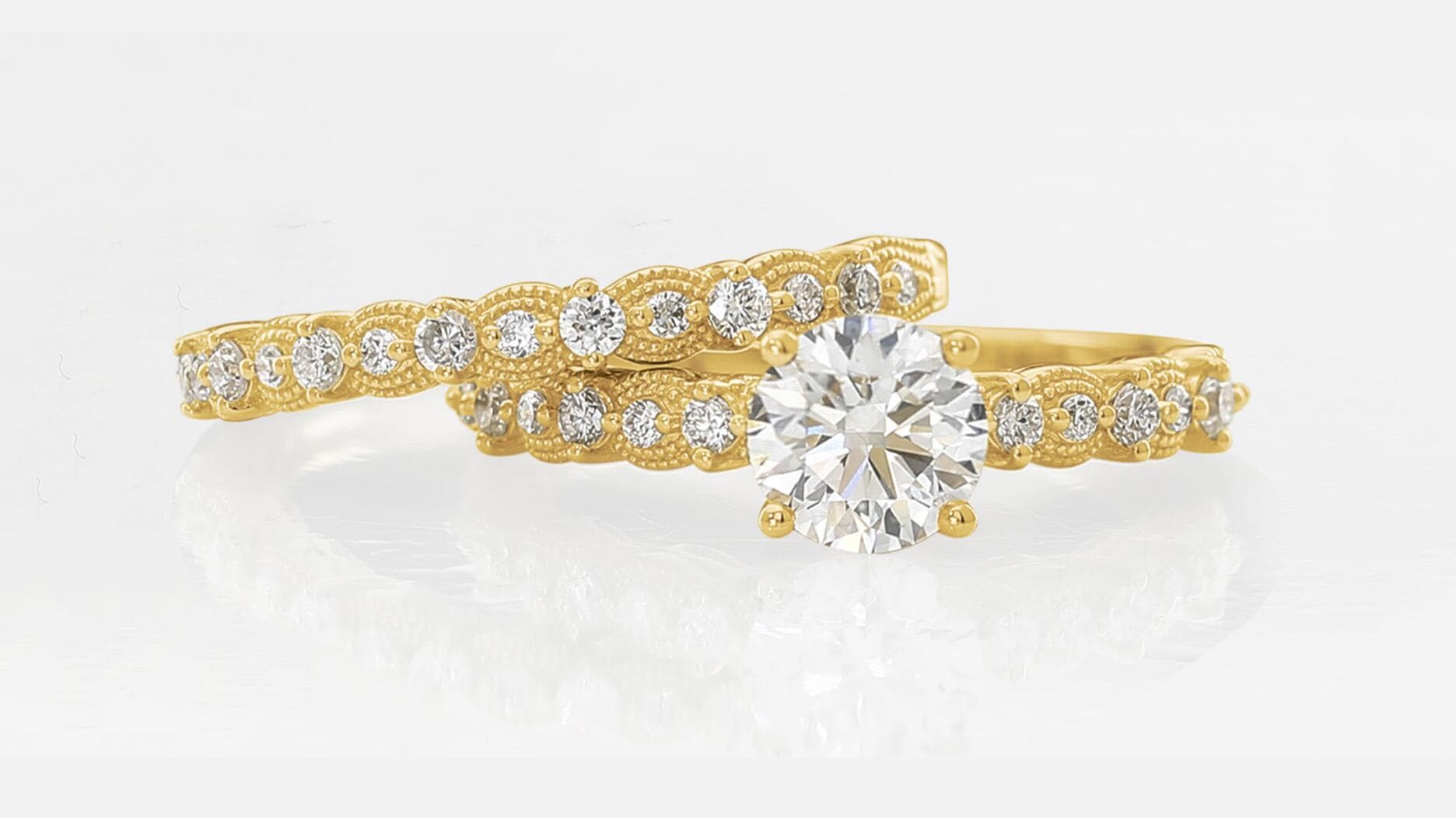
Classic Fine Jewelry Starts With Tennis Bracelets, Gold Hoops, Everyday Wear
Start with pieces you can wear daily, then build around gold, diamonds and construction that will still matter in 20 years.
The smartest first pieces are the ones that disappear into real life
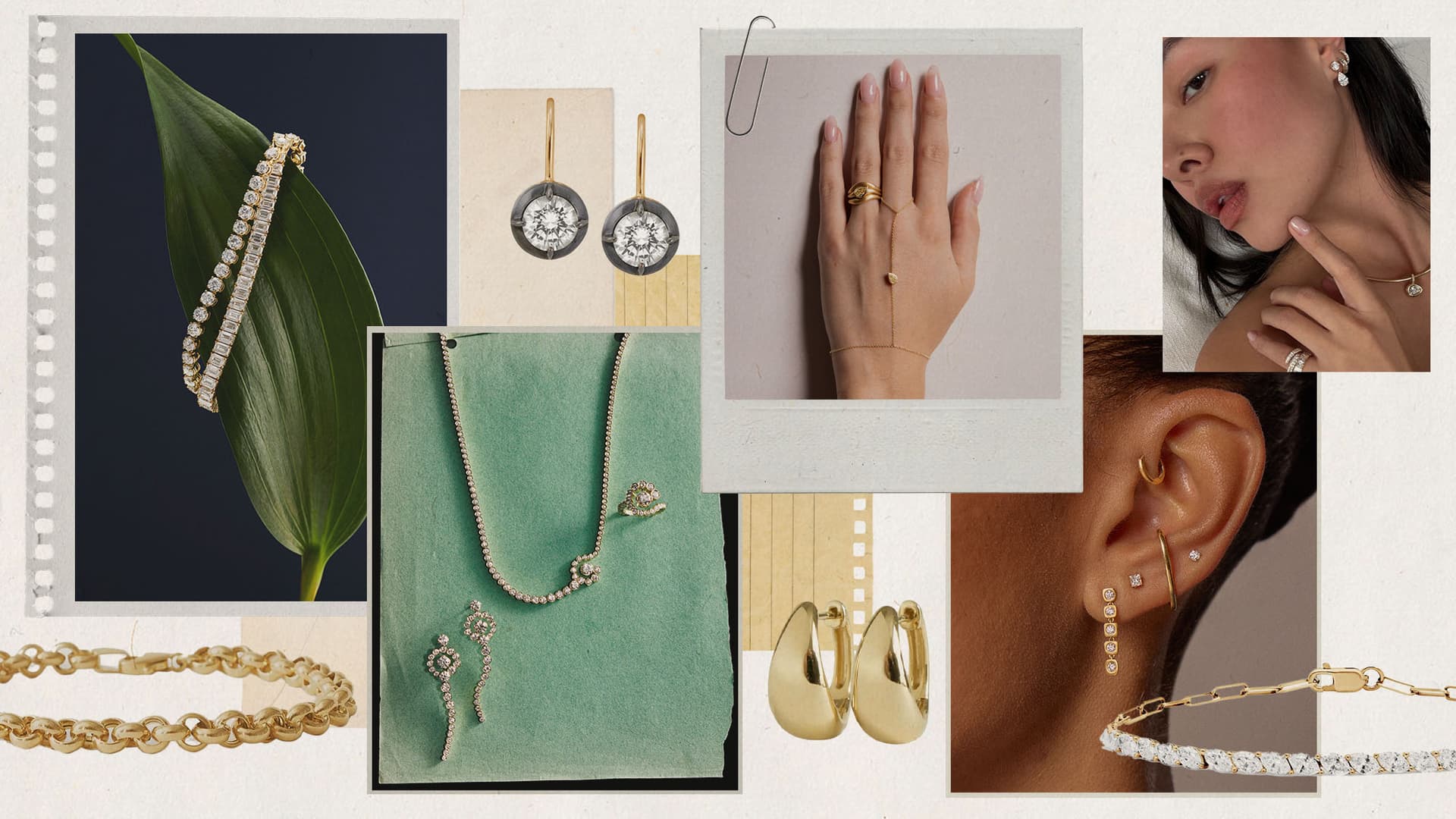
A fine-jewelry wardrobe does not begin with spectacle. It begins with the pieces that live on skin, catch light at the collarbone, and survive the rhythm of work, travel and repetition: a tennis bracelet, diamond studs, gold hoops, an elegant pendant, vintage pinky rings, stacked bands and a comfortable chain. The logic is simple and far more luxurious than trend-chasing. Jewelry earns its keep when it is worn often, not when it waits in a box for an occasion that may never feel large enough.
That is why the best starter collection reads less like a shopping spree and more like a long-view plan. Fine jewelry can mark graduation, friendship, a scholarship, motherhood or a first job just as naturally as it marks a proposal. Over time, those pieces become a private archive, one that builds toward what is ultimately heirloom-worthy: a collection that records love, memory and life’s defining moments with more elegance than any single trophy purchase ever could.
Why the tennis bracelet still sets the tone
Among all the classics, the tennis bracelet has a particularly persuasive story. The name was popularized in the 1980s after Chris Evert lost her diamond bracelet during a match at the U.S. Open and asked for play to be paused while it was found. Sotheby’s notes that the style itself was already popular in the 1920s, but Evert’s 1987 U.S. Open incident gave it the modern shorthand it still carries today. That history matters because it explains the bracelet’s rare status: refined enough for evening, practical enough for motion, and engineered to feel almost invisible until it flashes.
Evert’s pedigree only sharpens the myth. She won 18 Grand Slam singles titles, and the bracelet’s legend is tied to a champion whose discipline made polish look effortless. In the language of fine jewelry, that is the ideal first investment: a piece with real sports-history provenance, but also a design that can move from cuff to cashmere sleeve without losing its composure.
Gold is the safest kind of quiet luxury, but the market is price-sensitive
For gold jewelry specifically, the backdrop is not just aesthetic. The World Gold Council reported that global gold jewelry demand fell 11% in 2024 to 1,877 tonnes, the weakest annual level since 2009 outside the pandemic year of 2020. Yet the value of jewelry demand reached a record US$144 billion, which is the paradox of the moment: buyers are purchasing less by weight, but paying more in dollar terms because gold prices are higher.
That pressure shows up differently across markets. China’s gold jewelry demand fell 24% year over year, while India declined just 2% and became the largest jewelry market. For the shopper, the lesson is straightforward: when gold is expensive, construction matters even more. In a soft-demand, high-price environment, a well-made hoop, chain or bracelet with solid proportions and lasting finish often offers better long-term value than a piece chosen only for logo recognition.
How to build a collection that feels expensive from the beginning
The most satisfying starter collection is sequenced, not rushed. Begin with the pieces that work hardest: gold hoops, a comfortable chain and either studs or a slim pendant. These are the items that create immediate versatility, because they can be worn alone or layered without turning into costume. After that, add the tennis bracelet, stacked bands and a ring that has personality, whether that means a vintage pinky ring or a clean, sculptural band.
A practical way to think about the buy order is this:
- Start with the daily anchor pieces, especially hoops and a chain, because they deliver the highest cost-per-wear.
- Add one diamond piece, such as studs or a tennis bracelet, once you know your preferred scale and setting style.
- Build out with bands and a ring only after you understand how your existing pieces stack and sit together.
- Choose pieces that can be seen and worn, not stored for a future life that never arrives.
That approach keeps the collection coherent. It also prevents the common mistake of buying isolated objects instead of a wardrobe, where every piece has to prove it can live with the others.

When diamonds enter the picture, the 4Cs are the language that matters
A beginner buying diamond studs, a tennis bracelet or a pendant should not be left guessing. GIA’s 4Cs, color, clarity, cut and carat weight, are the global standard for evaluating diamonds, and GIA says the system transformed how diamonds are evaluated, bought and sold. Robert M. Shipley coined the phrase “4Cs of diamond quality” in the 1940s, and the framework still does exactly what a fine-jewelry wardrobe requires: it gives you a way to compare pieces on substance instead of sparkle alone.
That matters because the same diamond can feel dramatically different depending on cut and proportions. A well-cut stone throws light with more presence than a heavier but poorly made one, which is why shoppers should care less about headline carat weight than the balance between cut, size and setting. GIA’s grading provides the consistent, unbiased reference that both the diamond industry and customers trust, which is invaluable when you are buying a lifelong piece rather than a one-season accessory.
What to prioritize when the box matters less than what is inside
In a starter collection, the smartest money often goes to metal weight, construction and wearability before branding. Gold hoops should feel substantial enough to hold their shape, not flimsy enough to bend after a few wears. A chain should sit comfortably against the neck and have the kind of clasp you trust without looking at it. A tennis bracelet should be engineered so the stones lie cleanly and the bracelet moves with the wrist instead of twisting into itself.
That is where the collection begins to shift from purchase to possession. The right pieces do not simply match an outfit. They age with you, accumulate meaning and become easier to wear the more life you live in them. In that sense, the best gold jewelry is not the loudest thing in the room. It is the piece that quietly proves, year after year, that good taste is built one well-chosen clasp, link and setting at a time.
This article was produced by Prism’s automated news system from verified source data, official records, and press releases, then run through automated quality and moderation checks before publishing. The system is built and supervised by the people who set the standards it runs under. Read our full AI policy.
Did this article answer your question?