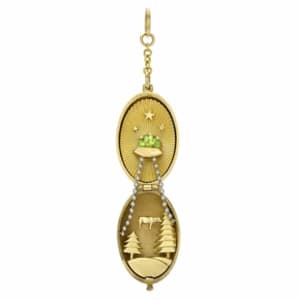
Demi-Fine Jewelry Brands Navigate Soaring Gold Prices Above $5,000 Per Ounce
Mejuri's bestselling 14k hoops now cost nearly $400 after a 20%-plus price hike, as gold surpassing $5,000 per ounce forces demi-fine brands to choose between karat and customer.
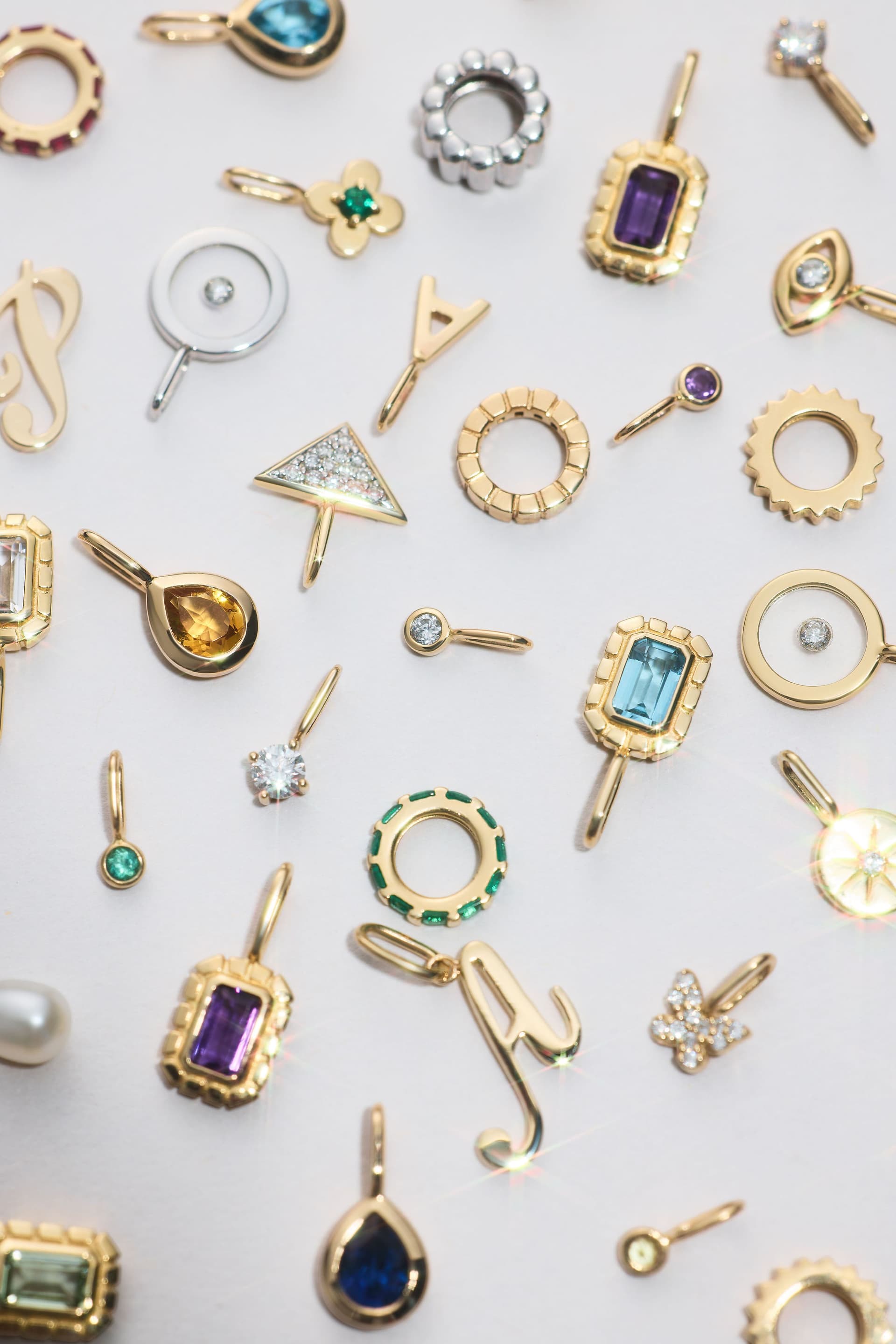
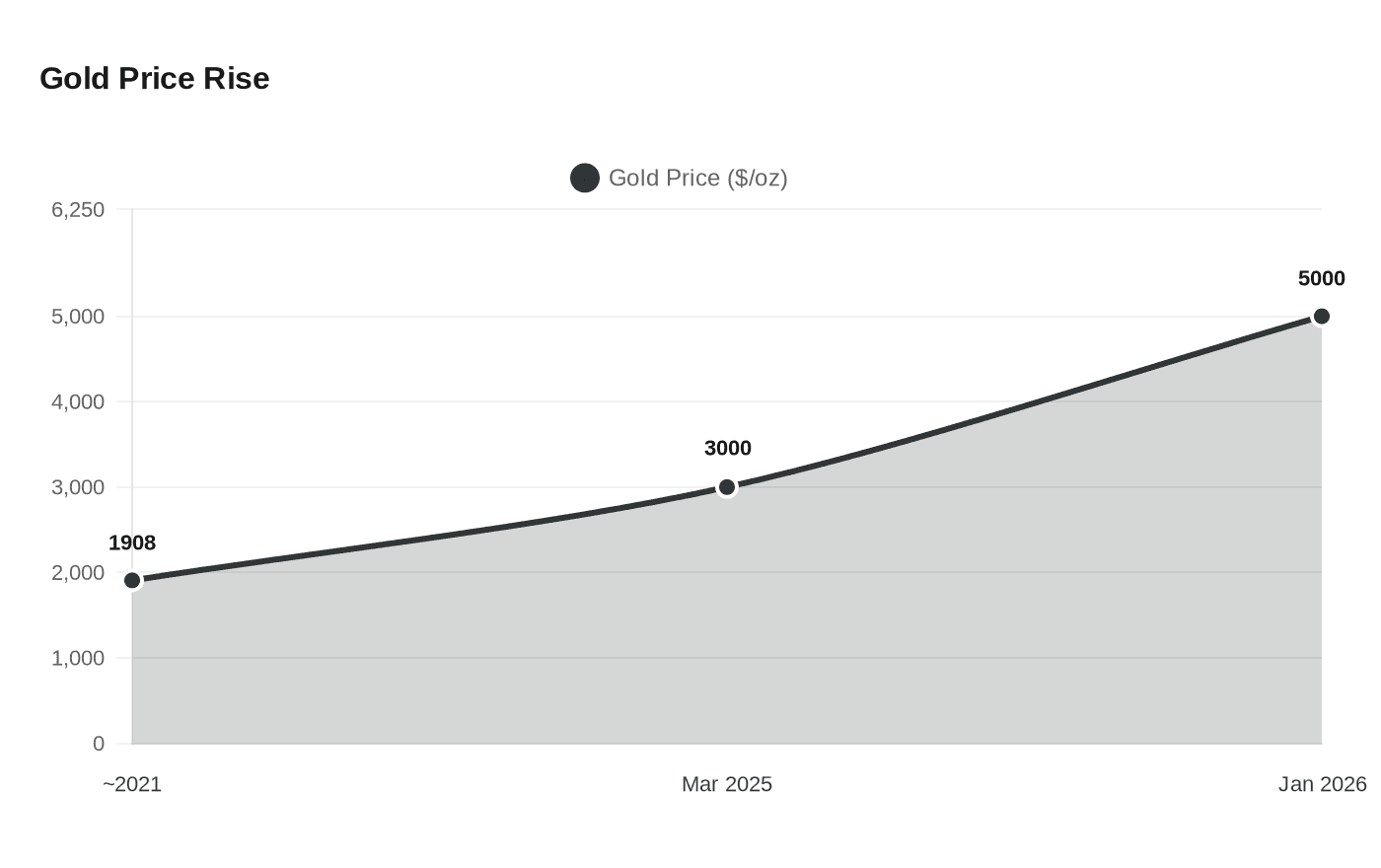
When gold crossed $5,000 per ounce in January 2026, a 162% surge over five years, the ripple didn't just reach the trading floor. It landed squarely on the wrist of anyone who spent the last decade buying into the demi-fine promise: real gold, real craftsmanship, prices that didn't require a conversation with a financial advisor.
The gold spot price first breached $3,000 per ounce in March 2025, driven by investors treating the metal as a shelter against inflation and a weakening U.S. dollar. The second threshold, $5,000 per ounce by January 2026, arrived faster than many in the industry anticipated. For jewelry brands, the consequence was immediate: raw material costs climbed, and the question of who absorbs that cost became unavoidable.
At the high end of the market, the answer has been relatively simple. Luxury jewelry customers, who already frame their purchases as investment-grade acquisitions, have largely continued buying without measurable hesitation. The calculus shifts entirely for demi-fine brands, which have built their identity on the idea that solid gold shouldn't be a luxury category at all.
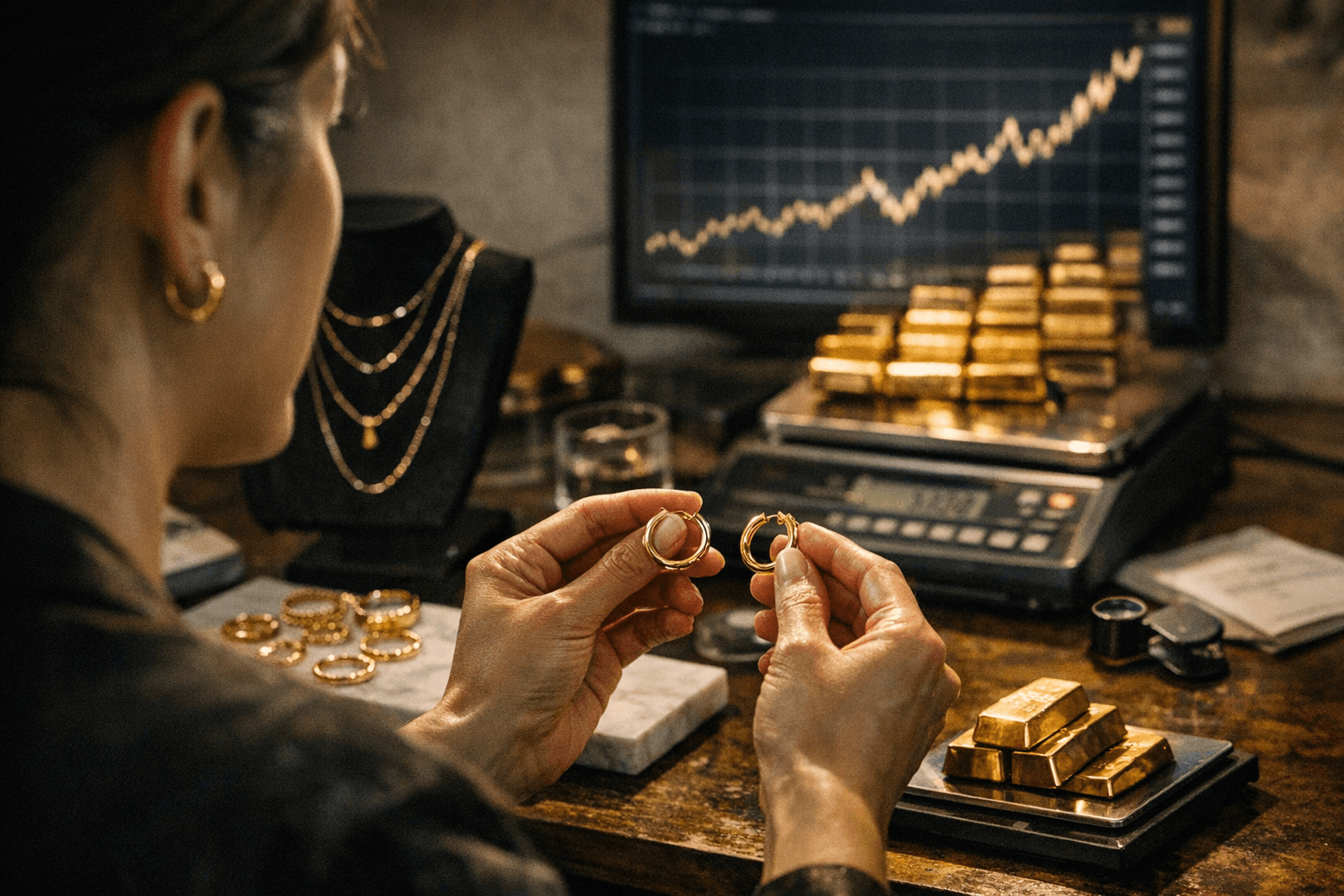
Mejuri, the direct-to-consumer brand that helped define that positioning, announced a price increase in a letter to customers on March 9. The numbers were candid: some of the brand's bestselling pieces, including its 14k hoop earrings at just 18 millimeters in diameter, rose in price by more than 20 percent and now cost nearly $400. CEO and co-founder Noura Sakkijha framed the increase in terms of integrity rather than margin. "This shift ensures we never compromise on the quality or the values that brought you to us in the first place," she wrote.
At the same time, Sakkijha signaled a parallel strategy: expanding into 10-karat gold alongside the brand's existing 14k offerings. "This lets us offer the durability of solid gold at a more approachable price, while still designing in 14k for those who prefer it," she said. It is a dual-track approach that reflects a broader split visible across the demi-fine category.
Consumers in that middle market are dividing along what analysts have begun calling a K-shaped economy: one segment trading down to 10-karat pieces and alternative precious metals, another holding steady with 14k and 18k purchases as though the price movement hasn't registered. That divergence puts demi-fine brands in an uncomfortable position. Lower the karat count and the brand risks diluting the proposition that distinguished it from fashion jewelry in the first place. Hold the karat and raise the price, and the customers who came precisely because the brand wasn't luxury may not follow.
Mejuri's hybrid answer, maintaining 14k while building out a 10k tier, is one resolution to that dilemma. Whether it preserves the brand's core audience at $400 hoops, or gradually repositions it toward a higher price bracket, will depend on how long gold remains above $5,000 an ounce and whether demi-fine shoppers prove as resilient as their luxury counterparts have so far.
This article was produced by Prism’s automated news system from verified source data, official records, and press releases, then run through automated quality and moderation checks before publishing. The system is built and supervised by the people who set the standards it runs under. Read our full AI policy.
Did this article answer your question?