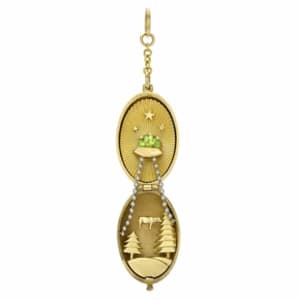
Diver Recovers 14-Karat Gold Necklace Underwater, Piece Worth Thousands
A diver pulled a 14-karat gold necklace from the water on March 24, worth potentially thousands at today's record gold prices.

Gold does not corrode underwater. That is, in part, why a 14-karat necklace recovered from the water by a diver on March 24 retained every bit of its value, and then some.
The find captured attention almost immediately after a short video circulated showing the moment the piece was pulled from beneath the surface. The necklace, confirmed as 14-karat gold, was assessed as potentially worth thousands of dollars, a figure that reflects not just sentimental or ornamental worth, but the raw market reality of gold in early 2026.
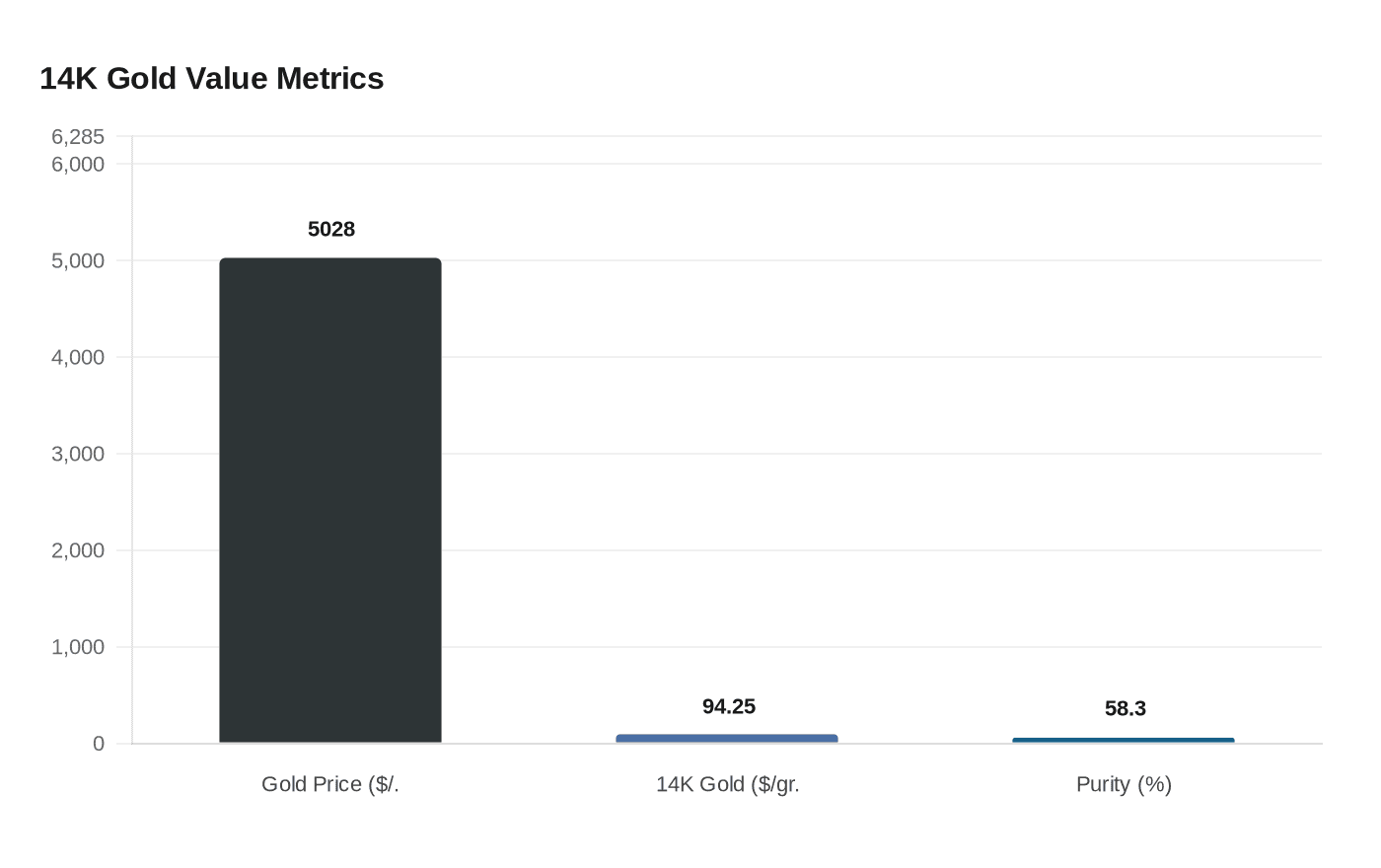
That reality is striking. With gold trading above $5,000 per troy ounce in March 2026, 14-karat gold jewelry is worth more today than at any point in history. Gold was trading around $5,028 per troy ounce as of March 2026. For a necklace of meaningful weight, the numbers add up fast. At current prices, 14-karat gold is valued at about $94.25 per gram.
Understanding why requires a brief lesson in metallurgy. 14-karat gold is 58.3% pure gold, and it is the most commonly used karat for jewelry, prized for both its durability and affordability. The combination of metals gives 14-karat gold the balance of durability and lustre necessary for jewelry that can stand up to daily wear. That same toughness is precisely why a piece can survive submersion. Gold's chemical inertness means seawater does not oxidize, tarnish, or degrade it. The necklace comes up looking like a necklace.
What separates this recovered piece from a bar of scrap metal is the question every jeweler asks first: what is it, exactly? The retail value of 14-karat jewelry is often different from its scrap value, and retail and resale prices can vary widely depending on the designer, craftsmanship, rarity, and any additional features like gemstones. A plain-link chain of modest weight at current melt value occupies a very different tier than a designer pendant with provenance. Designer jewelry or antique fine jewelry can be worth a premium beyond gold content, and if a piece has notable history, a designer name, or collectible value, a professional appraisal is advisable.
The stamp to look for is "14K" or "585," typically found near the clasp on a necklace. Pieces crafted using 14-karat gold will be marked with stamps such as "585" or "14K" near a clasp. That hallmark is the starting point for any valuation, telling a jeweler instantly that 58.3 cents of every dollar in material cost is tied to the price of pure gold.
For the diver who made this particular find, the moment of pulling a gold necklace from the water is equal parts luck and the peculiar permanence of precious metal. Gold buried, dropped, or lost in water simply waits. It does not decay. It does not diminish. At current prices, it appreciates simply by sitting still.
This article was produced by Prism’s automated news system from verified source data, official records, and press releases, then run through automated quality and moderation checks before publishing. The system is built and supervised by the people who set the standards it runs under. Read our full AI policy.
Did this article answer your question?