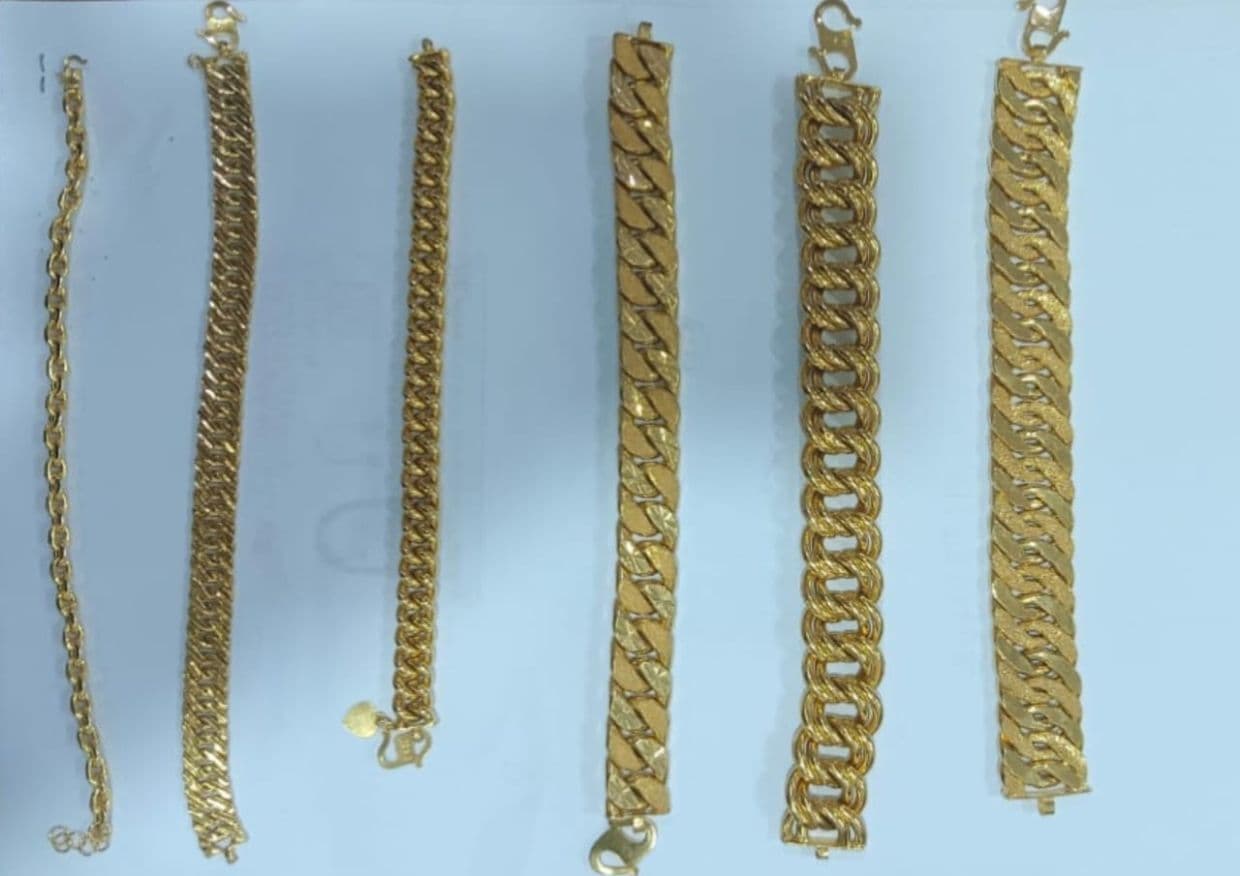
Dutch Authorities Recover Stolen Ancient Dacian Golden Helmet, Two Bracelets
A Dacian golden helmet used as a chicken waterer in 1927 survived a Dutch museum heist in 2025, returning from thieves slightly dented through suspect plea deals.

What makes a piece of gold irreplaceable is never the metal itself. The Helmet of Coțofenești, a 770-gram solid gold artifact hammered into being around 450 BC, survived two and a half millennia, a shepherd boy's chicken coop, and a sledgehammer robbery in the Netherlands before Dutch authorities presented it at a heavily guarded press conference at the Drents Museum in Assen on April 2, 2026. Recovered alongside two of three stolen Dacian gold bracelets through plea agreements struck with suspects in the criminal case, the helmet emerged slightly dented but restorable. The third bracelet remains missing.
Dutch regional chief prosecutor Corien Fahner announced: "The Coțofenești helmet and two Dacian gold bracelets have been returned and we are delighted to be able to announce this." Armed, balaclava-clad officers stood watch at the press conference, a security posture that underscored what a repeat theft would mean.
The robbery itself was clinical. In the early hours of January 25, 2025, the last weekend of a six-month Romanian cultural exhibition, thieves used a homemade firework bomb to blow open a door and a sledgehammer to shatter display cases. Five suspects, all from Heerhugowaard in North Holland, were ultimately arrested. Douglas Chesley Wendersteyt and Bernhard Zeeman were publicly named; police traced one suspect via DIY store footage showing him purchasing a sledgehammer two days before the heist. The helmet alone was valued at €4.3 million ($4.9 million); the artifacts were collectively insured for €5.7 million, covered by the Dutch government.
The monetary figure, though, cannot account for what the piece actually is. The helmet's tall conical crown is layered with rows of smaller repoussé cones, hammered from a single sheet of gold. Its cheek plates carry warrior scenes in low relief: a kneeling figure sacrificing a ram with an akinakes dagger, a motif with roots in Iranian art that traveled through Greek goldsmithing into the Geto-Dacian world. Two large "magical" apotropaic eyes stare from the front, intended to guard the wearer from harm, while griffins and sphinxes cover the back, linking the Getae to both Greek and Eurasian steppe cultures. The execution is technically distinct from Greek workshop standards, pointing to an autochthonous origin, meaning the specific tool marks and alloy character of this piece are unrepeatable. That irreproducibility is precisely what drives black-market interest in ancient gold: experts believed the thieves intended to melt the artifacts.

The helmet had its own unlikely beginning. A shepherd boy named Traian Simion found it in 1927-1928 in Coțofenești village, Prahova County, and used it as a chicken waterer for two weeks before its significance was recognized. Archaeologist Ioan Andrieșescu of the University of Bucharest led the subsequent excavation. The piece is considered Romania's most popular ancient gold artifact.
Romania's Foreign Minister Oana Toiu called the objects of "inestimable value" for Romanian identity and universal heritage. Drents Museum director Robert van Langh called the recovery a "wow" moment. Court proceedings against the five suspects are expected to begin shortly.
The theft exposed a security gap that predated the heist: experts had flagged the display case as insufficient before the robbery ever happened. The balaclava-clad officers presiding over the recovered artifacts' press conference reflect a recalibrated approach to protecting high-value objects on public display. For designers who reference Dacian iconography, including the apotropaic eye, the spiral motifs, and the repoussé cone forms, ethical borrowing requires transparency: a contemporary piece that invokes the helmet's visual language can do so honestly, with attribution. The helmet itself, with its unrepeatable alloy and tool marks, ensures that borrowing and replication remain permanently distinct.
Know something we missed? Have a correction or additional information?
Submit a Tip