Forbes Questions Recycled Gold Label as Supply-Chain Gaps Persist
Recycled gold can be real, but the label is often fuzzier than buyers assume. The best protection is a clear paper trail, not a greener-sounding word.
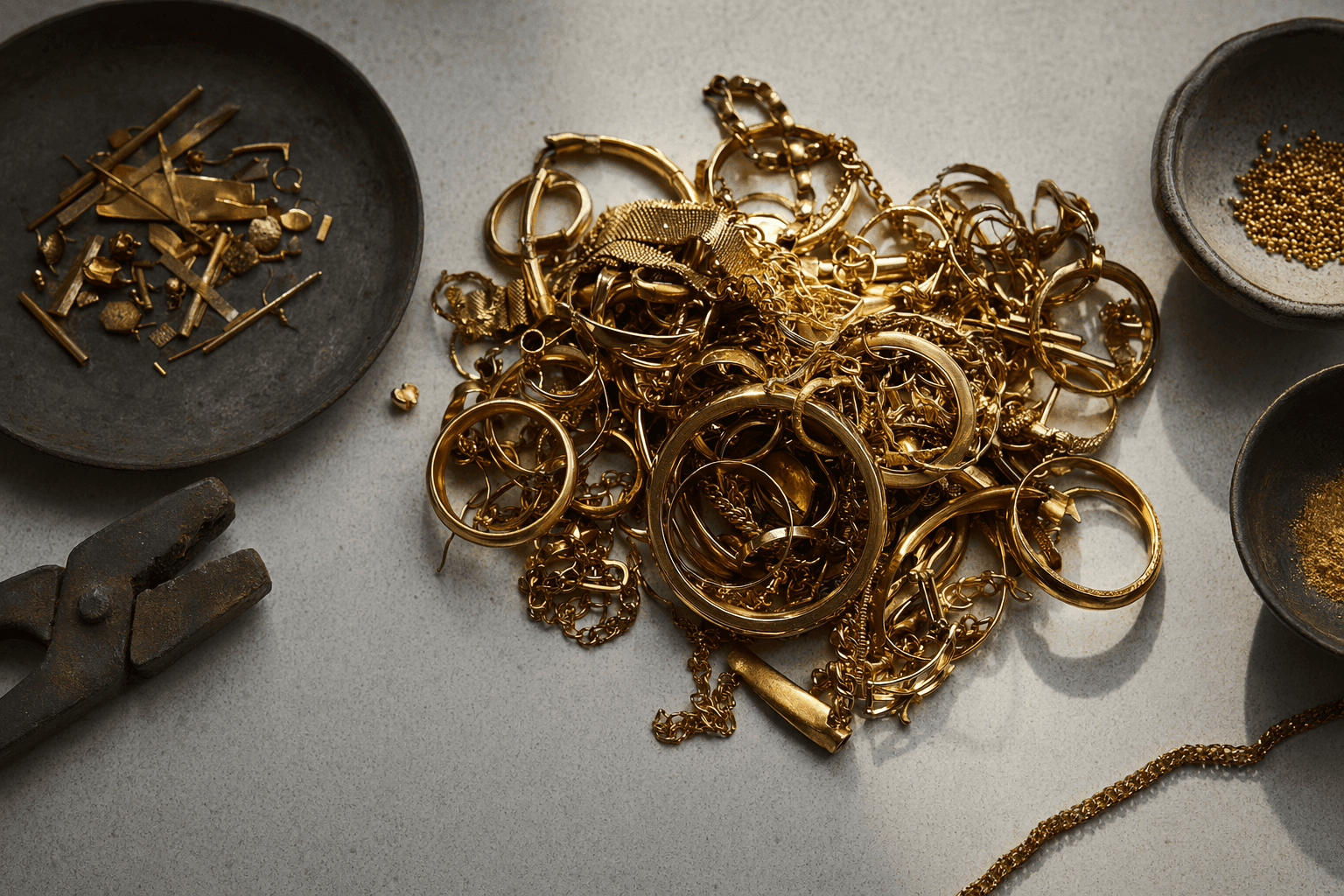
The label that sounds safest may be the least precise
A recycled-gold claim should tell you something exact about origin, processing, and custody. Too often, it does not. When the supply chain is loose enough for mined gold to be recast and presented as recycled, the label becomes a promise without enough proof, which is why the smartest purchase question is not whether the word appears on the tag, but what documentation sits behind it.
If a brand cannot explain whether its gold came from pre-consumer scrap, post-consumer jewelry, manufacturing waste, or a mixed stream, the claim is too soft to carry much weight. Ask for the refiner’s name, the chain-of-custody paperwork, and the standard used to define the material. In fine jewelry, clarity is part of value.
What recycled gold really covers
Recycling is not a niche slice of the gold market. Mine production typically accounts for about 75% of annual gold supply, and recycling makes up the rest, according to the World Gold Council. In 2024, total gold supply rose 1% to 4,974 tonnes, while recycled gold supply increased 11% year over year. Even so, recycled supply remained 16% below its 2012 peak, a reminder that the market for reused gold is meaningful without being limitless.
That scale matters because “recycled” can refer to several different things. CIBJO’s March 18, 2025 recommendation defines recycled gold as material recovered during manufacturing or sourced from pre-consumer, post-consumer, and waste streams. It excludes investment gold unless that gold is entirely derived from recycled sources. The distinction is crucial: a bracelet made from old jewelry is not the same thing as a bar that once sat in a vault.
The Responsible Jewellery Council has also tightened its language. Its Chain of Custody standard now recognizes eligible material as pre-consumer, post-consumer, waste, or a mix of those categories. The direction of travel is clear: the industry knows that recycled gold must be defined more carefully if it is going to mean anything to buyers.
The questions that reveal whether a claim is credible
A polished sales pitch can make recycled gold sound self-evident. It is not. The most useful buyer questions are the ones that force a brand to move from marketing language to traceable facts.
- What exactly is being called recycled: manufacturing scrap, old jewelry, casting grain, or a mixed feedstock?
- Which refiner handled the metal, and is that refiner operating under a recognized Chain of Custody standard?
- Does the brand have documentation showing where the gold re-entered the supply chain?
- If the gold includes investment material, is it entirely derived from recycled sources, as CIBJO’s definition requires?
- Can the brand distinguish recycled origin from mined origin in plain language?
The London Bullion Market Association draws a useful line here. Its current definitions page treats the origin of recycled gold as the point where gold is returned to a refiner or downstream recycler, while mined gold is gold that originates at a mine and has never previously been refined. That distinction sounds technical, but it is the heart of the issue. Without it, the word “recycled” can blur into a feel-good label with very little detail attached.
Why the ambiguity matters more than the slogan
An open letter sent in April 2024 to ISO, LBMA, RJC and RMI argued that recycled gold had been used for more than a decade as a “silver bullet” sustainability claim. The letter also noted that recycled gold accounted for more than half of the gold refined each year by accredited refiners on the London market and a quarter of annual gold supply. That is a large enough share to influence how the entire category is understood, which makes loose wording especially dangerous.
This is not only a branding issue. The OECD has long warned that mineral supply chains are tied to human rights risks, conflict, corruption, and environmental damage. IUCN NL went further in 2025, warning that ambiguous recycled-gold definitions and weak traceability can enable greenwashing and even laundering of freshly mined or illicit gold, including in the Amazon region. Once that possibility exists, “recycled” stops being a benign descriptor and becomes a due-diligence problem.
For a buyer, the practical consequence is straightforward. A ring or chain labeled recycled gold may still be a beautifully made object, but the label alone does not tell you how responsibly the metal moved through the system. A reputable brand should be able to separate rhetoric from record.
How to read a recycled-gold claim like a serious jewelry buyer
The strongest purchases are built on specificity. If you are buying a recycled-gold piece, look for language that tells you where the gold came from, how it was handled, and which standards support the claim. A brand that can identify whether its material is pre-consumer, post-consumer, or waste-derived is speaking the language of transparency. A brand that only says “recycled” is asking you to trust the halo, not the chain of custody.
That distinction matters even more in fine jewelry, where craftsmanship is supposed to justify the price. A well-cut stone can be judged by its facets, a bezel by the clean line of its metal, a chain by the weight and flow of each link. The gold itself deserves the same scrutiny. When the sourcing story is clear, the piece can be worn with confidence. When it is vague, the label may be doing more work than the material behind it ever could.
This article was produced by Prism’s automated news system from verified source data, official records, and press releases, then run through automated quality and moderation checks before publishing. The system is built and supervised by the people who set the standards it runs under. Read our full AI policy.
Did this article answer your question?