GIA identifies electroformed gold bracelet submitted as 14K solid gold
GIA flagged a bracelet submitted as 14K solid gold as electroformed, a reminder that big-looking gold can weigh far less than it seems.
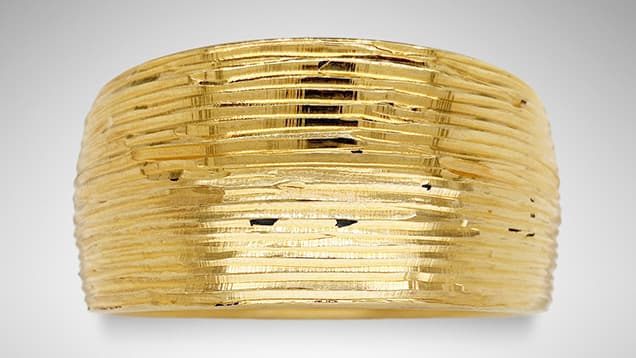
GIA's Spring 2024 lab note on an Electroformed Gold Bracelet found a piece submitted as 14K solid gold but identified it as electroformed. Written by Carlos Bautista and Paul Johnson, the note lands squarely in the gap between how gold jewelry looks at the counter and how it is actually built.
That distinction matters because electroforming builds metal layer by layer, depositing gold onto or around a model or core. The result can be sculptural and generous in scale, with the visual presence of a much heavier bracelet, while using less gold than a conventionally solid piece. GIA has expanded beyond validating mounted gemstones to include precious-metal items such as rings, necklaces and bracelets, and this bracelet shows why that service now reaches far past stones alone.
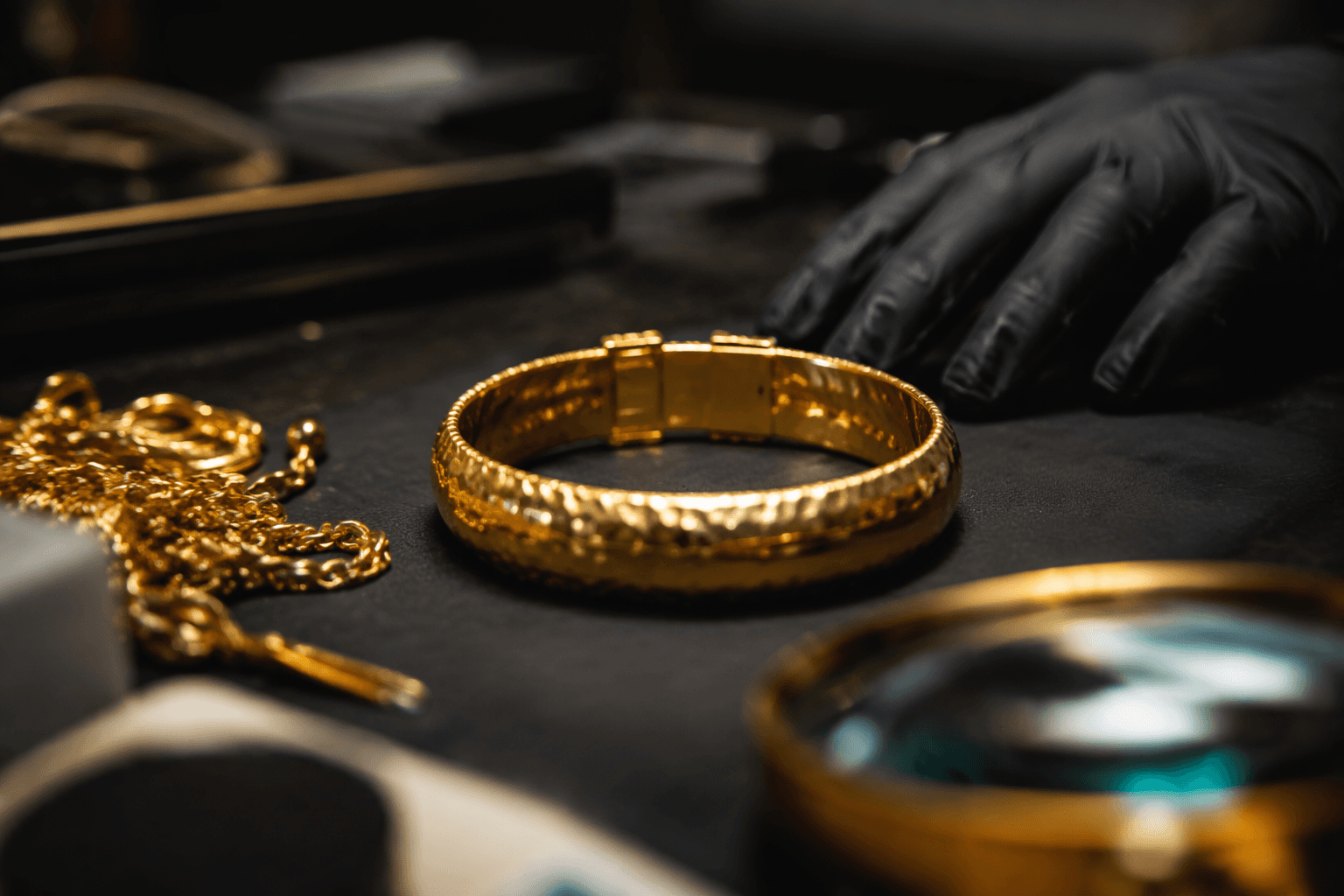
For shoppers, the appeal is obvious. Electroforming lets designers create bold cuffs, oversized pendants and organic forms that would be far heavier if they were cast or forged in solid gold. It is also why a piece can look expensive and feel unexpectedly light in the hand. That lighter feel is not automatically a flaw, but it is a clue that construction, not just karat stamp, is driving the price, the wear experience and the long-term behavior of the jewel.
The practical questions are straightforward: Is the piece solid, hollow or electroformed? Is the interior fully sealed? Does the maker set limits on cleaning, polishing or repair? Those details affect more than maintenance. They can determine how a bracelet handles everyday knocks, whether it resists dents as well as a dense bangle, and how easily a jeweler can resize or repair it if it bends or cracks. Thin-walled or hollow-style jewelry calls for more caution than solid gold, and electroformed pieces deserve the same discipline, especially if they develop dents, loose seams or a rattling sound.
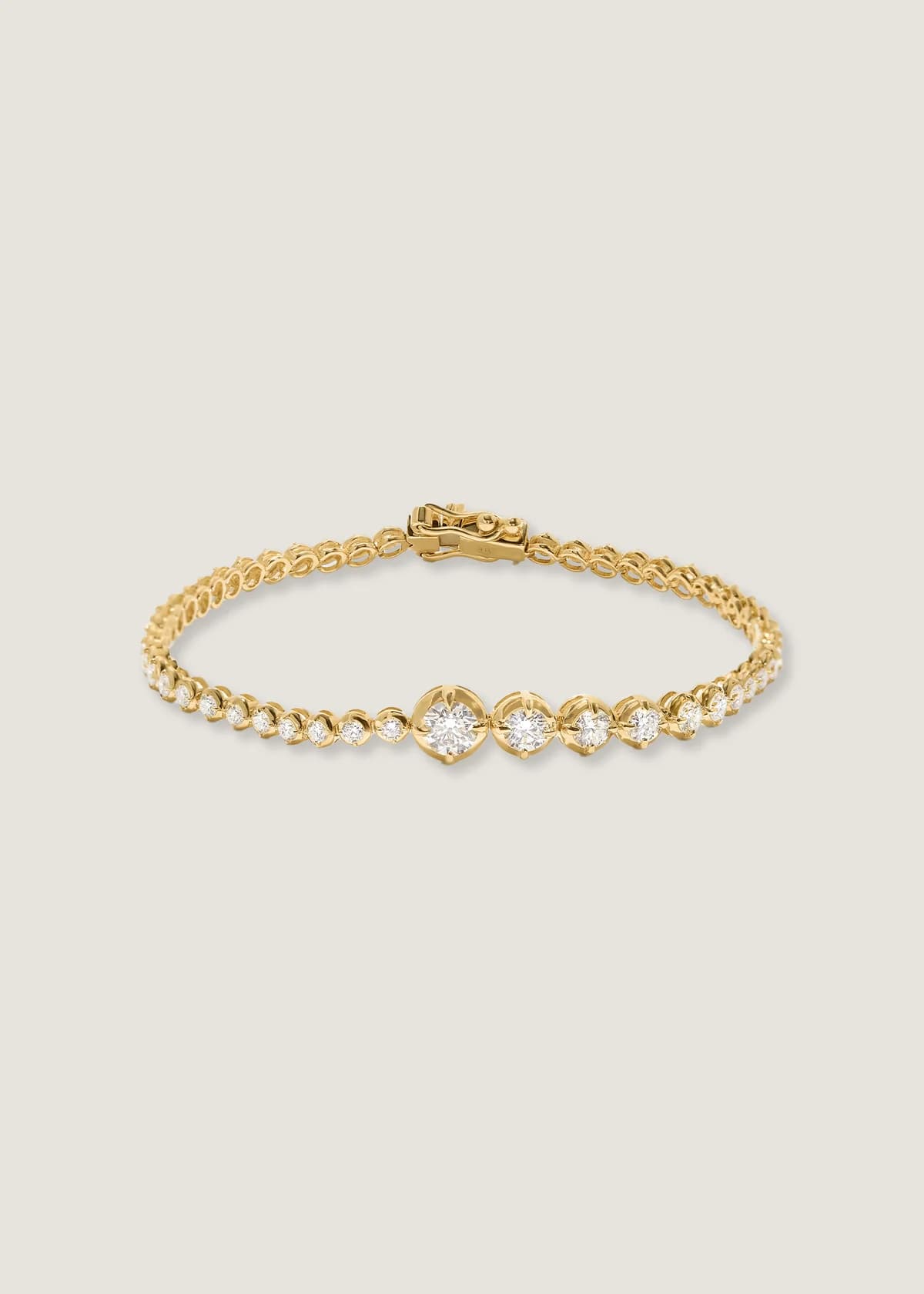
Electroforming is not a modern shortcut. WorthPoint places the technique, also called electrotyping, in mid-19th century Britain, and Google Patents lists a U.S. patent titled “Method of electroforming a gold jewelry article” with a priority date of 1993-12-01. The category is also not confined to archives or laboratories: JTV and Orogio both list electroformed gold bangles and bracelets in 14K and 18K gold, while resale and consignment listings describe electroformed-over-resin bangles. In gold, the stamp is only part of the story; the structure underneath is what tells you whether a piece is built to wear like substance or to merely suggest it.
This article was produced by Prism’s automated news system from verified source data, official records, and press releases, then run through automated quality and moderation checks before publishing. The system is built and supervised by the people who set the standards it runs under. Read our full AI policy.
Did this article answer your question?