Gold prices force designers to rethink collections and marketing
Gold’s record run is changing what designers build, how they price it, and how they sell it. Lighter construction, lower-carat gold, and mixed materials are becoming business survival tools.
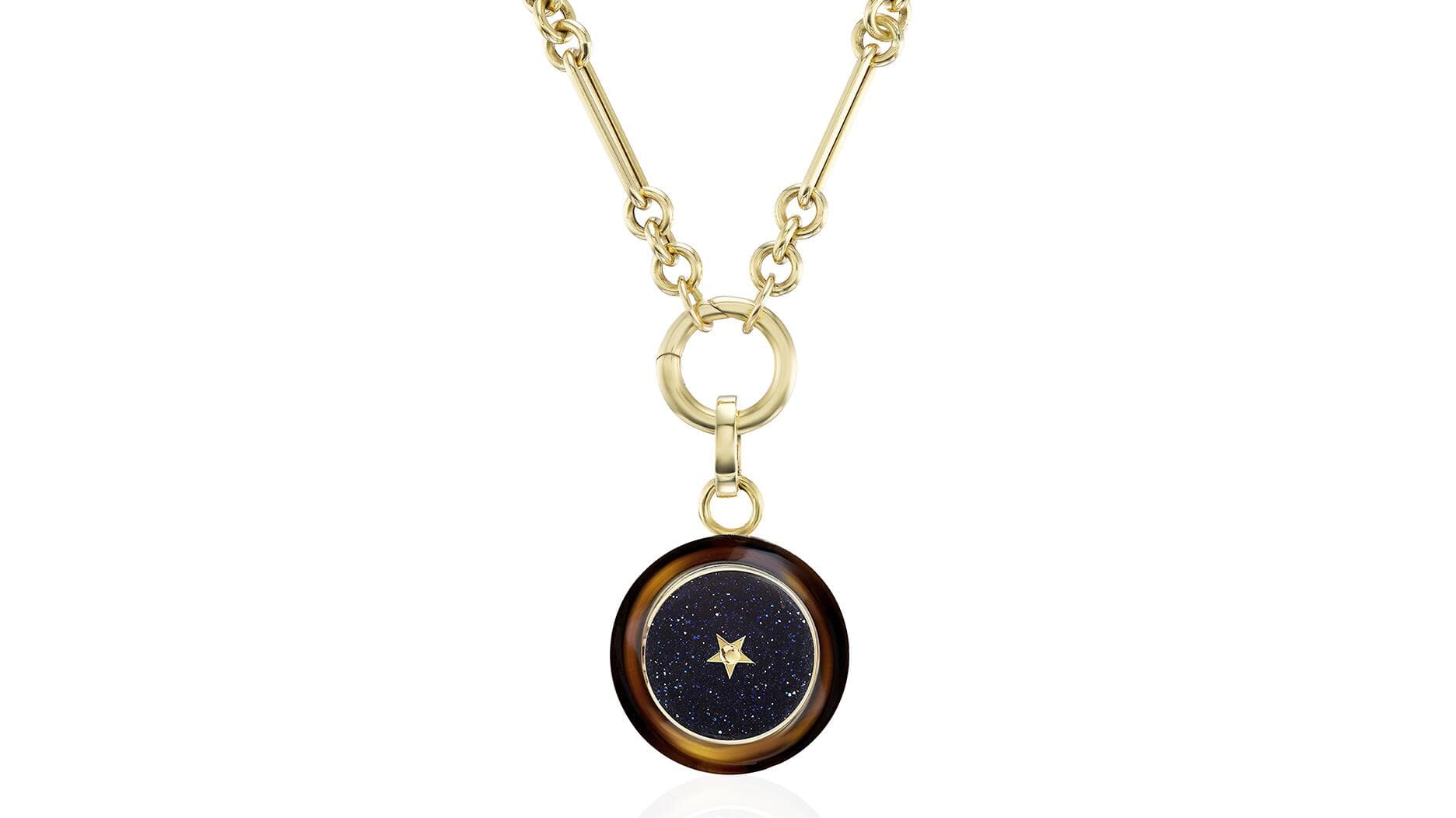
The new math of gold
A gold necklace now has to do more than shine. It has to survive a market in which the metal itself keeps setting records, margins are thinner, and the old assumption that heft equals value is getting harder to defend. National Jeweler’s State of Design feature captures the shift plainly: designers are reworking collections, materials, and marketing because the cost of gold is forcing the industry to redraw the economics of a jewel.
The pressure is visible in the numbers. The World Gold Council said gold jewellery demand fell in the first quarter of 2025 to its lowest quarterly volume since demand was halted by COVID in 2020, even as consumer spending on gold jewellery rose 9 percent year over year to US$35 billion. By the second quarter, global gold jewellery consumption had fallen 14 percent year over year to 341 tonnes, the weakest level since Q3 2020, while value demand climbed to US$36 billion.
Why volume is falling while value keeps rising
That split tells the entire story of the current gold market. Buyers are purchasing less metal by weight, but they are paying more in dollar terms because the price per ounce has moved so far, so fast. In Q2 2025, total gold demand rose 3 percent year over year to 1,249 tonnes, and total demand value jumped 45 percent to a record US$132 billion, a reminder that a roaring bullion market can strengthen top-line value even as it shrinks the number of pieces that feel attainable.
The World Gold Council said 2025 produced 53 new all-time highs in the gold price and pushed total gold demand above 5,000 tonnes for the first time. That is the kind of backdrop that does not just influence fashion; it changes construction. When the raw material becomes dramatically more expensive, every extra gram matters, and every design decision becomes a pricing decision.
How designers are rebuilding the jewel from the inside out
The most visible response is a move toward lighter architecture. Thinner bands, slimmer chains, and reduced metal content let a ring or bracelet keep its visual presence without carrying the full cost of a heavier cast. This is not simply about trimming weight for the sake of thrift; it is a structural rethink of how gold can look substantial while using less of the most expensive part of the piece.
Designers are also leaning harder into 14-karat and lower-carat gold, which lets them keep retail prices closer to what consumers will accept. Mixed metals are gaining traction because they dilute the gold content without abandoning the warmth that buyers want, while gold-plated silver offers a lower entry point for customers who still want the language of gold without the bullion bill. Heavy gemstone use has become another balancing act: stones can shift visual emphasis away from metal and create perceived value through color, size, and craft rather than through weight alone.
Marketing is changing because the product is changing
Once the metal content drops, the story around the jewel has to become sharper. A collection built on lighter gauges and mixed materials cannot rely on the old language of pure luxury alone; it has to explain why a piece deserves its price through silhouette, proportion, versatility, and design intelligence. That is why marketing is now part of the cost-engineering conversation, not an afterthought.
National Jeweler’s framing matters here because it suggests a deeper industry filter is emerging: adaptability is overtaking heritage as the trait that keeps a brand competitive. In practical terms, that means the winning brands are likely to be the ones that can present a lighter ring, a mixed-metal collar, or a gemstone-forward pendant as intentional design, not compromise. The brands that continue to merchandise only heavy, high-karat gold risk pricing themselves out of their own audience.
India shows how quickly the market can move
The clearest real-world example came in India, where Reuters-reported coverage in December 2024 said consumers were shifting toward lighter, lower-carat jewellery as gold prices rose. Over two years, 18-karat gold’s share of sales increased from roughly 5 percent to more than 15 percent, a sharp reordering of demand in a major market.
That change is especially instructive because it shows that buyers do not necessarily abandon gold when prices rise. They adjust the form of gold they buy. The preference shifts toward pieces that keep the emotional and ceremonial value of gold while softening the cash outlay, and that opens the door for designs that are slimmer, more modular, or more gemstone-driven than the traditional high-karat heavy set.
What survives in this market
The lesson for collectors and first-time buyers alike is that gold jewelry is becoming more architectural. The pieces most likely to endure commercially are not necessarily the heaviest or the most overtly opulent; they are the ones that balance tactile pleasure with cost discipline. A well-turned hollow bangle, a mixed-metal chain, or a 14-karat pendant with carefully placed stones can look smarter than a dense, conventional piece that simply prices itself beyond reach.
Legacy approaches are not disappearing, but they are getting more expensive to sustain. High-karat, high-weight designs still have aura, especially in the bridal and heirloom space, yet the market is making room for a different kind of prestige: jewelry that delivers presence through proportion, craftsmanship, and styling flexibility rather than through metal alone. In a year when gold hit 53 records and total demand passed 5,000 tonnes, the brands that thrive will be the ones that treat weight as a variable, not a virtue.
This article was produced by Prism’s automated news system from verified source data, official records, and press releases, then run through automated quality and moderation checks before publishing. The system is built and supervised by the people who set the standards it runs under. Read our full AI policy.
Did this article answer your question?