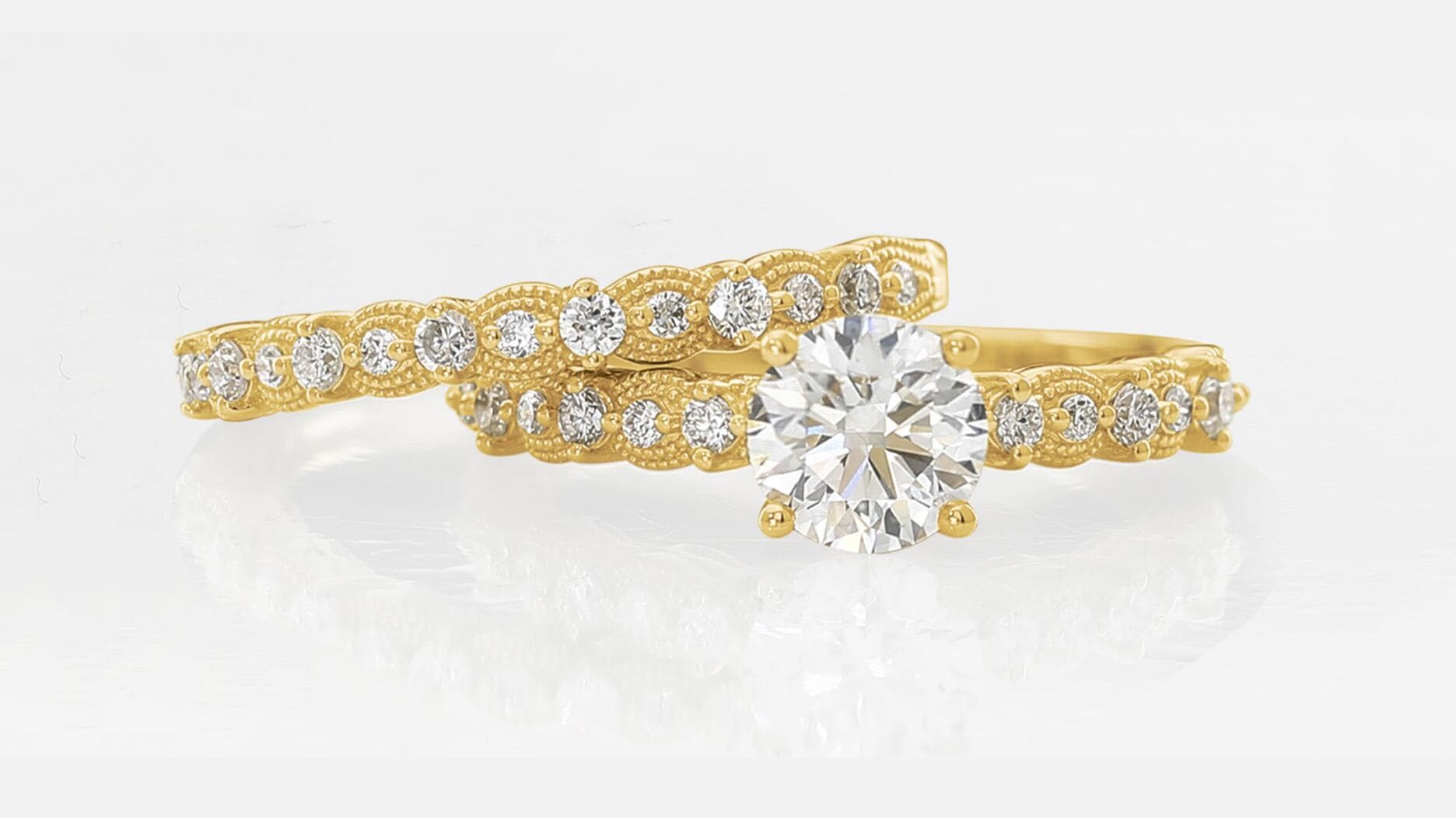
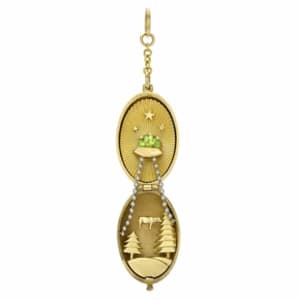
Gold Prices Surge, Shoppers Turn to Vintage and Alternative Materials
Gold still exerts a pull, but buyers are recalibrating. Vintage, two-tone pieces and mixed materials now offer the richest look for less metal.
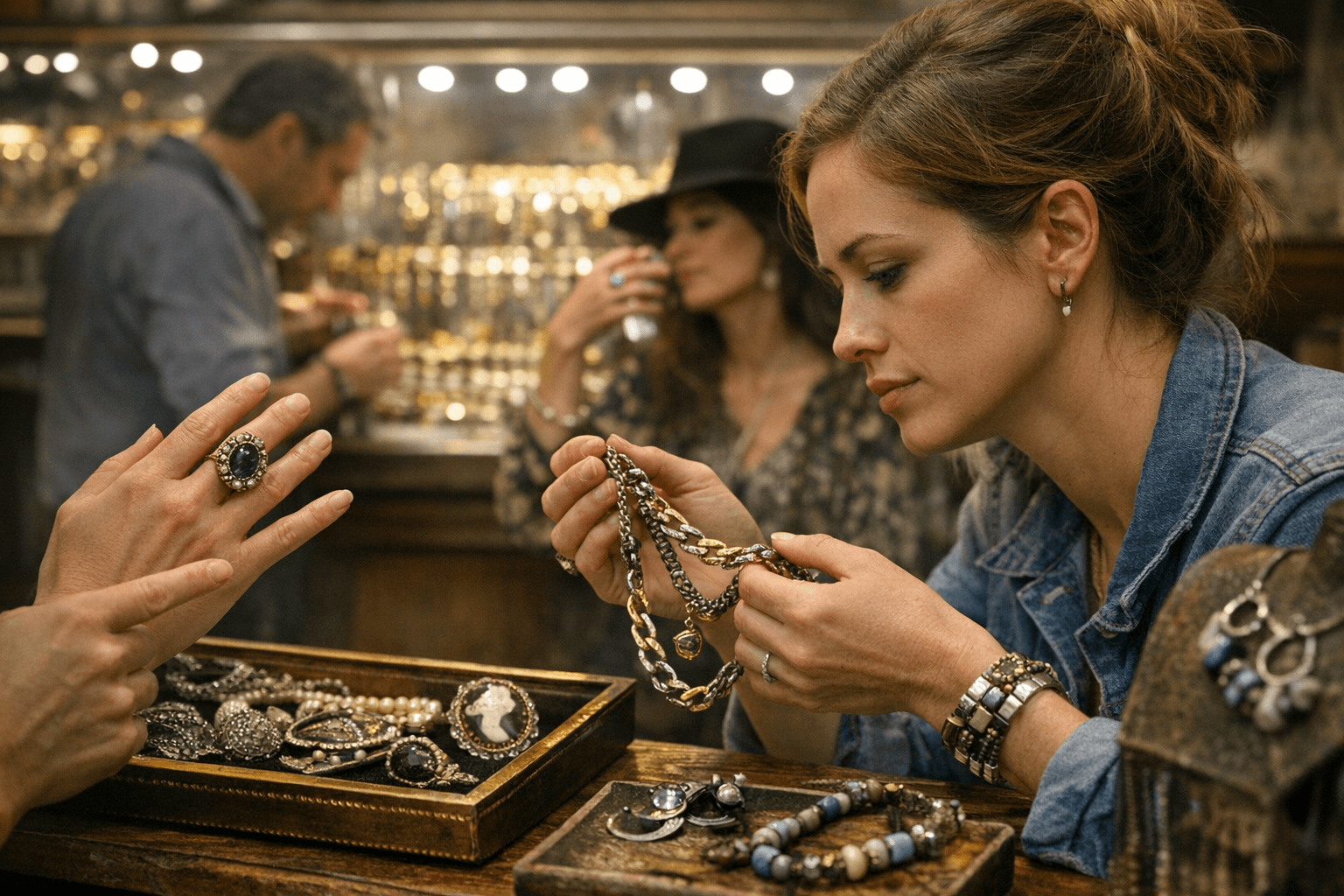
Gold still has the power to seduce, but the way people buy it is changing fast
Randi Molofsky’s read on the season is blunt: people want gold more than ever, even as higher prices force them to think differently about what that desire looks like on the body. That shift is not just aesthetic. It is a practical lesson in value, proportion and restraint, and it is pushing the market toward vintage, two-tone work and alternative materials that deliver the mood of gold without demanding so much of the metal itself.
Molofsky is speaking from two angles at once, which gives her perspective unusual weight. She flew to New York City to oversee For Future Reference Vintage’s new permanent display at Bergdorf Goodman, then returned to the West Coast for Jewelers Mutual’s Conversations in Half Moon Bay, California. In other words, she is watching the category from the luxury floor and from the industry’s forecasting table, and both vantage points point to the same conclusion: gold is still the fantasy, but buyers are becoming more selective about how they get there.
The numbers explain why the mood has changed
The price backdrop is as extreme as the jewelry response is creative. The World Gold Council said total gold demand in 2025, including over-the-counter activity, exceeded 5,000 tonnes for the first time, while the metal set 53 new all-time highs during the year. Demand value climbed to a record US$555 billion, up 45 percent year over year, which is a reminder that the market can look healthier in dollars even as it tightens in real-world volume.
Jewelry is where that tension shows up most clearly. Annual jewelry consumption fell to 1,542 tonnes, a five-year low, even as jewelry demand value reached a record US$172 billion, up 18 percent year over year. In the fourth quarter, jewelry demand hit a record low for a Q4 period, a clear sign that sticker shock is changing what shoppers take home even when the appetite for gold remains strong.
That split between volume and value matters for anyone trying to understand the current buying psychology. People are still willing to spend, but they are asking for more thoughtfulness per dollar, more design intelligence per gram and more wear per purchase. The piece that feels irresistible now is not necessarily the heaviest one in the case.
Vintage has become the most elegant answer to price pressure
This is where vintage gains power. Molofsky has argued that unsigned estate jewelry offers a compelling value proposition because creating the same piece new would be far more expensive now, given the combined weight of gold and labor costs. That logic is hard to ignore. Antique and estate pieces often deliver the most satisfying mix of substance, detail and scarcity, while sidestepping the premium attached to newly manufactured gold.
There is also an emotional advantage to vintage that matters in a market like this. A well-made older chain, bracelet or ring carries the patina of time and the authority of construction, and those qualities can make a piece feel richer than its weight suggests. For shoppers unwilling to overpay for fresh metal, vintage offers a way to keep the look luxurious without insisting that every inch be newly mined.
Molofsky’s Bergdorf Goodman display is a clue to why this format is gaining traction in higher-end retail. Vintage is no longer a niche fallback for collectors; it is becoming an edited, highly visible part of the gold conversation. That shift gives shoppers permission to think of pre-owned and estate pieces not as compromises, but as the smartest expression of discernment.
The spring look is lighter, mixed and more modular
The other big change is material. JCK’s trend coverage has already shown designers leaning toward two-tone metals and non-gold materials such as beads, leather and cords, with modular jewelry, especially pendants sold separately, rising as a cost-conscious format. That makes sense in a market where every additional gram of gold carries more weight on the final ticket.
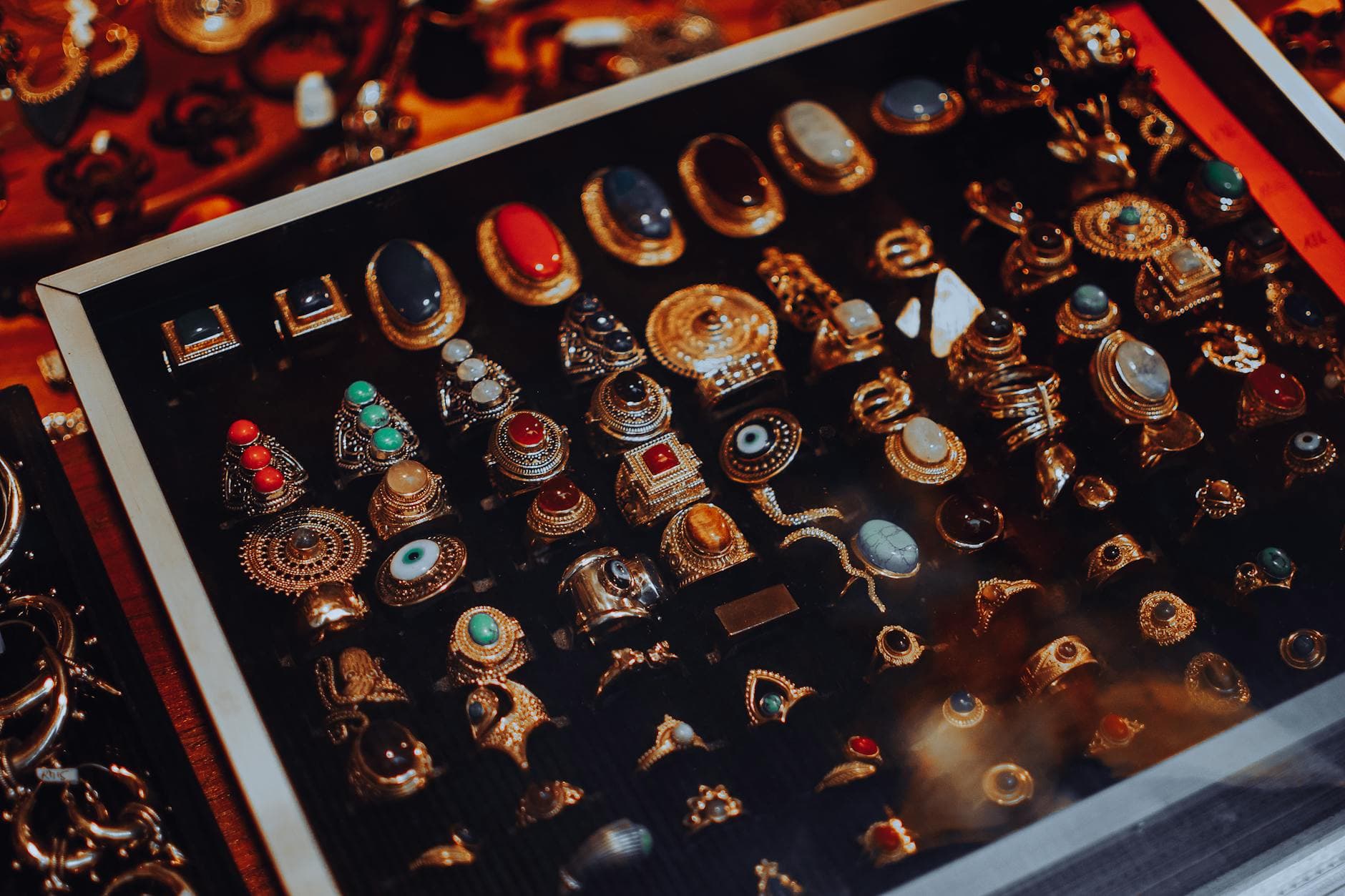
Two-tone pieces do a lot of work here. They soften the visual density of full gold while making a piece easier to layer with what people already own, including silver, steel or stone-set jewelry. Beads, leather and cords push the effect further, shifting gold from bulk material to focal accent. Instead of paying for a fully gold object, the buyer is paying for a cleaner design idea, with the metal used where it has the most visual impact.
Modular jewelry is especially intelligent under price pressure because it lets the customer build slowly. A pendant bought on its own can migrate between chains, cords and necklines, which stretches the purchase across more outfits and more seasons. That is the kind of flexibility shoppers are increasingly rewarding, because it preserves the feeling of abundance without demanding a single large outlay.
How to get the look without overspending
- Choose one gold anchor piece, then let mixed materials do the rest. A single pendant, hoop or ring can carry a look if the surrounding pieces are simpler and less metal-heavy.
- Look for two-tone designs when you want versatility. They bridge wardrobes better than pure yellow gold and make layering easier, especially if you already mix metals.
- Consider estate and unsigned vintage first when you want visible substance. The construction is already there, and the cost is often easier to justify than commissioning a fresh piece of similar heft.
- Favor modular formats if you like to change your jewelry often. A pendant that can move from chain to cord to leather keeps the purchase working harder.
- Think in terms of proportion, not just carats. Under current gold prices, a well-designed lighter piece can look more expensive than a heavier one that feels blunt or overbuilt.
Gold is becoming a more edited luxury
Reuters reported in January 2026 that global gold demand reached an all-time high of 5,002 metric tons in 2025, which sounds like a triumph until you pair it with the jewelry volume decline. That is the paradox of this market: the world wants gold, but rising prices are forcing a more disciplined way of wearing it. The most relevant pieces now are not the largest or loudest, but the ones that understand how to do more with less.
That is what makes this moment interesting. Gold is not disappearing from fashion; it is being sharpened by scarcity into something more considered, more modular and, in many cases, more beautiful for being less obvious.
This article was produced by Prism’s automated news system from verified source data, official records, and press releases, then run through automated quality and moderation checks before publishing. The system is built and supervised by the people who set the standards it runs under. Read our full AI policy.
Did this article answer your question?