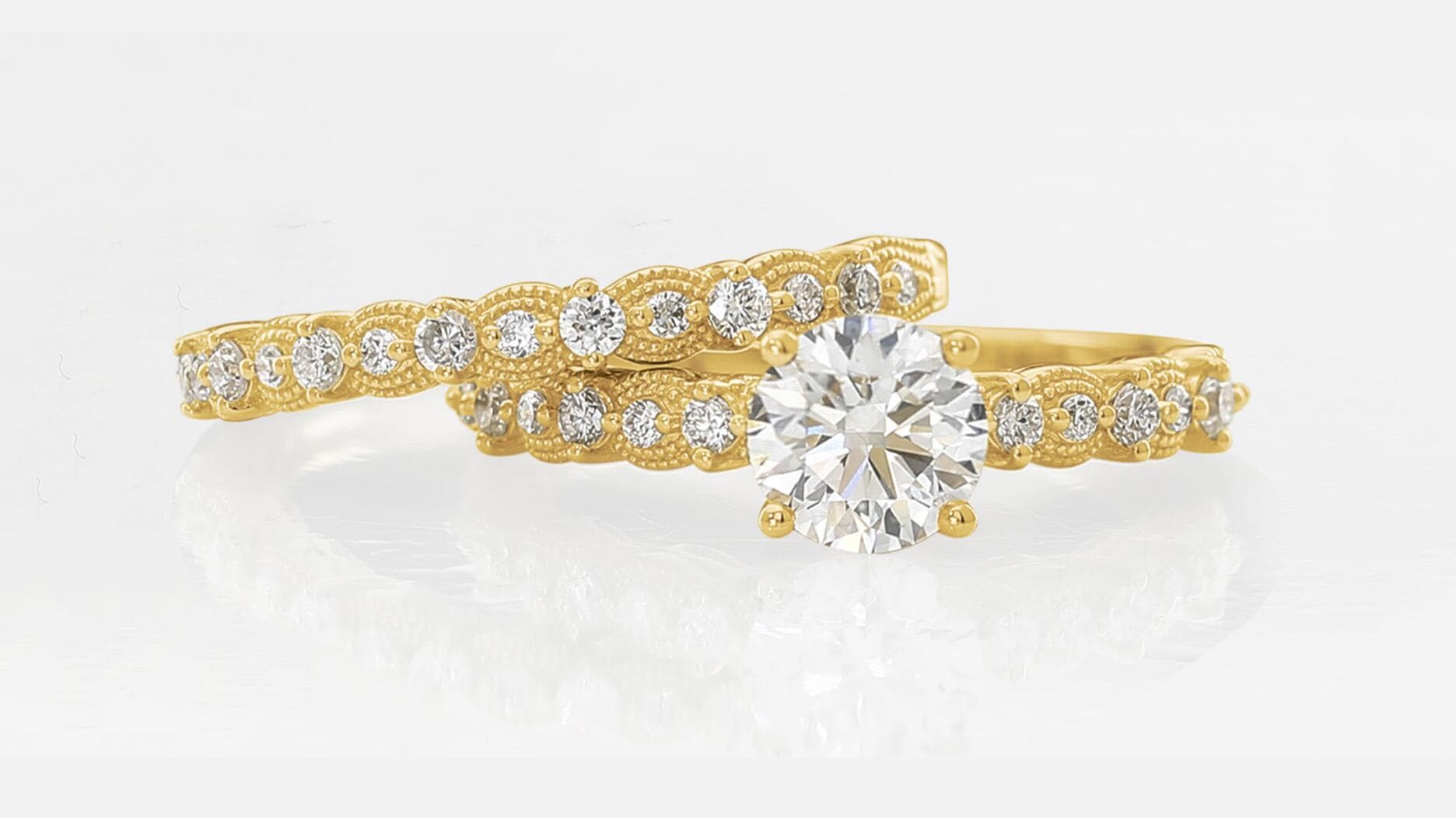
Gold Vermeil Jewelry Care, Styles and How It Differs From Solid Gold
Vermeil is gold plated over sterling silver, thicker than ordinary plating but not the same as solid gold; care, storage, and cleaning choices determine how long it keeps its shine.

Vermeil occupies a unique place for readers who want the look of gold without the price of solid metal. It is a layer of gold over a sterling silver base; the technical and practical differences from solid gold and gold‑filled metals, plus opposing care advice from shops and stylists, are what determine longevity. Below I break down what vermeil is, how it behaves, how to care for it step by step, and what to expect in wear, restoration and value.
1. Definition and the technical standard
Vermeil is a layer of gold plated over a sterling silver base; that core definition appears repeatedly across vendors and guides. Harlem Bling states a required thickness: "Vermeil requires a minimum 2.5 microns of gold over sterling silver." That 2.5‑micron threshold is the single explicit numeric spec in the sources and is what distinguishes vermeil from thin fashion plating.
2. How vermeil differs from solid gold and gold‑filled
Vermeil is visually similar to gold because it has a gold surface, but structurally it is different from solid gold and gold‑filled pieces. Solid gold is gold throughout the item and is meant to last a lifetime; Localeclectic emphasizes that "Solid gold jewelry is meant to last a lifetime. Solid Gold jewelry from 9K‑24K can be worn daily and kept forever." Gold‑filled has a thicker mechanically bonded layer of gold and, Localeclectic notes, is safe to clean with mild soap and water and should not tarnish with minimal care. By contrast, vermeil uses a sterling silver core and a gold veneer, Harlem Bling argues it is "significantly more durable than standard gold plating" when it meets the 2.5‑micron minimum, yet it remains a plated product rather than solid metal.
3. Cost and value proposition
Vermeil occupies the middle ground between standard plated fashion jewelry and solid gold on price and look. Harlem Bling gives a concrete comparison: "Vermeil typically costs 30 to 50 percent less than solid gold while delivering comparable visual appeal." That cost saving, combined with the silver core, explains why some buyers treat vermeil as an entry point to heirloom aesthetics while accepting potential maintenance.
4. Styles and common uses in design
Vermeil is used for chains, necklaces and pieces with gemstone settings that benefit from a gold surface over a sterling silver structure; Chiefofstyle’s cleaning instructions reference "hard to reach areas on your pieces (like in between the gemstone settings and chains)," which signals the types of forms where vermeil often appears. Designers use vermeil for delicate chains, pendants and fashion rings that show gold’s warmth against skin while keeping prices accessible; Mara Paris’s boutique sells vermeil pieces alongside its other offerings at 29 Rue Chapon in Paris, indicating its place in contemporary boutique assortments.
5. When to wear vermeil: daily use versus occasional
Sources disagree on recommended frequency of wear, so treat usage as a choice weighted by risk and your activities. Harlem Bling counters a common hesitation: "Myth: You cannot wear vermeil jewelry daily. Fact: Vermeil is designed for everyday wear. Many customers at Harlem Bling wear their pieces constantly without issues." By contrast, Localeclectic counsels caution: "Gold plated and vermeil jewelry is best suited for occasional wear. Over time, the gold plating will wear down, but with proper care, your piece should last a very long time." If you workout, swim or work with your hands, plan for more conservative wear; if you’re careful and follow protective steps, some owners report multi‑year daily wear.
6. What to avoid: water, chemicals, sweat and impact
There’s strong consensus on several hazards: remove vermeil before swimming, showering or exercising because chlorine, saltwater and perspiration accelerate tarnishing. Harlem Bling is explicit: "Remove your jewelry before swimming, showering, or exercising. Chlorine, saltwater, and perspiration can accelerate tarnishing." Azurajewelry and Mara Paris add that chemicals in water and direct application of lotions, perfumes and cosmetics can damage the gold layer; Mara Paris warns that deformation, bending or reshaping, can "stretch, crack, or flake off" the gold layer and accelerate deterioration. Avoid knocks, drops and heavy lifting that can chip or deform prongs around gemstones.
7. Quick after‑wear routine: wipe and air
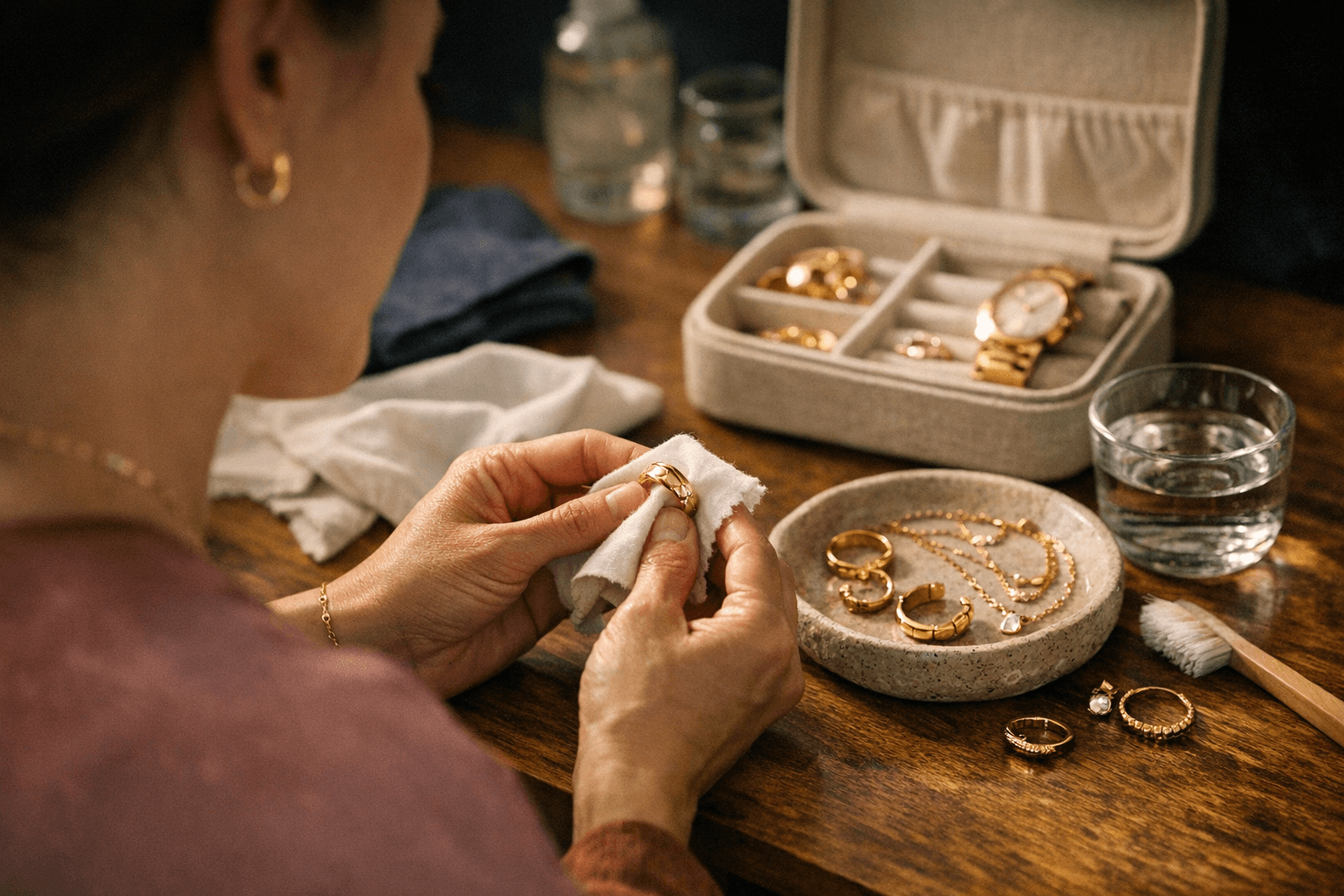
Multiple vendors recommend an immediate, low‑effort routine to stave off tarnish and surface wear. After each wear, gently buff vermeil with a soft, dry cloth; Mara Paris advises to "gently clean your jewelry with a soft, dry cloth to remove any residue," while Harlem Bling suggests using "a soft, damp cloth to gently wipe your pieces after wearing." Chiefofstyle and Localeclectic also endorse gentle buffing as a first line of defense.
8. Deeper cleaning: a step‑by‑step method (and the one explicit recipe)
Where advice diverges, one clear, prescriptive method appears in the notes. Chiefofstyle provides a full recipe: "Combine 1‑2 drops of dish soap with lukewarm water in a bowl. Whisk until bubbly." Then: "Place your jewelry in the bowl for 5‑10 minutes allowing it to soak." Use "a soft bristle brush" to clean hard‑to‑reach areas, rinse in clean water and "Finally, use a microfiber cloth to pat it dry." Harlem Bling and Azurajewelry also endorse mild soap and lukewarm water for deeper cleaning, while warning against ultrasonic cleaners and harsh chemicals. Note the explicit contradiction, Localeclectic states "Never use jewelry cleaner, soap, or water", so if your vermeil is thin, err on the side of gentler care or consult your retailer.
9. Storage choices: soft pouch vs airtight baggie (the disagreement)
Keep vermeil dry and separate from other pieces to prevent scratches and humidity damage; sources agree on dryness, but not container type. Harlem Bling and Azurajewelry recommend soft pouches or compartmentalized jewelry boxes and storing in a cool, dry place away from humidity. Localeclectic recommends storing plated and vermeil jewelry "in an airtight plastic baggie to keep moisture out and to protect the piece from surface scratches." Both approaches aim to exclude moisture and reduce abrasion, choose the one that fits your climate and storage routine, and always keep pieces separated.
10. Professional maintenance and restoration
Vermeil can be restored by replating when wear becomes significant; Harlem Bling notes that "professional replating services can restore its brilliance" and offers guidance for customers on maintaining investment pieces. Replating is a practical option for favorites you plan to keep; expect replating intervals to depend on how often you wear the piece and how much abrasion and chemical exposure it sees.
11. Myths, facts and what to believe
A concise set of myth/fact lines from Harlem Bling clarifies common misconceptions: "Myth: Vermeil is just cheap gold plating. Fact: Vermeil requires a minimum 2.5 microns of gold over sterling silver, making it significantly more durable than standard gold plating and an excellent long‑term investment." They also state: "Myth: Vermeil pieces will tarnish quickly. Fact: With proper care, your gold vermeil jewelry can maintain its shine for years." Use those lines as a baseline, and weigh them against stricter advice from Localeclectic if you prefer maximal caution.
12. Practical buying and verification tips
If you’re buying vermeil as an alternative to solid gold, verify the gold thickness and ask the retailer whether the piece meets the 2.5‑micron vermeil standard cited by Harlem Bling. Compare prices, Harlem Bling’s range estimate that vermeil costs "30 to 50 percent less than solid gold" gives you a benchmark, and ask about replating options and expected lifespans. If a retailer’s care guidance is vague, take that as a warning sign rather than marketing: specific cleaning recipes and explicit removal guidance show a vendor who understands how their materials age.
Conclusion Vermeil offers the warm look of gold with a more accessible price point, but it must be treated as plated metal: protect it from chlorinated water, perfumes, sweat and knocks; wipe it after wear; and choose a cleaning and storage routine that matches the thickness and use you expect. When sellers give concrete specs, like Harlem Bling’s 2.5 microns, or practical instructions, like Chiefofstyle’s cleaning steps, follow them; when guidance conflicts, opt for the gentlest approach and plan on professional replating if a piece becomes a long‑term favorite. Vermeil can last years of beautiful wear when treated with the same deliberate care you’d give to any treasured accessory.
This article was produced by Prism’s automated news system from verified source data, official records, and press releases, then run through automated quality and moderation checks before publishing. The system is built and supervised by the people who set the standards it runs under. Read our full AI policy.
Did this article answer your question?