How to Buy Gold in 2026, From Jewelry to Bullion and ETFs
Gold at $4,525 an ounce means the metal in a 10-gram 22k chain is worth $1,334 before a single jeweler's markup - here's how to keep as much of it as possible.
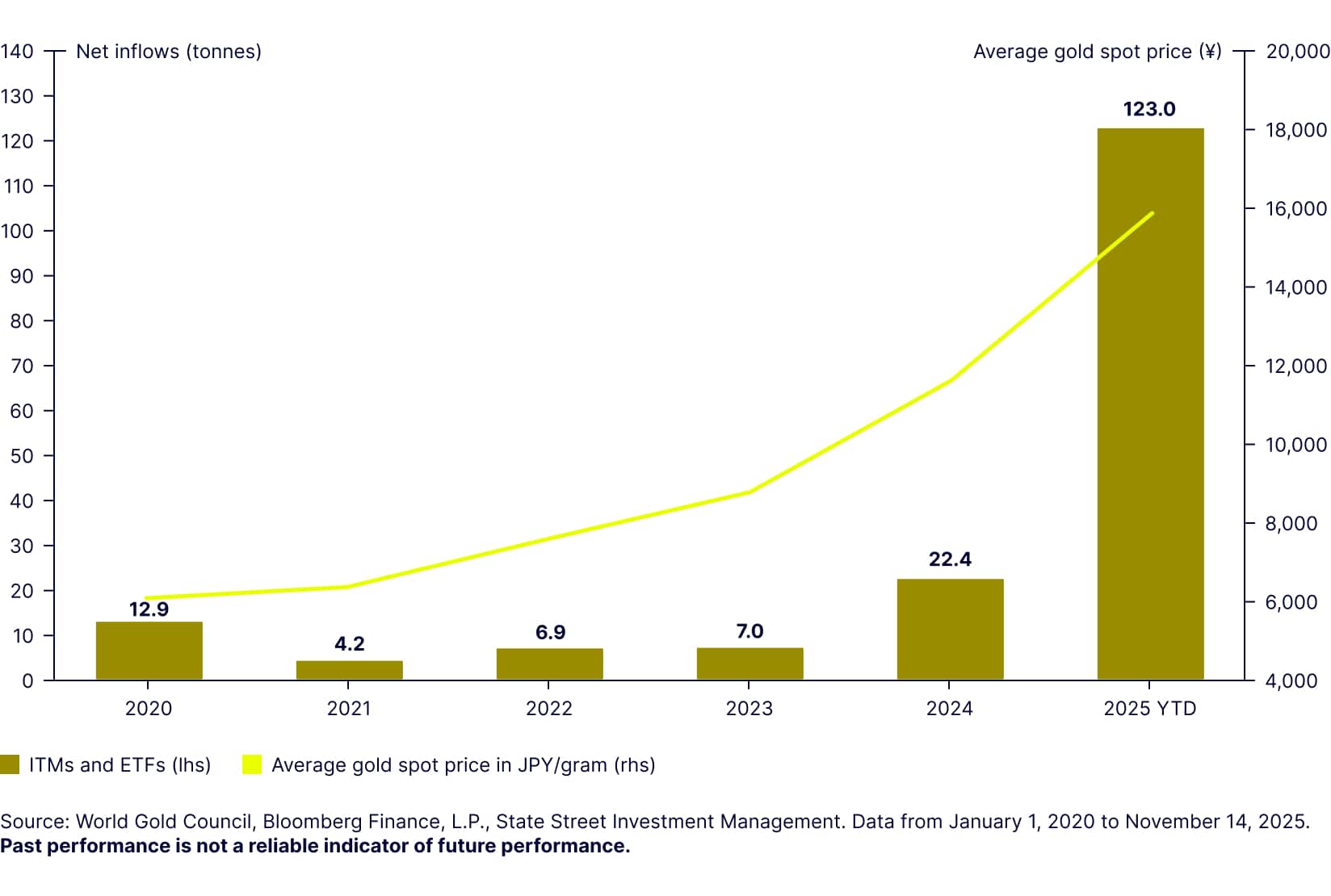
Gold hit $4,525.39 per troy ounce as of late March 2026, with a single gram of pure metal now priced at $145.49. To put that in context: gold surged 62% in 2025, its best calendar year since 1979, when prices rose 133%. That performance has sent buyers flooding into every corner of the gold market simultaneously: the bullion desk, the estate jeweler, the brokerage account. Each offers a genuinely different proposition. What they share is the underlying metal. What separates them, sharply, is how much of that metal's value you actually capture when you buy, hold, and eventually sell.
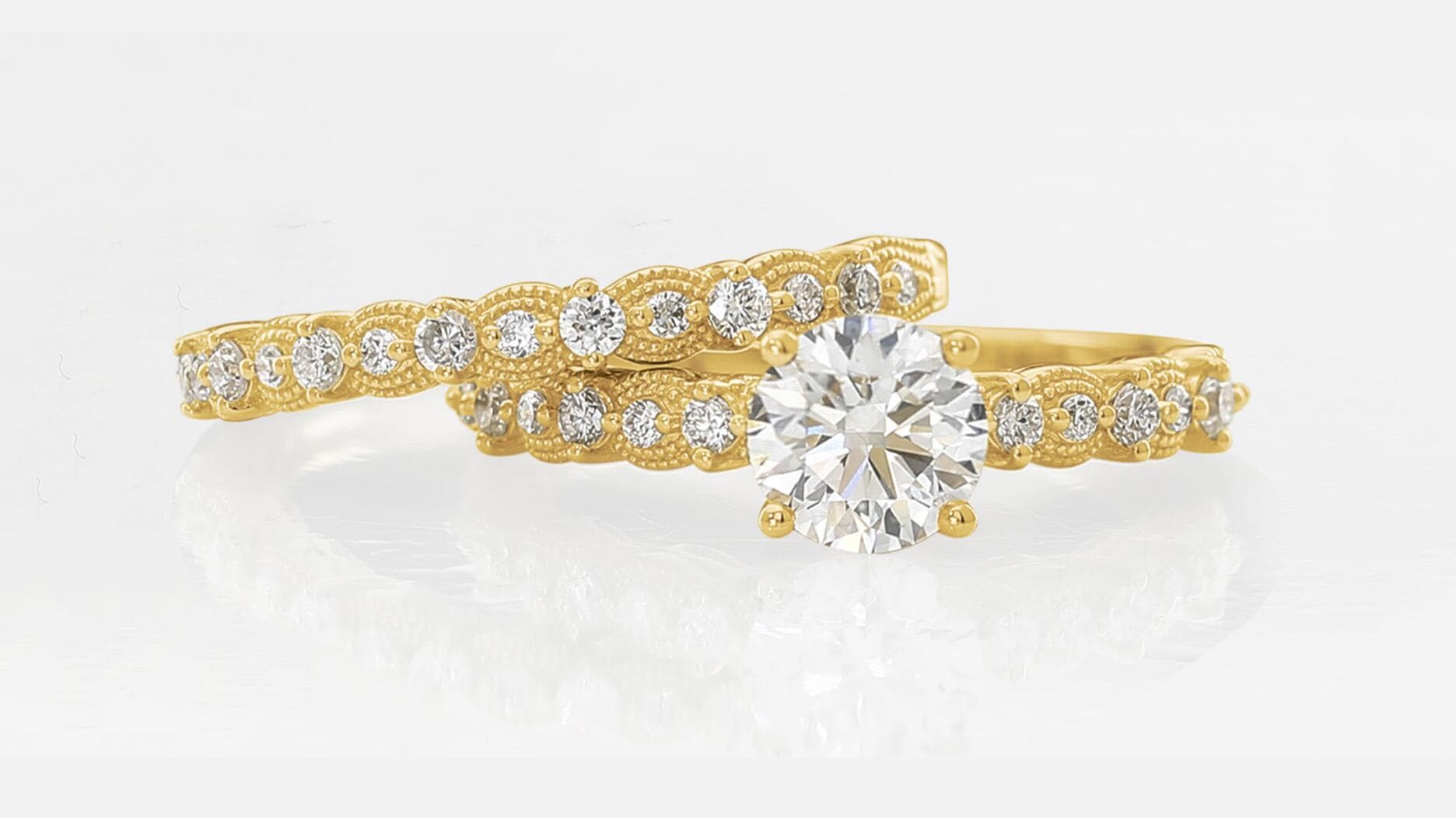
Gold jewelry occupies a peculiar position in this landscape. It is simultaneously a design object, a cultural artifact, and a commodity vehicle, and the financial logic of each role pulls in different directions. A 22k bangle is carrying real, quantifiable metal value. It is also carrying a retail premium that, left unexamined, can silently erode most of the investment case. Knowing where those numbers land is the foundation of any intelligent gold purchase in 2026.
The Markup Reality Check: From Spot to Shelf
The spot price represents the real-time market value of pure gold per ounce. The retail price equals the spot price plus manufacturing costs and retail markup. Anything beyond a 60% markup is generally considered excessive. The standard range for gold jewelry sits between 30% and 60% above the intrinsic metal value.
Put those numbers to work on a 10-gram piece, a typical weight for a substantial chain or cuff:
- A 22k piece (91.7% pure gold, $133.41 per gram intrinsic) holds $1,334 in pure metal. At retail, you will pay $1,734 to $2,135.
- An 18k piece (75% pure, $109.12 per gram intrinsic) holds $1,091 in gold content. Retail range: $1,419 to $1,746.
- A 14k piece (58.3% pure, $84.82 per gram intrinsic) holds $848 in gold. Retail range: $1,103 to $1,357.
The gap between what you pay and what you can recover is the wearability cost. And the resale side compounds the math: most dealers offer 75-80% of the current spot-adjusted intrinsic value on buyback. If you purchased at a 40% markup and sell to a dealer paying 80% of intrinsic, you need gold to rise 75% just to break even on the metal. At a 60% markup with a 75% buyback offer, the required price appreciation climbs past 113%. These are not reasons never to buy gold jewelry. They are reasons to buy it with clear eyes about which value you are actually purchasing.
The Karat Hierarchy: Choosing Your Gold
Karat purity determines what percentage of a piece is pure gold. 22k gold equals 22 divided by 24, or 91.6-91.7% pure gold, frequently stamped as 916. The purity tier you choose sets the floor on every other number in the analysis.
22k sits at the top for investment-focused jewelry buyers. At 91.7% purity, the vast majority of the piece's weight is recoverable metal, and in South and East Asian markets, 22k bangles, chains, and coins are weighed and priced close to metal value with minimal design overhead. Its relative softness makes it less suited to settings with delicate prong work or pieces intended for heavy daily wear.
18k, at 75% purity, is preferred by collectors who prioritize aesthetics alongside value. 14k, at 58.3% pure, offers the best ratio of value, durability, and color richness for most buyers. The majority of pieces from recognized fine jewelry houses are cast in 18k: it supports the craftsmanship that justifies premium pricing while retaining meaningful metal content. 14k gold jewelry appreciated approximately 348% from 2016 to early 2026, tracking the metal's decade-long rise.
10k, at 41.7% pure, falls below the investment threshold. Once the alloy content exceeds the gold content by weight, dealers treat the piece as scrap rather than asset, and the pricing reflects it.

Bullion: Coins and Bars
Physical bullion offers the cleanest, most efficient exposure to gold's metal value, with dramatically lower premiums than retail jewelry. The American Gold Eagle is the only gold bullion coin whose weight and purity receive a direct guarantee from the United States government, a feature that has shaped how investors price, trade, and trust the coin. The Gold Eagle price equals the spot price per troy ounce plus a premium typically ranging from 3-5%. At current spot levels, that puts a one-ounce Eagle at approximately $4,661 to $4,752. The bid-ask spread on Gold Eagle coins is typically 2-4% for standard bullion coins, representing about $50-$100 at current prices.
Gold bars compress the premium further. A one-kilo bar from a refiner accredited by the London Bullion Market Association typically carries a 1-2% premium over spot and is the preferred vehicle for buyers whose primary intent is wealth storage rather than aesthetics. The comparison to jewelry is stark: where a jewelry buyer might pay 30-60% over intrinsic value, a bullion buyer pays 1-5% over spot and faces a narrow resale spread. The tradeoff is equally clear: a bar does nothing until you sell it.
ETFs: Pure Metal Exposure, No Showroom Required
For buyers who want gold's price performance without the complications of custody, allocated gold ETFs represent the lowest all-in cost of ownership. SPDR Gold Shares (GLD) and the iShares Gold Trust (IAU) are the most popular physically-backed gold ETFs in the U.S. market. IAU has a lower expense ratio at 0.25% versus GLD's 0.40%, making it more cost-effective for long-term holders.
That fee difference compounds meaningfully over time. Over the past five years, IAU slightly outperformed GLD with a 10.48% annualized return compared to GLD's 10.30%. Both funds hold physical gold in allocated vaults and publish regular audit reports, which distinguishes them from futures-based products that carry rollover costs and tracking error. For most jewelry readers who want gold exposure in a portfolio without touching their physical allocation strategy, IAU is the rational default: the 0.25% annual fee drag over five years totals approximately 1.25%, a fraction of any jewelry round-trip cost.
Miners, Futures, and Tokenized Gold
Gold mining stocks offer leveraged exposure to the metal: when gold rises, producers with low extraction costs see margin expansion that amplifies the commodity move. The risk runs symmetrically on the downside. Futures require active management and are not appropriate for buy-and-hold positions.
Tokenized gold products, such as Pax Gold (PAXG), link each digital token to one troy ounce of allocated physical gold held in professional vaults. These products are audited periodically and represent one of the more transparent digital forms of gold ownership. Counterparty and custody risks are real; insist on products that publish independent audit reports and offer clear redemption procedures before committing capital.
Wear It vs. Store It: A Decision Framework
The question is not whether gold jewelry has value. It does. The question is whether that value serves your actual intent.

- The craftsmanship carries value you appreciate independently of the metal
- You are buying 18k or 22k at a transparent markup under 40%
- You have documented the gram weight and karat stamp at purchase
- You understand and accept a resale spread of 20-30%
Buy jewelry to wear when:
- Pure metal value appreciation is the primary goal
- You want maximum liquidity at minimum holding cost
- You plan to hold for five or more years in a verified custodial structure
- You are unwilling to absorb a retail craftsmanship premium that adds no recoverable value
Buy bullion or ETFs when:
The Investment-Friendly Jewelry Checklist
If jewelry is your chosen vehicle, these criteria preserve the maximum metal value at resale:
- Karat: 22k or 18k minimum. Below 18k, the resale economics deteriorate materially.
- Stone weight: Minimal or none. Diamonds and colored stones inflate retail price but rarely translate proportionally at resale; most dealers discount or ignore them.
- Gram documentation: Request the piece's exact gram weight in writing. Reputable dealers include it on the receipt or accompanying certificate.
- Hallmarks: Verify the karat stamp is legible (750 for 18k, 916 for 22k). Counterfeit hallmarks exist across all market segments.
- Buyback terms: Ask the dealer directly whether they offer a buyback program and at what percentage of current spot-adjusted intrinsic value. Reputable dealers answer that question without hesitation.
- Setting complexity: Avoid elaborate high-labor settings. The craftsmanship premium rarely survives to the resale conversation.
Storage, Authentication, and Tax
Physical gold, whether bullion or jewelry, demands serious storage decisions. A bank safe-deposit box is the minimum viable option; purpose-built precious metals vaults, offered by most major bullion dealers, charge annual fees of roughly 0.1-0.5% of stored value and include insurance coverage. Any home storage should be backed by a declared rider on your homeowner's policy.
For authentication, a non-destructive X-ray fluorescence (XRF) test, available at most estate jewelers and bullion dealers, will confirm karat to a high degree of precision. Acid test kits remain a reliable low-cost option for a rough verification.
On the tax side: in the U.S., physical gold, including jewelry sold at a profit, is classified as a collectible and subject to a maximum long-term capital gains rate of 28%, materially higher than the standard 15-20% rate applied to equities. Gold ETFs held in a standard brokerage account are also taxed as collectibles, but the administrative simplicity and audit trail are considerably cleaner than tracking the basis on a piece of jewelry purchased years earlier. This is one of the costs of physical ownership that rarely appears in the transaction, but invariably appears at tax time.
At $4,525 an ounce, gold demands more precision from its buyers than at any price point in history. The piece on your finger and the bar in a vault are made of the same thing; what differs is the size of the gap between what you paid and what you will recover, and whether you went in knowing exactly how wide that gap would be.
This article was produced by Prism’s automated news system from verified source data, official records, and press releases, then run through automated quality and moderation checks before publishing. The system is built and supervised by the people who set the standards it runs under. Read our full AI policy.
Did this article answer your question?