Jieworui, Yundiandang Freeze Withdrawals, Shuibei Gold Trading Paralyzed
Shuibei’s gold trading grind to a halt after Jieworui and Yundiandang froze withdrawals, leaving an estimated tens of thousands queued for payouts and regulators ordering a Feb. 20 crackdown.
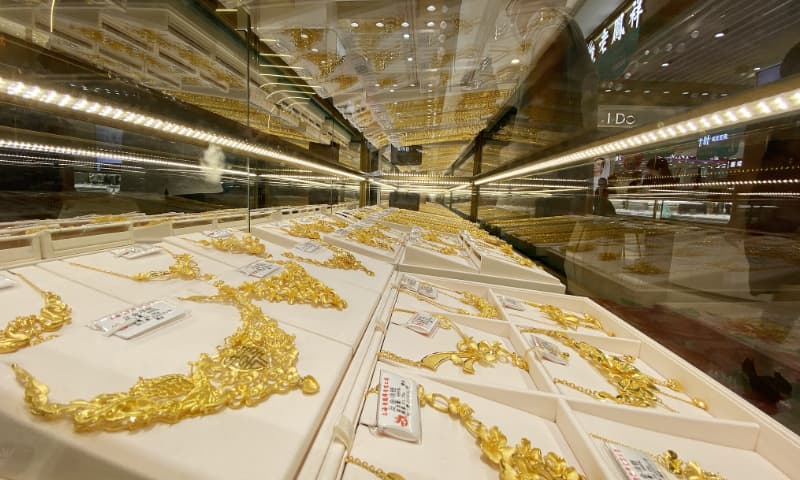
Withdrawals in Shenzhen’s Shuibei jewellery district have been frozen after two prominent local dealers, Shenzhen Jieworui Jewelry and Yundiandang, suspended payouts and barred customers from retrieving physical gold, leaving what Caixin and Channel NewsAsia estimate to be tens of thousands of affected users. Channel NewsAsia reported “allegations that Jieworui had defaulted on hundreds of millions of yuan in payments to customers,” while Caixin said restrictions at Jieworui began “around Jan. 19” and users were unable to withdraw or retrieve gold “since around Jan. 20.”
Shuibei, in Luohu District, is one of China’s largest gold and jewellery trading hubs, with thousands of traders, manufacturers and wholesalers concentrated in the market. Jieworui built its local profile on gold recycling and low-fee jewellery sales before expanding into a WeChat mini-program offering so-called “pre-priced gold.” Global Times media analysts warned that the mini-program model “resembles speculative betting rather than traditional gold investment,” and Caixin described the ecosystem as a “high-leverage market operating outside China’s formal exchanges.”
The mechanics of pre-priced gold have been central to the collapse: users paid small deposits through mini-programs to lock a future price on a specified weight of gold, settling later on price differences rather than always taking delivery of metal. The Agricultural Bank of China’s Shenzhen branch published an article titled “Beware of the 'Pre-Priced Gold' Trap - Guard Against Gambling and Fraud Schemes,” noting platforms promoted such products online with promises of “low thresholds, high returns, and quick payouts.”
The disruption accelerated through January. Caixin reported Jieworui began restricting withdrawals around Jan. 19, with payouts effectively stopping soon after; videos and footage circulated showing groups of protesters and tense exchanges with security at Jieworui’s main office. Yundiandang suspended withdrawals on Jan. 31, citing “compliance violations” on its WeChat platform, Business Times reported, and the company said it had endured three waves of panic withdrawals and had offered discounted settlement options.
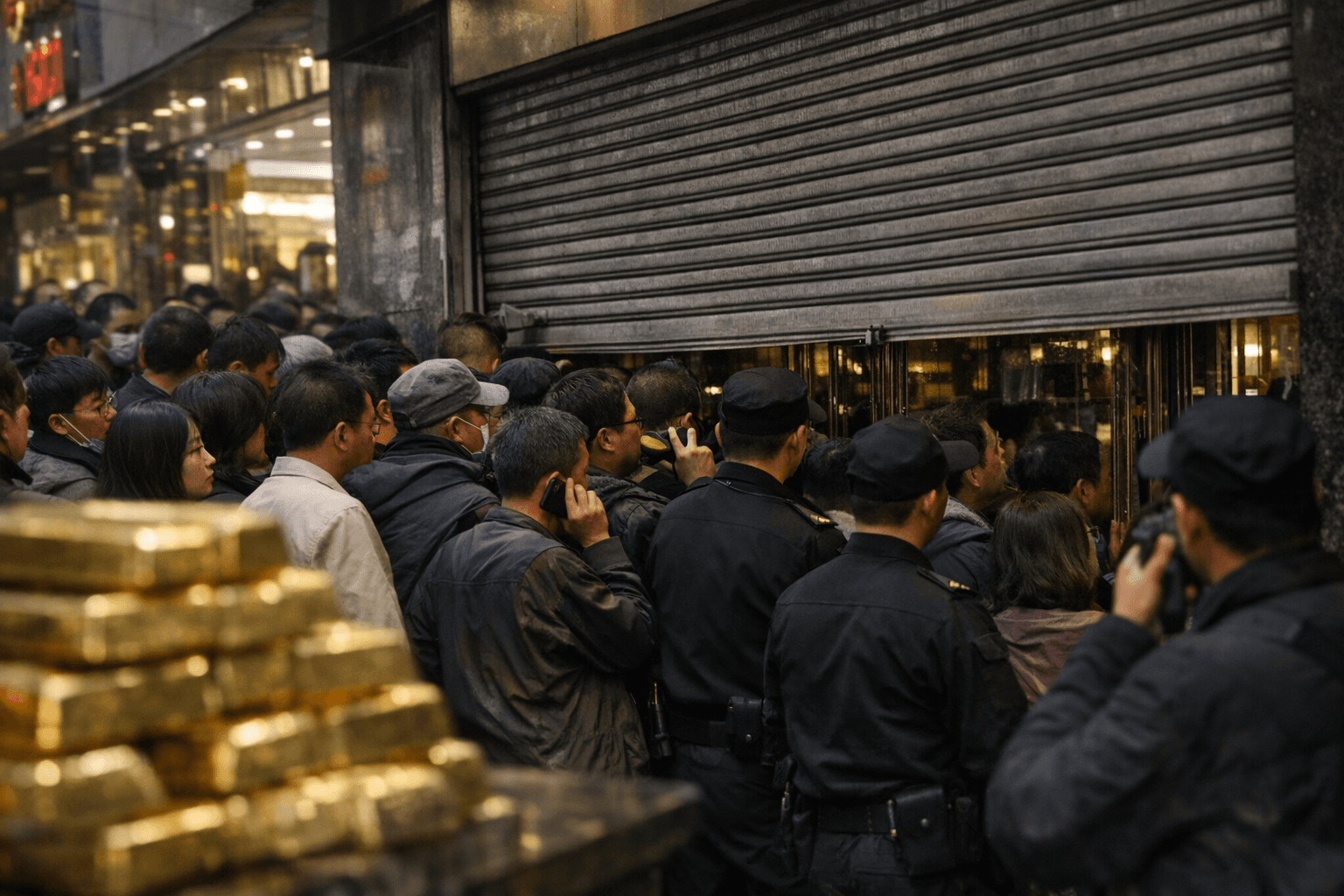
Regulators moved in mid-February. A notice reported from the Shenzhen Local Financial Regulatory Bureau on Feb. 20 ordered firms to halt unauthorised gold trading practices, explicitly banning pre-fixed pricing, leveraged trading and deferred settlements and prohibiting gold trading through WeChat groups, apps and websites under the guise of recycling or material sales. Shenzhen Market Supervision Administration and the Cyberspace Administration are conducting inspections of Shuibei platforms for illegal financial activities.
Market reverberations reached banking corridors: an original report recorded a warning from China Zheshang Bank about halting trading amid a liquidity crisis, and the same report cited a shadow-market price where “dark market gold hits $6,000/oz.” Analysts in that reporting linked the stress to broader pressures including global credit strains and Middle East tensions.
Local authorities say they are supervising remedial steps. A Luohu District task force told Shenzhen News, as reported by Global Times, that Jieworui “has initiated the redemption process” and is “disposing of assets and raising funds” under supervision. Investigations by regulatory agencies and the results of supervised redemptions will determine whether the tens of thousands estimated to be affected recover funds and how large alleged defaults ultimately are.
This article was produced by Prism’s automated news system from verified source data, official records, and press releases, then run through automated quality and moderation checks before publishing. The system is built and supervised by the people who set the standards it runs under. Read our full AI policy.
Did this article answer your question?