Surging Gold and Silver Prices Force Jewelers to Adapt Fast
Gold nearly doubled to $5,586 an ounce in months; silver surged 60% in January alone. Jewelers are pivoting to wood, steel, and bolder designs to survive.

The jagged graph of gold prices over the past two months resembled, as one observer put it, the electrocardiogram of a patient in extreme distress. For the fine jewelry industry, that metaphor carried real weight.
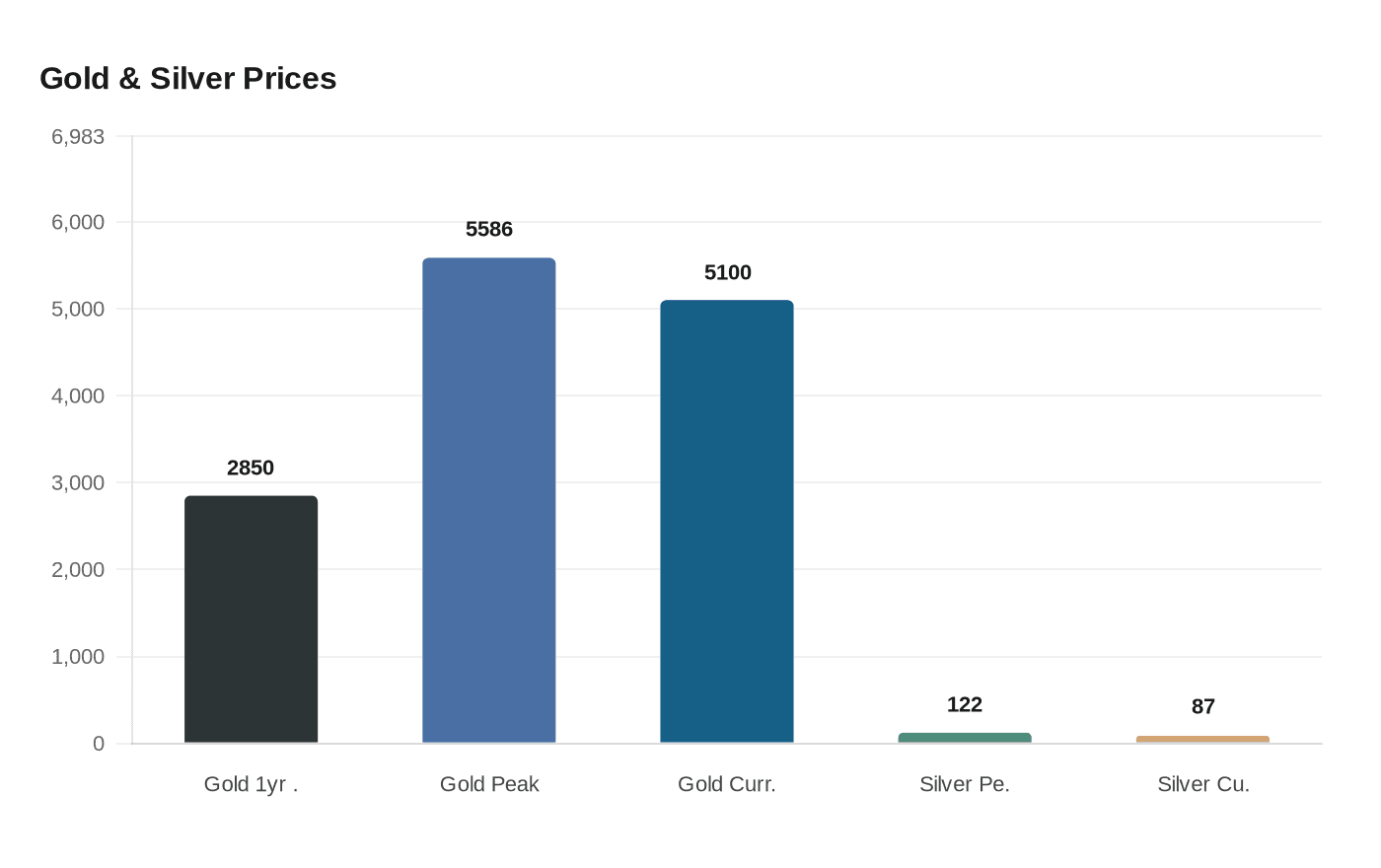
Gold, which traded around $2,850 per ounce a year ago, peaked at $5,586 in late January before falling below $5,000 in early February and settling near $5,100 at the time of reporting. Silver moved with equal violence: prices surged 60 percent in January alone, following a year of sustained gains, and peaked at $122 per ounce before retreating to $87. Both metals then climbed again later in the month, leaving jewelers, manufacturers, and retailers to navigate a market that offered little in the way of footing.
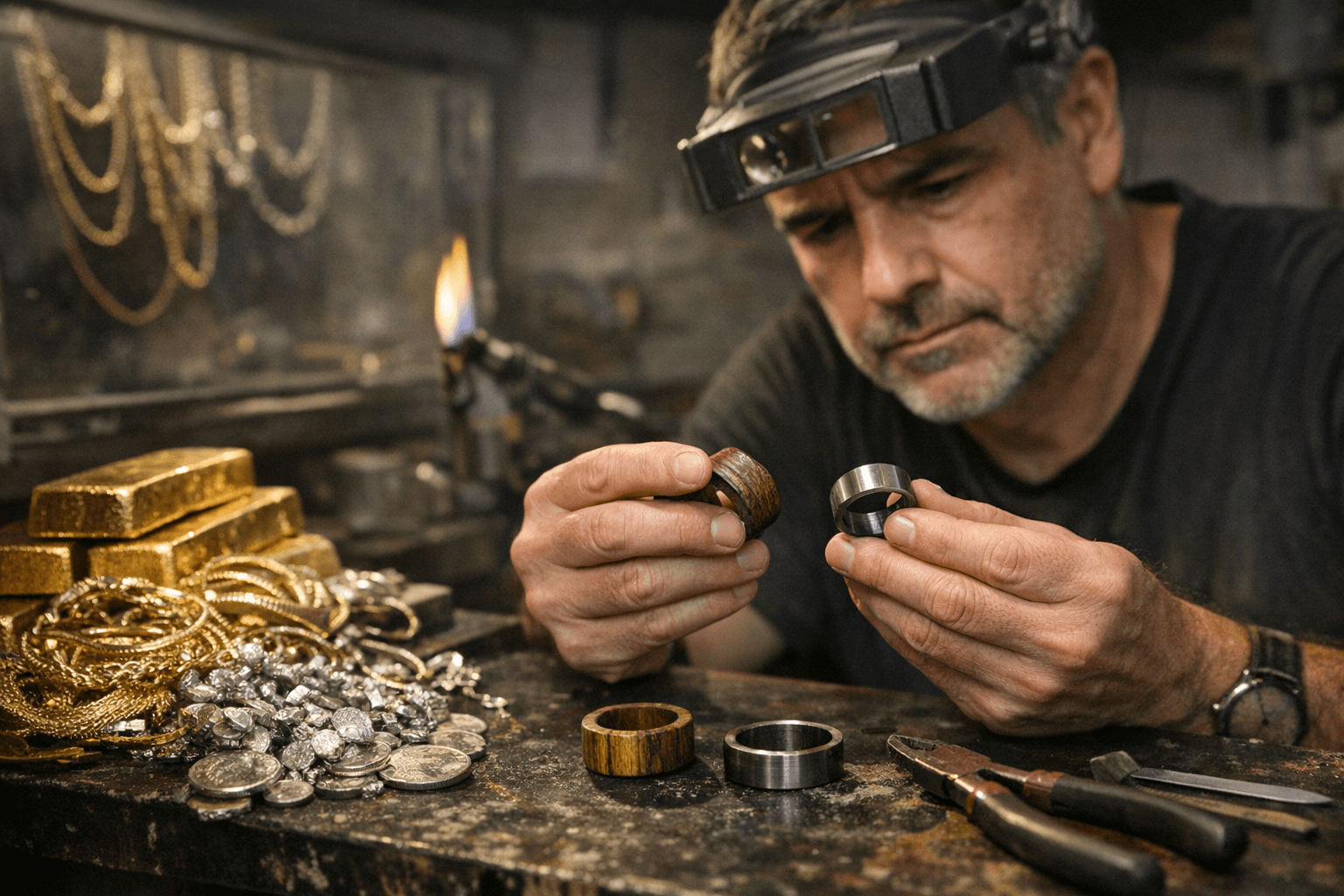
The creative responses have been telling. Some jewelers pivoted to alternative materials entirely, turning to wood, steel, and even platinum as gold's price made traditional yellow-metal work prohibitively uncertain. Others chose a different kind of defiance, leaning into the volatility with bigger and bolder designs, apparently reasoning that if gold commands a premium, it may as well announce itself.
Charlie Betts, co-founder and managing director of Single Mine Origin, a Birmingham, England-based company that sells traceable gold, put the moment in historical relief. "We've seen sharp moves before, most recently in 2008-09, 2011 and during Covid," he wrote in an email. "But the combination of speed and the broader sense of uncertainty around currencies, rates and geopolitics makes this time feel slightly different."
That distinction matters. Prior spikes tended to follow more legible crises with clearer arcs of resolution. The current environment, shaped by interlocking pressures across currencies, interest rates, and geopolitical instability, offers no such narrative clarity, which is precisely what has produced the confusion Betts and others in the trade are describing.
Diamond prices added another layer of complexity to the picture. Both the natural and lab-grown sectors were described as being in flux, each searching for its own equilibrium as the broader precious-materials market churned beneath them.
The industry has weathered bullion swings before, but the speed of this particular cycle compressed what might once have been months of adjustment into weeks. For jewelers whose pricing, sourcing, and design timelines depend on a degree of material predictability, that compression has forced decisions that would ordinarily unfold at a far more deliberate pace. The question now is whether current price levels represent a new floor or simply the latest plateau in a cycle that has not yet found its ceiling.
This article was produced by Prism’s automated news system from verified source data, official records, and press releases, then run through automated quality and moderation checks before publishing. The system is built and supervised by the people who set the standards it runs under. Read our full AI policy.
Did this article answer your question?