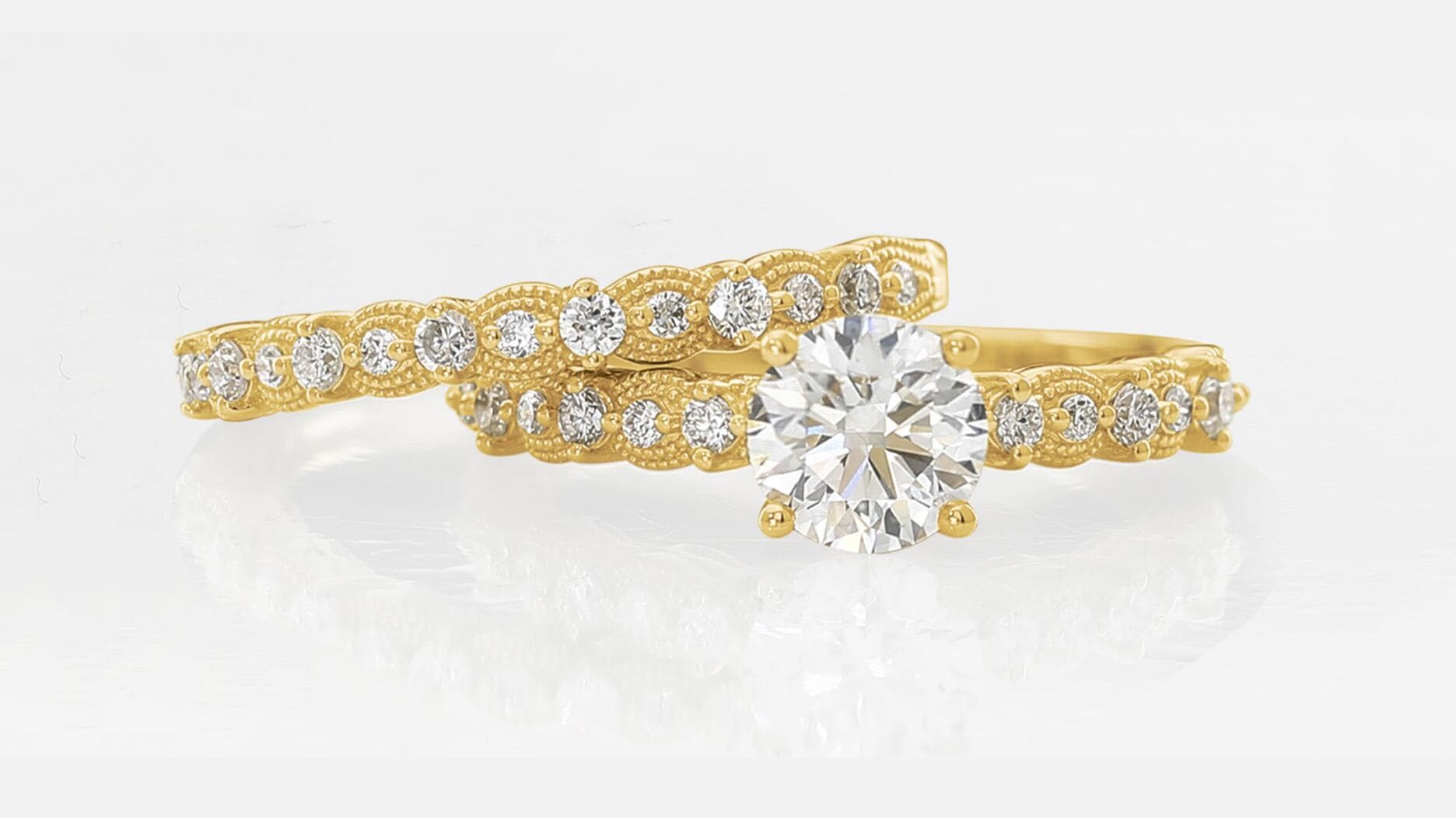
Tactile Gold Jewelry Turns Rings and Necklaces Into Fidgetable Sculpture
Tactile gold is at its best when sculpture meets sanity, rewarding touch without snagging, weighing enough to feel luxurious, and earning its price in daily wear.
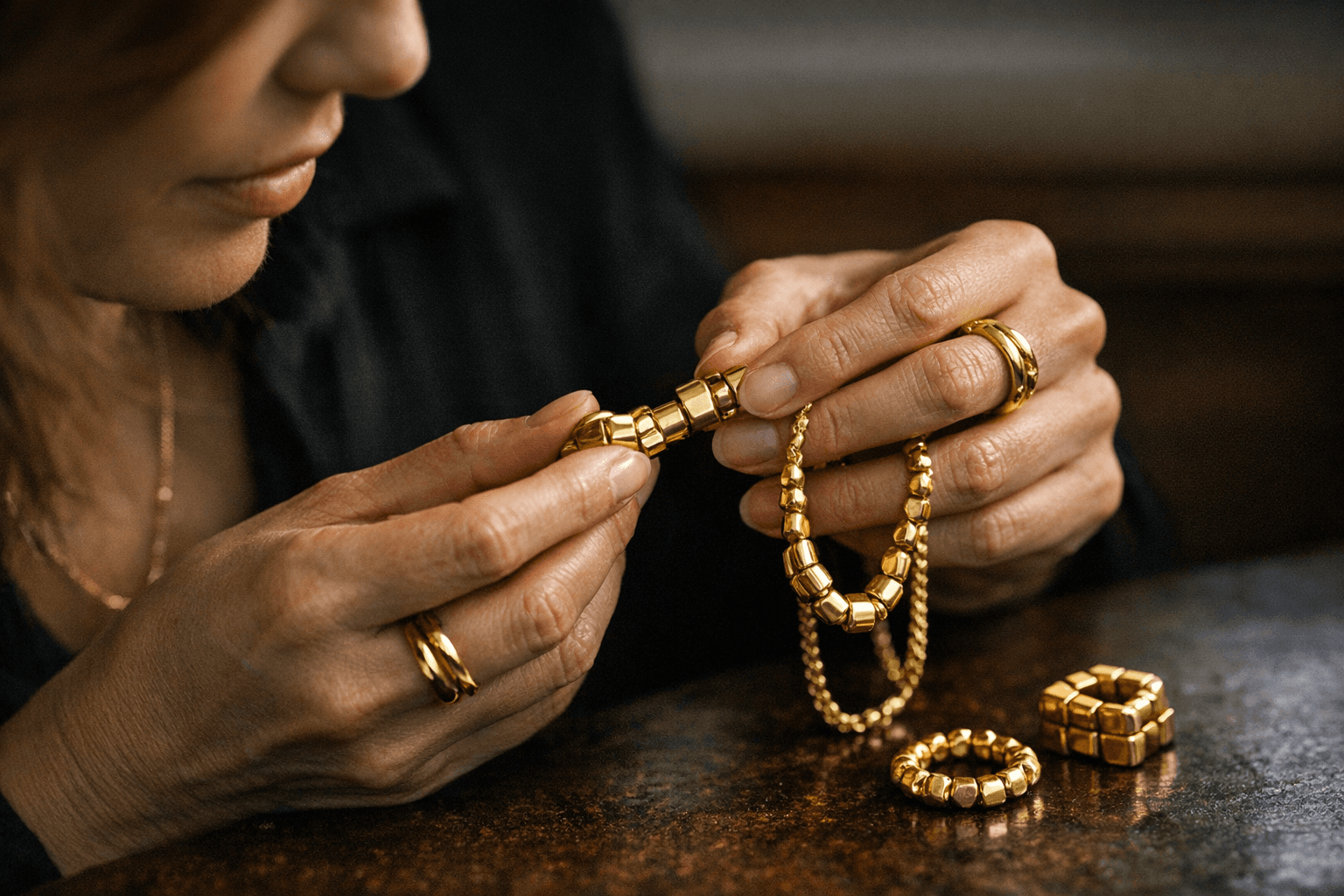
The new test for gold is whether it invites touch without becoming a nuisance
The most compelling gold jewelry right now does more than sit prettily on the body. The best pieces do “double duty,” in JCK’s language: they look compelling and feel even better to wear, with texture, dimension, and movement giving the metal a pulse rather than hiding its construction.
That is the standard worth using before any purchase. A ring that begs to be spun, a pendant that shifts with the collarbone, or a signet with relief deep enough to catch the light can feel far more luxurious than a flat surface ever will, but only if the design is comfortable, durable, and worth the upkeep.
Why tactile gold is resonating now
This appetite for sculptural gold is arriving at a very particular moment. The World Gold Council said global gold-jewelry consumption fell 11 percent to 1,877 tonnes in 2024, yet spending on gold jewelry still rose 9 percent to US$144 billion, while the LBMA PM gold price hit 40 new record highs that same year. In other words, fewer ounces moved, but more money chased them, which helps explain why substantial, visibly crafted gold has such pull.
Randi Molofsky, JCK’s trend forecaster, said she has been seeing jewelry that is “just gold,” very sculptural and oversized. That wording captures the mood well. Spring 2025 already pointed toward bolder, tactile designs, and the spring 2026 conversation sharpened into chunky, textural pieces that make the metal itself the statement rather than the setting for a stone.
What makes a tactile piece feel luxurious rather than busy
Texture is only part of the story. Relief, movement, and proportion matter just as much, because the most successful pieces let you feel the design through wear, not just see it across a display case. JCK has also noted that kinetic jewelry can work as both adornment and fidget object, which is more than a cute idea; it is a daily-life advantage for anyone who likes jewelry to engage the hand as well as the eye.
The difference between elegant tactility and a gimmick often comes down to restraint. Raised surfaces should have purpose, not just decoration for its own sake. If grooves, ridges, or articulated links are too busy, they can trap soap, hand cream, and lint, and if the movement is too loose, the piece can start to feel insubstantial instead of sensuous.
How the category looks across gold colors and karats
The current edit spans 18k yellow-gold pendants, 14k yellow-gold snake rings, 9k gold signets, and white-gold pieces, and that range is useful because it shows how tactile jewelry can be tested at different price points and intensities. An 18k yellow-gold pendant usually delivers the richest color and the most immediate sense of luxury, especially when the surface is sculpted enough to catch the light from every angle.
A 14k yellow-gold snake ring is often the smartest place to start if you want movement or scale without making your first tactile piece a major commitment. Snake motifs already lend themselves to curvature and motion, so the form can feel alive on the finger without demanding the full expense of 18k. A 9k gold signet, by contrast, can be the most pragmatic way to explore relief and heft, especially if you want a piece that looks architectural rather than flashy.
White-gold pieces shift the emphasis again. They often make texture read more starkly, almost like a study in light and shadow, which is useful if you want sculpture first and warmth second. The tradeoff is that white gold can require more maintenance to keep its finish looking crisp, so it is worth deciding whether you want the cooler tone badly enough to live with that upkeep.
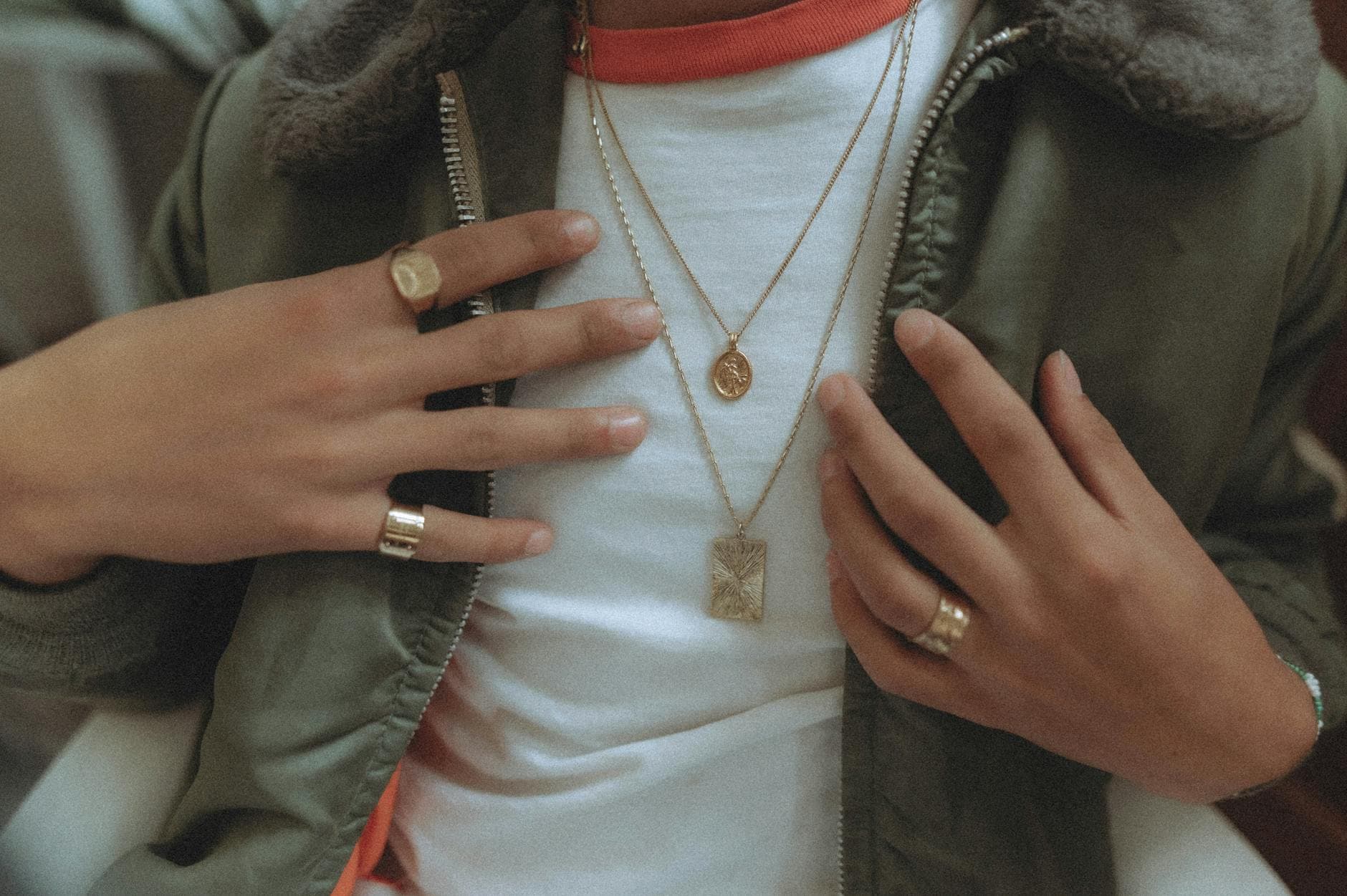
The daily-wear test: what earns its keep and what does not
The most valuable tactile jewelry passes three tests at once: it feels good in motion, it stays comfortable against the skin, and it does not ask for coddling after every wear. Rings especially need to clear this bar, because they take the most abuse from keyboards, door handles, and constant handwashing.
Before buying, pay attention to these details:
- Edges should be rounded, not sharp, so texture reads as luxurious rather than abrasive.
- Moving parts should glide cleanly without rattling, pinching, or catching on knitwear.
- Deep relief should be deliberate, because highly recessed surfaces are more likely to collect residue.
- Openwork and articulated links should feel solid in the hand, not fragile.
- Clasps and joints should disappear into the design rather than announce themselves as weak points.
This is where lower-stakes materials can be useful. If a design has multiple moving segments, a highly polished surface, or complex relief, trying the silhouette first in 14k or 9k can be a smarter decision than committing immediately to 18k. Once the shape proves comfortable and satisfying to wear, the richer alloy starts to make more sense.
Value for money is not just about gold weight
Tactile jewelry can look expensive for reasons that go beyond sheer metal content. A piece earns its price when the construction is thoughtful, the proportions are balanced, and the tactile effect feels intentional rather than decorative. That is why a well-made signet or pendant with a sculpted surface can justify itself even when it is not the heaviest object in the tray.
At the same time, buyers should be wary of anything that mistakes busyness for craftsmanship. Relief that is too shallow reads flat, while relief that is too aggressive can wear awkwardly. The sweet spot is a piece that creates a sense of depth and movement without sacrificing daily comfort, because jewelry that stays on the hand or at the throat is always the better investment than jewelry that lives in a box.
Why this feels like more than a passing mood
The broader shift toward sculptural gold reflects a larger appetite for objects that feel made, not merely produced. In spring 2026, that meant jewelry that was “just gold,” oversized enough to command attention and textural enough to reward a second glance. The strongest examples turn the oldest precious metal into something almost architectural, proof that gold still feels modern when it is shaped to be touched.
That is the real appeal of tactile gold: it gives the hand something to do, the eye something to follow, and the buyer a way to measure luxury by wear rather than by display. The pieces worth keeping are the ones that feel as good on a rushed weekday as they do under evening light, and that is where sculpture becomes substance.
This article was produced by Prism’s automated news system from verified source data, official records, and press releases, then run through automated quality and moderation checks before publishing. The system is built and supervised by the people who set the standards it runs under. Read our full AI policy.
Did this article answer your question?