Thane Police Arrest Gold Fraud Suspect, Recover 1.9 kg in Rajasthan Raid
A ₹2.3-crore gold recovery in Rajasthan and the arrest of Jeevaram Vani Chaudhary expose how advance-payment fraud is quietly bleeding India's jewellers.

When Thane Crime Branch Unit-1 crossed state lines into Rajasthan, they were tracing more than one man's flight. They were exposing the anatomy of a fraud that has quietly preyed on India's gold trade: the advance-payment con, in which a supplier collects upfront funds, promises high-quality gold, and simply vanishes.
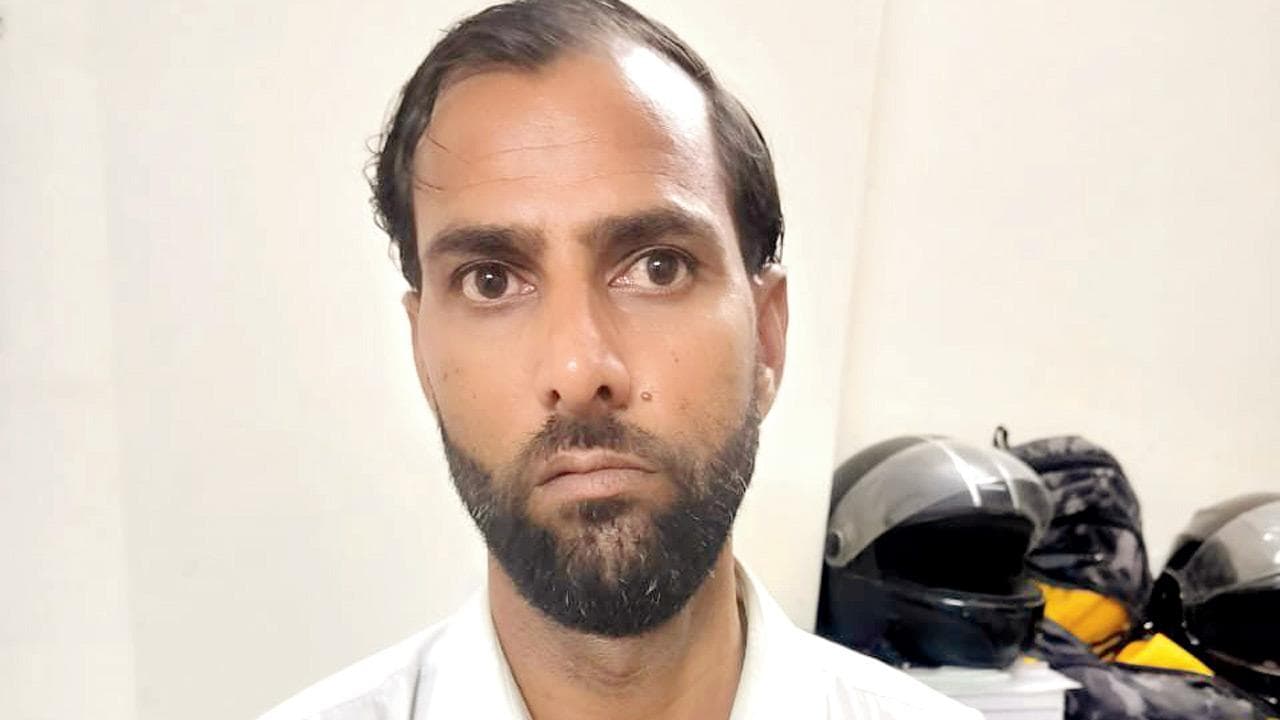
Jeevaram Vani Chaudhary, 46, was arrested after a multi-state investigation tied him to precisely that scheme. Jewellers who paid in advance for gold consignments from Chaudhary received nothing. When investigators finally located him in Rajasthan, they seized gold bars weighing over 1.9 kg, valued at approximately ₹2.3 crore, along with roughly ₹17.5 lakh in cash. Cases have been registered under the Bharatiya Nyaya Sanhita, the criminal code that replaced the Indian Penal Code in July 2024, and the investigation is continuing.
The coordinated travel and multi-jurisdiction effort required to make the arrest underscores something the trade rarely discusses openly: fraud of this type depends on geographic distance. An agent operating across state lines is harder to verify, harder to follow, and harder to prosecute. Chaudhary's alleged operation fit that profile precisely.
For jewellers and for everyday buyers of gold bars or chains, the vulnerabilities exposed in this case read like a checklist worth keeping. Pressure to pay in full before any gold is inspected or delivered is the clearest signal of exposure. So is pricing that undercuts established market rates by enough to feel like opportunity rather than risk. When a supplier cannot produce verifiable invoices, BIS hallmarking documentation, or a traceable business address, no discount justifies the gap between payment and delivery.

Safer transactional structures exist and are underused. Escrow arrangements, in which payment is held by a neutral third party until physical delivery and inspection are confirmed, remove the asymmetry that makes advance-payment fraud viable. Cash-on-delivery with in-person inspection, standard practice in reputable wholesale markets, eliminates that gap entirely. For retail buyers purchasing gold bars, hallmarking verification through the BIS CARE app takes seconds and confirms purity independently of whatever a seller claims.
The ₹2.3 crore recovered in Rajasthan represents physical gold, which is both a measure of what was allegedly extracted and a rare piece of luck: most advance-payment fraud recoveries yield far less. Locating and seizing hard assets across state lines required the kind of coordinated effort that doesn't always materialize, and for victims who never recover their advance payments, this outcome is a cautionary benchmark rather than a reliable precedent.
The Thane Crime Branch investigation remains open, and whether others were implicated in the alleged scheme has not been disclosed. What the case confirms, in the most concrete terms available, is that the gold trade's reliance on trust-based advance payments carries serious financial exposure. By the time police cross state lines to make an arrest, someone has already paid dearly for that trust.
Know something we missed? Have a correction or additional information?
Submit a Tip