2026 jewelry trends favor sculptural cuffs and layered ring stacks
The 2026 jewelry pivot is toward intentional layering: sculptural cuffs, curated ring stacks, and bezel settings make stacks look polished, not chaotic.
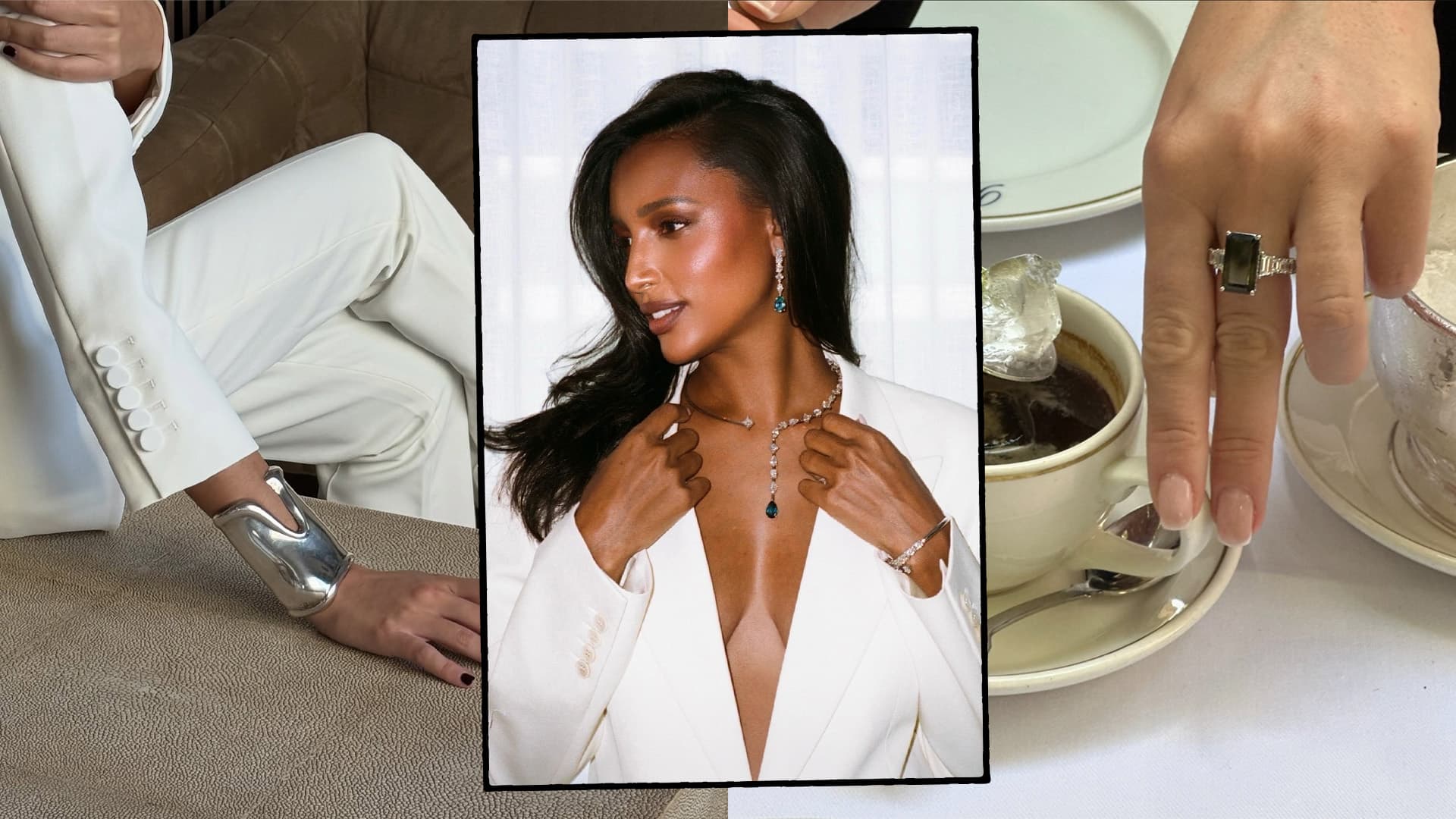
Jewelry is swinging back toward shape, texture, and deliberate stacking. The strongest looks no longer read as random accumulation; they read as composition, with rings, cuffs, watches, and stone settings working together in a tighter visual language.
The new layering formula is more sculptural than maximal
Who What Wear’s 2026 trend map puts six signals at the center of the year: sculptural cuffs, fancy-and-fine, curated ring stacks, tasseled details, bezel everything, and cocktail watches. The important shift is that only some of those actually change how jewelry gets layered. Curated ring stacks, bezel settings, sculptural cuffs, and cocktail watches are the pieces that reshape the silhouette; tasseled details and fancy-and-fine add texture and contrast, but they are supporting players rather than the architecture of the look.
That distinction matters because the mood has moved away from quiet luxury restraint and toward jewelry that is more visible, more personal, and more playful. Thick bands, sculptural silhouettes, and exaggerated shapes are back in circulation, but they are being worn with more intention than the all-over maximalism of earlier stacking eras. The result is not louder for the sake of being louder. It is sharper, with each piece earning its place.
Curated ring stacks are the clearest sign of the shift
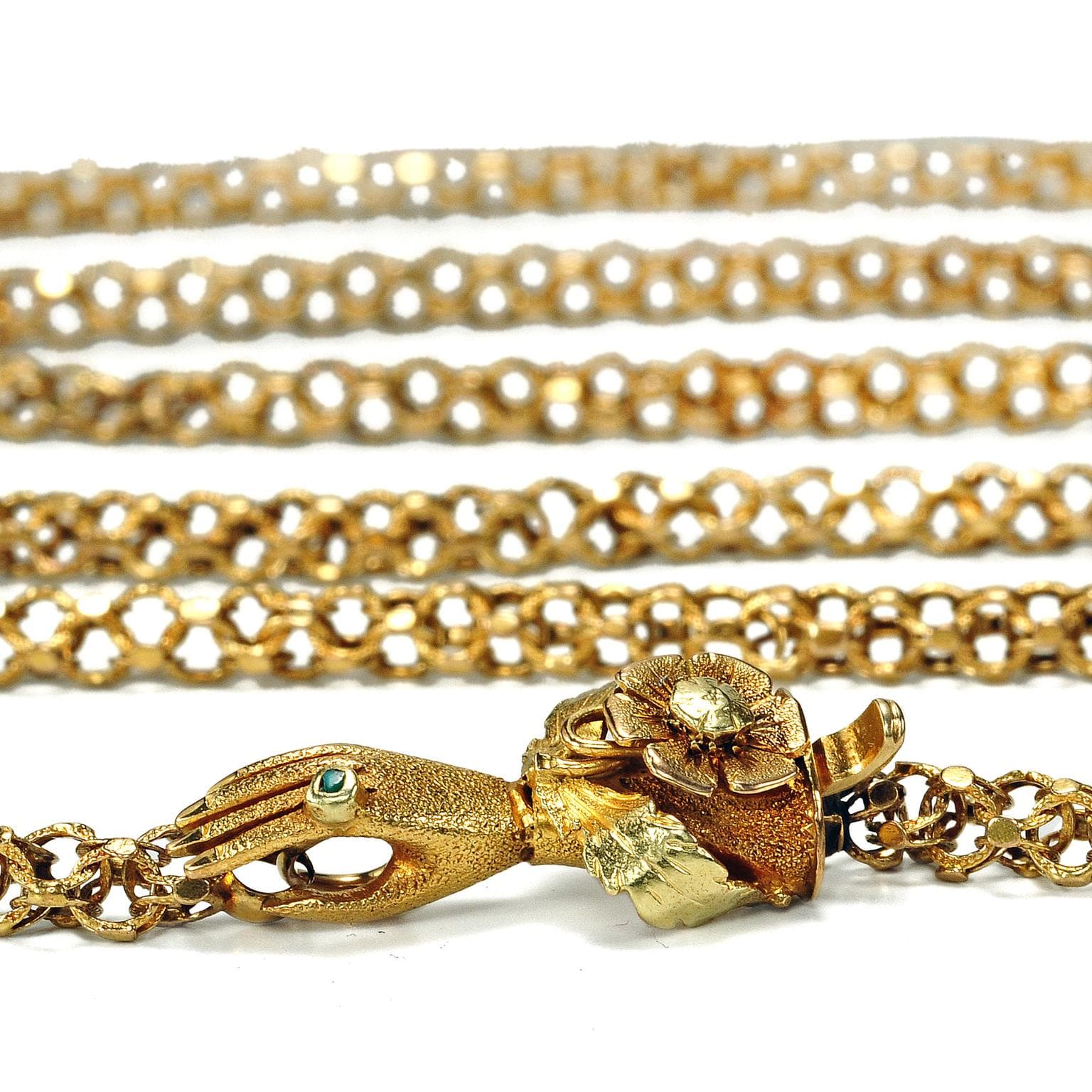
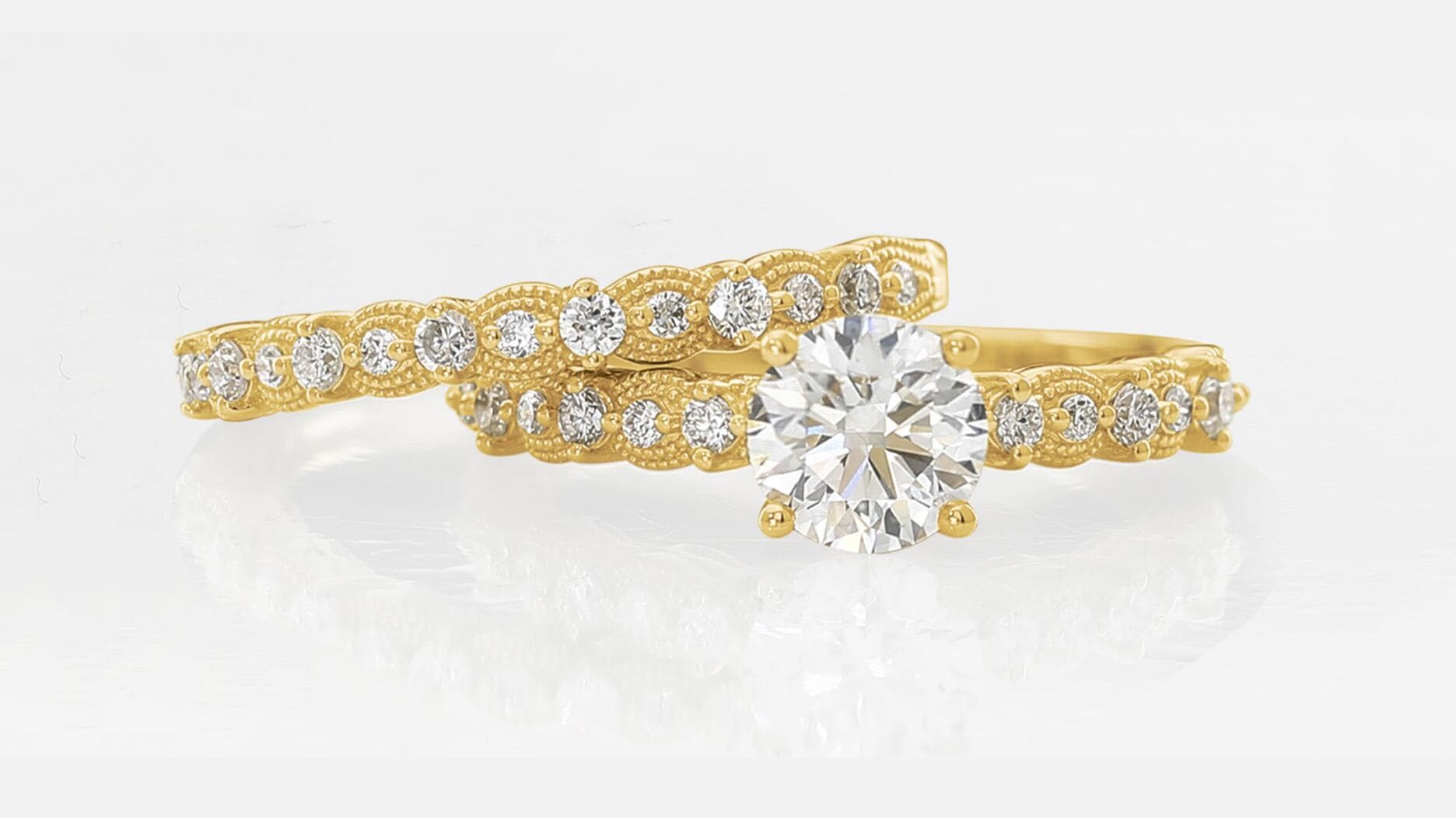
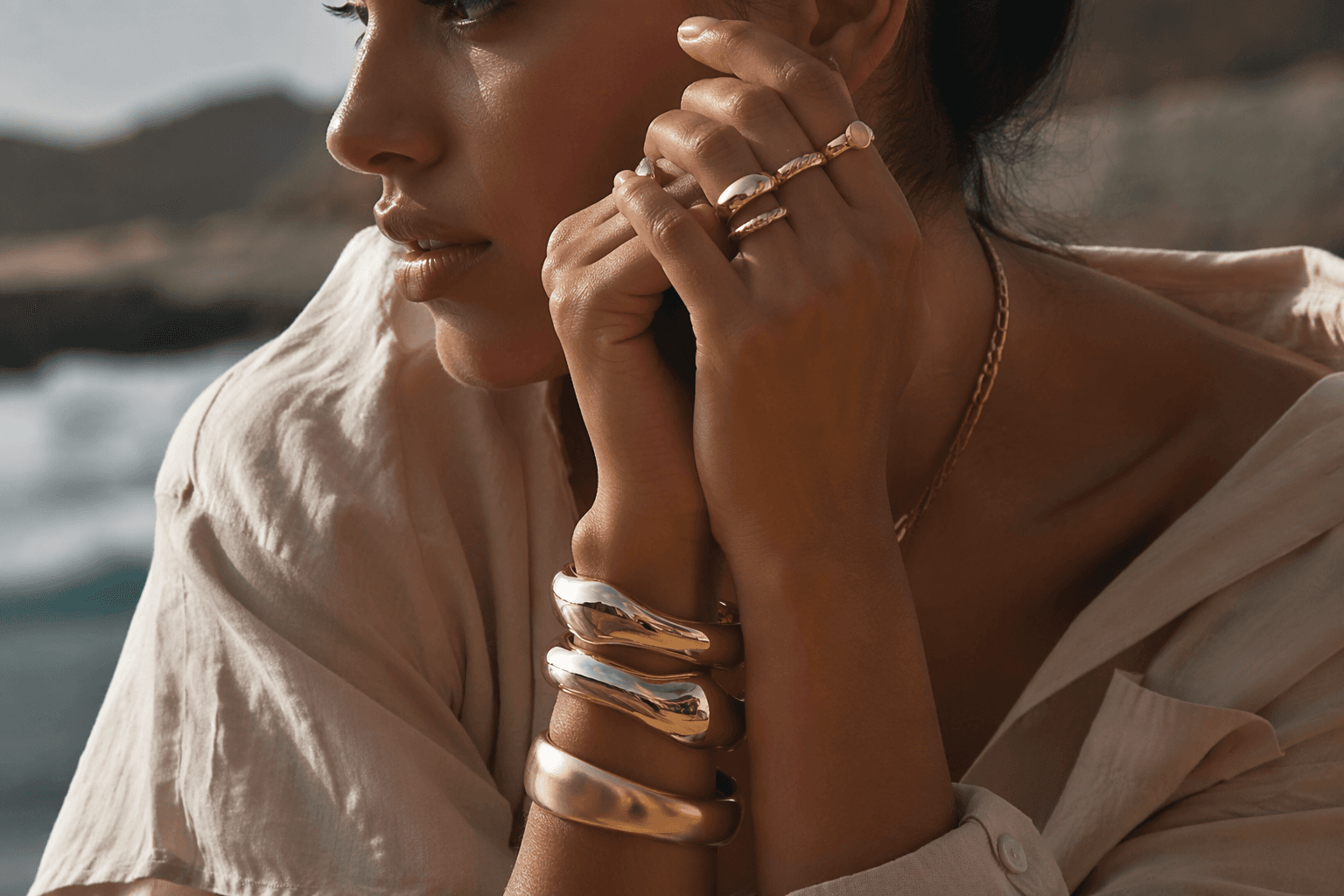
Ring stacking remains the clearest expression of the trend. WWD described it as one of the most prominent jewelry movements of the prior year, and the comparison to the 2010s “arm party” is telling: the idea is no longer one standout piece, but a thoughtful mix of forms and finishes. Curved bands, chunky dome rings, and bezel settings are all part of the new vocabulary, because they create a stack that feels designed rather than improvised.
The celebrity signal has been strong enough to move search behavior. Dua Lipa’s chunky ring helped spark spikes in Google searches for cigar bands and chunky ring settings, while Miley Cyrus later wore a thick yellow-gold band with an east-west cushion-cut diamond in a semi-bezel setting. That combination says a lot about where ring styling is headed: the band itself matters as much as the stone, and the setting is becoming part of the aesthetic rather than a hidden technical detail.
Jillian Sassone of Marrow Fine Jewelry captured the deeper change in how people buy. Rings are no longer being treated as a one-time bridal decision; more clients are building a stack over time so the wedding ring, engagement ring, and everyday bands feel cohesive and personal. That is why the most modern ring stack in 2026 looks less like a finished set and more like an evolving collection.
The wrist is becoming a focal point again
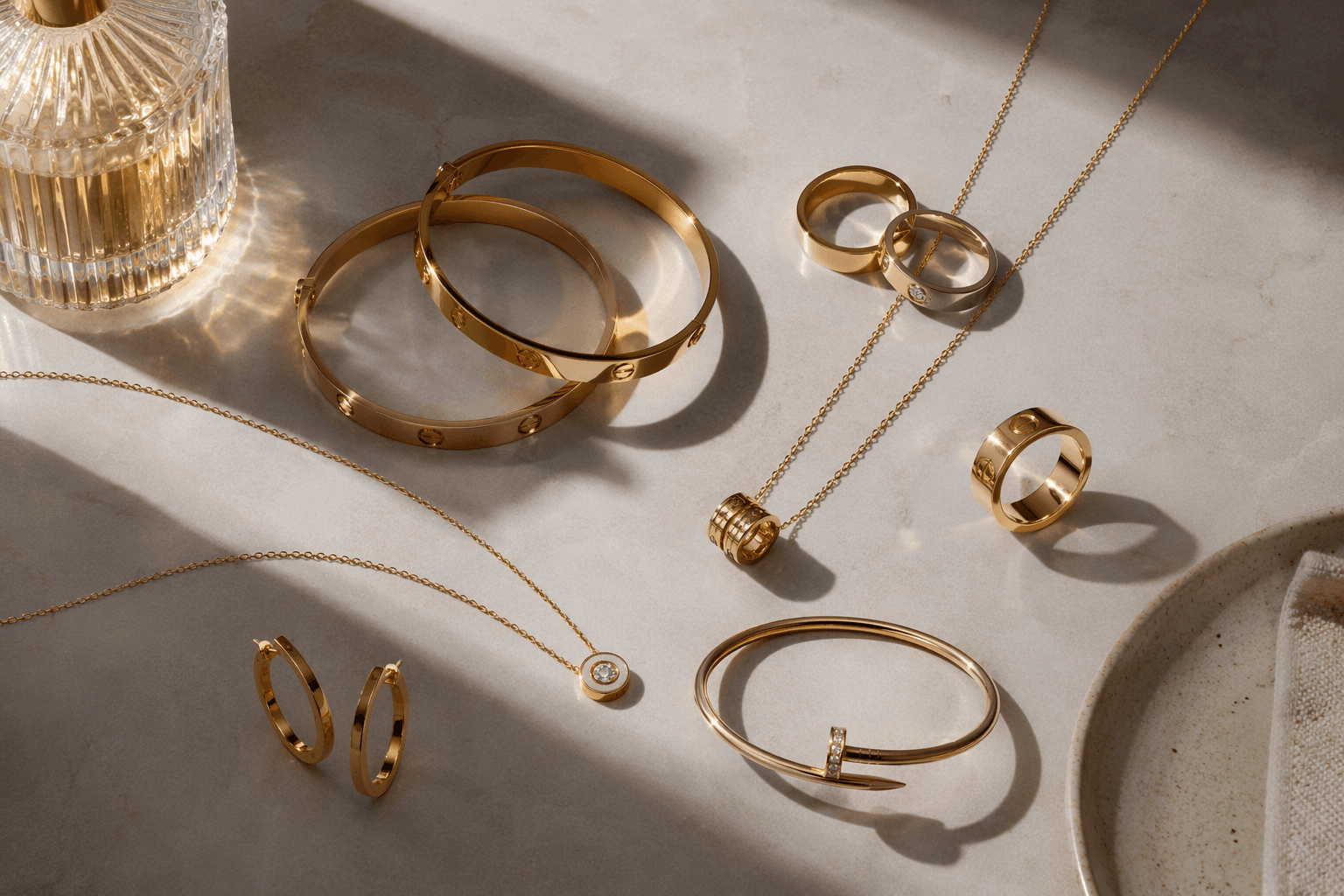
If rings are the center of gravity, sculptural cuffs and cocktail watches are the pieces that give the wrist a more architectural feel. A cuff changes a stack immediately because it creates a solid visual anchor, especially when it is paired with thinner bracelets or left to stand alone as a single statement. Cocktail watches do something similar, but with a polished, more collected energy. They bring back the sense that a watch can function as jewelry first and timekeeper second.
This is where the old necklace-and-bracelet stacking formula gets a more fashion-forward update. Instead of layering only for abundance, the strongest wrist looks now rely on contrast: a bold cuff against a sleeker watch, a geometric link beside a smoother bangle, a substantial metal form balanced by negative space. The effect is more deliberate than a pile of bangles, and far more editorial than a simple armful of shine.
Tasseled details fit into this picture as motion rather than structure. They add a flicker of movement, which can soften heavier shapes and make a stack feel less rigid. But the real transformation comes from the heavier, more sculptural pieces that define the wrist line before anything decorative is added on top.
Fancy-and-fine and bezel settings make the stack feel wearable
The other important move is the blending of elevated and everyday pieces. Fancy-and-fine is the bridge between collectible jewelry and the pieces worn repeatedly, and that is where diamond styling has shifted most clearly. Diamonds are being worn daily, stacked casually, and recut or reimagined, while colored stones such as sapphire, emerald, ruby, and tourmaline are being used as playful accents rather than reserved for formal occasions.
Bezel settings reinforce that change. A bezel frames the stone cleanly and gives the piece a graphic outline, which makes it especially effective in a stack. It also makes diamonds and colored stones feel easier to wear every day, whether the stone is set low and close to the hand or given a more noticeable silhouette. In practical terms, bezel everything is the anti-fuss setting for a jewelry moment that still wants polish.
Gold prices are reshaping what people stack
The material story behind all of this is just as important as the styling story. Higher gold prices have pushed many jewelry companies to rethink what they make and how they price it, while broader market forecasts point to continued pressure on precious metals. That helps explain why stacking has become such a fertile category: smaller, layerable pieces are easier to buy into, easier to mix, and easier to build over time.
Ruth Aymer Marten put it plainly when she pointed to the “unfathomable rise in gold prices” and the desire for authentic expression as major forces behind the current direction. The market is splitting in two. On one side are accessible pieces in silver, 14k gold, 10k gold, and non-gold alternatives that invite experimentation. On the other are high-jewelry pieces that lean harder into craftsmanship, rarity, and collectible value. That split is not a contradiction; it is the reason layering now feels so democratic and so luxurious at the same time.
Paris confirms the direction
Runway coverage from Paris makes the trend feel less like a social-media moment and more like a lasting fashion shift. Spring collections in the City of Light emphasized self-expression, chunky volumes, color, and modern pearl interpretations, all of which support a more sculptural way of layering. Fall presentations kept that energy alive, filling showrooms with bold volumes, playful ideas, and gems large enough to compete with the metal around them, even as gold prices stayed high.
That is the clearest sign of where 2026 jewelry is headed. The year’s best stacks will not be the busiest ones. They will be the ones that look assembled with an eye for shape, proportion, and contrast, where a cuff, a ring stack, a bezel-set stone, or a cocktail watch does the work of making the whole look feel complete.
This article was produced by Prism’s automated news system from verified source data, official records, and press releases, then run through automated quality and moderation checks before publishing. The system is built and supervised by the people who set the standards it runs under. Read our full AI policy.
Did this article answer your question?