Antique-inspired rings grow bolder as bridal stacks get personal
Bridal rings are getting bigger, bolder and easier to stack, as antique cuts and heirloom settings move from niche romance into everyday layering.
The clearest pivot is scale
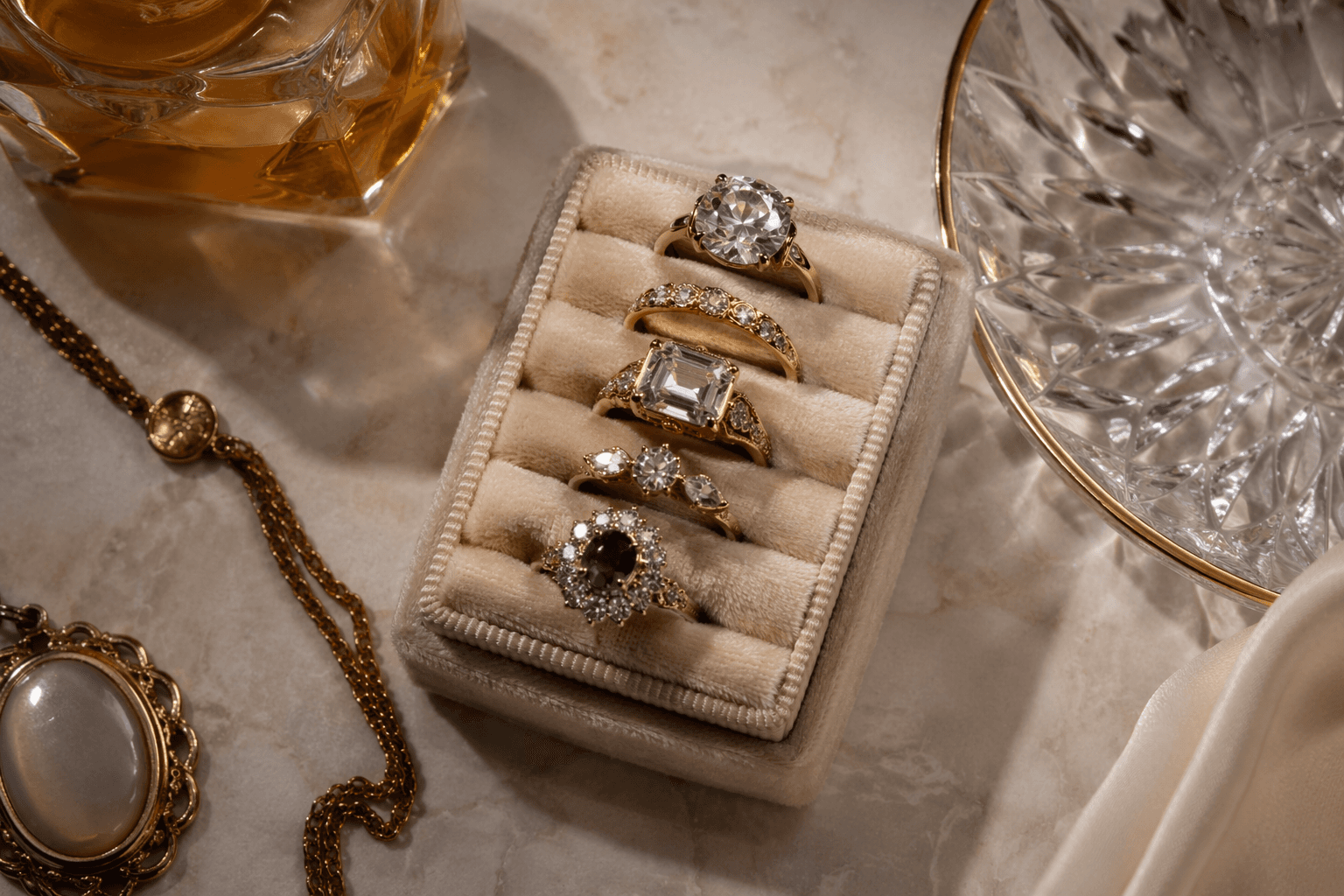
The antique-inspired ring revival is not returning as a shy nod to the past. It is arriving with larger center stones, chunkier proportions and settings that make the whole ring read more like a statement than a whisper. WWD has framed the shift as a move away from the dainty vintage look and toward a more modern kind of heirloom, one that is built to hold its own inside a ring stack.
That matters because the old rules of bridal jewelry were built around delicacy: one solitaire, one band, and not much else. The new version is more expressive. A ring with an old-mine cut, a cushion shape or a decorative mount now functions as the visual anchor for a wider stack, not just the sentimental centerpiece of an engagement.
Why the look suddenly feels everywhere
Taylor Swift’s engagement to Travis Kelce gave the antique-ring conversation a wider audience, and WWD says it renewed attention to old-mine diamond cuts and heirloom-style settings. The celebrity effect did not invent the trend, but it amplified what collectors and bridal specialists had already been seeing: a turn toward stones with visible personality and settings that look less factory-perfect and more storied.
That cultural shift dovetails with a broader 2025 bridal mood. Consumers are moving toward individuality, statement-making stones and stacked looks rather than the once-dominant minimalist solitaire. In practice, that means a ring no longer has to disappear into a band. It can lead the conversation, then invite other rings, metals and textures to join it.
The numbers show real momentum
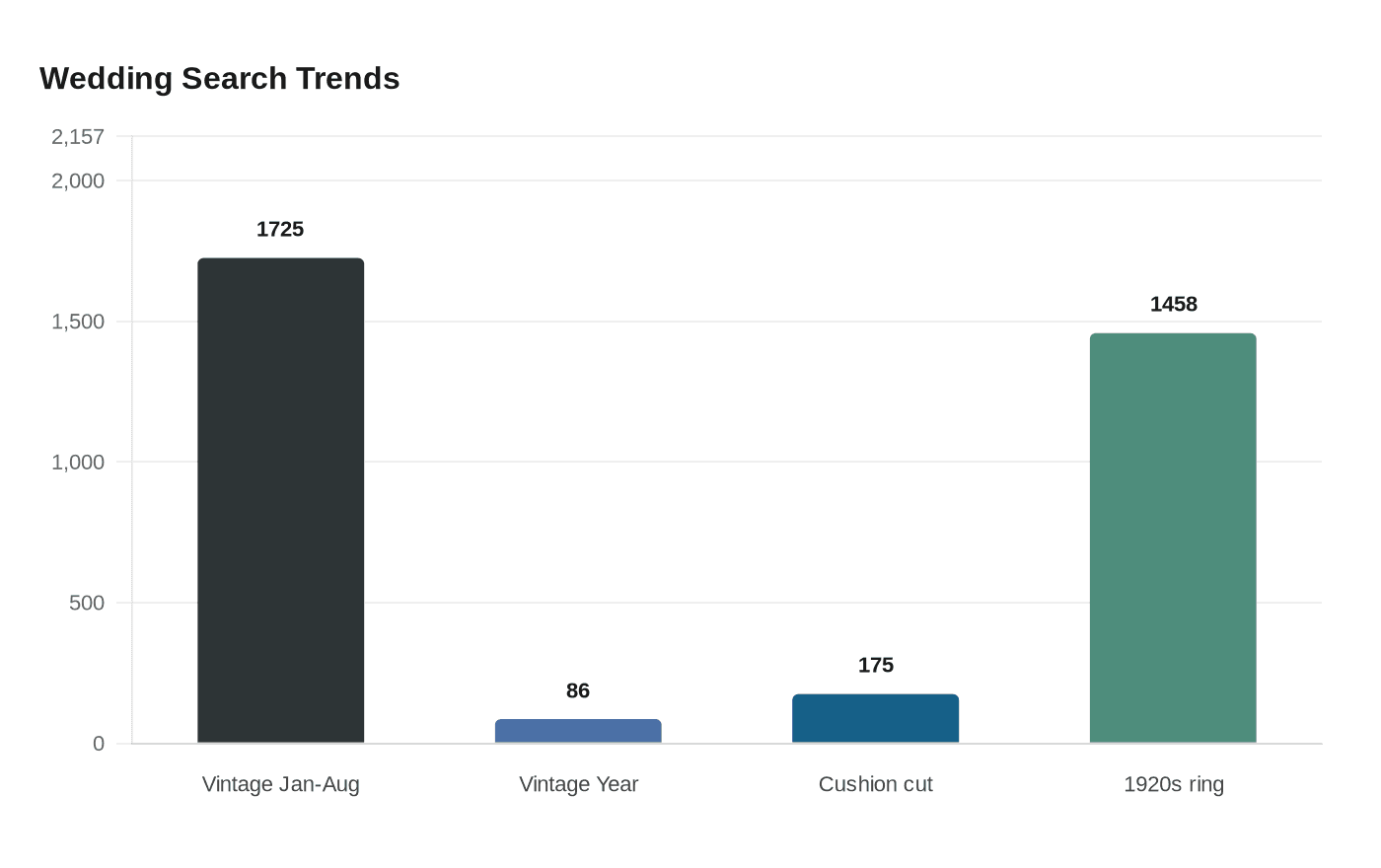
Pinterest’s Annual Wedding Trends Report, published on April 29, 2025, pointed to colorful engagement rings among the looks shaping weddings in 2025. Coverage of Pinterest data went further and showed how sharply nostalgia was gaining ground: searches for “vintage style engagement rings” rose 1,725% between January and August 2025, and were up 86% across the year. Searches for “vintage cushion cut engagement ring” climbed 175%, while “1920s engagement ring” rose 1,458%.
Those are not tiny fluctuations. They suggest that the appetite for antique references is not confined to designer mood boards or bridal salons. People are actively looking for the language of the past, but they want it translated into something current enough to wear every day.
Stacking is what makes the change visible
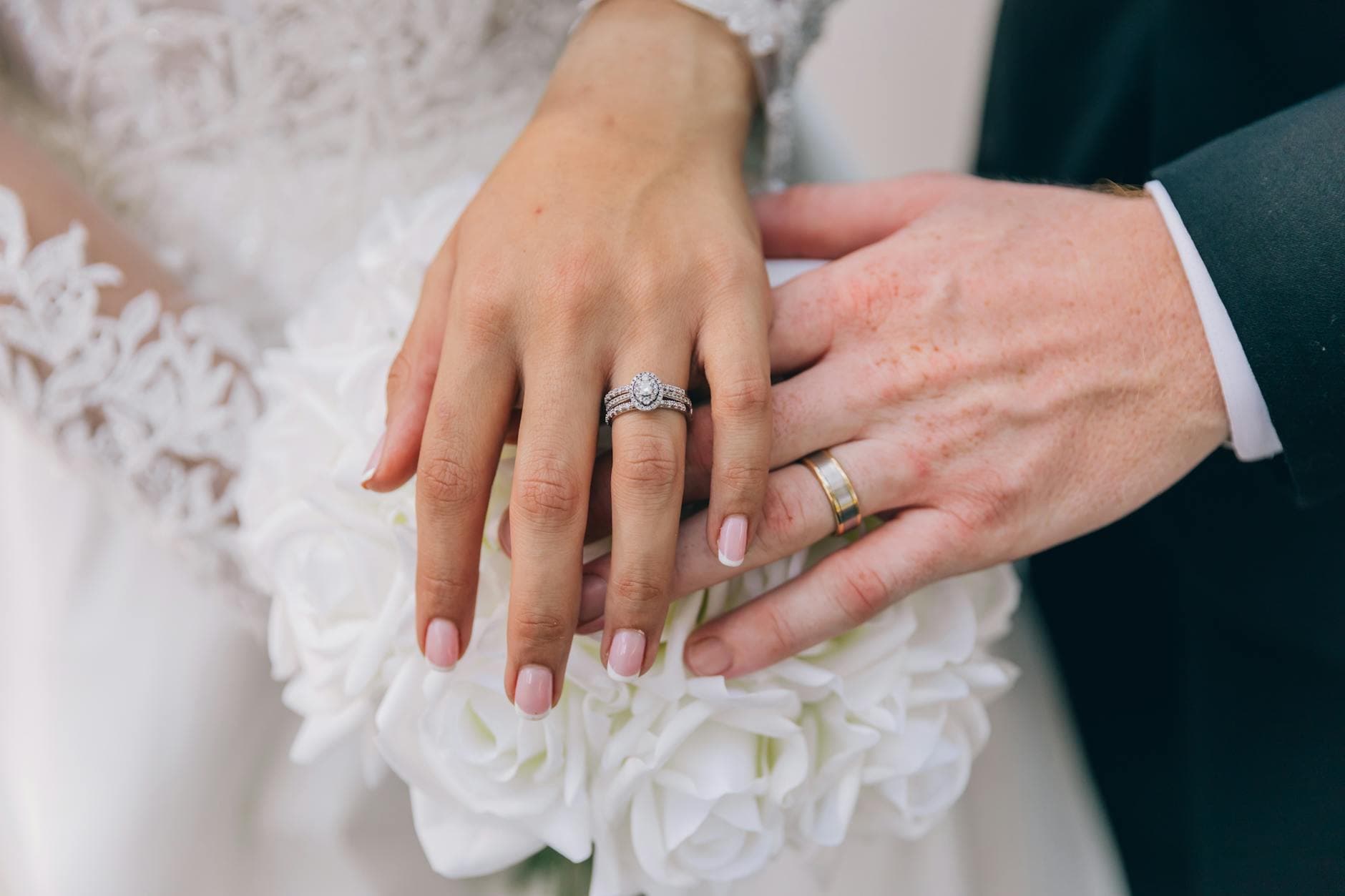
GIA’s guidance on ring stacking helps explain why this trend has such reach beyond the wedding aisle. GIA, the independent nonprofit founded in 1931, describes stacking as combining rings across one or more fingers, intentionally mixing metals and gemstones to create a personalized look. A stack can be as restrained as an engagement ring with a minimalist wedding band, or it can extend across both hands.
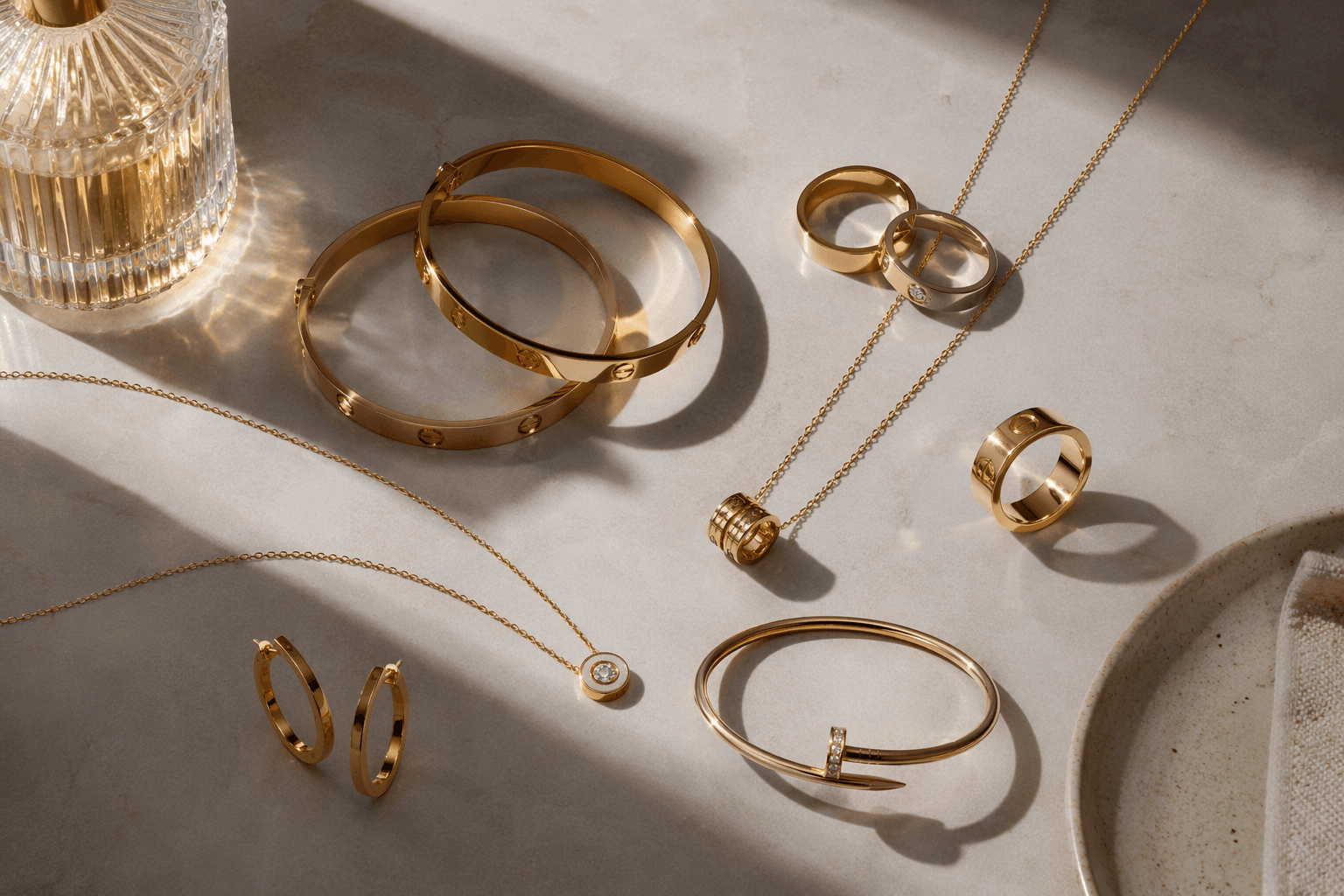
That flexibility is exactly why antique-inspired rings are resonating now. A bolder center stone gives the stack a focal point, while mixed metal bands, textured shanks and smaller accent rings let the look feel personal instead of prescribed. The best stacks are not symmetrical by accident; they feel assembled over time, which is part of the charm of old-world references in the first place.
What antique style looks like now
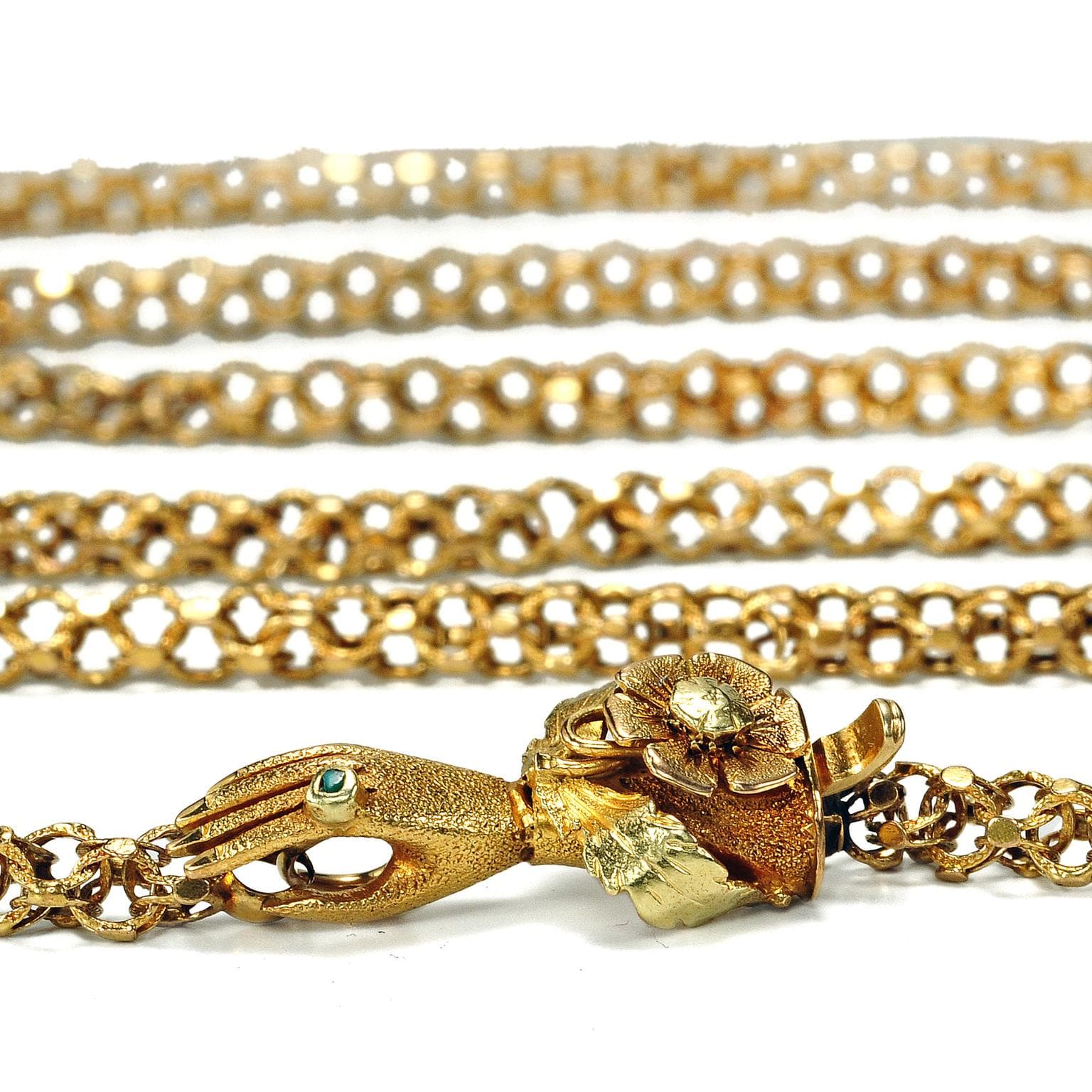
The modern version of antique-inspired jewelry is less about reproducing a museum piece and more about borrowing its vocabulary. Old-mine cuts, heirloom-style settings and decorative references to earlier eras are being reworked through larger scales and cleaner, more wearable construction. That can mean a stone that looks softly rectangular or cushion-like, a mount with visible metalwork, or a silhouette that feels substantial enough to stand up to daily wear.
This is also where color and mixed metals come in. Pinterest’s wedding trend data highlighted colorful engagement rings, and that broadens the category beyond colorless diamonds alone. When a ring stack includes yellow gold, white metal and a colored center stone, it reads less like a bridal uniform and more like a personal collection built one piece at a time.
The trend has older roots than the current hype
JCK has noted that antique diamonds were already a niche bridal category around 2011, when dealer Jay Moncada specialized in them long before the latest celebrity-fueled surge. That history matters because it shows the current boom is not a fad invented by one engagement announcement. It is the public catching up to a specialist market that has been refining taste for years.
In other words, Swift’s engagement widened the audience, but it did not create the category. Antique diamonds, old-mine cuts and historically informed settings were already being treated as a serious bridal choice by collectors and dealers who understood their character. The present moment is simply making that niche legible to a much larger crowd.
What this means for everyday layering
The real story is not just that engagement rings are getting bigger. It is that bridal jewelry is becoming more compatible with the rest of a jewelry wardrobe. A chunky, antique-inspired center stone can now sit comfortably beside slim bands, signet rings, colored stones or mixed-metal pieces without disappearing into them. That shifts the ring from a single ceremonial object to part of a broader layered language.
For anyone building a stack, the takeaway is clear: proportion matters as much as sparkle. A bold vintage-inspired ring can anchor the hand the way a sculptural cuff anchors a wrist, giving the rest of the stack room to breathe. The move away from delicate minimalism is not a rejection of elegance; it is elegance with more volume, more history and more room for personality.
This article was produced by Prism’s automated news system from verified source data, official records, and press releases, then run through automated quality and moderation checks before publishing. The system is built and supervised by the people who set the standards it runs under. Read our full AI policy.
Did this article answer your question?