Birthstones Drive 2026 Jewelry Layering, Personalization Takes Center Stage
Birthstones are leaving the single pendant behind. In 2026, they read as stackable, personal, and much more modern.
Birthstones as the new layering code
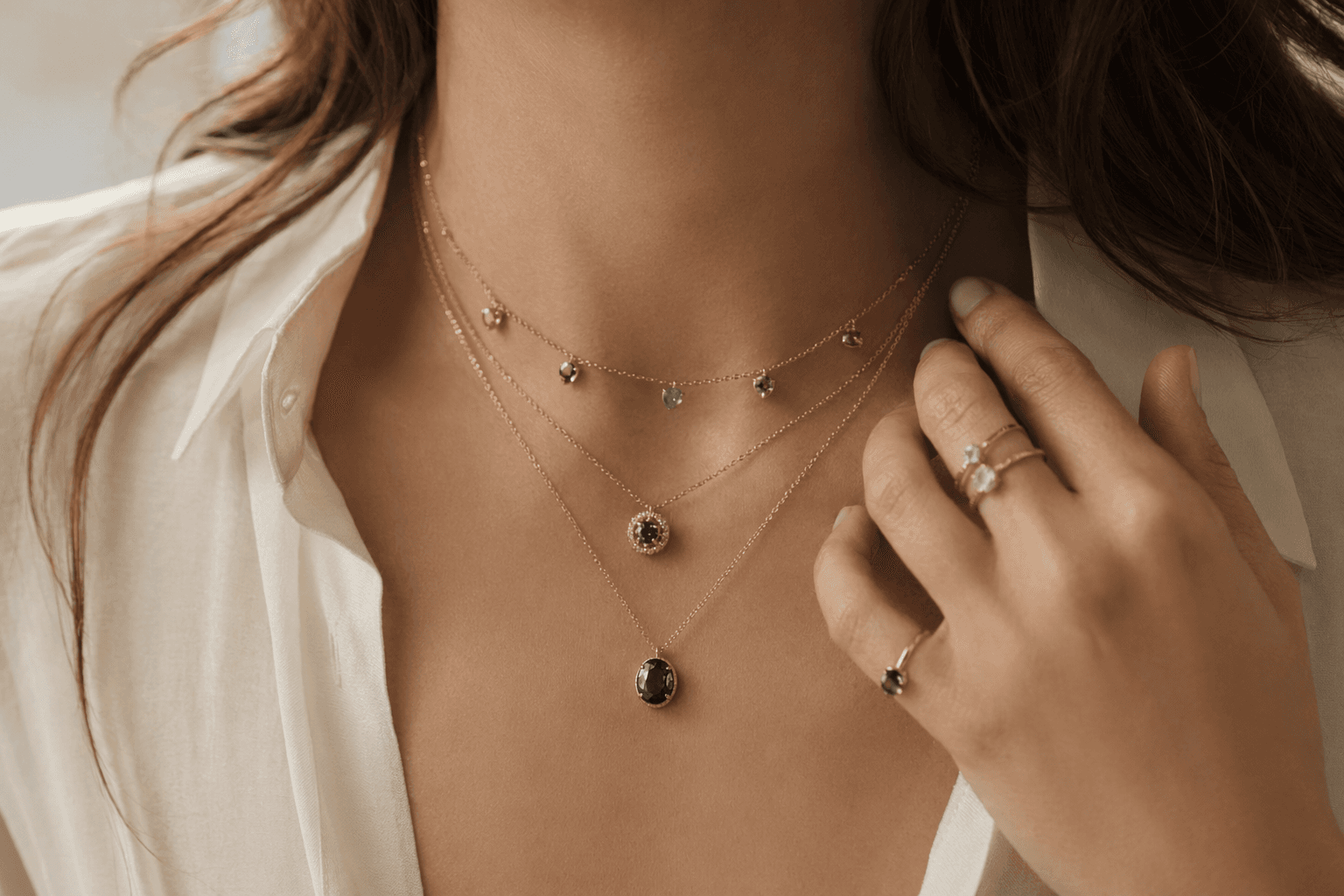
The birthstone is having a style reset. Instead of sitting alone as a sentimental pendant, it is turning up inside family rings stacked across fingers, raw-gem cuffs, zodiac-driven charms, and layered chains that feel curated rather than formal. That shift makes personalization look less precious in the old sense and more wearable, with the stone acting as a recognizable anchor inside a bigger jewelry story.
The appeal is obvious on the wrist and hand, where small gestures now read as the strongest ones. A birthstone does not need to be oversized to register; it only needs to be placed where it can join the rest of a look. That is why the category feels so visible now, and why it is traveling so easily between keepsake jewelry and fashion jewelry.
Why personalization is suddenly everywhere
The broader market is leaning hard into pieces that mean something. Rapaport’s 2026 jewelry-market analysis points to engraved initials, meaningful dates, birthstones, and symbolic details as the details that are turning jewelry into keepsakes tied to relationships, achievements, growth, and remembrance. That framing matters because it shows personalization is no longer a side trend. It is becoming the main language of contemporary jewelry.
Pinterest’s spring trend report adds another layer to that shift. Built from search and save behavior from more than 600 million users, it points to a cultural move away from perfectionism and toward self-expression, comfort, and positive vibes. JCK also identified personalization as a major theme in that same Pinterest data, which helps explain why birthstones are showing up less as special-occasion gifts and more as everyday styling tools.
The result is a jewelry mood that feels more lived-in than pristine. Rather than making one perfect purchase and stopping there, wearers are building looks over time, adding pieces that speak to family, identity, memory, and mood. Birthstones fit that behavior perfectly because they carry meaning without demanding a full outfit around them.
A symbol with deep roots, and a very flexible present
Birthstones may look newly fashionable, but the symbolism behind them is old. The American Gem Society traces the tradition back to Aaron’s breastplate, which held twelve gemstones representing the twelve tribes of Israel. That history gives the category weight, but it also explains why birthstones can keep being reinterpreted without losing their meaning.
The modern U.S. birthstone list was standardized in 1912 by the National Association of Jewelers, and that standardization gave the category a shared commercial language. Once the list was fixed, designers had room to play with scale, setting, color, and context. That is why birthstones now slide so easily into stacks, layered chains, mixed stones, and mixed-material designs that feel current rather than ceremonial.
The Gemological Institute of America adds another reason the category keeps resurfacing: birthstones are popular, colorful, and meaningful across gender, age, nationality, and religion. In other words, this is not a narrow niche trend. It is a broad visual code that translates across generations and across markets.
What the look actually looks like now
The strongest birthstone pieces in 2026 are not trying to dominate a whole look on their own. They are meant to be layered, paired, and repeated. That is why family jewelry and stackable rings remain active categories at Stuller, and why birthstone jewelry is increasingly sold as part of a larger jewelry wardrobe rather than as a one-time gift.
A few formats are defining the moment:
- Family rings worn together or split across several fingers, so each stone reads as part of a larger composition.
- Raw-gem cuffs that keep the stone texture visible and make the jewelry feel less polished, more tactile, and more personal.
- Zodiac-adjacent pieces that link a birth month to a broader identity story, not just a calendar date.
- Layered necklaces where the birthstone acts as one point of color among chains, initials, or symbolic charms.
That wider approach also lines up with JCK’s spring 2026 coverage, which describes storyteller jewelry as something that can be personalized, layered, and stacked. The category is less about a single declaration and more about building a visual sentence out of multiple parts.
Why this feels cooler than the classic pendant
The classic single-stone birthstone pendant has not disappeared, but it now reads as only one option in a much richer field. The newer pieces feel cooler because they allow for more editing. They can be mixed with yellow gold, white metal, raw textures, or other symbolic motifs without losing the birthstone’s identity.
That flexibility is part of the attraction. A single pendant asks to be noticed; a layered birthstone look invites closer reading. One feels like a gift wrapped up in itself, while the other feels like a personal system that can grow over time.
This is also why birthstones are being treated as design elements rather than just sentimental markers. A stone can sit in a stack, punctuate a bracelet, or break up a chain line, and each move changes how it is read. The meaning stays, but the styling becomes far more contemporary.
What matters when choosing one
The smartest birthstone pieces are the ones that can live inside a larger wardrobe without feeling locked into one moment. Look for designs that make the stone visible but not isolated, and for settings that let the piece sit comfortably beside other rings, bangles, or chains. Mixed-material construction can be especially effective here, because it gives the jewelry a layered look even before anything else is added.
The other test is honesty. When a piece is described as personal, it should look personal in the design itself, not just in the copy. The strongest birthstone jewelry in 2026 is not trying to flatter the idea of individuality with vague sentiment. It is using color, repetition, and layering to make identity visible in a way that feels modern, legible, and easy to wear.
That is the real shift. Birthstones are no longer only about marking a birthday or passing down a family token. They are becoming one of the clearest ways jewelry tells a story in 2026, and the story is best when it is stacked.
This article was produced by Prism’s automated news system from verified source data, official records, and press releases, then run through automated quality and moderation checks before publishing. The system is built and supervised by the people who set the standards it runs under. Read our full AI policy.
Did this article answer your question?