Bracelet stacking leads 2026 wristwear, as new maximalism shapes accessories
The sharpest 2026 stacks use one anchor, one spacer, and one accent, letting cuffs, charms, and emerald details feel deliberate, not crowded.
The new wristwear rule
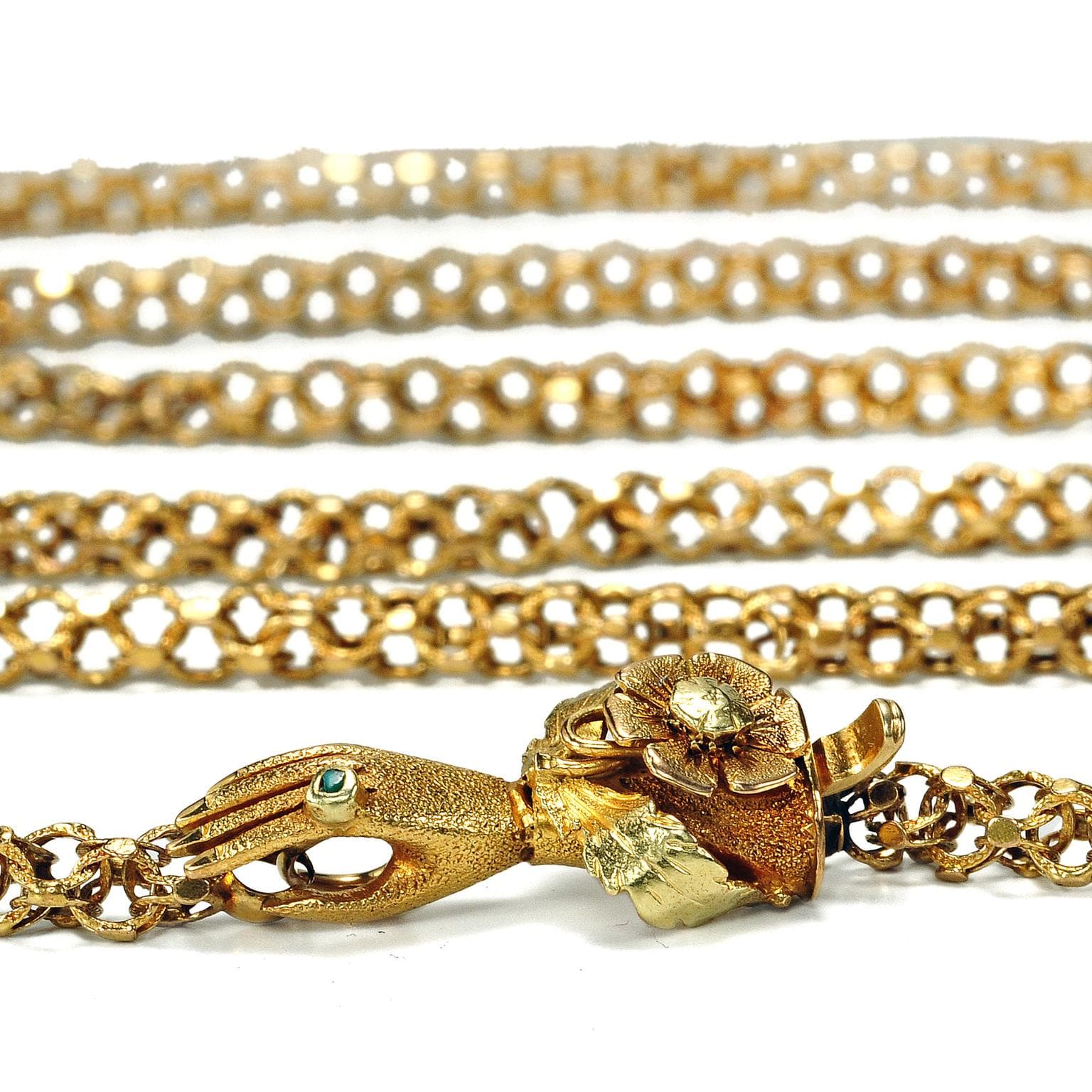
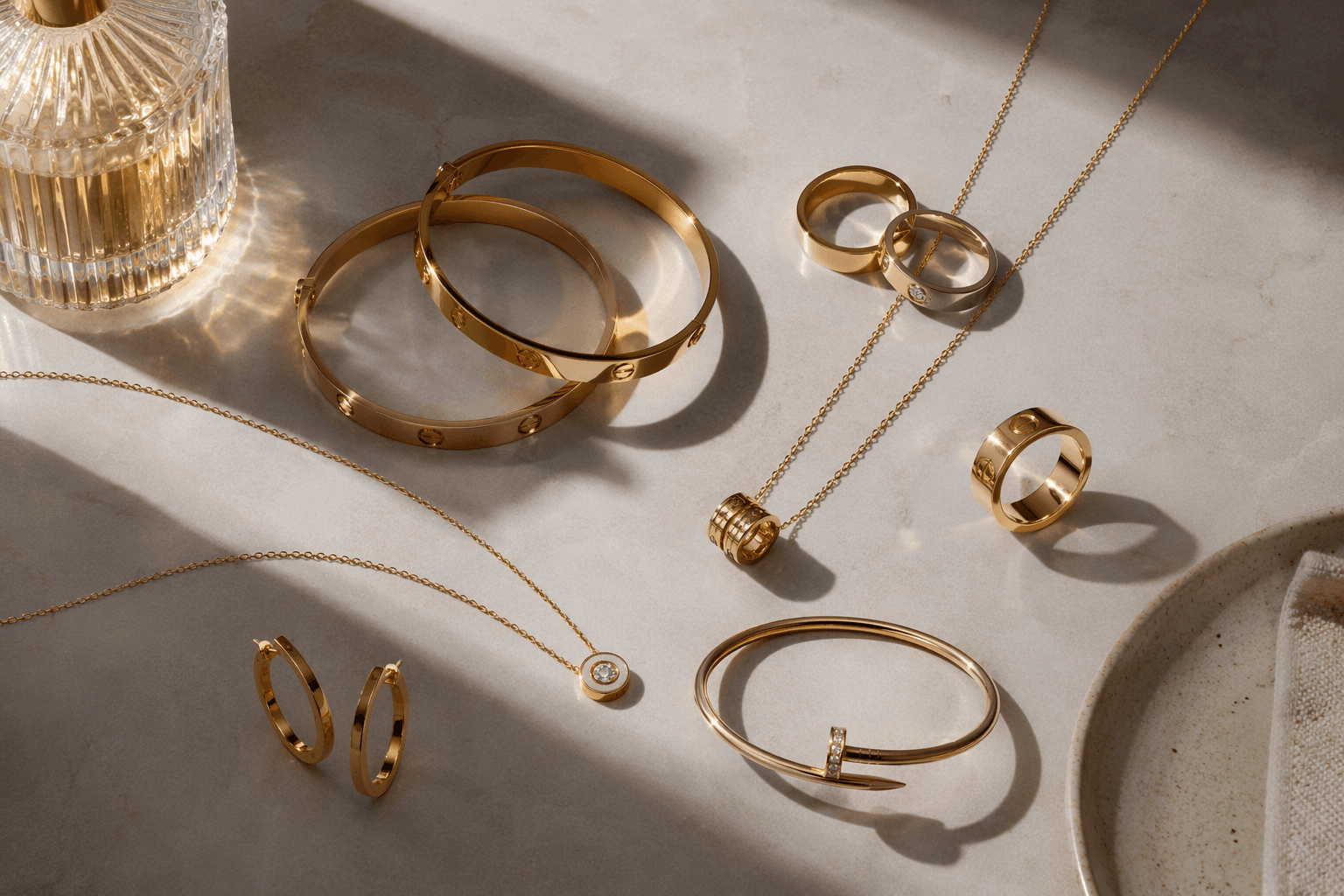
The smartest bracelet stacks in 2026 do not look crowded. They look edited, as if each piece had been chosen to solve a visual problem: how to anchor the eye, how to keep the wrist from feeling heavy, and how to make symbolic jewelry wearable every day. JCK’s spring-summer 2026 runway roundup calls the mood “new maximalism,” but this is not maximalism by accumulation. It is maximalism with intention, scale, and high-fashion function, which is why sculptural cuffs, thick gold links, and metal forms that read like objets d’art now sit comfortably beside tennis bracelets, charms, emerald accents, and beaded textures.
That shift matters because bracelet stacking is no longer an afterthought to a watch or a ring. It is one of the clearest ways to express the year’s broader jewelry direction. The wrist has become the place where sculpture meets sentiment, where a piece can look beautifully considered and still move easily through the day.
Build the stack like architecture
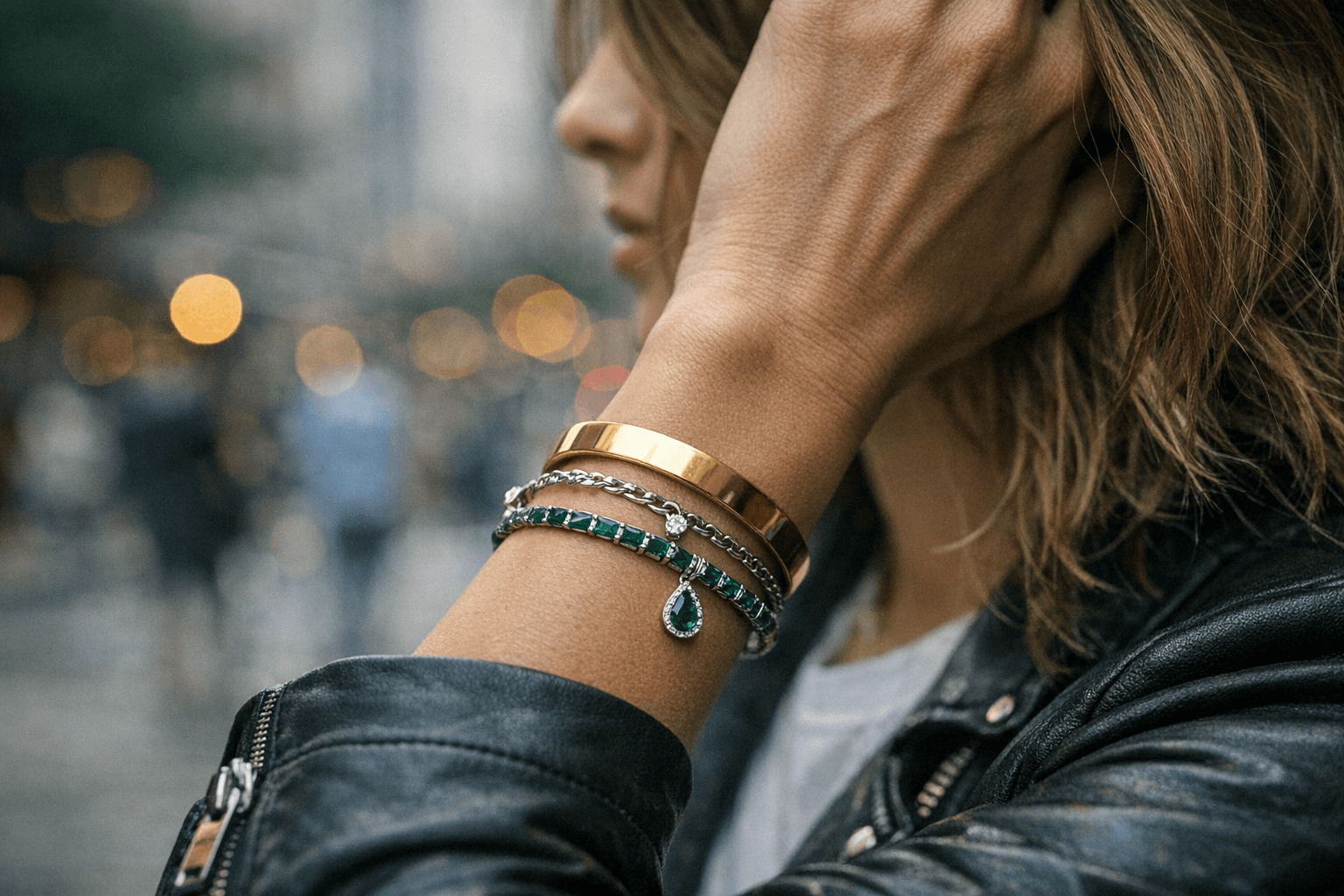
A good wrist stack needs a hierarchy. The most successful combinations usually follow three roles: an anchor, a spacer, and an accent. Once that structure is in place, even mixed metals and mixed textures can feel deliberate rather than busy.
Anchor pieces
The anchor is the bracelet that gives the stack its shape. In 2026, that role belongs naturally to sculptural cuffs, substantial gold links, and refined tennis bracelets with enough visual clarity to hold their own. A cuff works especially well when sleeves are short or rolled, because its open form gives the wrist a strong silhouette without relying on volume everywhere else. Thick gold links do a similar job with more movement, catching the light in a way that feels current and polished.
A tennis bracelet can also anchor a stack, but only when it has presence. Slim diamond lines are elegant, yet they can disappear if they are surrounded by too many louder pieces. Let the tennis bracelet be the piece that supplies polish and continuity, then build around it rather than burying it.
Spacer pieces
Spacer bracelets are the quiet connectors. This is where a smooth bangle, a restrained chain, or a rondelle-strung bracelet earns its place. Jade Trau’s spring 2026 collection expanded its charm lineup and introduced rondelles, the round, bead-like elements that have long belonged to charm bracelets. That detail is more important than it sounds, because rondelles create breathing room between charms and keep the wrist from reading as one dense clump of metal.
A spacer should protect the stack from visual fatigue. It gives the eye a pause between a sculptural cuff and a charm bracelet, or between a watch and a colored gemstone piece. If the anchor is the headline, the spacer is the sentence structure.
Accent pieces
Accent bracelets are where personality lives. Charm bracelets remain powerful here because they carry meaning, not just shine. Eddie LeVian has described buyers as gravitating toward intentional, heirloom-worthy pieces that reflect craftsmanship and personal significance, and that appetite shows up most clearly in the accents people choose to keep close.
Emerald accents belong in this category. So do bead-like details, fluted amethyst beads, and other textural touches that bring color without shouting. These pieces work best when they punctuate a stack rather than dominate it. One emerald accent can make a mostly gold wrist look considered. Several emerald pieces can start to feel themed.
Why the stack feels personal now
There is also a practical reason bracelet stacking has taken hold. Inflation, tariffs, and gold-price spikes have reshaped entry-level price points, which has encouraged more people to mix fine bracelets with fashion pieces rather than waiting for a single, fully matched set. That is not a downgrade. It is a smarter way to build a wrist wardrobe that gets worn often.
The strongest stacks in this environment do two things at once. They carry emotional weight, and they earn daily mileage. A single heirloom-style bracelet can sit beside a simpler chain or beaded strand and still feel luxurious, because the point is not sameness. The point is contrast with control.
How to wear it with sleeves, watches, and wrist size
Sleeve length should shape your bracelet decisions as much as style does. Bare arms and rolled sleeves can handle more sculptural volume, which is why cuffs and thick links feel so strong in spring and summer. They need room to speak. Under a tailored jacket or knit sleeve, however, too many moving parts can snag or bunch, so slimmer bracelets, smooth bangles, and tennis lines often work better.
Watch pairing is where restraint matters most. If your watch has a substantial case or a metal bracelet, let it remain the dominant object and add only one or two companions nearby. A leather-strap watch gives you more freedom, because the bracelet stack can supply the metal presence on its own. If you wear your watch alongside bracelets on the same wrist, keep one common thread, such as yellow gold or a repeated bead tone, so the combination feels curated rather than accidental.
Wrist size changes the equation too. Smaller wrists are flattered by one strong anchor and one or two slimmer accents, especially if the bracelets have some open space between them. Larger wrists can carry broader cuffs and heavier links more easily, but they still need contrast. Even the most generous wrist looks better with variation in scale, not a pile of pieces all vying for attention at the same width.
- Petite wrists look best with one sculptural piece plus one delicate spacer.
- Average wrists can handle a cuff, a tennis bracelet, and a charm accent if the metals are coordinated.
- Larger wrists can wear bolder links and wider cuffs, but need a textural break, such as rondelles or beads.
What feels dated now
The most outdated wrist looks are the ones that repeat themselves without purpose. A stack of identical thin bangles can feel flat, all shine and no story. A wrist packed with dangling charms can look noisy if every piece is competing for motion. Even an all-gold stack can miss the mark if every bracelet has the same finish, width, and mood.
The other thing to retire is the one-note wrist, whether that means all charm, all bead, or all rigid metal. The 2026 eye wants scale, texture, and a little tension. Emerald accents sharpen a gold stack. Beads soften a hard cuff. A charm bracelet makes a sculptural wrist feel lived-in. When each piece performs a different role, the stack stops looking decorated and starts looking composed.
That is the real lesson of 2026 wristwear. The most compelling bracelets are not simply beautiful objects. They are collaborators, each one shaping the line, rhythm, and emotional temperature of the wrist.
This article was produced by Prism’s automated news system from verified source data, official records, and press releases, then run through automated quality and moderation checks before publishing. The system is built and supervised by the people who set the standards it runs under. Read our full AI policy.
Did this article answer your question?