Building a Fine Jewelry Wardrobe, from Tennis Bracelets to Layered Chains
Build a jewelry wardrobe the way stylists do: start with chains, studs, hoops and a tennis bracelet, then add one signature piece only after the base is working.
The logic of a fine-jewelry wardrobe
Fine jewelry looks richest when it is treated less like a shopping list and more like a system. The best starter capsule is built from pieces that can repeat endlessly across outfits, then accumulate meaning over time, because the category’s real promise is not novelty but longevity. That is why editors and retailers keep returning to the same idea: fine jewelry transcends seasons, carries sentimental weight, and becomes more interesting the longer it lives with you.
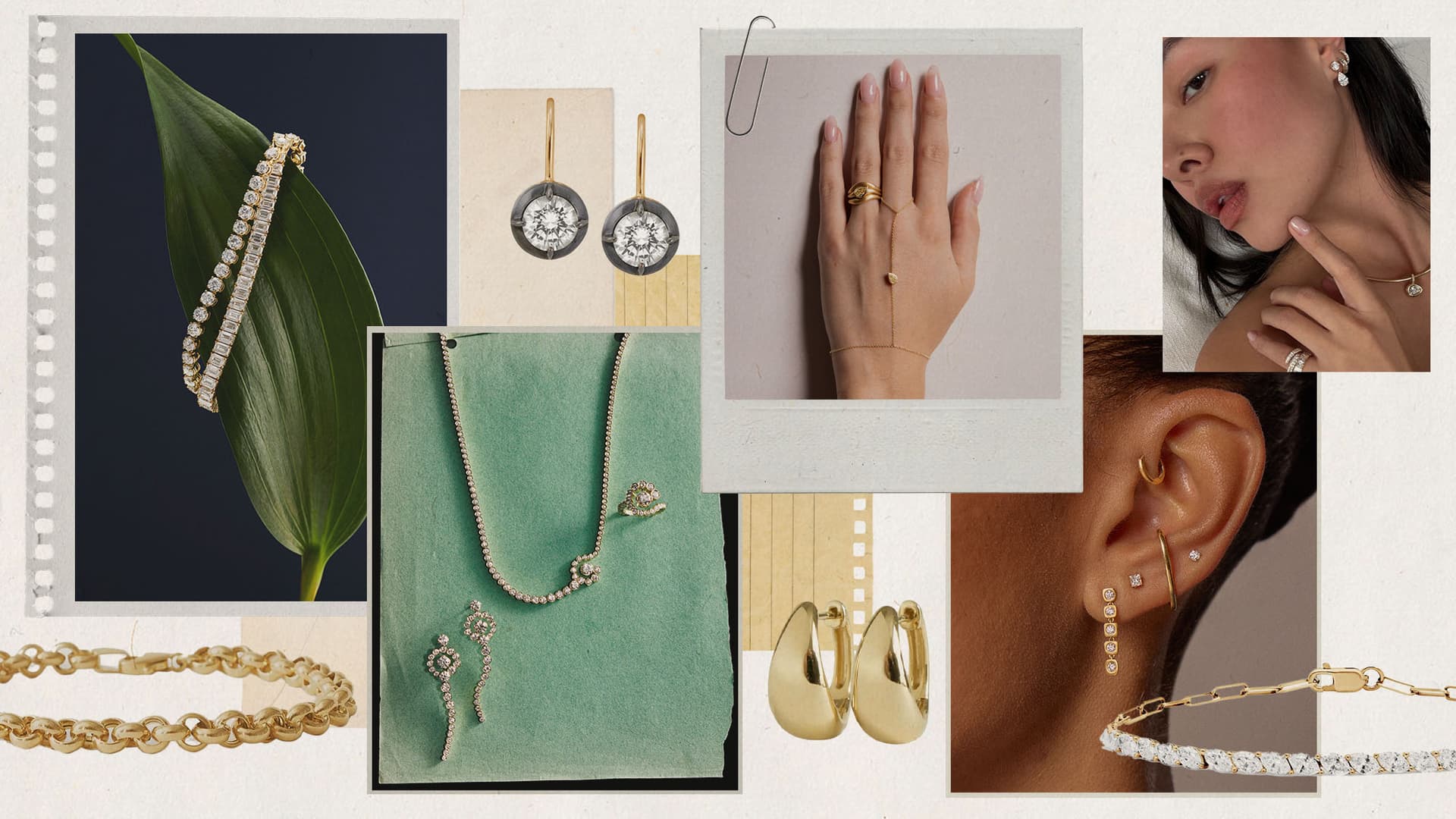
Layering and stacking are now part of the language of the category, not a temporary styling trick. Maria Dueñas Jacobs, Lydia Dokko and the editors at places like NET-A-PORTER, Who What Wear and Saks Fifth Avenue have helped normalize the idea that necklaces, bracelets and rings should be worn in combinations of texture, length and metal rather than as isolated statements. The trick is not to buy everything at once. It is to assemble a wardrobe with base layers, texture layers and, only later, the pieces that act like punctuation.
Start with the pieces that do the most work
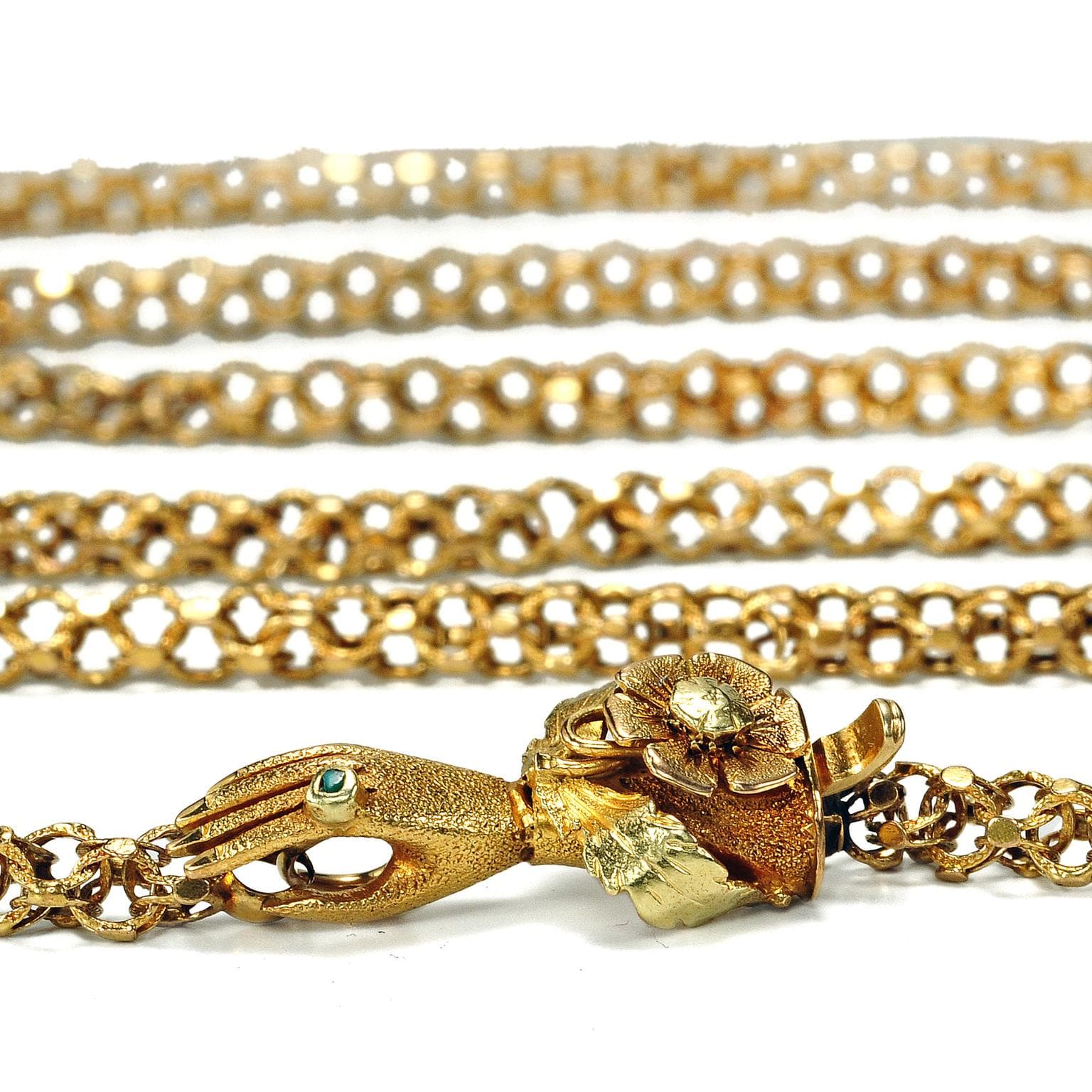
The smartest first purchase is a comfortable chain. It is the quietest necklace in the box, but also the one with the widest range: it sits cleanly against a T-shirt, slips under a collar, and gives a pendant somewhere to live when you want a little more detail. Choose one that feels substantial enough to stand alone, but not so heavy that it overwhelms lighter pieces. In a layered stack, this is the base layer, the line that keeps everything else in proportion.
An elegant pendant is the next useful step, because it changes the personality of the chain without making it harder to wear. A pendant adds a point of focus, which matters when the rest of the wardrobe is meant to be mixed and repeated. Think of it as texture rather than drama: it should add movement, a little shine, and a sense of intention without becoming the only thing anyone sees.
For earrings, diamond studs are the most efficient foundation piece in the entire wardrobe. They frame the face with enough polish for day and enough clarity for evening, and they never compete with a strong necklace. Classic hoops are the companion piece because they carry more presence without becoming difficult to wear. Together, studs and hoops create a useful ear rotation: one as the base, the other as the texture layer when the rest of the look wants slightly more energy.
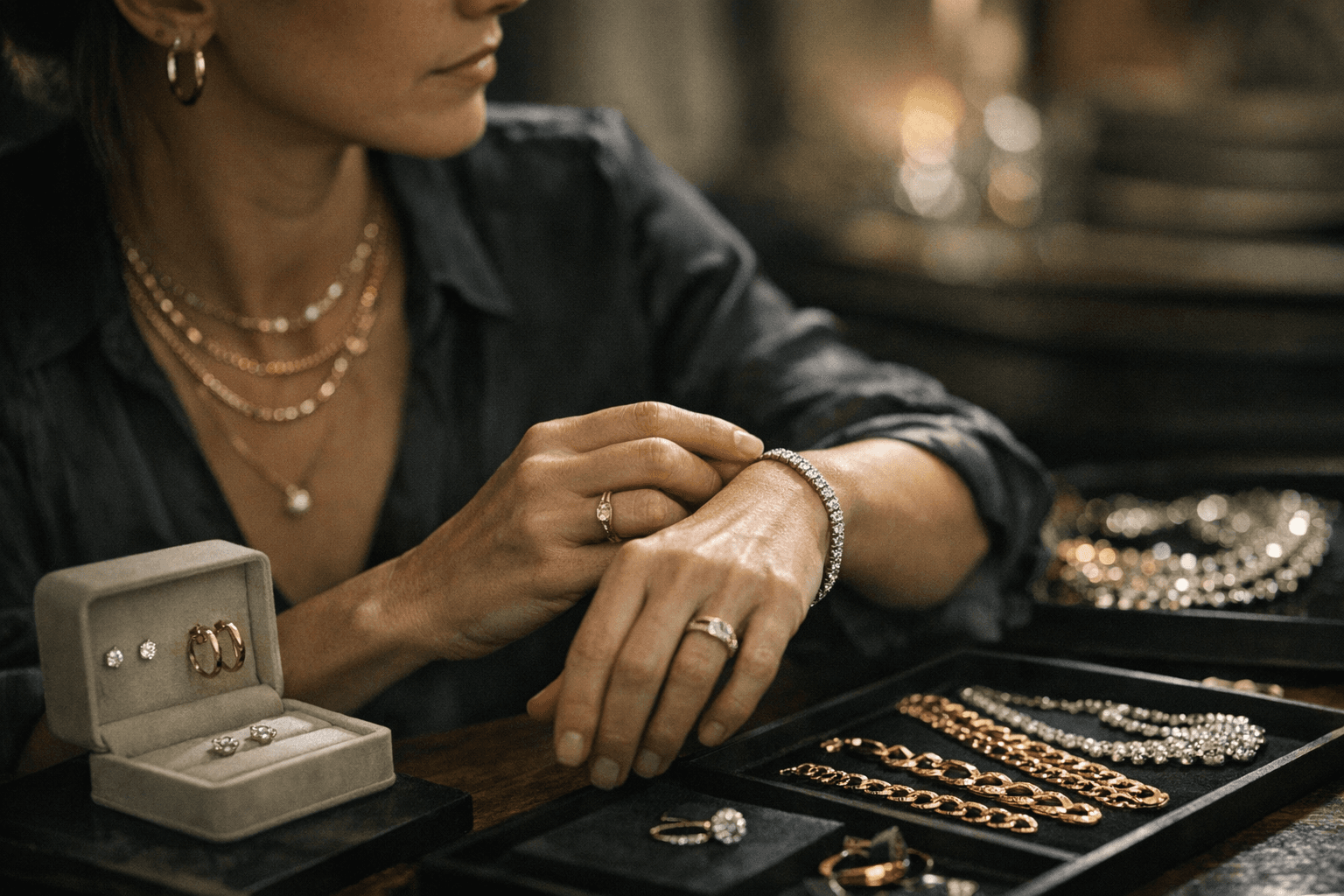
The wrist is where history and style meet
If one bracelet defines the fine-jewelry wardrobe, it is the tennis bracelet. Its modern name is commonly linked to Chris Evert’s on-court bracelet incident during the 1987 U.S. Open at Flushing Meadows, a story that has become part of jewelry folklore. There is a deeper lineage too: the style descends from earlier eternity bracelet designs that date to the 1920s, which is why it feels so settled in the canon. It works as a wrist anchor because it is continuous, luminous and easy to layer beside a watch or a more sculptural cuff.
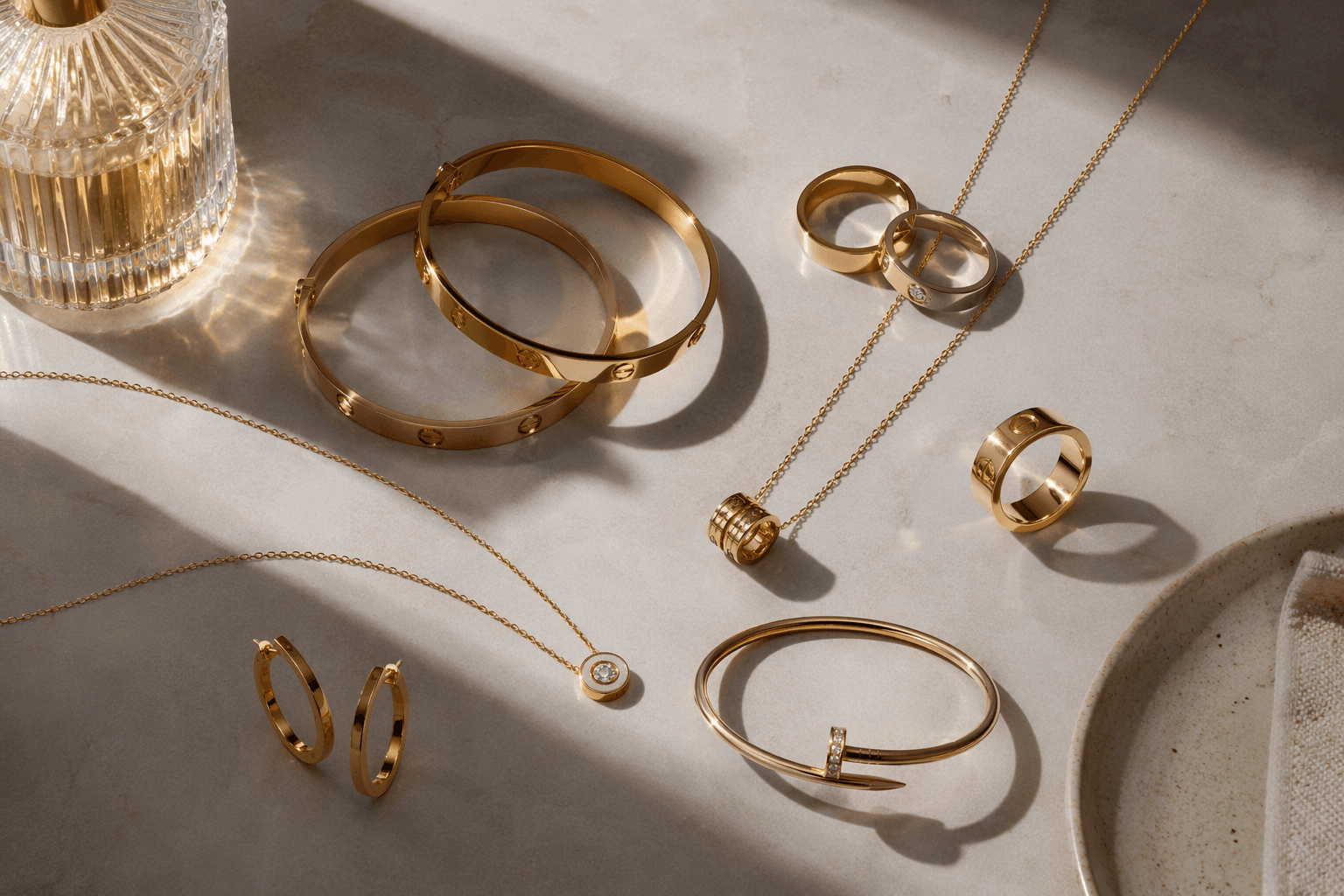
The LOVE bracelet by Cartier occupies a different role. Designed by Aldo Cipullo for Cartier New York in 1969, it is an oval bracelet with visible screws and a special screwdriver closure, details that made it instantly recognizable and still make it feel architectural rather than decorative. It is not the first bracelet to buy if the goal is maximum versatility; it is the statement topper, the piece that changes the tone of a stack. Worn alone, it reads as iconic. Worn with a tennis bracelet, it creates the kind of contrast that makes a wrist feel deliberate rather than merely adorned.
Build the hand stack with restraint
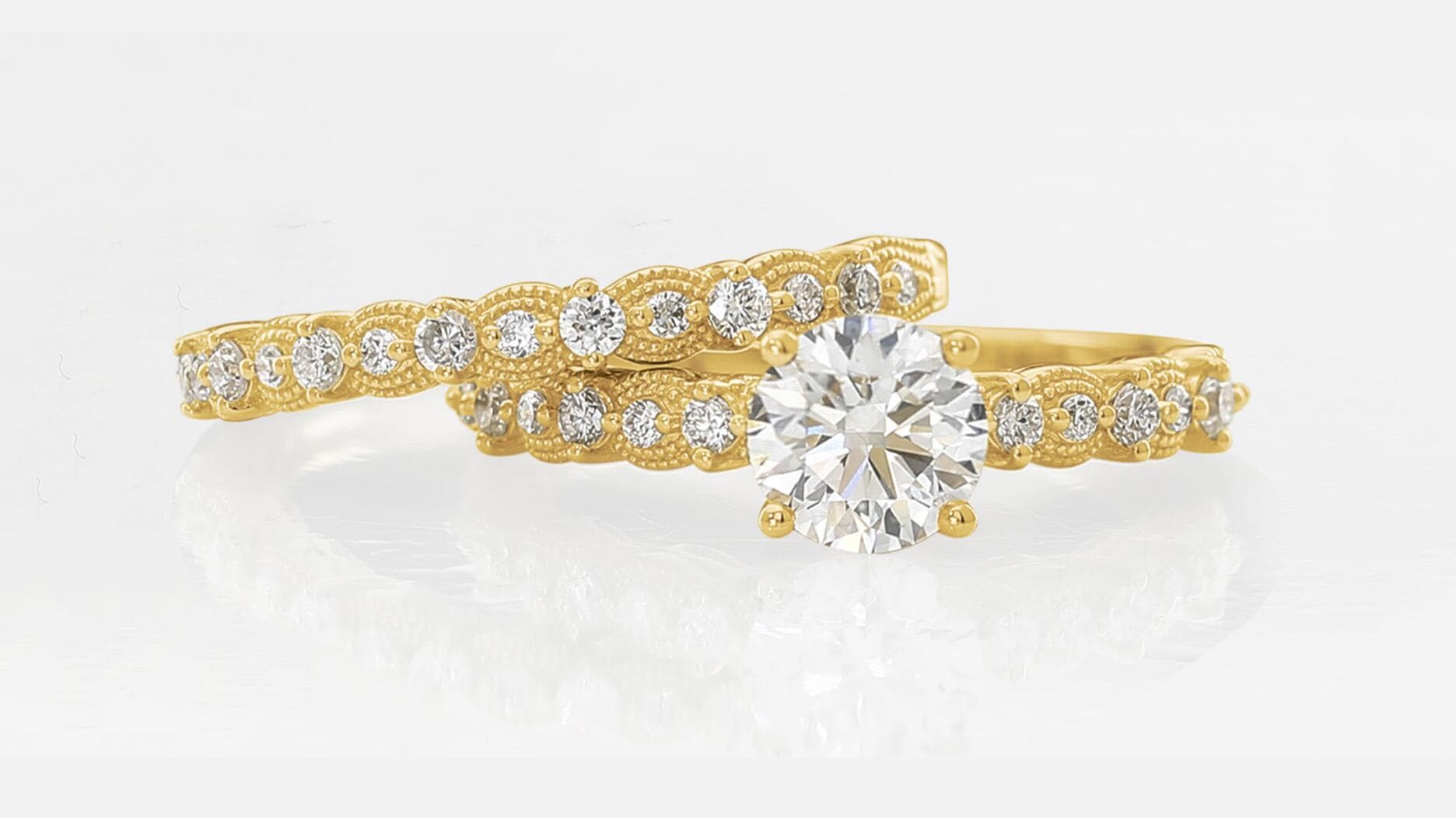
On the hand, stacked bands are the best place to begin because they let you control volume without committing to a single dominant ring. A slim band, then another, then perhaps a ring with a bit more presence, creates the visual rhythm that makes a stack feel edited rather than crowded. This is where layering becomes a craft: spacing matters, balance matters, and so does the way each band catches light differently.
A vintage pinky ring belongs a little later in the process, once the rest of the hand already has structure. It is one of the most personal pieces in the capsule because it shifts the entire hand line and adds character without requiring a full ring overhaul. If stacked bands are the base layer, the pinky ring is the signature move, the moment when the wardrobe stops being purely functional and starts feeling authored.

What to skip until later
The most common mistake is beginning with statement pieces before the foundation is in place. Overscaled rings, highly ornate earrings, or heavily embellished cuffs can be beautiful, but they tend to swallow a young jewelry wardrobe before it has learned to balance itself. A starter capsule works best when each piece can play a role in more than one combination, which is why versatility beats spectacle at the beginning.
That is also why layering has endured as a styling approach. It solves a practical problem: how to make jewelry feel personal, current and repeatable without buying a different look for every outfit. Once the base is set, the wardrobe becomes expandable. A heavier chain can join a lighter one, mixed metals can introduce contrast, and one statement piece can sharpen the whole stack without replacing it.
Why these pieces are worth building slowly
Fine jewelry earns its place when it can move through daily life and still feel special years later. That is the heirloom promise behind tennis bracelets, diamond studs, classic hoops, pendants, stackable bands and signature cuffs like the LOVE bracelet. Secondary-market demand, from Sotheby’s to Rebag, keeps underscoring the same point: the iconic pieces remain desirable because they are both wearable and collectible.
The strongest jewelry wardrobes are not built around trend cycles. They are built around pieces that can be repeated, mixed and inherited, then reinterpreted as style changes. Start with the chain, the stud, the hoop, the bracelet and the band that do the most work. Save the flashier decisions for later, when the stack already knows its own shape.
This article was produced by Prism’s automated news system from verified source data, official records, and press releases, then run through automated quality and moderation checks before publishing. The system is built and supervised by the people who set the standards it runs under. Read our full AI policy.
Did this article answer your question?