Chokers return as the fastest way to elevate simple necklines
Slim chokers are turning bare tanks and open shirting into finished looks again. The revival leans on pearls, sculptural metal, and a renewed appetite for personal detail.

The choker is back not as a costume piece, but as the quickest way to make a simple neckline look deliberate. On clean tanks, crisp shirting, and strapless silhouettes, the new version sits close, reads clean, and creates that finished, slightly styled feeling that longer chains do not always deliver.
Why the comeback feels different now
This return fits a larger fashion cycle that keeps moving in roughly 20-year loops, and the early-aughts revival has already brought back stretch chokers and other once-closed styles. Fashionista ties that resurgence to millennial nostalgia and secondhand shopping, which helps explain why the neckline once associated with a very specific era now feels newly available again.
What has changed is the proportion. The chokers gaining traction now are slimmer, cleaner, and easier to stack, with less of the heavy, singular drama that defined earlier versions. That makes them useful in the way modern jewelry often is: not as a statement that ends the look, but as a layer that sharpens it.
From velvet ribbons to polished metal
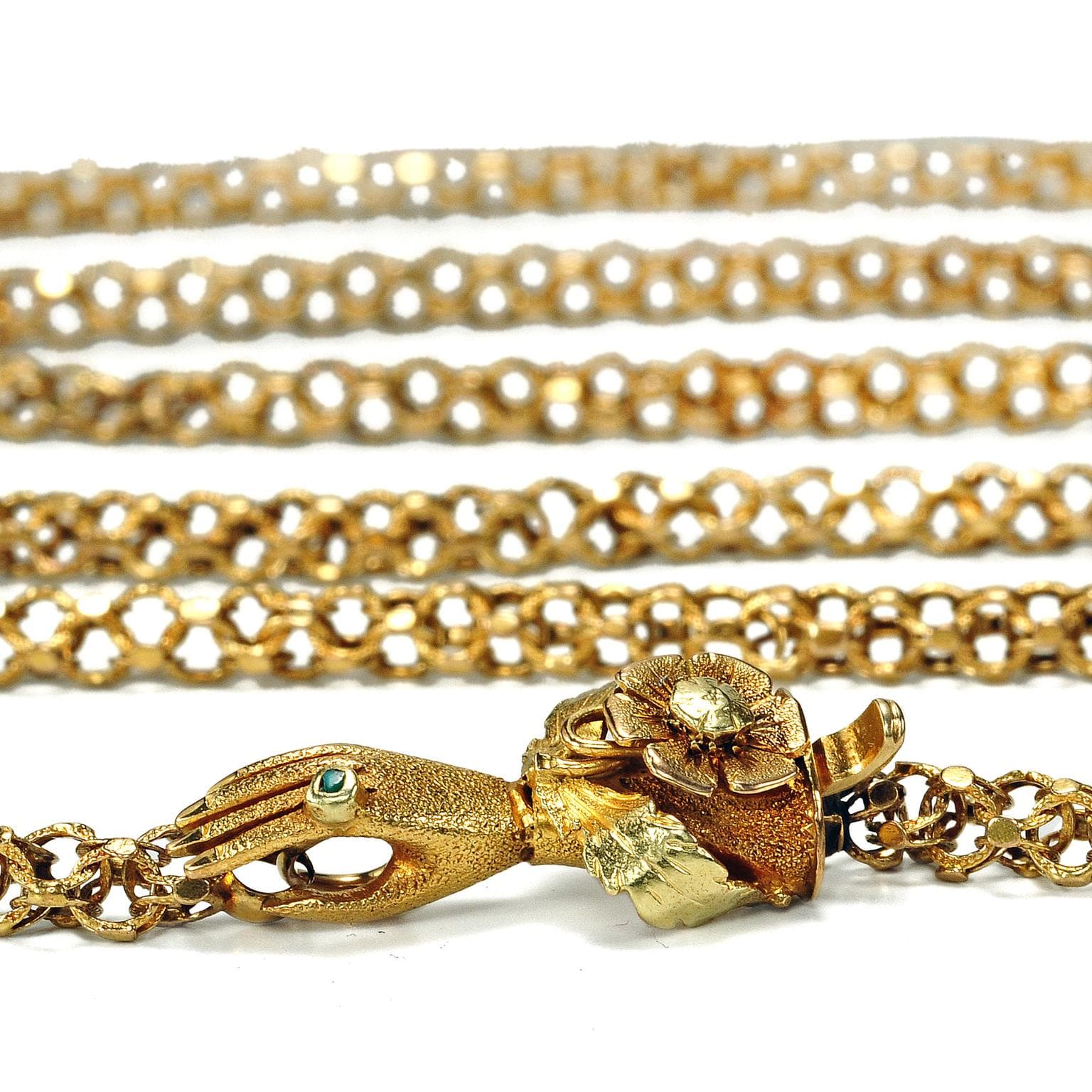
Britannica places chokers’ popularity in the late 19th century, when early examples often appeared as rows of pearls or velvet bands set with cameos. Queen Alexandra, consort to Edward VII, helped popularize a wider pearl-and-diamond version known as a “dog collar,” a reminder that the silhouette has always carried more than decorative weight.
That history matters because jewelry has long done double duty, signaling social rank in some eras and serving as a talisman in others. The modern choker is more pared back than its courtly ancestors, but it still does the same core job: it changes the message at the throat, turning a plain neckline into something intentional.
The new materials are leaner, but not plain
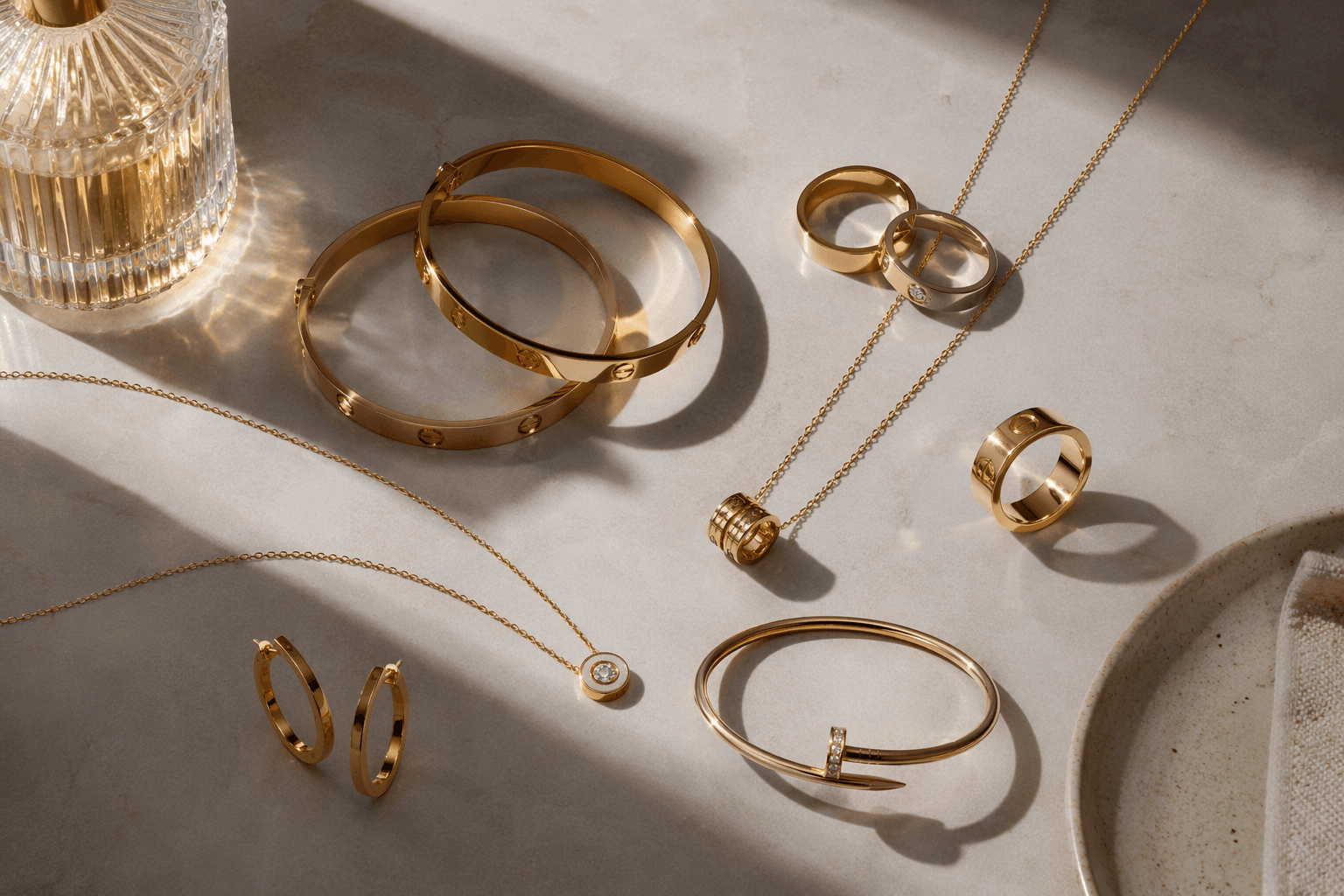
The strongest chokers in the current mix lean into slim metal chains, graduated pearls, sculptural collars, and decorative versions in chain, pearl, beaded, and crystal forms. Paris Couture Week 2024 reinforced that direction with high jewelry centered on uniqueness, sculptural shapes, pearls, colored stones, and mixed yellow and white gold.
That luxury context matters because it shows the trend is not confined to casual dressing. When houses in Paris are still returning to pearls, mixed metals, and bold neck ornament, the choker reads less like a throwback and more like an active design language. Even the most minimal metal version carries that polish, especially when it lands against a white shirt collar or an open, bare neckline.
Why personalization is driving the surge
The other force behind the choker’s return is personalization. WWD reported that custom charm necklaces were rising in popularity as consumers used TikTok to show off individualized pieces, and that appetite for self-defined jewelry has spilled into the broader necklace category. Brooklyn Charm, which has been in New York City since 2010, sits squarely in that world, alongside brands such as Foundrae, Hart Jewelry, Ben, Lingua Franca, and Clare V.
That shift helps explain why chokers are returning now instead of staying frozen in memory. The look works when it feels chosen, not mass-produced, and social platforms reward pieces that are visible, distinctive, and easy to style in layers. Names like Beth Hutchens, Hart Hagerty, Shelby Hyde, and Serena Morris belong to the wider conversation too, part of a jewelry moment that favors symbolism, identity, and a little editorial sharpness over generic sparkle.
How to read the piece before you buy
The best choker is the one that looks clean at the throat and intentional against the clothes you already wear most. It should work with a tank top without feeling severe, sit neatly with shirting without disappearing into the collar, and hold its own with strapless dressing without turning ornate for the sake of it.
- Look for proportion first: the design should feel close to the neck, but not cramped.
- Pay attention to materials: slim metal, pearls, beading, crystal, and mixed yellow and white gold all signal different moods.
- Favor clear descriptions over vague language. If a piece is sold on mood alone, without naming metals, stones, or construction, the story around it is doing more work than the object itself.
- Think about stacking: today’s choker is rarely meant to stand alone, and its power often comes from how well it sits with another chain, pendant, or collar.
That is what makes the revival compelling. The modern choker is not trying to reclaim the past exactly, but to borrow its charge and refine it for a wardrobe that wants sharper lines, easier layering, and jewelry that makes even the simplest summer top feel considered.
This article was produced by Prism’s automated news system from verified source data, official records, and press releases, then run through automated quality and moderation checks before publishing. The system is built and supervised by the people who set the standards it runs under. Read our full AI policy.
Did this article answer your question?