Couture buyers chase gold, diamonds and layered collections as middle softens
Fine jewelry is splitting into two vivid camps: approachable personal stacks and ultra-luxe layers, while the middle loses its grip.

The clearest style shift at Couture is not subtle polish but polarization. Buyers are moving toward two very different kinds of layering: accessible, personal stacks on one side, and high-drama, high-value combinations on the other, with the middle looking thinner by the day.
A sharper divide on the show floor
At the 2026 Couture Show, held at Wynn Las Vegas from Wednesday, May 27 through Sunday, May 31, with opening night on May 27 at 6:00 p.m., that split was visible in real time. Couture remains a curated destination for designer fine jewelry and luxury timepieces, and in a room with more than 500 international exhibitors, the strongest signal was not uniformity but divergence.
Retailers described demand holding at both ends of the market. The pieces getting attention were not bland compromises. They were either more accessible, highly personal jewels that could be layered over time, or substantial statements in gold and diamonds that carried presence all on their own.
Why the new layering looks less neutral and more intentional
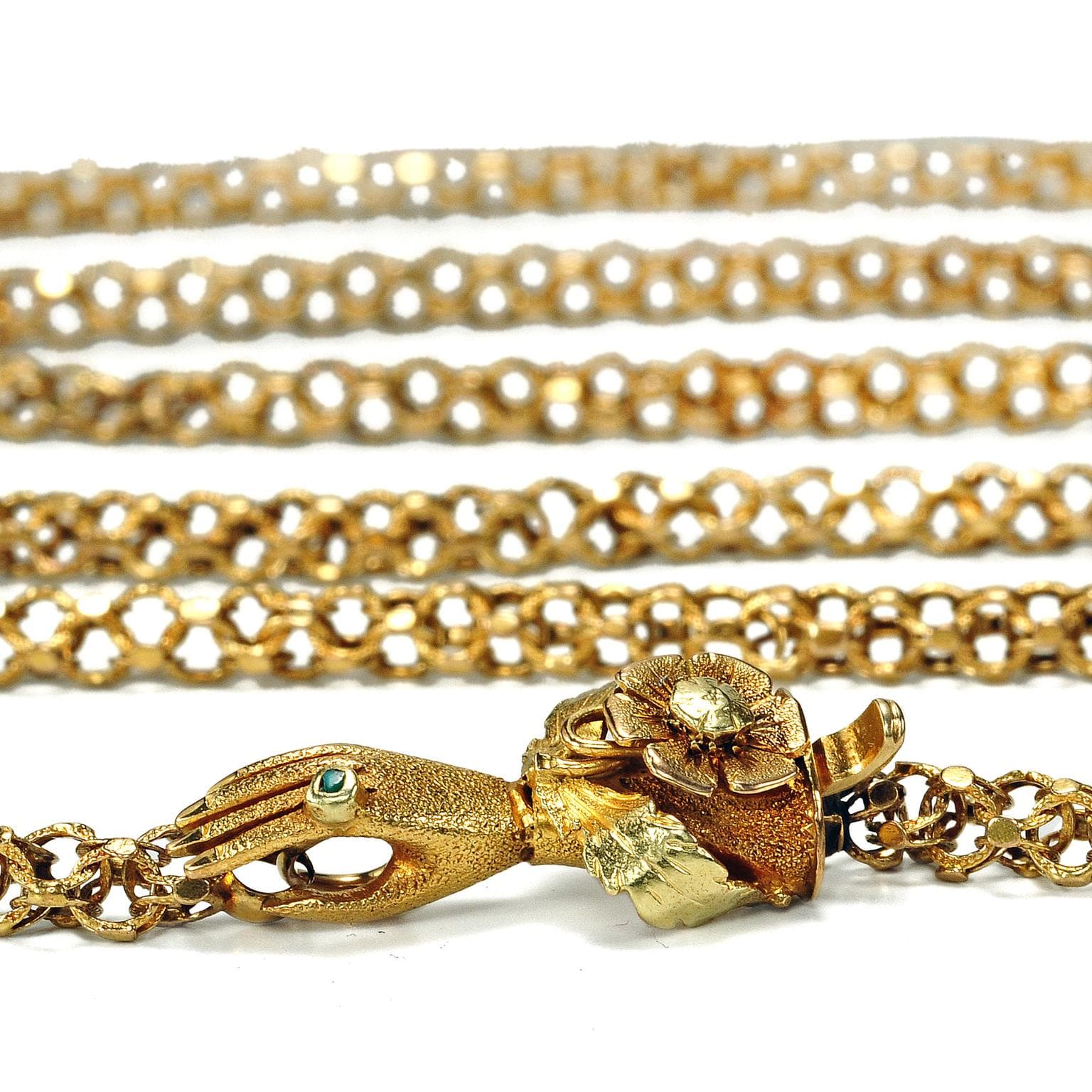
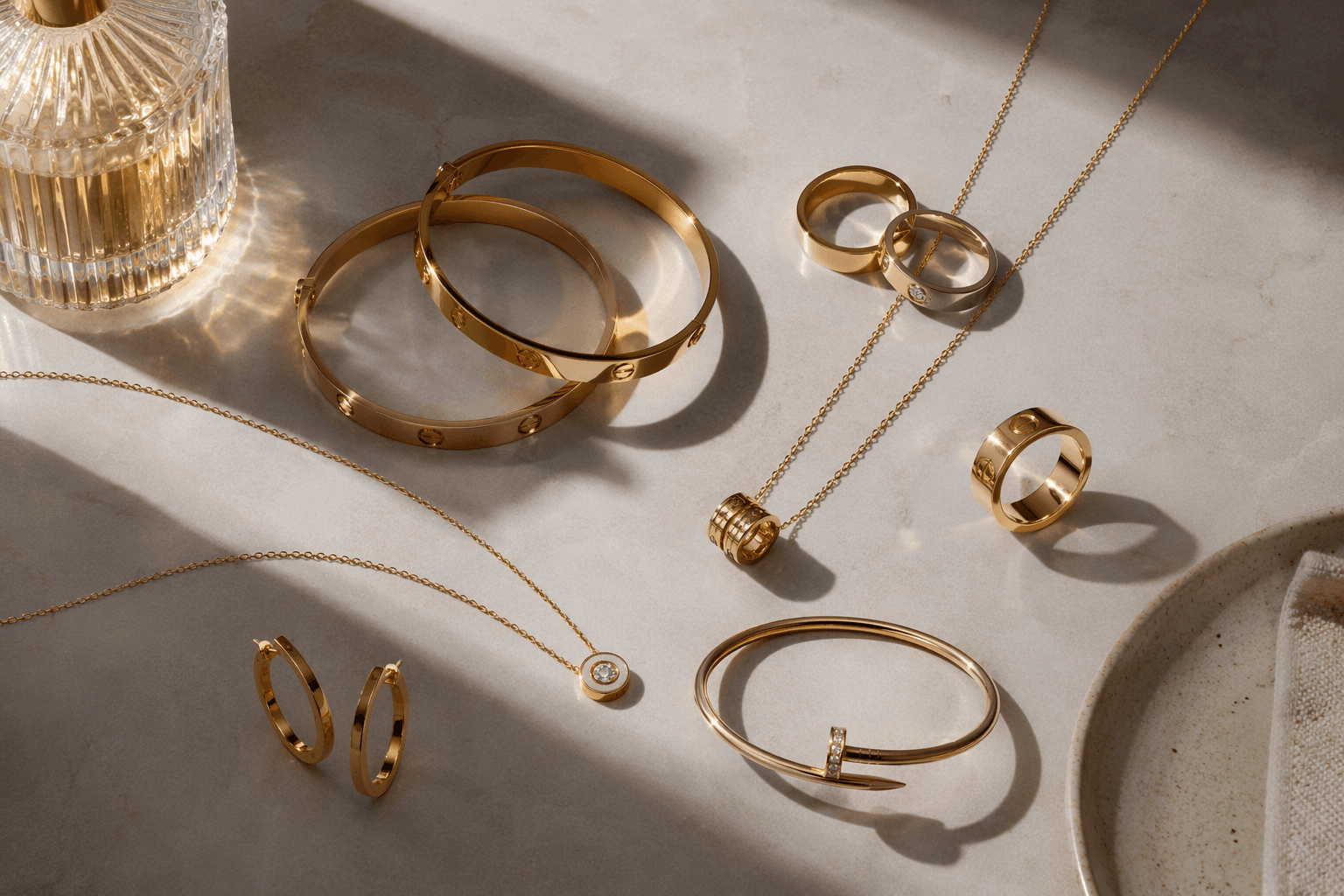
Layering is no longer about simply adding length or volume. It has become a way to signal taste, memory, and point of view. The best-selling pieces now tend to read as curated rather than matched: a chunky gold chain beside a slim cord, a diamond pendant paired with a vintage-leaning bead strand, or a mixed-metal wrist built slowly instead of bought as a set.
That shift matters because it changes the look of high-low styling. The old formula of mixing one fine piece with one inexpensive accent has softened into something more expressive. Shoppers are building collections with more intention, looking for jewels that can move between casual wear and statement dressing without losing identity.
Gold still leads, but not in the same way
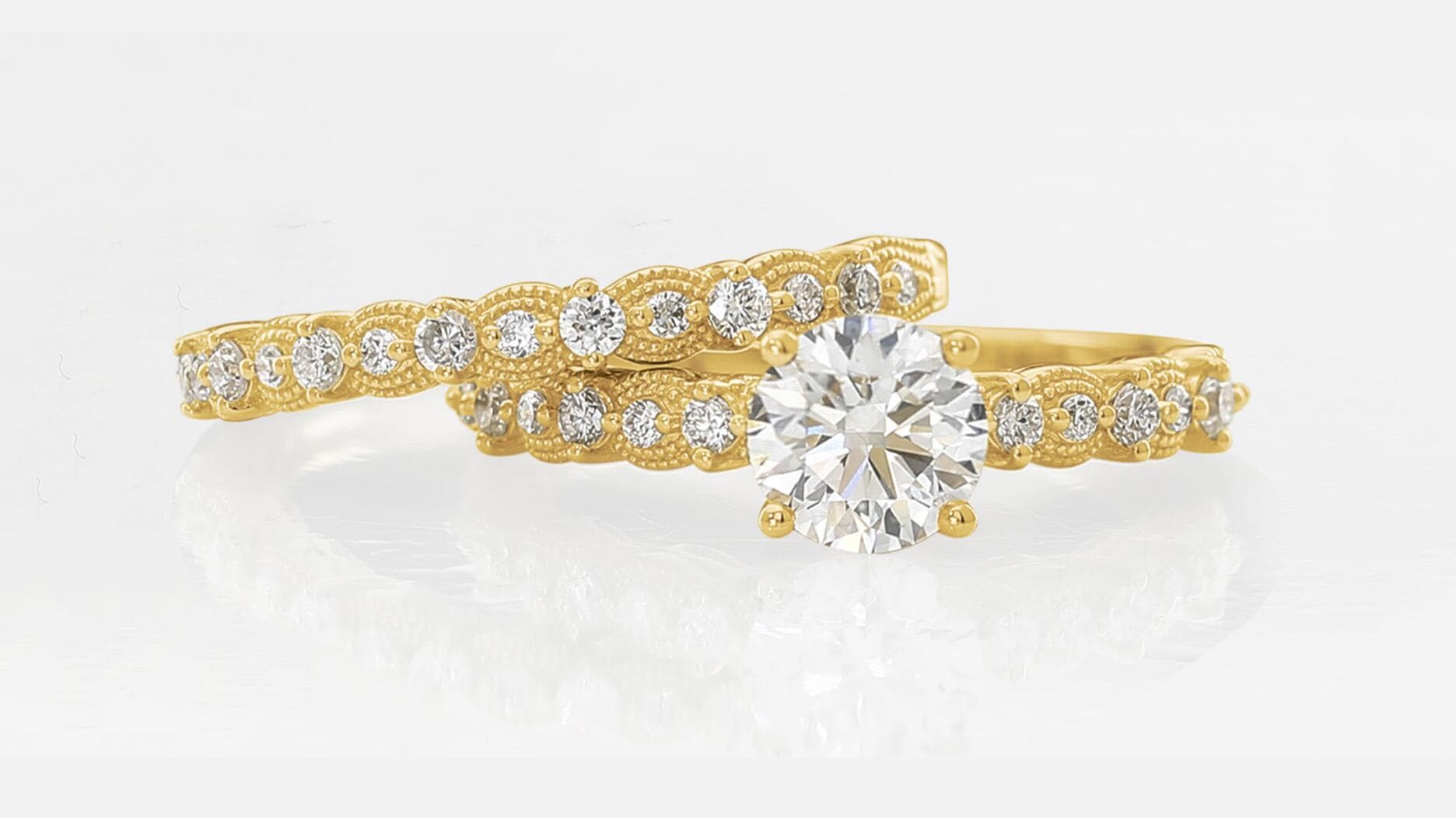
There is still a strong appetite for substantial gold jewelry and important diamonds, and that keeps the top end of the market visually powerful. But another force is shaping the category: gold prices have been at all-time highs, pushing designers to work more creatively with stones, cords, beads, and found objects.
That pressure has not diminished luxury; it has changed its language. Instead of relying only on weighty precious metal, designers are composing layered pieces that feel richer in texture. Yellow gold remains central, but it is often used as punctuation, framing a stone, anchoring a clasp, or giving structure to a stack rather than carrying the whole composition.
The K-shaped consumer is changing what feels current
Edahn Golan has described the market as K-shaped, with consumers at the top and bottom pulling demand in different directions while the middle softens. In jewelry, that divide is visible in taste as much as in price points. One side wants approachable pieces that can be collected, mixed, and personalized. The other wants unmistakable luxury, where diamonds are larger, gold is more substantial, and the whole look announces itself.

That split is reshaping what feels modern. The center is no longer the safest place to sit stylistically. What feels fresh now is either restrained but personal, or lush and unapologetic. In both cases, the appeal is clarity. The jewelry says what it is.
What stood out in Vegas
The wider Las Vegas jewelry-week mood reinforced that sense of personality. Color, storytelling, vintage influence, playful design, and emerging talent all played into a broader move away from purely status-driven dressing. Jewelry was not behaving like a static asset; it was behaving like fashion, memory, and narrative layered together.
One standout example was a vintage bakelite cuff with 18k yellow gold, a piece that captured the season’s appetite for contrast. Bakelite brings an archival, almost collectible energy, while the yellow gold gives the cuff a luxurious finish and a firm visual anchor. That kind of piece sums up the moment well: not minimal, not precious in a conventional sense, but undeniably elevated.
How layering is evolving in practice
The most convincing layered looks now rely on contrast rather than repetition. A polished gold collar looks sharper beside a textured strand. Diamonds feel fresher when they are not always paired with more diamonds. Cords and beads, once treated as supporting actors, are increasingly part of the main cast.

- Substantial gold is still the foundation for the upper end of the market, but it is being balanced by lighter, more tactile materials.
- Diamonds remain essential, especially when they add brightness to stacked necklaces or bracelets.
- Mixed-media construction gives layered jewelry movement, which keeps the look from feeling rigid or overly matched.
- Personal stacks are winning because they look accumulated, not assigned.
This is also where Couture’s programming matters. Initiatives such as Belonging @ Couture and The Iridescence show an industry trying to refresh the category from within, making room for newer voices and a broader definition of luxury. In a market where the strongest pull is toward distinctiveness, those emerging-designer showcases do more than add variety. They help set the visual vocabulary for what comes next.
The new luxury is legible
Couture’s best pieces do not blur into the background. They are legible at a glance, whether they are built from heavy gold links and diamonds or from a more unexpected mix of cords, beads, and found objects. That is the deeper story of the season: layering is becoming less about decoration and more about identity.
The middle may be softening, but the look of jewelry is not. It is hardening into two vivid styles, one approachable and deeply personal, the other rich and emphatic, and both are pushing fine jewelry toward a more distinctive future.
This article was produced by Prism’s automated news system from verified source data, official records, and press releases, then run through automated quality and moderation checks before publishing. The system is built and supervised by the people who set the standards it runs under. Read our full AI policy.
Did this article answer your question?