Doug Meadows’ Sierra Leone trip deepens his natural diamond conviction
Doug Meadows returned from Sierra Leone with a firmer case for one traceable natural diamond, a piece he sees as the anchor in a leaner jewelry wardrobe.

Doug Meadows left Sierra Leone with a sharper argument for natural diamonds and a simpler idea of luxury: one well-chosen stone can carry more meaning than a stack of interchangeable accents. The cofounder of David Douglas Diamonds & Jewelry, a fourth-generation family jeweler in Marietta, Georgia, had already been selling both natural and lab-grown diamonds. After the trip, his conviction about the natural side deepened, not because lab-grown stones lost relevance, but because origin, traceability, and history suddenly felt like the point.
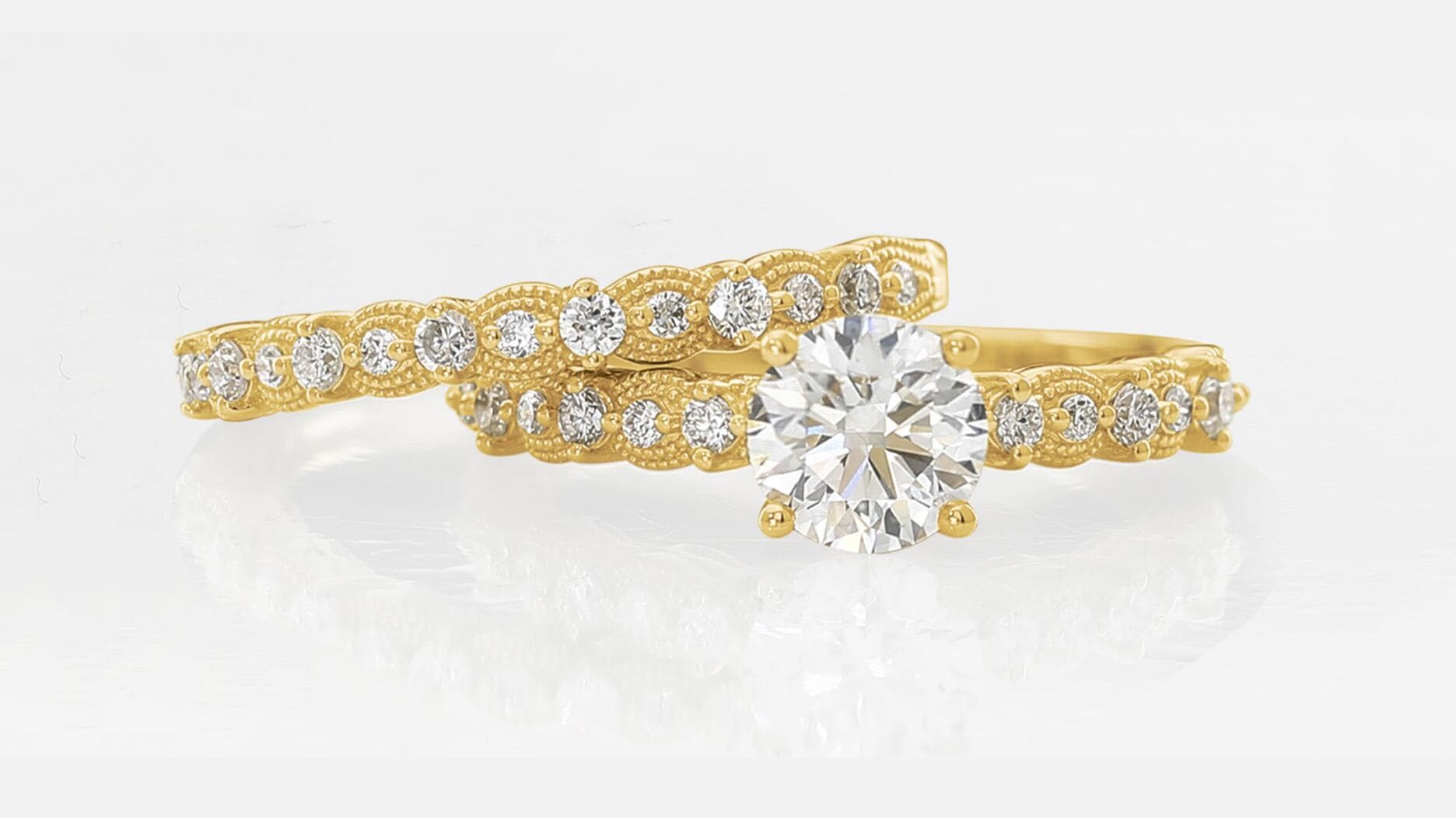
That matters in a jewelry wardrobe built around layering, where the temptation is to buy repeatedly, then replace again. Meadows’ lens is different. A natural diamond with a documented supply chain can function as the anchor piece, the one element that gives quieter bands, chains, and stackable rings a center of gravity. In a market crowded with look-alikes, provenance becomes part of the styling value, the detail that makes a necklace or ring feel chosen rather than accumulated.
Sierra Leone gave that idea its emotional charge. Diamonds helped fuel the country’s civil war, and U.S. historical material notes that international efforts later worked to prevent the illegal sale of diamonds from the country. Sierra Leone joined the Kimberley Process in 2003, and the UN-backed system says its mission is to help eliminate conflict diamonds. It now includes 60 participants representing 86 countries and covers nearly all rough diamond production worldwide, a scale that shows how central origin has become to the modern diamond story.
The country’s production figures make the case concrete. Official Kimberley Process statistics put Sierra Leone’s rough-diamond output at 641,469.10 carats worth $119,434,480.22 in 2020, down from 811,604.67 carats valued at $167,654,347.87 in 2019. More recent reporting and government figures suggest the mining sector remained economically important in 2024, with mining exports put at more than $1.12 billion by the Ministry of Mines and Mineral Resources and at about $1.2 billion by the mines minister. The World Bank says Sierra Leone remains rich in natural resources, including diamonds, while still carrying the long-term economic legacy of war.
For Meadows, that combination of beauty and burden is exactly why a natural diamond still holds force. David Douglas Diamonds & Jewelry says it offers both natural and lab-grown stones, and that duality fits the current market. But Sierra Leone reminded Meadows that a natural diamond can be more than a finish. In a jewelry wardrobe built to be worn, re-worn, and pared back with intention, it becomes the piece that keeps the rest of the collection honest.
This article was produced by Prism’s automated news system from verified source data, official records, and press releases, then run through automated quality and moderation checks before publishing. The system is built and supervised by the people who set the standards it runs under. Read our full AI policy.
Did this article answer your question?