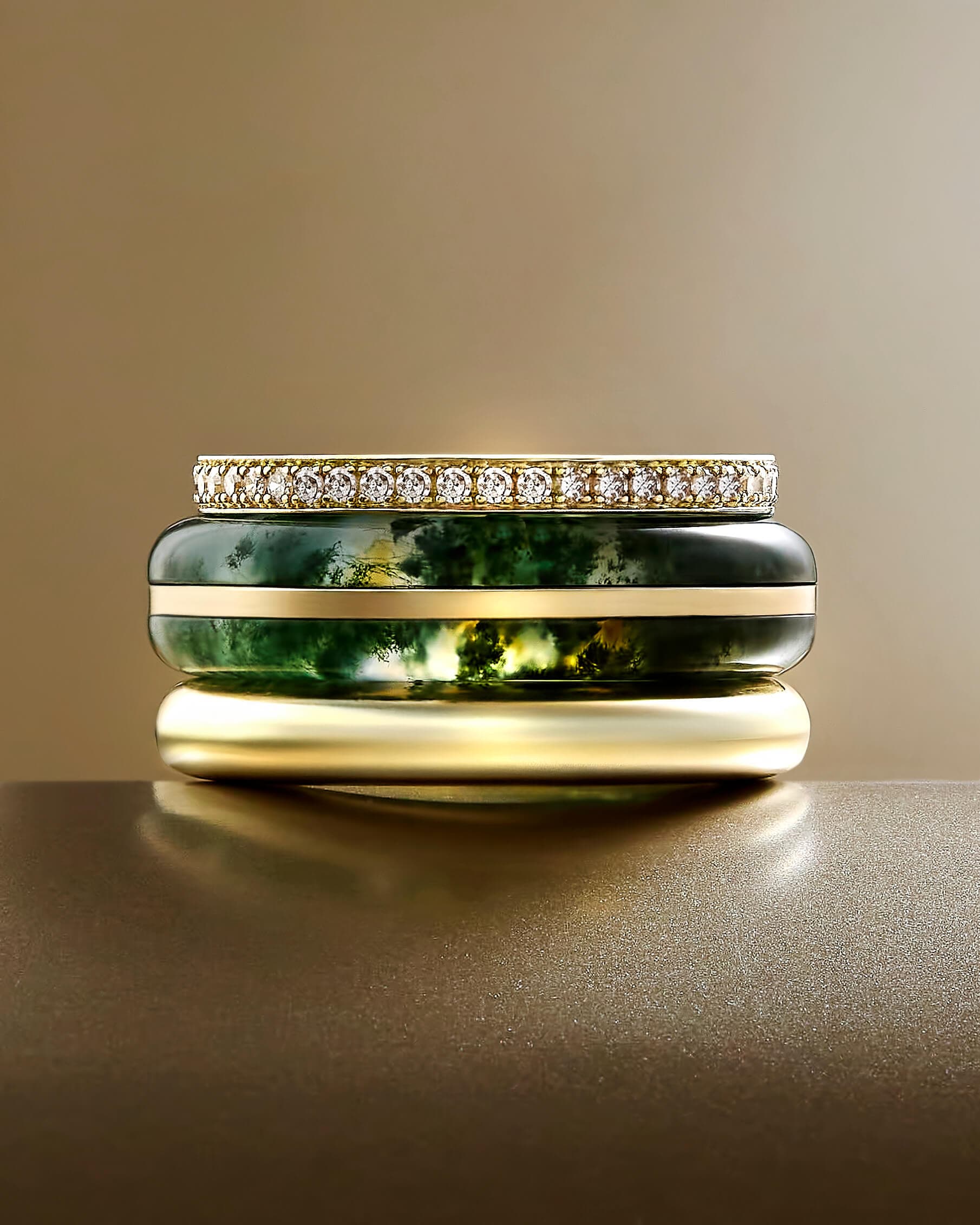
Fashion Trust U.S. Awards Spotlight Emerging Jewelry Designers and Bold Layering Trends
Josefina Baillères and Andrea Marron took FTUS grants, while the pink carpet showed how designers layer jewelry when no stylist is calling the shots.
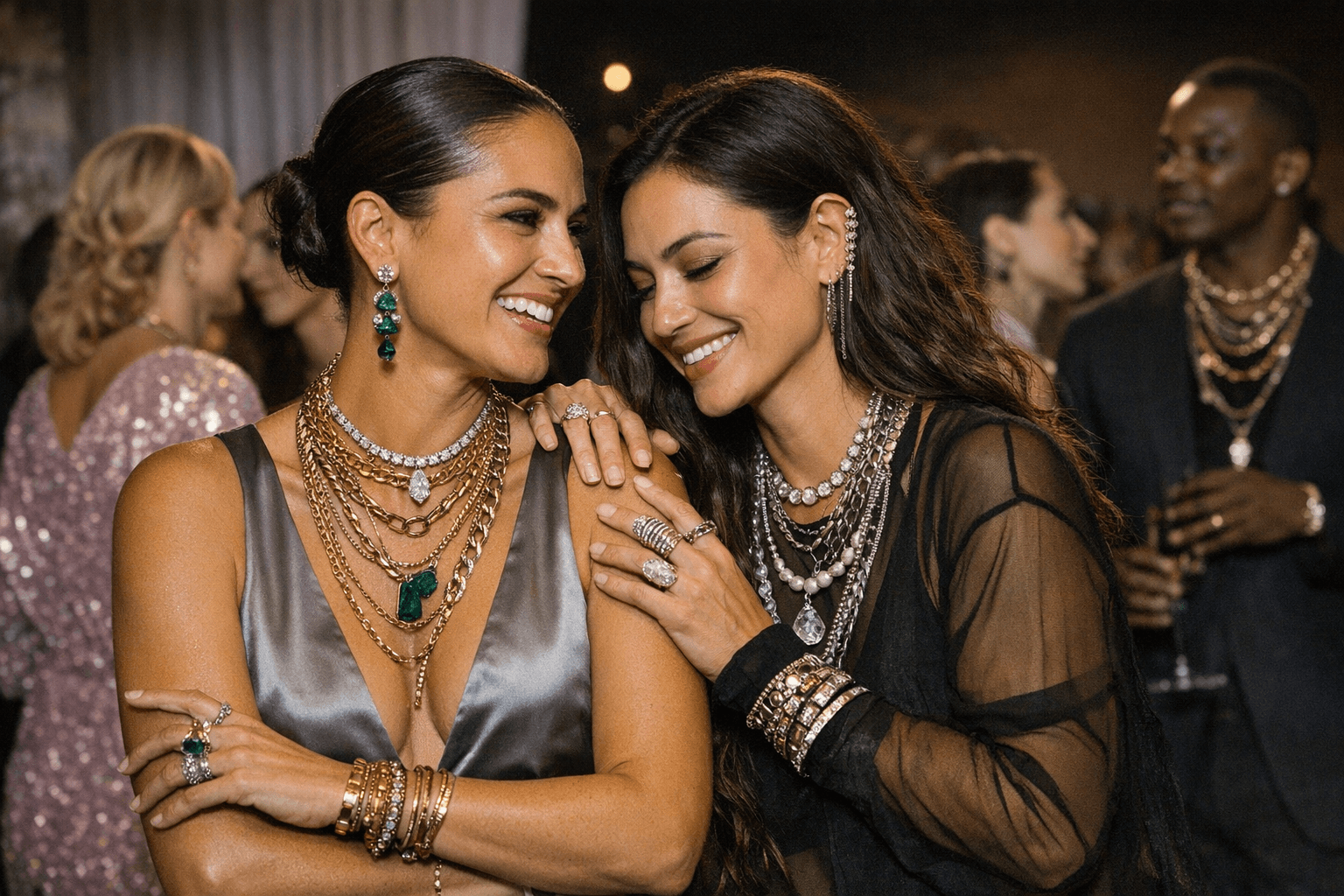
When the Fashion Trust United States handed out its 2026 grants, the jewelry world had two new names to watch: Josefina Baillères, who took the Jewelry category, and Andrea Marron, who won in Accessories. The awards, which come with financial grants rather than ceremonial trophies, were only part of the story. The pink carpet offered a rare, unfiltered view of how working designers actually style jewelry when they dress themselves.
That distinction matters. The FTUS, the U.S. arm of a global fashion philanthropy network co-founded by Tania Fares, centers its event on emerging American designers across Womenswear, Menswear, Accessories, and Jewelry. Unlike galas where celebrity stylists control the visual narrative, the FTUS pink carpet, a deliberate branding choice that sets the event apart from traditional red-carpet culture, puts the designers themselves center stage. The people wearing the jewelry are typically the honorees' clients, collaborators, and peers, meaning the styling choices reflect authentic taste rather than paid placement.
What the carpet revealed this year was a commitment to layered necklaces executed with genuine architectural logic. The dominant formula ran three tiers deep: a choker as the base layer, a mid-length chain as the focal point, and a long pendant to anchor the look below. Mixed-metal combinations, gold paired with silver or with oxidized finishes, appeared consistently across the gallery L'Officiel documented on April 8.
The approach mirrors a shift that had been building in the market. Necklace stacking ranked among the fastest-growing jewelry categories in both 2024 and 2025, fueled by social media styling content and brands introducing starter stack kits designed to lower the entry point. What separates the FTUS carpet from a trend report, though, is authorship: the people wearing these pieces are designers making deliberate choices about their own aesthetic language, not forecasters projecting what consumers might want next season.
Baillères' Jewelry win carries particular weight given the direction the industry has been moving. Her work is rooted in cultural heritage and artisan craft traditions, a narrative approach to fine and semi-fine jewelry that has gained traction as buyers increasingly ask not just what a piece is made of, but where it comes from and who made it. The FTUS selection suggests that scrutiny is now shaping who gets recognized at the grant level, not just who gets press.
Marron's Accessories win reflects a separate but related conversation. At a moment when mixed-metal layering has become one of the defining visual signatures of mid-2020s red-carpet dressing, the boundary between accessories design and jewelry design has become genuinely porous.
As a nonprofit, the FTUS positions itself as an early-stage funding mechanism at precisely the moment when emerging designers most need capital. The grant structure gives the recognition commercial weight that a trophy alone cannot.
This article was produced by Prism’s automated news system from verified source data, official records, and press releases, then run through automated quality and moderation checks before publishing. The system is built and supervised by the people who set the standards it runs under. Read our full AI policy.
Know something we missed? Have a correction or additional information?
Submit a Tip