Gen Z drives U.S. diamond jewelry sales beyond bridal gifting
Gen Z is buying diamonds for themselves, not just engagements, and De Beers says that is lifting U.S. average spend to $4,063 a piece.
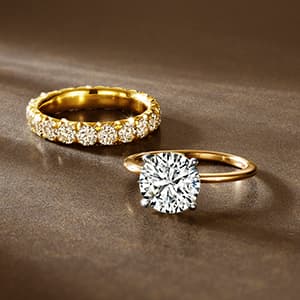
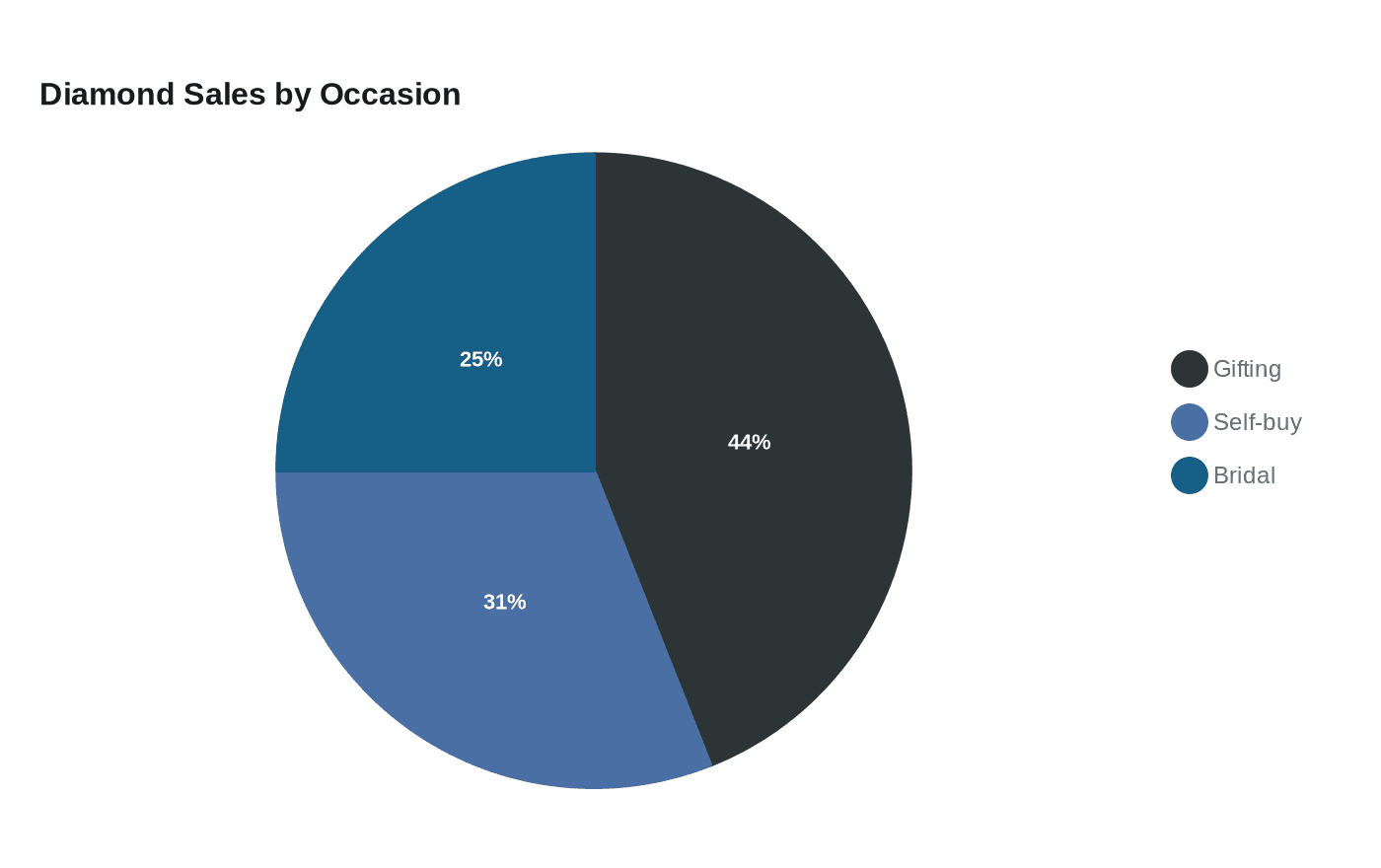
Younger buyers are recasting diamond jewelry as something to wear, layer and claim for themselves, not just receive at the altar. De Beers’ latest U.S. study shows that non-bridal occasions now account for three-quarters of demand, with gifting at 44% of sales in 2025 and self-purchases at 31%, while bridal buying has fallen to 25% of U.S. natural-diamond demand.
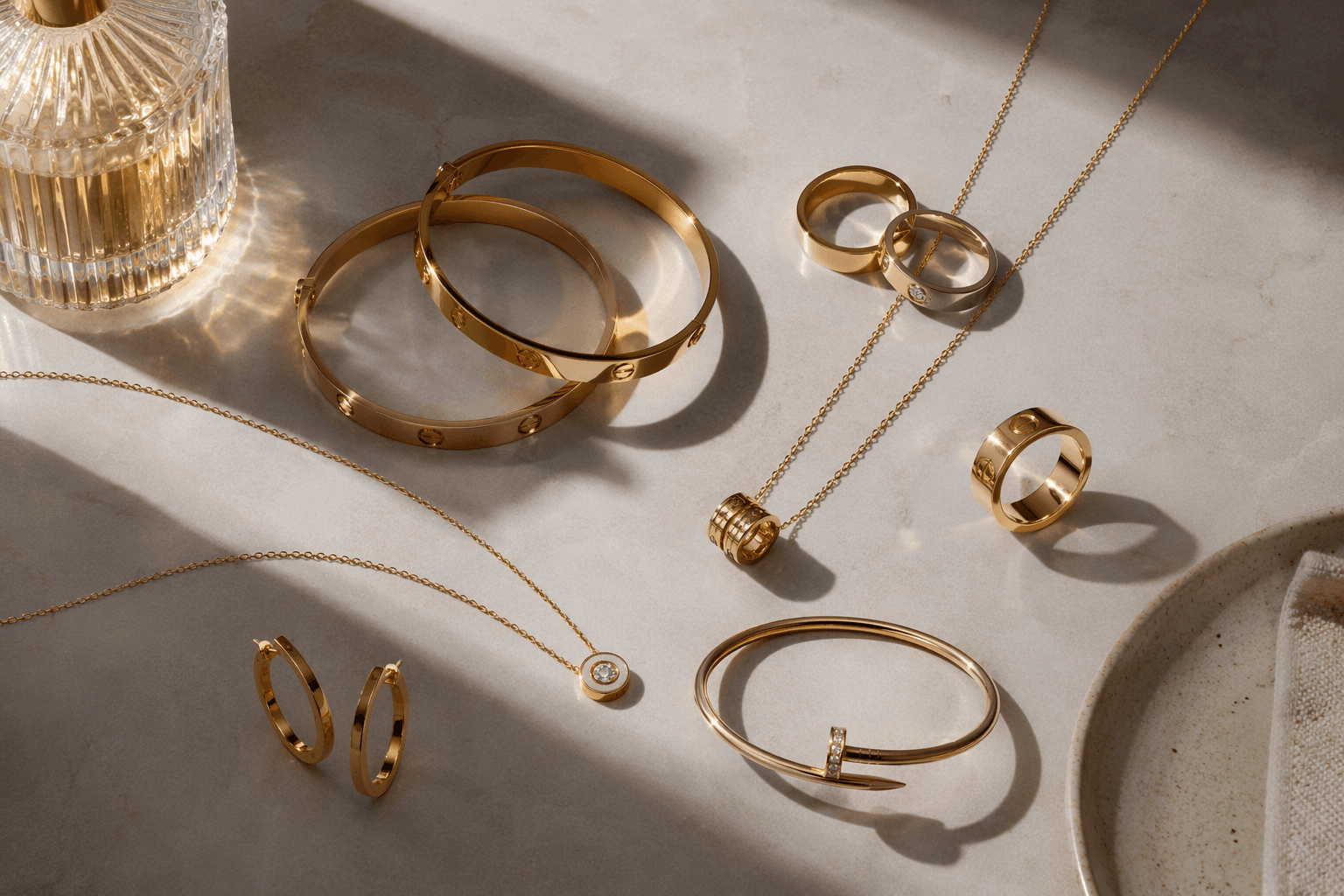
The numbers suggest a market moving toward everyday personalization, the kind that favors diamond pendants tucked into a chain stack, tennis bracelets worn beside a watch, and studs that become the quiet anchor of a daily ear stack. De Beers’ biannual U.S. Diamond Acquisition Study surveyed 18,500 women ages 18 to 74, and the company says average purchase prices rose 25% to $4,063 in 2025 from $3,242 in 2023. Average carat weight also climbed, from 1.65 carats to 1.86 carats, a sign that buyers are trading up as they buy for themselves.
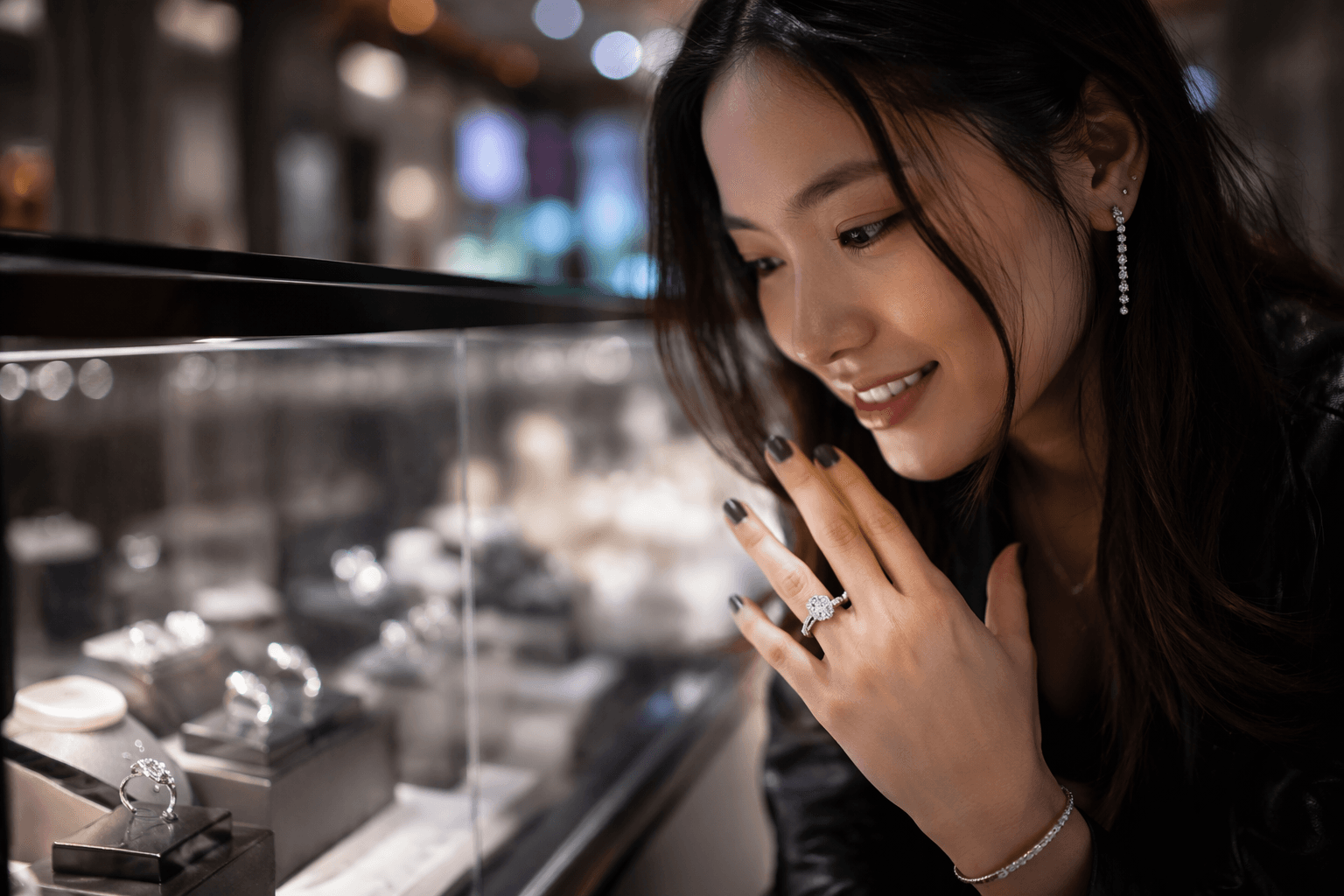
Gen Z is now the second-largest generation buying natural diamond jewelry, and its average spend is about $4,080 per piece, well above the $2,250 average for baby boomers. That gap matters for layering, where a younger customer may buy one better diamond piece at a time, then build around it rather than waiting for a single milestone purchase. Men also remain a powerful force in the category, spending on average 1.8 times more than women on natural-diamond jewelry and self-purchasing at a higher rate, with 36% of men’s new acquisitions coming from self-purchase compared with 30% for women.
Natural diamonds still hold the top slot in luxury desire. In the study, 11% of respondents chose natural diamond jewelry as their most desired luxury gift, ahead of lab-grown diamonds at 8%, colored gemstones at 5% and plain gold jewelry at 4%. That preference comes as lab-grown stones continue to absorb more of the lower end of the market. At JCK’s Las Vegas show, analyst Edahn Golan said lab-grown diamonds’ share of engagement ring sales rose from about 10% in 2020 to 58% in 2025, a shift that has helped push the average value of natural-diamond purchases higher.
De Beers has answered with a louder commercial push, including its Desert Diamonds campaign and the launch of Desert Diamonds Icons at JCK Las Vegas on May 29, 2026. The company says the line is supported by the diamond industry’s largest marketing budget in 15 years. Feriel Zerouki, now president of the World Diamond Council, has argued that natural-diamond buying is broadening in color and size, and the latest U.S. data suggests the category’s next chapter is being written less by bridal tradition than by self-styled accumulation.
This article was produced by Prism’s automated news system from verified source data, official records, and press releases, then run through automated quality and moderation checks before publishing. The system is built and supervised by the people who set the standards it runs under. Read our full AI policy.
Did this article answer your question?