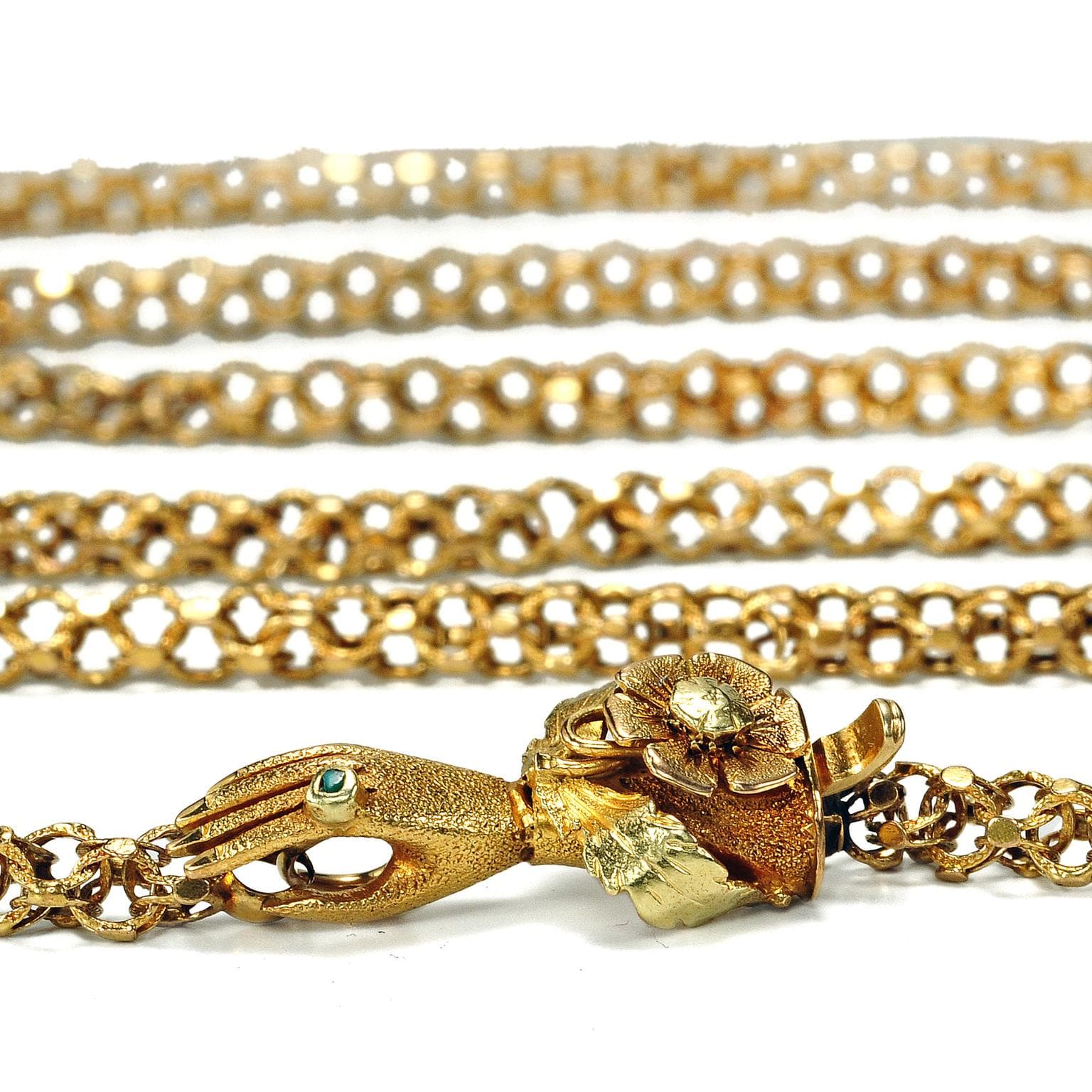
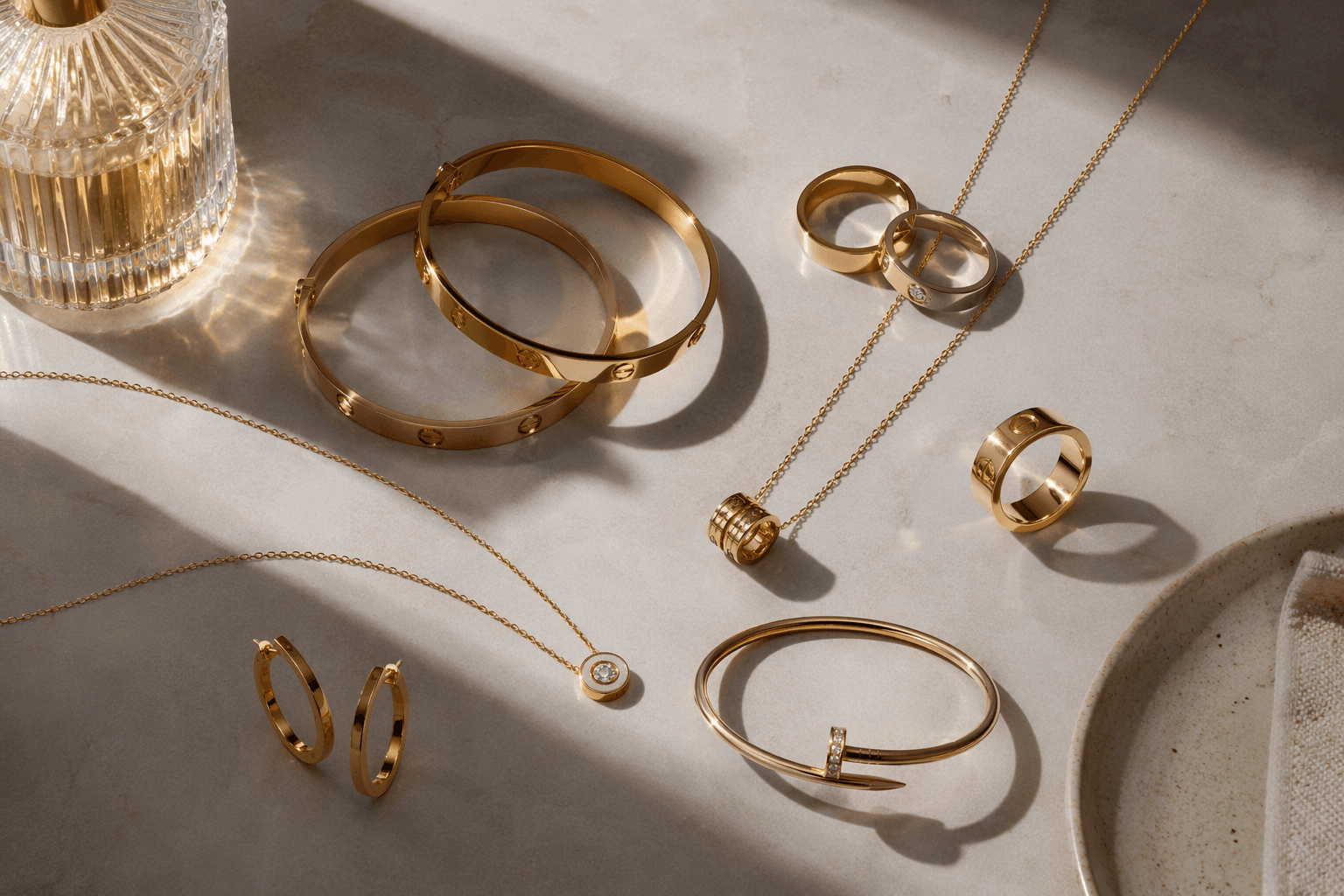
goop shows how to make jewelry stacks look chic and effortless
Jewelry stacks are shifting from random abundance to polished, intentional layers, with mixed metals, signets, and spaced necklaces leading the 2026 look.

The new mood in jewelry layering
Layered jewelry is no longer about piling on more and hoping it works. The sharper look now is edited, balanced, and visibly considered, the kind of stack that looks collected over time instead of assembled in a rush. goop’s latest framing captures that shift by treating layering as a practical way to make jewelry stacks look chic and, perhaps more importantly, effortless.
That matters because the category is bigger than a styling trick. goop presents jewelry as a statement maker, with pieces that can function like classic heirlooms in the making, while another goop piece spells out the emotional appeal plainly: jewelry is expressive, because it tells a personal story as much as it completes an outfit. The result is a new kind of stack culture, one that rewards taste, restraint, and repetition with intent.
What actually signals 2026 direction
The strongest layering looks are moving away from random maximalism and toward a more polished formula. Recent fashion coverage places stacking and layering among the biggest jewelry trends, and the 2026 read is especially clear: mixed metals, colored stones, chunky rings, and curated stacks are setting the tone. The word curated is doing a lot of work here. It suggests that the eye now wants structure, not just volume.
That shift is easy to see in the pieces that feel most current. Necklace layering is becoming more deliberate, with visible spacing between lengths instead of a dense tumble at the collarbone. Ring stacks are also getting smarter, especially when a signet is used as an anchor and slimmer bands are added with restraint. Even when the stack is bold, the effect should feel controlled, not chaotic.
The necklace formula that feels modern
The old temptation with necklaces was to keep adding until the neckline disappeared. The newer approach is to create breathing room, so each chain has a job. A short chain near the collar, a pendant a few inches lower, and a longer chain that drops cleanly can read far more expensive than a crowded cluster of similar links.
That is where goop’s “effortless” idea becomes useful: the stack should look like it had editing, even if it was built in minutes. Keep one focal point, whether that is a pendant, a locket, or a simple gold bar, and let the other chains support it rather than compete with it. The point is not less jewelry. It is better spacing.
Copyable necklace formulas
• A fine choker, one mid-length pendant, and one longer plain chain • Two slender gold chains, one textured or beaded, with an open gap between each length • One statement pendant worn alone at the center, then paired with a shorter whisper-thin chain
These combinations work because they create hierarchy. The eye knows where to land first, then moves naturally from one layer to the next.
Mixed metals, but controlled
Mixed metals are everywhere in the current conversation, but the polished version is not a free-for-all. The best stacks use contrast with discipline, repeating each metal tone more than once so the combination looks intentional. A yellow-gold chain can sit comfortably beside sterling silver if each material appears again elsewhere in the look, or if one piece bridges the two tones.
This is one of the clearest signs that effortless styling is becoming more exacting. Instead of treating mixed metals as permission to wear everything at once, the new rule is balance. If the stack contains both warm and cool metals, the overall composition should still feel tied together by shape, weight, or finish.
Copyable mixed-metal formulas
• Two yellow-gold chains, one silver chain, and a ring or bracelet that repeats the mixed palette • One dominant metal, one accent metal, and no more than one highly textured piece • A silver signet, a gold band, and one neutral pendant that keeps the stack from feeling split
Signet and ring layering are back in focus
Ring stacking is where the shift away from random maximalism becomes most visible. The signet revival gives the stack a point of authority, because a signet has presence even when it is flat and understated. Paired with a slim band and one stone-set ring, it creates a rhythm that feels more architectural than decorative.
Chunky rings still have a place, but they work best when they are treated as punctuation rather than a chorus. One substantial ring can anchor the hand; a second, slimmer ring can echo it. Too many oversized pieces in the same field flatten the gesture, while one or two distinct forms keep the hand readable and elegant.
Copyable ring formulas
• One signet, one slim band, one ring with a colored stone • A chunky ring on the index finger, paired with two lighter bands on neighboring fingers • One polished metal ring repeated in two widths, with a single gem-set piece as the focal point
Why the market is paying attention
This styling shift is not happening in a vacuum. The Business of Fashion notes that jewelry continues to outperform the wider luxury market, which helps explain why stacking is being treated as a serious category signal rather than a fleeting social-media trick. The commercial scale is substantial too: the U.S. jewelry market was valued at USD 78.4 billion in 2024, with Research and Markets projecting it could reach USD 97.62 billion by 2030, while Grand View Research sees a path to USD 114.11 billion by 2033.
Those numbers matter because they show how much attention is now attached to how jewelry is worn, not just what is sold. In a market this large, the winning look is rarely the loudest one. It is the stack that feels personal, materially considered, and easy to repeat, the kind of composition that can move from daily wear to heirloom territory without losing its shape.
The real lesson of the new stacking mood
Layering has been one of jewelry’s oldest expressions, and that history is exactly why the current version feels credible. Maximalism is not disappearing, but it is being refined. The stacks that look most current now are built with spacing, repetition, and a clear point of view, which is why goop’s approach lands: it treats jewelry as something to compose, not merely accumulate.
That is the direction to watch in 2026. Jewelry still wants abundance, but it wants order too, and the chicest stacks are the ones that make that balance look completely natural.
This article was produced by Prism’s automated news system from verified source data, official records, and press releases, then run through automated quality and moderation checks before publishing. The system is built and supervised by the people who set the standards it runs under. Read our full AI policy.
Did this article answer your question?