Jessica McCormack’s Casual Diamonds Redefine Layered Fine Jewelry
Jessica McCormack turned diamonds into everyday layers, and celebrity demand has pushed the look from niche craft to modern luxury standard.

The new code for diamonds
Jessica McCormack has helped make one thing unmistakably clear: fine jewelry no longer has to wait for a gala. Her diamond pieces are styled to move with real life, worn with sweaters, tailoring, and red-carpet dresses with equal ease, and that flexibility has made her one of the clearest bellwethers in jewelry layering.
What makes the shift matter is not just visibility, but behavior. McCormack’s success reflects a broader investment pattern in which buyers treat fine jewelry less like a locked-away trophy and more like a wardrobe system, something stackable, repeatable, and daily enough to feel personal.
From antique language to modern wear
McCormack’s point of view starts with provenance of a different sort: she grew up in New Zealand surrounded by art and antiques collected by her father, an auctioneer and antiques dealer. That upbringing shaped a designer who came into the trade through Sotheby’s jewelry department, then launched her own label in 2008 with a clear mission, to make diamond jewelry contemporary, timeless, and worth passing down.
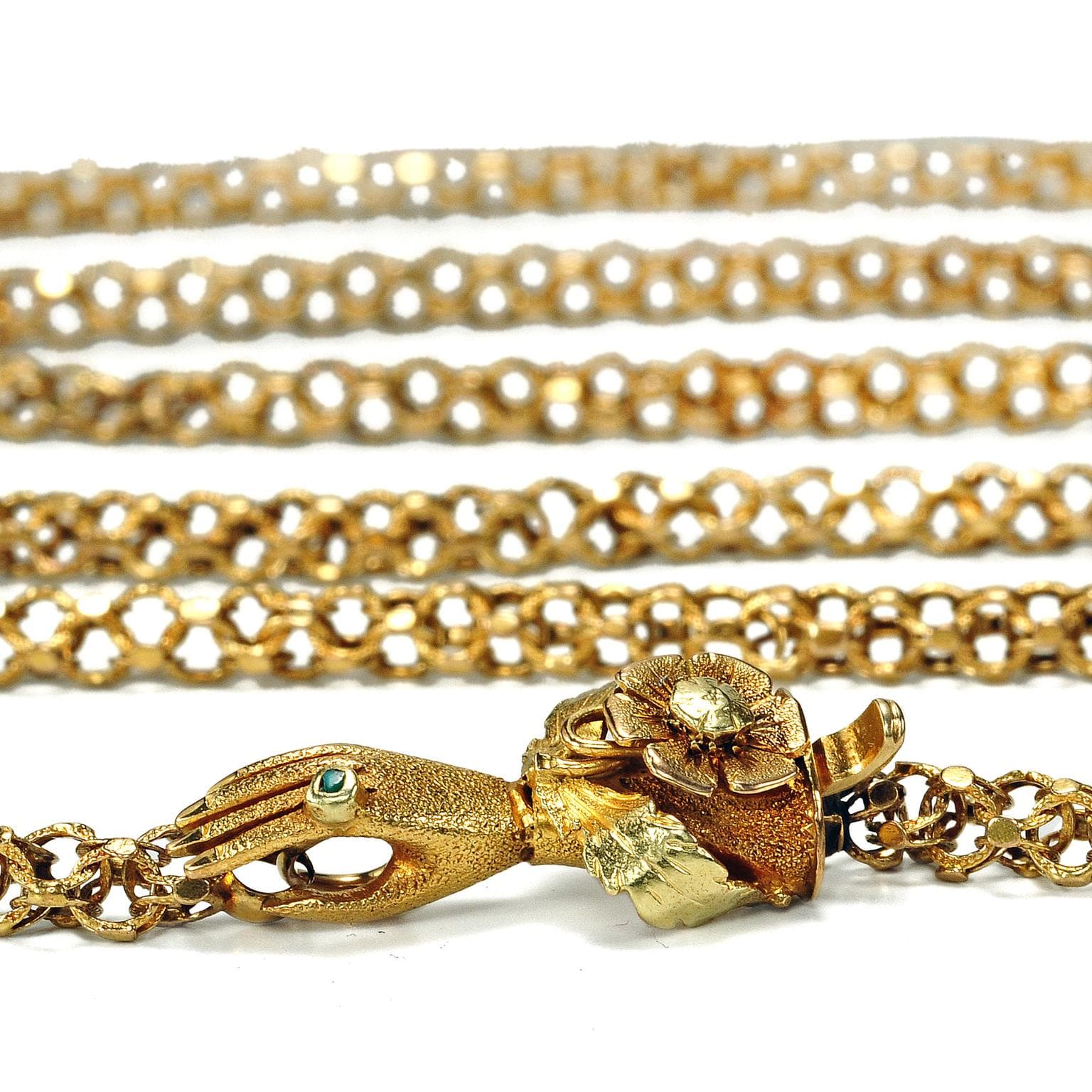
That balance between old and new still defines the house. Georgian and Victorian techniques, along with antique inspirations, show up throughout the collection, but they are softened into something more lived-in and less ceremonial. The brand’s language is not museum-like nostalgia; it is jewelry that borrows the authority of history and then strips away the stiffness.
McCormack has described that approach as “casualizing diamonds,” and the phrase captures the core of her appeal. These are not pieces designed to be saved for a single occasion, but to join the rotation, the way a great watch or a perfect blazer does.
What gives the layering its pull
The brand’s signature vocabulary is built for stacking and repeat wear. Day diamonds, foil-backed rings, and button-back settings all carry the look of something carefully made but not precious in the brittle sense. They feel tactile, slightly old-world, and easy to combine, which is exactly why they read as youthful rather than formal.
- Day diamonds bring diamond jewelry into daylight, where the stones are meant to feel natural, not overproduced.
- Foil-backed rings echo antique craftsmanship and give the stones a warmer, more intimate glow.
- Button-back settings add to the house’s vintage-informed structure while keeping the overall effect polished enough for evening.
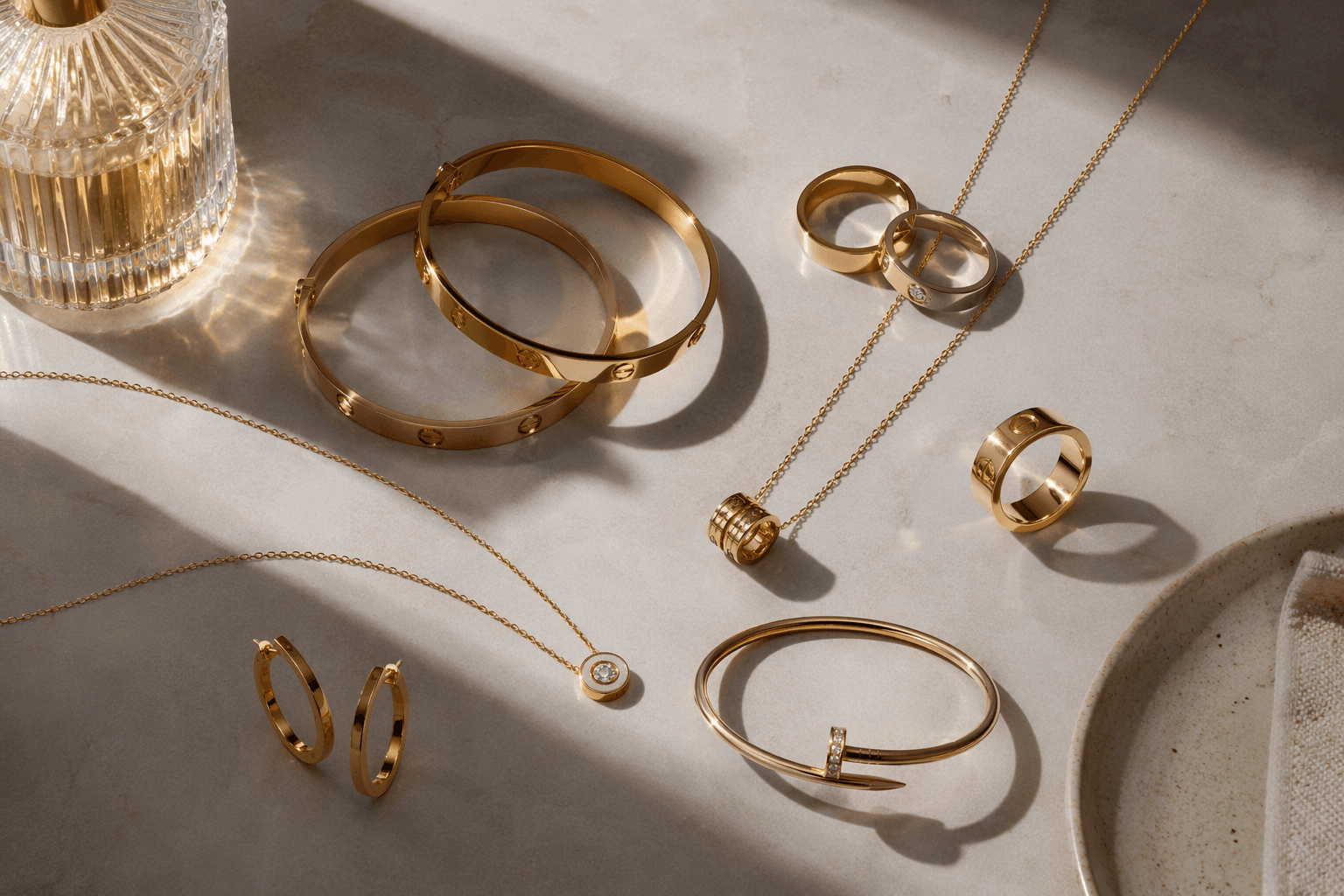
That combination is why McCormack’s jewelry works as a layering tool. A ring or pendant does not need to carry the full look alone. Instead, it can sit beside a watch, a signet, or a second diamond and still feel intentional, which is exactly how fine jewelry is being worn now.

Why celebrity validation matters here
The brand’s rise has also been amplified by a celebrity following that makes the styling feel culturally current rather than niche. Recent names linked to McCormack include Zendaya, Zoë Kravitz, Rihanna, Victoria Beckham, Dakota Johnson, Jodie Comer, and Julianne Moore. Zoë Kravitz is also reported to have become the brand’s first ambassador, a pairing that fits the label’s mix of understatement and edge.
That kind of visibility matters because it changes how the jewelry is read. On a star, a diamond stack no longer signals only wealth or occasion dressing. It signals fashion fluency, the ability to wear something costly in a way that still feels relaxed, almost offhand.
For readers tracking the market, that is the shift to watch. Celebrity validation is not merely about hype; it is helping fine jewelry behave more like a style category with repeatable silhouettes, recognizable signatures, and room for personal layering.
The retail expansion tells the same story
McCormack’s growth has not stopped at the wrist and the red carpet. In 2025, she opened her first store outside London on Madison Avenue in New York, a 3,200-square-foot space spread across two floors inside a 1879 Beaux-Arts building. The setting matters. A house that once seemed rooted in Mayfair now has a Manhattan address that places it squarely inside the modern luxury conversation.
The New York flagship includes exclusive stones available only there, a detail that pushes the brand further into collector territory while also reinforcing the idea that jewelry can be both personal and place-specific. The company’s expansion also includes a concession at Harrods, and its longstanding presence in Mayfair shows that the London base remains central even as American demand grows.
That U.S. move came after clear appetite from American clients, which helps explain why McCormack’s jewelry has traveled so well. It speaks fluently to shoppers who want heritage, but not heaviness; diamonds, but not ceremony; luxury, but not distance.
What this means for the way fine jewelry is bought now
McCormack’s strongest insight is simple: diamonds do not have to announce themselves to be valuable. When a ring, hoop, or pendant can be worn daily and still read as special, it starts to justify a place in the closet alongside the clothes it will actually be worn with.
That is the real investment shift beneath the celebrity gloss. Buyers are increasingly drawn to pieces that can accumulate meaning through repetition, not just through rarity. They want jewelry that layers well, survives trends, and moves from daytime to evening without losing its shape.
McCormack’s jewelry works because it understands that modern luxury is no longer about hiding the good stuff. It is about wearing it often enough that it becomes part of the story.
This article was produced by Prism’s automated news system from verified source data, official records, and press releases, then run through automated quality and moderation checks before publishing. The system is built and supervised by the people who set the standards it runs under. Read our full AI policy.
Did this article answer your question?