Three Easy Moves for Jewelry Layering That Looks Intentional
Jewelry layering now works best when every piece plays a different role. Texture, interruption, and a curated ear stack make old favorites look deliberate, not crowded.

The new rule for layering is contrast, not excess
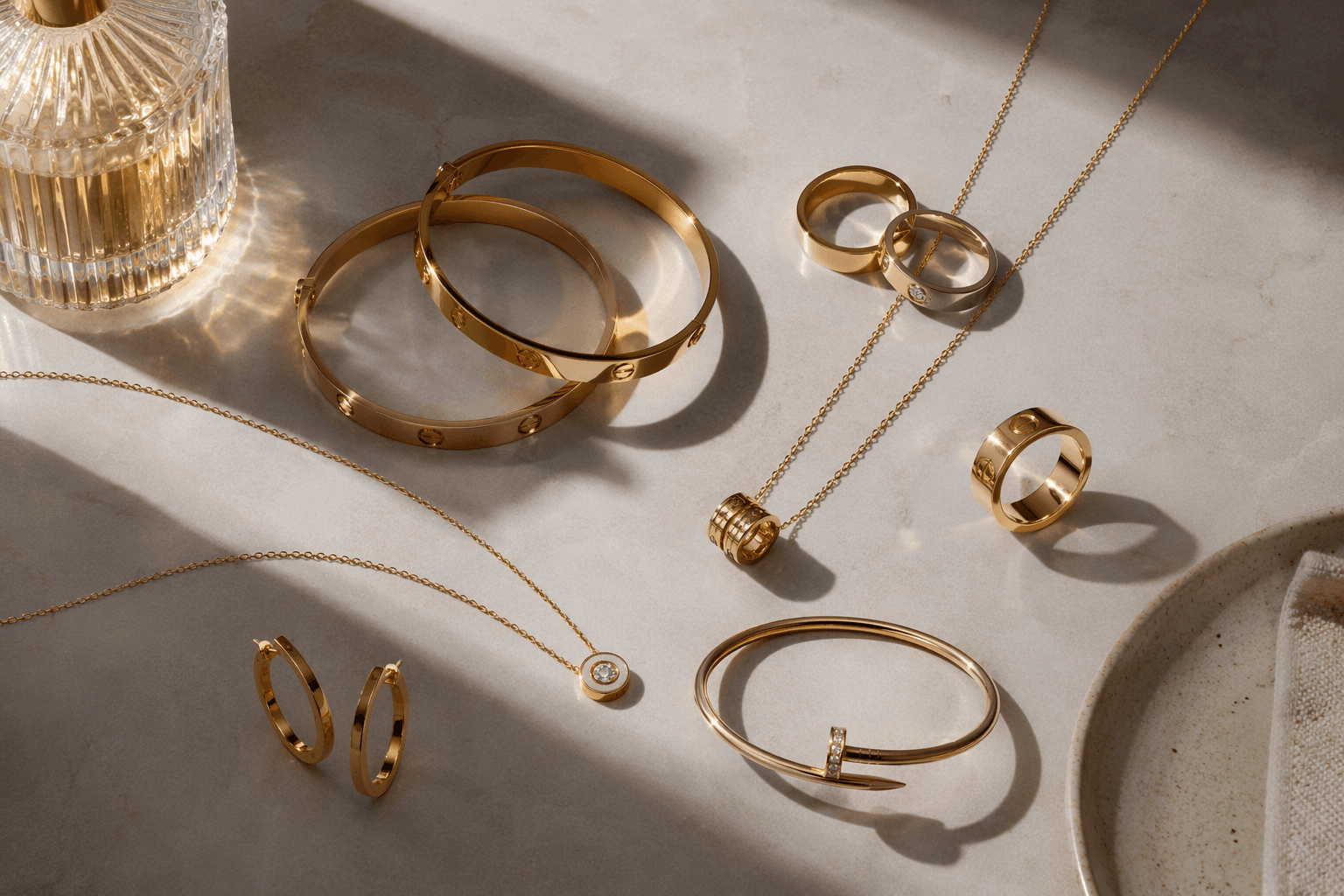
The most convincing jewelry stacks no longer look like they were assembled in a rush. They look edited, with one chain catching light differently from the next, one bracelet break giving the wrist room to breathe, and one ear stack that feels plotted rather than accidental. That shift matters because mixed metals and layered looks have moved from a fashion faux pas to a mainstream styling language, and the best versions now read as personal, polished, and quietly expensive.
The appeal is practical as much as aesthetic. Jewelry layering lets existing pieces do more work, which explains why the trend keeps returning whenever consumers become more selective about what they buy. A stack built from what you already own can look fresh without demanding a full reset of the jewelry box, and that frugality is part of its modern appeal.
The three moves that make a stack look intentional
Vary necklace textures and materials
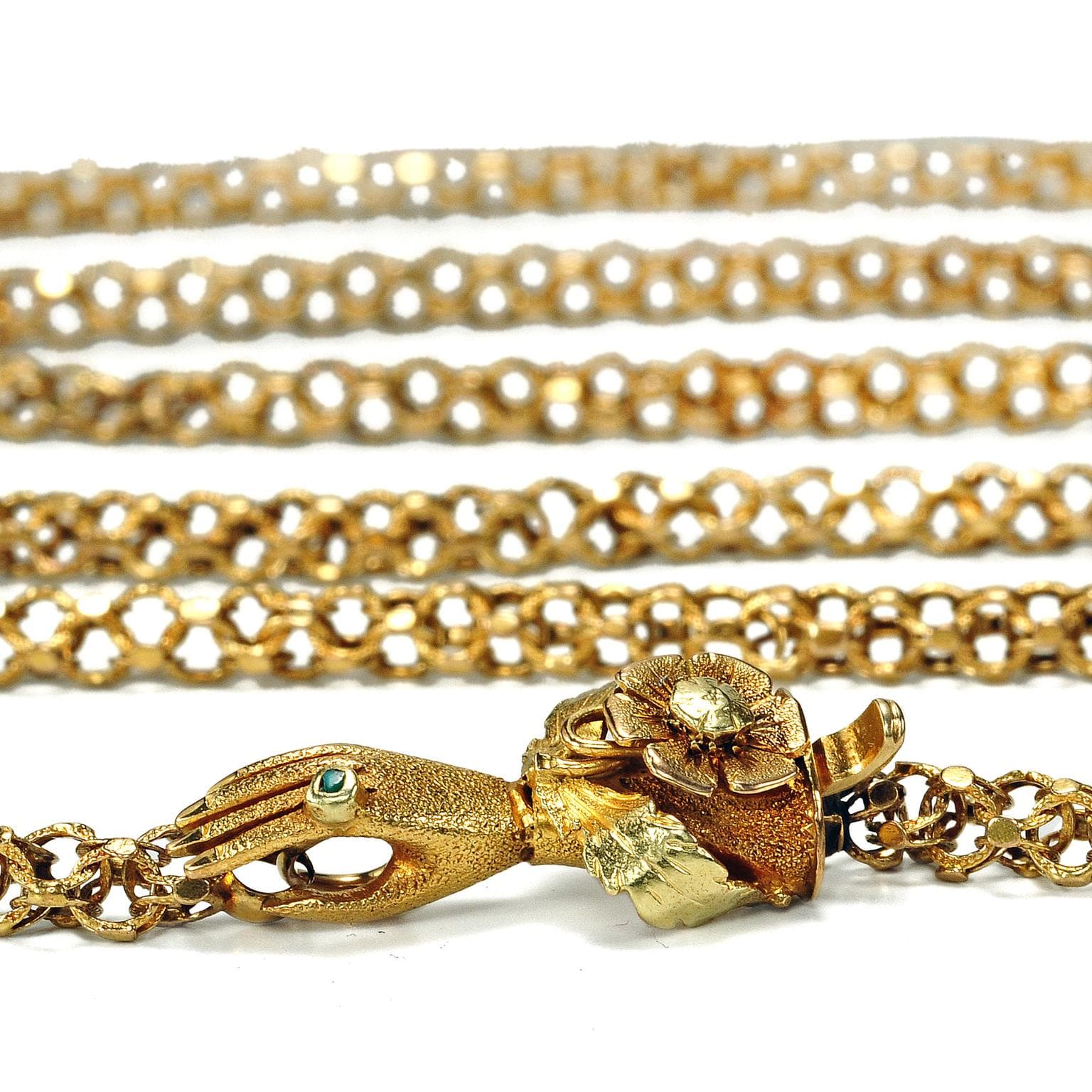
The strongest necklace layers do not match too neatly. A fine chain beside a heavier link, a polished surface against a softer texture, or a pendant dropped into a chain with a different finish gives the eye a place to land. Editorialist’s layering formula starts here for a reason: when the materials vary, the stack looks composed rather than repetitive.
That is also where quality matters more than quantity. Who What Wear’s layering advice says layered necklaces look personalized and elegant when the base pieces have variety and substance, not just more length. A few well-chosen chains, each with a distinct feel, will always look more expensive than a jumble of similar strands fighting for attention.
Interrupt bracelet stacks with daintier pieces
Bracelet layering can easily tip into noise, which is why the smartest wrist stacks use pauses. A wider cuff or a substantial chain bracelet can anchor the look, but a slimmer bangle, bead strand, or delicate link inserted between louder pieces gives the stack rhythm. That interruption is what makes a pile of bracelets feel styled rather than simply accumulated.
This is where maximalism becomes disciplined. Instead of wrapping the whole wrist in the same visual weight, the stack should move between volume and restraint so each piece can register. The result is not less jewelry, just better pacing.
Build an ear story with huggies and ear cuffs
The earscape has become the easiest entry point into mixed-metal styling, and it is also the most forgiving. Who What Wear recommends mixing earrings and cuffs across multiple piercings, starting with the daily pieces already in rotation and adding huggies, small hoops, and ear cuffs to create a layered effect. Because the ear is naturally compact, even tiny differences in shape, metal color, or stone size show up clearly.
Editorialist’s third move leans into that same logic. A stud, a huggie, and a cuff can create as much visual interest as a necklace stack if the proportions are right. The point is not to fill every inch of cartilage, but to make the ear read like a complete composition.
Why mixed metals stopped looking wrong
Gold and silver used to be treated like competing teams. That rule now looks dated, and 2022 coverage from Who What Wear made clear that mixing them has shifted from an old styling taboo to a normal choice. By 2026, the same outlet framed the trend as a way to make the most of what is already in the jewelry collection, which is exactly how a lot of luxury styling works now: less new-buy pressure, more smarter use of what is on hand.
The best mixed-metal stacks do not feel random. They work when one tone leads and the other supports, or when the mix appears repeatedly enough to look deliberate. That is why starting with daily pieces is such a practical move. A watch, a favorite chain, a pair of earrings, or a ring you wear constantly gives the stack a backbone, and the new additions simply widen the story.
Why provenance and identity now matter as much as shine
Layering may be visual, but the buying behavior behind it is increasingly ethical and brand-conscious. De Beers’ Diamond Insight Report found that 36% of women overall and 39% of Gen Z seek information on a brand’s ethical credentials when buying diamond jewelry. That is a sharp reminder that beauty alone is no longer enough for many buyers; they want to know where the stone came from, how it was made, and what the brand stands for.
The same report shows how much value branding now carries. Branded diamond jewelry accounted for two-thirds of all diamond jewelry purchases in the United States in 2021 and almost 80% of sales by value. Among Gen Z consumers, 76% of diamond jewelry purchases were branded. In other words, the story attached to a piece is no longer a side note. It is part of the product.
That shift sits inside a broader luxury market that has cooled after the post-pandemic rebound. Bain and Altagamma said in November 2025 that global luxury spending was expected to remain broadly stable at €1.44 trillion in 2025, while the personal luxury goods market was projected at about €358 billion. McKinsey’s State of Luxury research also pointed to strong growth from 2019 to 2023, followed by a 2024 slowdown. In a market like that, customization, recognizable design, and traceable value carry even more weight.
The look that lasts is the one with a point of view
The smartest jewelry layering is not about piling on more. It is about making contrast do the work, whether that means mixing metals, breaking up a bracelet run, or building an ear stack with huggies and cuffs. When the pieces vary in texture and purpose, the result looks considered, current, and worth keeping. The most modern stack is the one that feels like it was edited with intention, because that is what makes it read as style rather than excess.
This article was produced by Prism’s automated news system from verified source data, official records, and press releases, then run through automated quality and moderation checks before publishing. The system is built and supervised by the people who set the standards it runs under. Read our full AI policy.
Did this article answer your question?