KATSEYE wears $328,930 of Tacori jewels at the AMAs
KATSEYE turned Tacori’s bridal-coded diamonds into a stage-ready layering statement, wearing $328,930 in cuffs, hoops, rings and a diamond collar at the AMAs.

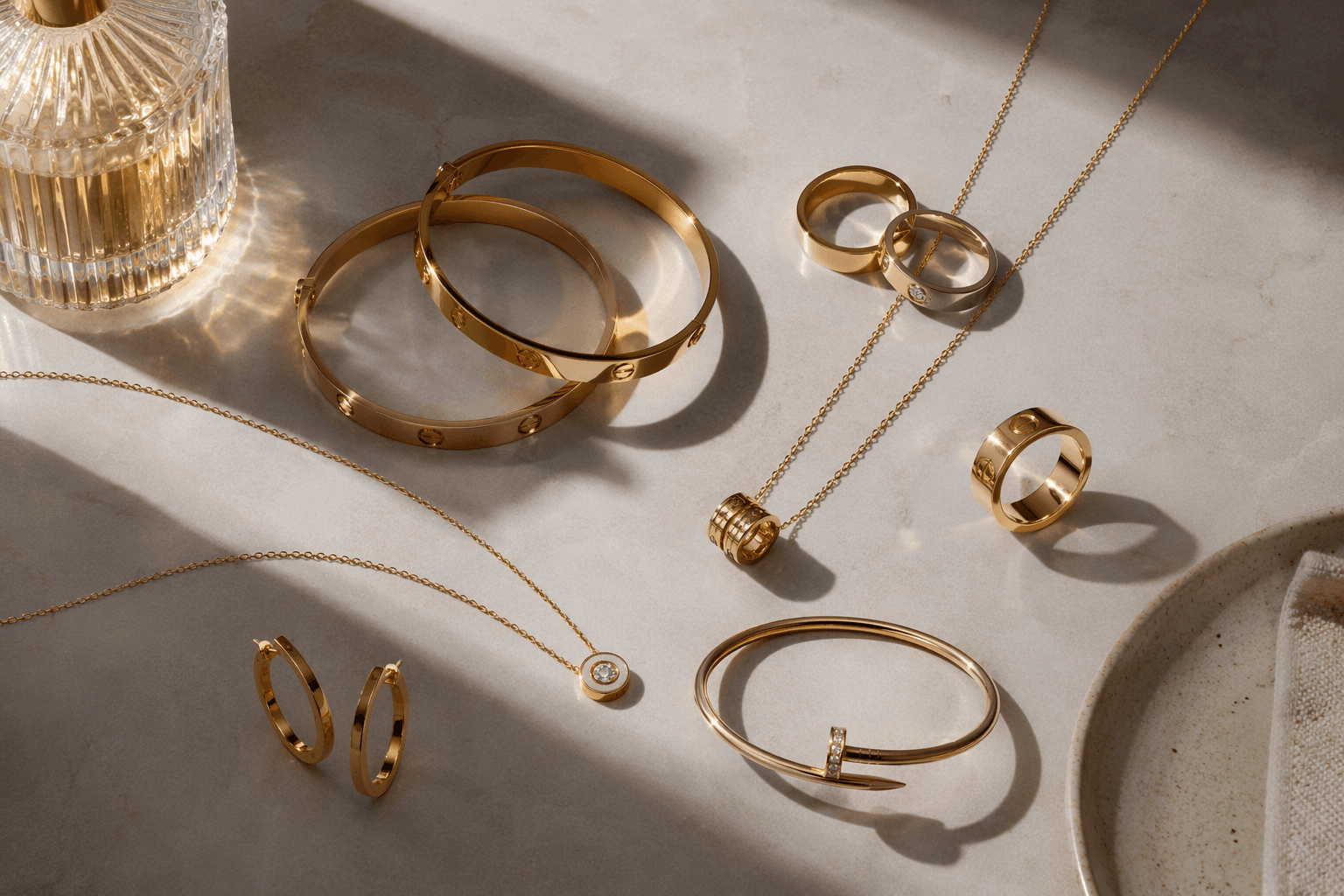
KATSEYE made Tacori’s bridal language look newly alive on the AMAs stage, not ceremonial but sharp, layered and built for movement. The group wore $328,930 worth of jewels from the California house, spread across sculptural cuffs, stacked rings, diamond hoops and a white-gold diamond collar that read less like wedding-day code than a modern pop uniform.
That styling mattered because it did more than decorate a red-carpet look. KATSEYE performed at the 52nd American Music Awards in Las Vegas, won all three categories in which they were nominated, and emerged as one of the night’s top winners alongside sombr, with three trophies apiece. Queen Latifah hosted the show, which aired live on CBS and Paramount+ from MGM Grand Garden Arena, a venue the AMAs described as the largest in its history. For a group still early in its ascent, the jewelry became part of the signal: this was not a one-off awards look, but a coordinated visual language with commercial force.
Tacori’s pieces gave that language its tension. The brand traces its roots to 1969, when Haig Tacorian left Europe to begin a new life in the United States, and it still emphasizes handcrafted work in California. Its Crescent Eclipse collection leans on diamond-studded crescents, pavé and milgrain, details that usually sit comfortably in bridal territory. On KATSEYE, those same elements looked recast for a younger audience, especially when layered into the group’s performance-ready styling rather than isolated as solitaire-like statements.

Stylist Katie Qian broke the story across the members so the jewelry felt collective, not bridal in the old sense. Daniela Avanzini and Sophia Laforteza wore parts of the Crescent Eclipse narrative, while Lara Raj got the most personal treatment through a founder’s-collection engagement setting paired with cultural headwear. That mix, along with the group’s stacked rings and sculptural cuffs, shifted Tacori from a ring-case reference point into a broader trend story about how diamond jewelry is being worn now: together, not singularly; in groups, not as a token gesture.
That is why a group look lands harder than a simple celebrity jewelry recap. KATSEYE’s AMAs appearance turned wedding-adjacent stones into visible layering cues, with hoops, cuffs, rings and a collar working as one system. In a market where bridal codes are increasingly being repackaged for everyday and stage wear, the group offered a clear sign that the next diamond narrative is not about ceremony alone, but about styling that feels intentional, youthful and unmistakably public.
This article was produced by Prism’s automated news system from verified source data, official records, and press releases, then run through automated quality and moderation checks before publishing. The system is built and supervised by the people who set the standards it runs under. Read our full AI policy.
Did this article answer your question?