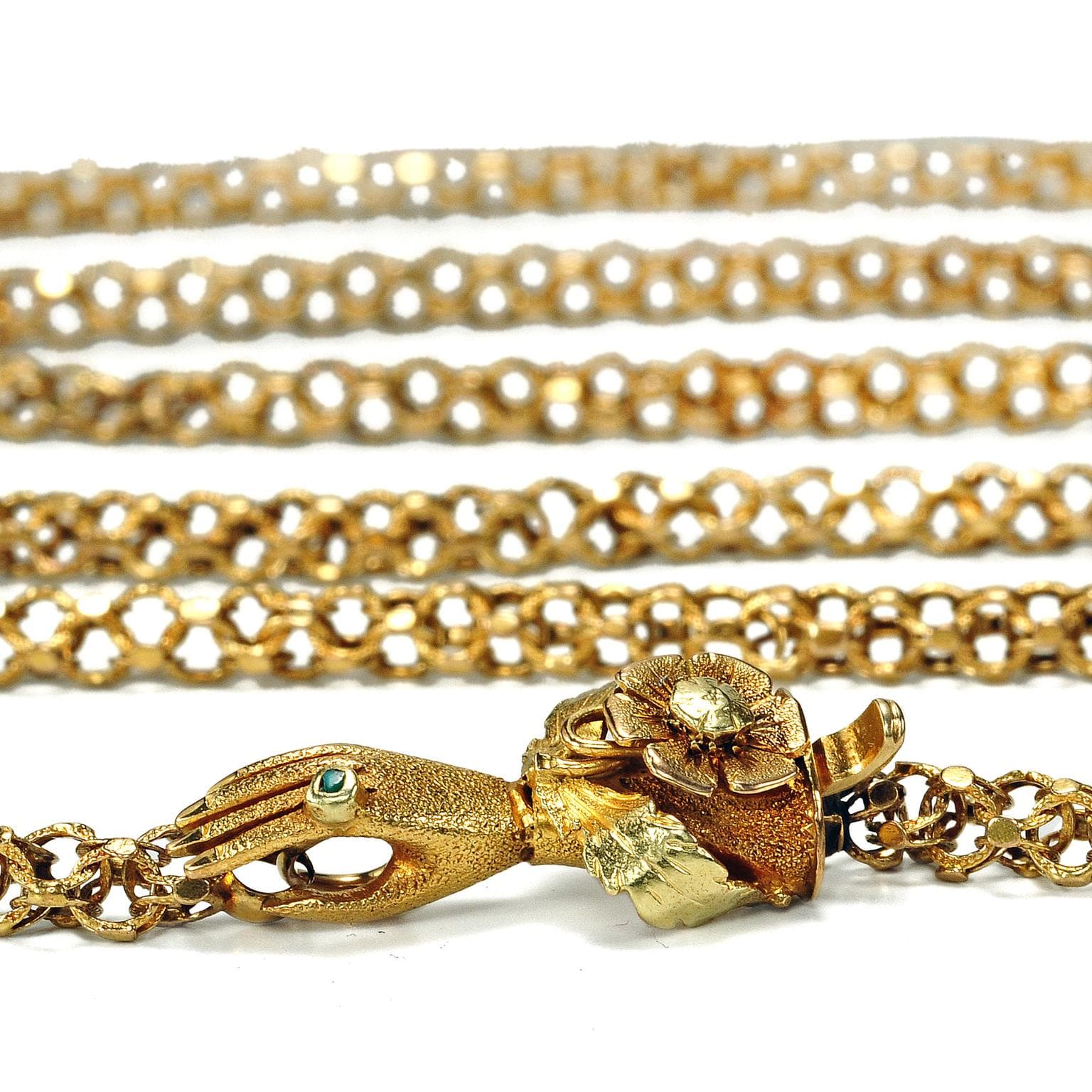
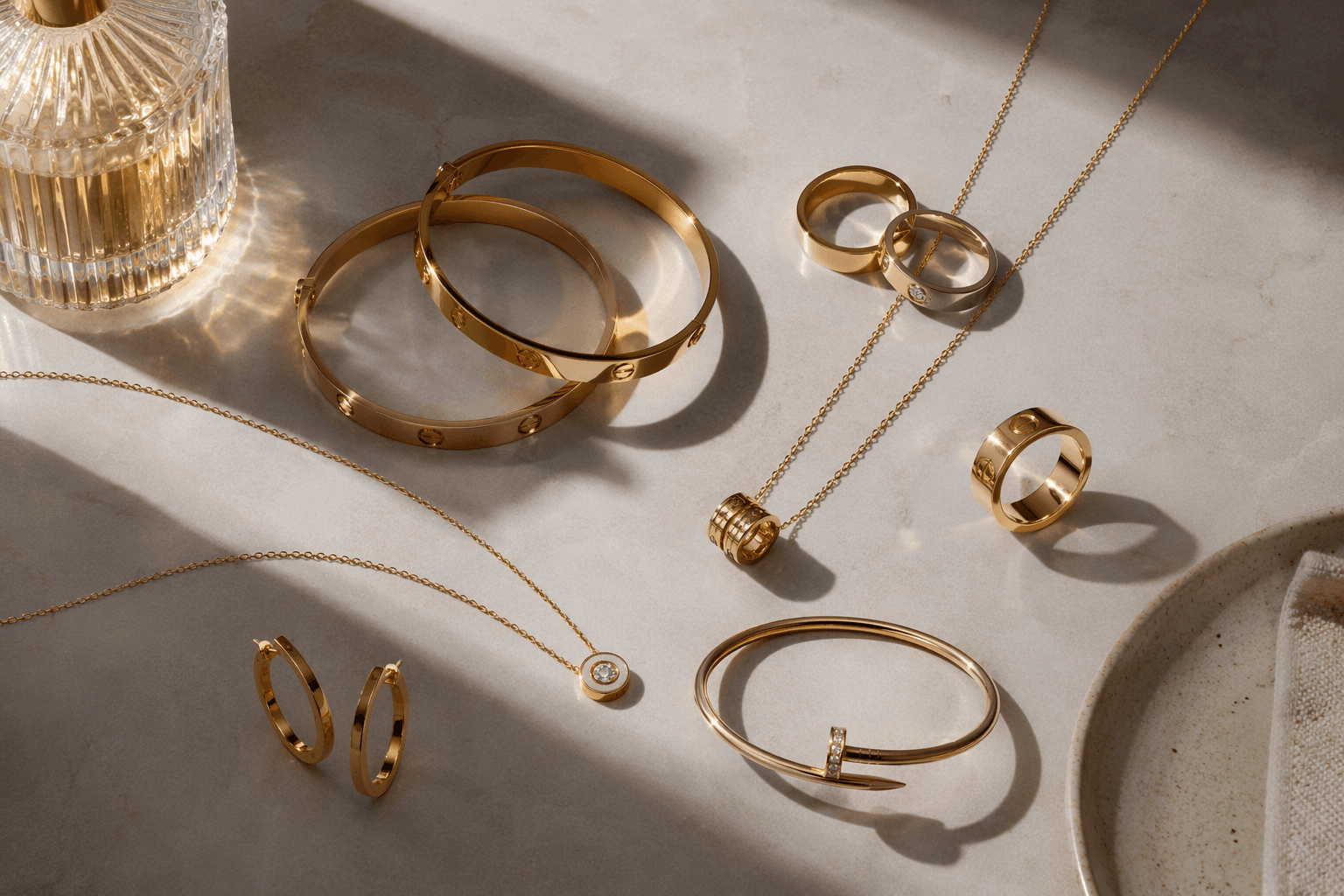
Marie Claire UK spotlights women reshaping fine jewellery layering
Layering is no longer a styling trick, it is the language of modern fine jewellery, shaped by women designers, rising precious-metal prices, and a hunger for pieces that feel personal.
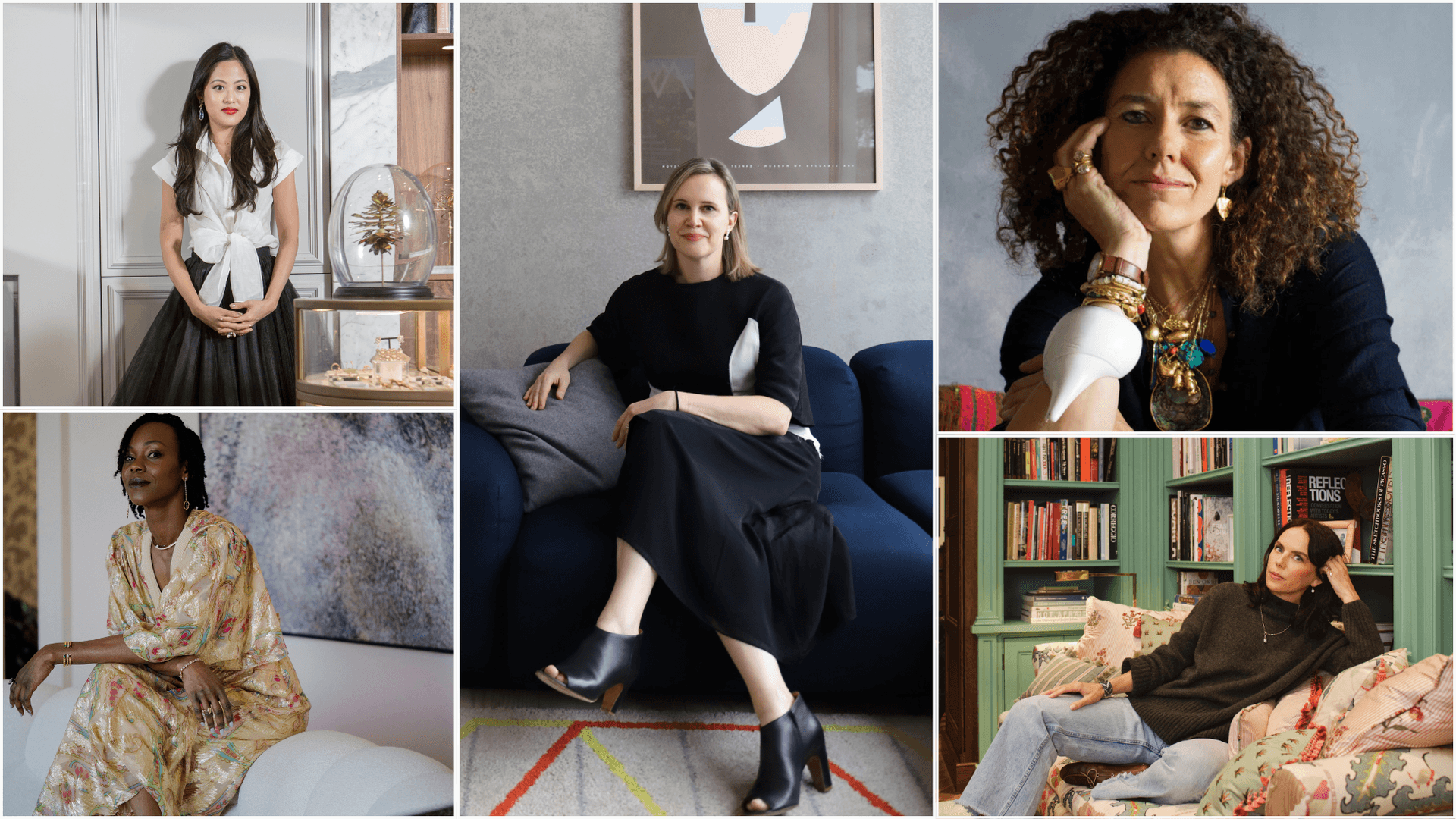
Fine jewellery is wearing its newfound confidence on more than one finger at a time. The women reshaping the category are pushing it beyond rigid rules and into something more intimate, more wearable, and more revealing of identity. That shift has made layering and stacking feel less like a trend than a new way of collecting, one that turns each necklace, ring, bracelet, and piercing into part of a longer personal story.
The new mood in fine jewellery
Marie Claire UK’s focus on women leading the next chapter of fine jewellery captures a clear change in taste: the strongest pieces are no longer just precious, they are personal. These designers are shaping collections around craft, innovation, and wearability, which is why layering now feels central rather than secondary. The category is moving toward expressive pieces that can be worn alone or built over time, a direction that suits readers who want luxury to feel lived in rather than locked away.
That broader movement fits the mood across the market. Business of Fashion, drawing on the BoF-McKinsey State of Fashion 2026, says jewellery is expected to keep its bright moment going. JCK went further, reporting that the category has defied the luxury slowdown and could become fashion’s fastest-growing business in the next few years. In other words, jewellery is no longer behaving like a quiet accessory category. It is acting like one of luxury’s most resilient.
Why layering feels more relevant now
The appeal of layering is partly emotional and partly practical. Marie Claire UK has noted that high-net-worth shoppers are increasingly looking for jewellery that feels uniquely their own, and that is exactly where layering excels. A single pendant, ring, or ear stack can be refined, but a layered look creates a signature. It allows for gifts, milestones, and self-purchase to coexist in one rotation, which is one reason the style has become so sticky.
There is also a sharper economic backdrop behind the shift. Marie Claire UK has pointed out that jewellery is increasingly seen as a better-value proposition than handbags, especially as gold and silver prices rise. That does not make jewellery cheap, of course, but it does make the category feel more justifiable as a long-term purchase. Precious metal no longer reads only as decoration. It reads as substance.

The look itself has returned with force. Layering and stacking are back in a major way for 2026 jewellery styling, and the strongest versions are broad, not narrow. Think layered necklaces, stacked rings, signet revival, and bracelet layering that feels deliberately built rather than thrown together. The best stacks do not compete with one another. They create rhythm through scale, texture, and silhouette.
What the designers are changing
A key reason the trend feels different now is that several fine jewellery designers have made layering and stacking their USP. That matters because it changes how pieces are designed from the start. Rather than treating a necklace, ring, or earring as a one-off, these makers think in systems. Their collections are made to interact, which gives the wearer room to edit, expand, and recompose the look over time.
This is where the women highlighted by Marie Claire UK matter most. The story is not just that women are visible in the category. It is that they are defining its modern logic. Fine jewellery is becoming less about heirloom formality and more about intimacy, identity, and daily wear, with craftsmanship used to support flexibility instead of rigidity. That is a subtle but important change, and it is one reason the category feels more current than conventional luxury storytelling often does.
Kismet by Milka and the commercial side of the trend
Kismet by Milka shows how fully the layering-and-piercing aesthetic has moved into the commercial centre of fine jewellery. The brand offers an in-store piercing service and a diagram showing 15 piercing zones, which makes the ear part of the stackable canvas rather than a fixed frame for it. That kind of structure is telling. It turns personalization into an actual service model, not just a marketing word.
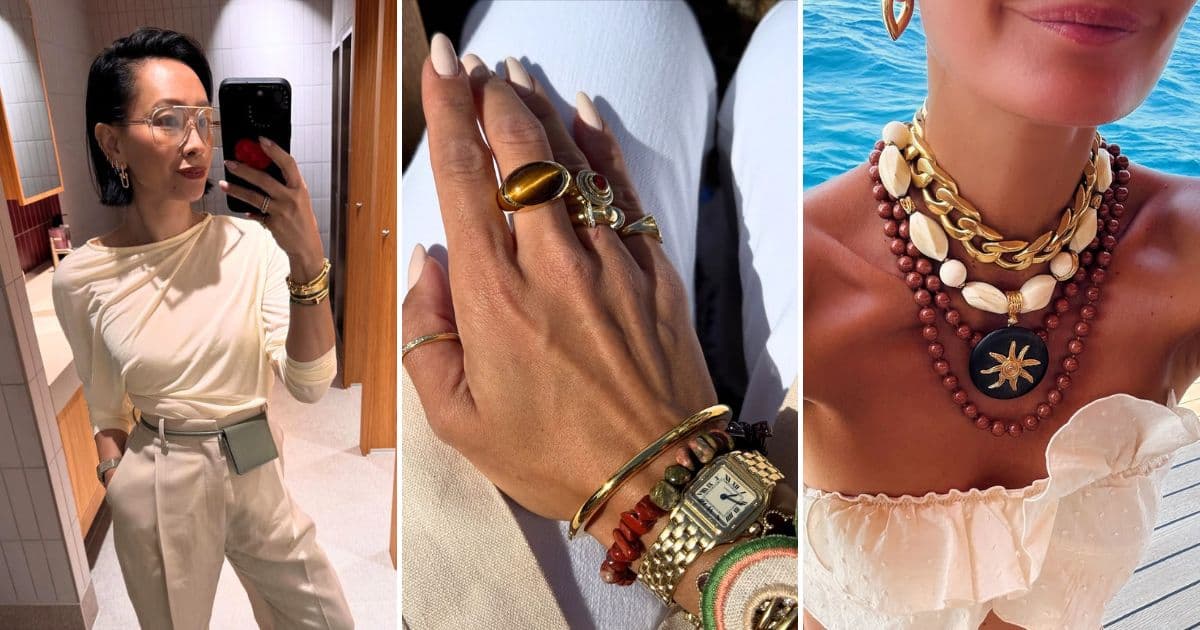
The brand’s scale also matters. Kismet by Milka says it operates 17 mono-brand stores globally and ships worldwide, including to the USA, the UK, and the Middle East. That puts the layered-jewellery look into an international retail framework, not a niche corner of social media styling. The idea has travelled far enough to support dedicated stores, cross-border shipping, and a product ecosystem built around repetition, accumulation, and self-styling.
What makes that significant is how it changes the category’s tone. Piercing zones, stacking-ready silhouettes, and mono-brand expansion all suggest that modern fine jewellery is no longer being sold as a single forever piece alone. It is being built as a wardrobe. That is a stronger commercial model, but it is also a more personal one, because it invites wearers to keep adding meaning rather than replacing what they already own.
How the look reads in 2026
The strongest layered jewellery now balances polish with specificity. The gold and silver pieces leading the conversation are not delicate in a generic sense; they are designed to be noticed, repeated, and recombined. Signets bring weight, rings create cadence, and necklaces provide the vertical line that ties the whole composition together. The result is a kind of visual autobiography, built in precious metal.
That is why this moment feels bigger than a trend cycle. Layering is not simply back because maximalism is back. It is back because women designers have given it a sharper purpose, and because buyers want jewellery that carries value, memory, and individuality in the same frame. In a market that now prizes personal meaning as much as shine, the layered look feels less like styling and more like authorship.
This article was produced by Prism’s automated news system from verified source data, official records, and press releases, then run through automated quality and moderation checks before publishing. The system is built and supervised by the people who set the standards it runs under. Read our full AI policy.
Did this article answer your question?