Men's Wrist Layering Guide Covers Stacks, Textures, and Outfit Pairings
Three bracelets, the right textures, and a clear color anchor are all it takes to build a men's wrist stack that actually works.

The wrist is one of the most underused real estate in men's dressing. A single bracelet can feel like a statement; two or three, layered with intention, become a signature. Whether you're starting from scratch or refining a stack that has grown haphazard over the years, the principles are straightforward once you know what you're working with.
The Foundation: How Many, and Why It Matters
The most common mistake men make when building a wrist stack isn't wearing too many pieces; it's wearing pieces with no relationship to each other. The working rule is two to three bracelets. That number gives you enough visual texture to make an impression without tipping into clutter. Pairing a thicker bracelet with thinner ones creates balance, and that balance is what separates a considered stack from a jumble. One piece should act as the anchor: the widest, boldest, or most meaningful item in the group. Everything else plays a supporting role.
Your stack should not cover more than a quarter of your forearm. That quarter-arm limit is a useful check when you feel tempted to keep adding. If a new piece pushes past that boundary, edit rather than expand.
Textures and Materials: The Engine of a Good Stack
Combining different materials like leather, beads, metal, and paracord creates a dynamic look. Mixing textures, like smooth metal with rugged leather, creates contrast and variety. This is the core principle behind why a stack reads as intentional rather than accidental. The contrast does the visual work.
Each material brings a distinct character to the wrist:
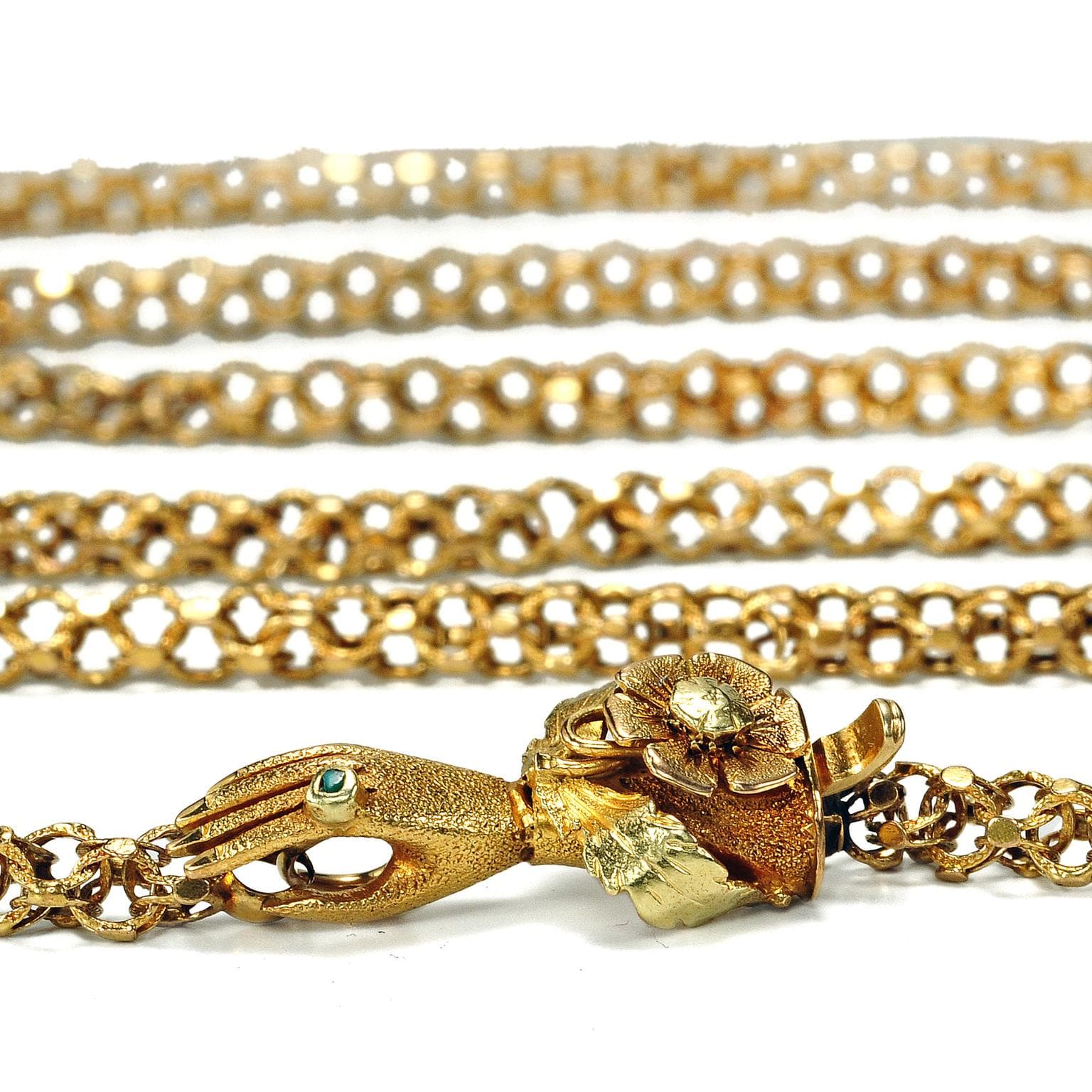
- Metal chain bracelets (Cuban links, Figaro strands, box chains) read as sleek and modern. They anchor a stack with weight and sheen.
- Leather (braided, flat strap, or wrap styles) adds rugged texture and softens the hardness of metal. Leather bracelets add a rugged, earthy vibe that complements other materials well.
- Stone and bead bracelets (onyx, tiger's eye, lava stone, malachite) introduce color and depth. Polished onyx beside raw tiger's eye or matte lava stone next to brushed gold creates exactly the kind of tactile contrast that makes a stack interesting at close range.
- Rope and cord bracelets offer an organic lightness that balances heavier pieces and introduces a casual reference point.
Width variety is just as important as material variety. Avoid stacking bracelets of different lengths together; the shorter ones will tuck under the longer ones and break your stack. This keeps the composition clean and ensures each piece remains visible.
Color: The Discipline That Holds a Stack Together
Texture creates interest; color creates coherence. Neutrals like black, brown, gray, and silver are safe bets and give you room to play with different styles. Building from a neutral base means individual pieces in leather, metal, or stone can sit comfortably alongside each other without fighting for attention.
Once the neutral foundation is in place, a single accent piece can introduce something bolder. Adding a bold-colored bracelet can act as a focal point within a stack, drawing attention to the wrist. Bright reds, blues, or greens add vibrancy, especially in a monochrome or neutral stack. One pop of color is persuasive; two or more compete.
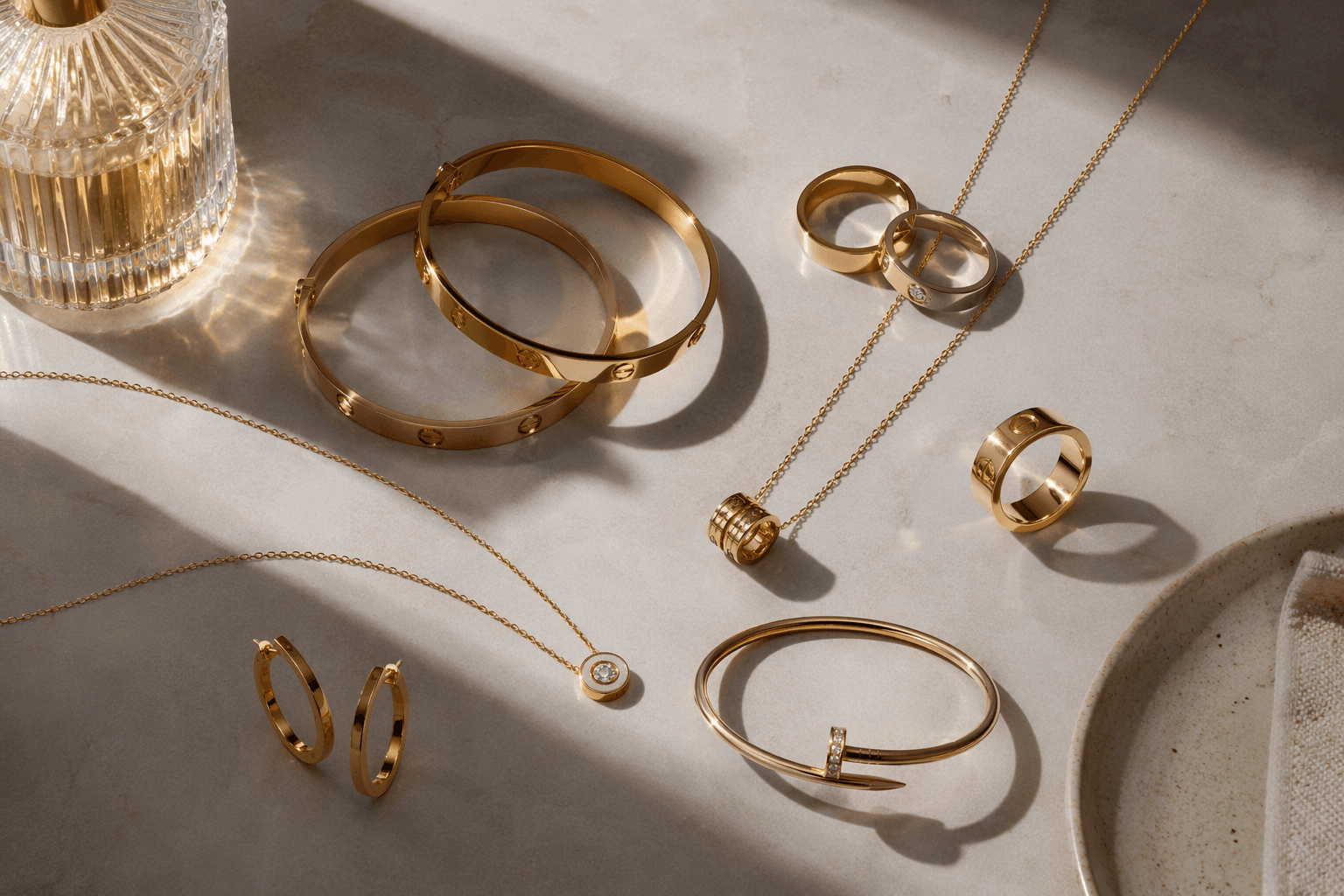
Mixed metals, once considered a stylistic error, are now completely standard. Mixing 18K yellow gold chains with sterling silver and even black titanium adds depth to a bracelet stack. The key is to carry at least one shared tone across the pieces so the overall palette still feels considered.
Three Ready-Made Stack Formulas
The Classic Stack
This is the entry point: understated, versatile, and appropriate across a wide range of occasions. A black bolo bead bracelet and a white or yellow stainless steel chain bracelet makes a refined set that still shows off a bit of edge and personality. Add a slim leather wrap or a simple cord bracelet as a third layer, and the stack holds across casual and business-casual settings without demanding attention.
The Bold Stack
The bold stack leads with statement-scale pieces. A chunky Cuban link or a wide cuff anchors the composition, supported by a beaded bracelet in a contrasting material and a leather flat strap to introduce warmth. Few things feel as essential to men's jewelry as chains right now. Thick Cuban link chains, sleek Figaro strands, oval link designs, and rope styles are dominating in both gold and silver. The bold stack is built for outfits that can carry the weight: clean white tees, structured bomber jackets, or dark raw denim where the wrist becomes part of the visual story.
The Stealth Stack
The stealth stack operates in a monochrome register: all-black, all-silver, or a single tonal family that registers as intentional rather than conspicuous. Monochrome stacks often exude elegance, making them perfect for formal or business settings. Think matte black onyx beads paired with a slim black leather band and a brushed gunmetal chain. The combination has texture and dimension without announcing itself across the room. This is the stack that works beneath a suit jacket or a dressed-up sport coat.
Stacking with a Watch
The watch-and-bracelet combination has become one of the most reliable signals of a well-dressed man. The "Wrist Stack," wearing a bracelet next to your watch, or wearing a standalone cuff on the opposite hand, is now a sign of a well-dressed man. It adds texture, color, and intent to an outfit.
Placement matters here. Place the watch on your wrist closer to your hand, then add bracelets above it on the side closest to your elbow. Mix textures for a visually appealing combination: pair a smooth leather watch band with a textured bracelet, or combine beaded bracelets with a simple, sleek watch.
Not every watch pairs well with bracelets. Formal dress watches, particularly with ultra-thin cases or delicate details, can lose their elegance when paired with bracelets. A simple rule: if the watch is already a statement piece, let it shine solo. For sport and field watches, or any timepiece with a leather or rubber strap, a single thin bracelet on the same wrist reads as clean rather than crowded.
Outfit Pairings by Setting
How aggressively you stack depends on what you're wearing and where you're going.
- Casual (weekend, off-duty): Maximum room to experiment. Chunkier links, different textures, and unique materials like river rock or tiger eye beads can create statement stacks to spice up even the most minimalistic outfits.
- Business casual: Scale back to two pieces with quieter materials. A slim stainless chain and a neutral bead bracelet sit comfortably at the cuff of a dress shirt without reading as informal.
- Smart casual (dinner, events): The stealth stack earns its place here. Monochrome metals or tone-on-tone stone beads work alongside tailored trousers and an open-collar shirt.
- Formal: One slim bracelet or nothing, depending on the watch. Simplicity is the point.
Common Mistakes Worth Avoiding
Let your bracelets move naturally on your wrist rather than forcing them to sit tightly together. This movement creates dynamic visual interest and prevents the stack from looking rigid. Beyond fit, the recurring errors are easy to sidestep once you know them:
- Wearing multiple chunky pieces at the same width and scale
- Clashing color families without a neutral anchor
- Stacking on both wrists at the same intensity (one wrist dominant, one lighter, is the standard)
- Adding a new piece simply because it exists rather than because it serves the composition
Building Over Time
A well-built stack is rarely assembled in a single purchase. The most compelling wrist arrangements tend to accumulate: a cord picked up traveling, a chain gifted, a bead bracelet chosen because the stone had meaning. That accumulation is exactly the point. The practical structure, two to three pieces, varied widths, mixed textures, a coherent color family, gives those individual pieces a framework to coexist. The stack becomes readable not because every piece matches, but because someone made considered choices about why they belong together.
This article was produced by Prism’s automated news system from verified source data, official records, and press releases, then run through automated quality and moderation checks before publishing. The system is built and supervised by the people who set the standards it runs under. Read our full AI policy.
Did this article answer your question?