Mixed metals and statement pendants define 2026 jewelry trends
Jewelry is splitting into two camps: deliberate mixed-metal layers with one precise pendant, and high-drama stacks built from beads, pearls, and sculptural gold.
The new layering split
Jewelry is splitting into two camps, and the divide is visible at a glance: one favors deliberate restraint, the other leans hard into volume. In spring 2026 collections, Paris runway jewelry was framed around “self-expression,” with geometric interplays, sinuous lines, chunky volumes, and modern pearl reinterpretations setting the tone. The result is a season that does not ask you to choose between subtle and statement so much as to choose your point of view.
That choice shows up most clearly in layered necklaces and wrist stacks. On one side is a quiet, intentional approach built from mixed metals, a single pendant, and a controlled use of texture. On the other is maximalist stacking, where thick gold links, beads, dangling pearls, sculptural cuffs, and hammered surfaces are meant to be seen, not merely worn. The easiest way to read 2026 jewelry is to look for those signals and decide whether you want the stack to whisper or command the room.
Why the appetite for jewelry is changing
The market backdrop helps explain why these looks feel so pronounced now. Jewelry is expected to keep outpacing some other luxury categories, with Bain & Company and Altagamma projecting 4% to 6% growth for fiscal 2025, while Grand View Research sees luxury jewelry expanding at an 8.7% compound annual growth rate through 2030. At the same time, precious metals have made the case for design doing more work. Gold reached a record $4,524.40 an ounce on Dec. 24, 2025, and silver climbed to $71.66 an ounce that same day, a level that nudges brands toward creativity, construction, and visual impact rather than metal weight alone.
That tension was obvious at JCK Las Vegas 2026, where exhibitors said gold pricing remained a central concern and was shaping assortments toward both heavier statement pieces and more accessible gemstone strands. The pressure is changing the vocabulary of fine jewelry: brands are leaning into sculptural clasps, clever proportions, and pieces that feel intentional enough to justify their cost. Eddie LeVian put the mood plainly, saying buyers are gravitating toward heirloom-worthy jewelry that reflects “values, identity, and emotion.”
How to recognize restrained layering
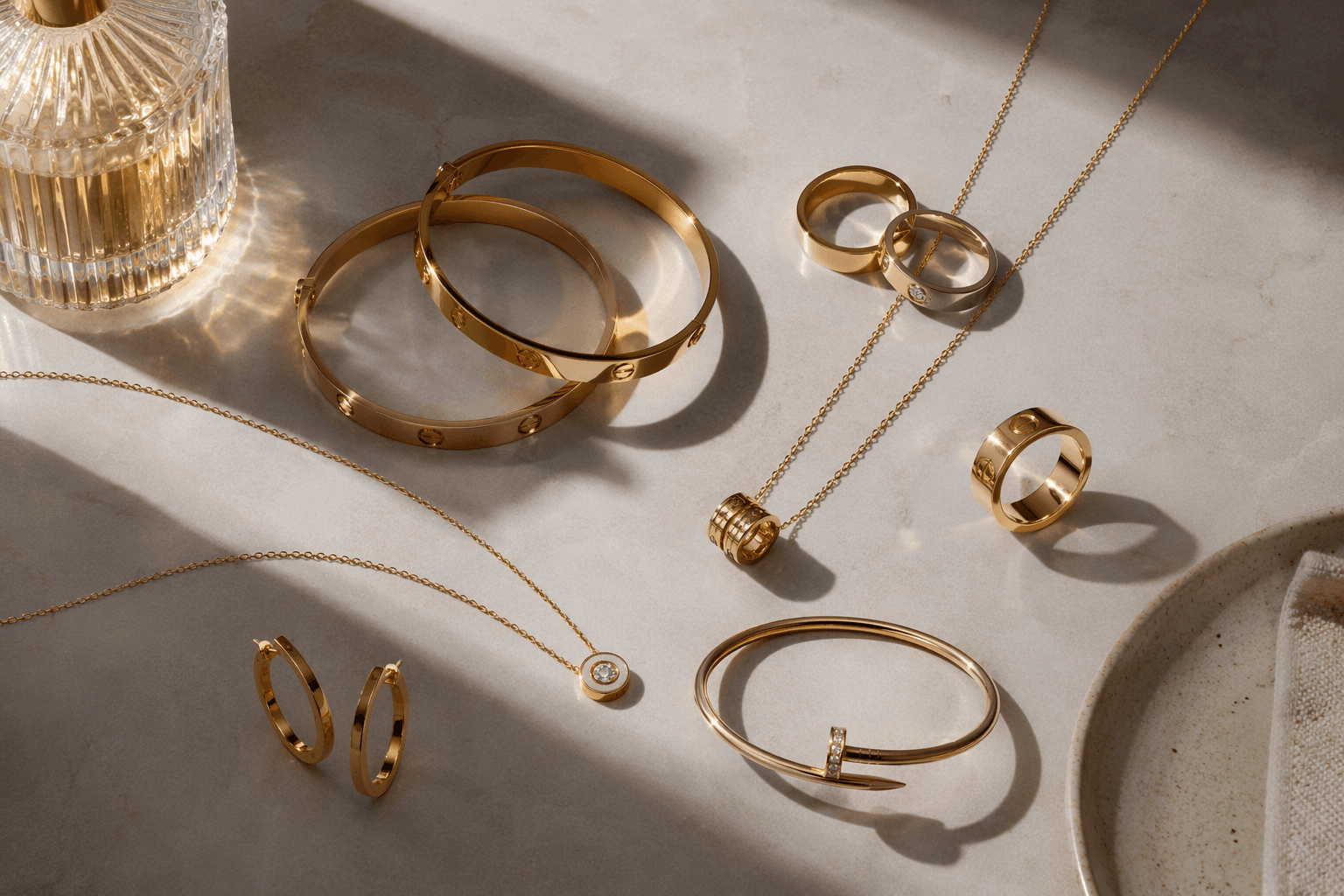
The restrained camp is not minimalism in the old, empty sense. It is precision. Mixed metals do the work here, especially when one metal acts as the anchor and the other provides a carefully judged contrast. Tribune’s springboard for this look is useful precisely because it makes mixed metals feel accessible, not intimidating: a beginner can start with one chain in one finish and add a second piece in the opposite tone without tipping into clutter.
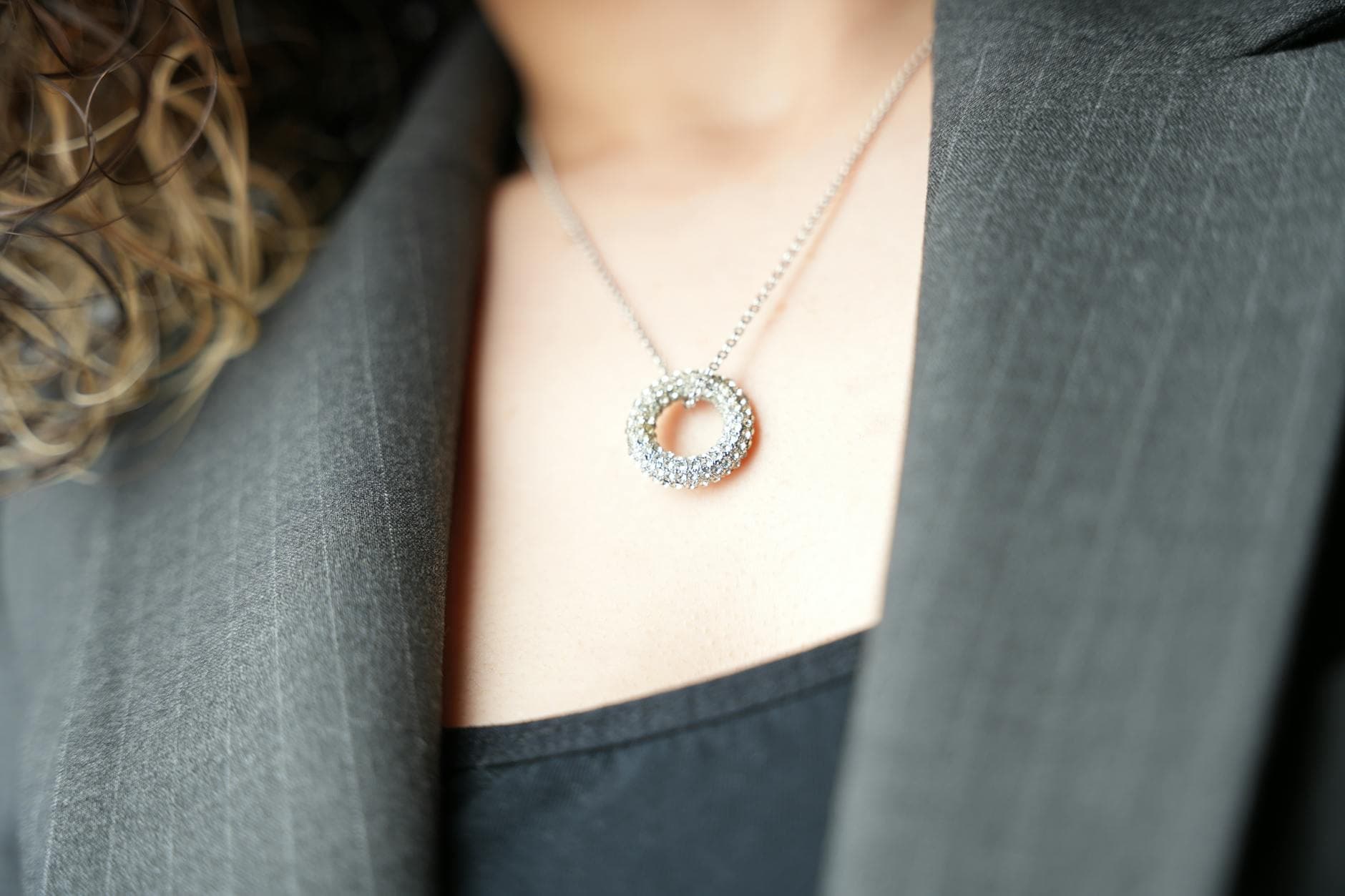
Look for lines that feel edited rather than crowded. WWD’s Paris Fashion Week coverage pointed to geometric interplays and sinuous lines, which translate beautifully into a necklace stack built from two or three slender chains, one small pendant, and one tactile element such as hammered metal. Aurélie Bidermann’s hammered finishes are a good example of how restraint can still have surface interest; the texture catches light without needing size to make its point.
For a wrist stack, this camp favors one or two slim bracelets paired with a single sculptural piece. The best versions use contrast sparingly: a polished gold bangle beside a silver chain, or a pearl drop softened by a clean metal line. You are not trying to fill every inch of skin. You are creating a rhythm of materials, so the eye moves from matte to shine, from warm to cool, from smooth to slightly weathered.
- Start with one anchor chain, then add one contrasting metal.
- Choose one pendant, ideally with some texture or geometry.
- Keep pearls small or dangling, so they read as punctuation, not repetition.
- Let hammered finishes or a single cuff supply the depth.
How to build maximalist stacking
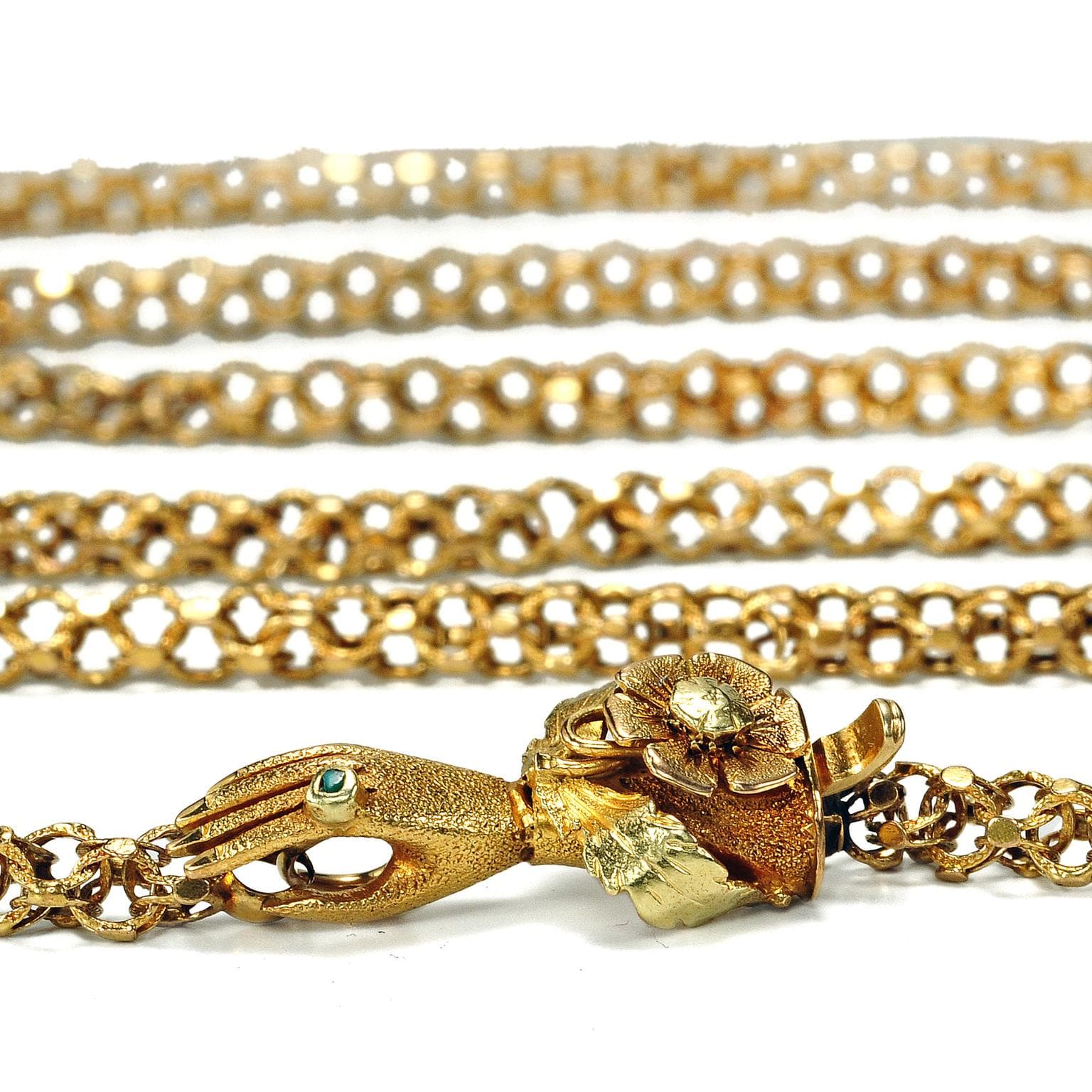
If restraint is the edit, maximalism is the full page spread. JCK’s spring-summer 2026 runway analysis called it clearly: “new maximalism is on the rise.” The lead note is the statement pendant, and it is being worn with the kind of confidence that turns jewelry into an object with gravity. On Balenciaga’s spring-summer 2026 runway, metallic collars and thick gold links pushed that idea further, while Marie Claire’s spring 2026 coverage added sculptural metal cuffs, beads, pearls, and lucite to the defining mix.
This camp is about layers that register at a distance. A collar necklace can sit close to the throat, followed by a longer pendant chain and then a beaded strand that breaks up the metal with color or translucence. Dangling pearls sharpen the effect by introducing movement, while lucite or chunky beads give the stack a more contemporary, almost collected feel. The key is not to make every piece loud in the same way, but to vary scale and texture so the stack feels composed rather than merely piled on.
On the wrist, maximalism thrives on density. Pair a sculptural cuff with chain bracelets, then add a strand of beads or pearls so the stack alternates between hard and soft surfaces. The result echoes what fashion week has been showing for months: jewelry as personal armor, jewelry as ornament, jewelry as narrative. This is where the “protective totem” idea around statement pendants becomes especially potent, because the pendant is no longer just decorative. It is the focal point around which the rest of the stack gathers.
The materials that define the season
Mixed metals, statement pendants, pearls, beads, and hammered textures are not separate trends so much as the vocabulary of 2026 layering. WWD’s spring 2026 coverage in Paris underscored modern pearl reinterpretations and hammered-metal details, while the fall 2025 jewelry conversation had already moved pearls away from prim nostalgia and toward color, chunkiness, and self-expression. That continuity matters: the pearl is no longer a solitary classic, but part of a broader language of contrast.
For anyone building a layered necklace or wrist stack now, the easiest test is simple. If the pieces feel too coordinated, they may belong in the restrained camp, where every link and pendant is carefully measured. If they feel vividly mixed, with gold against silver, pearls against metal, and weight against lightness, they belong to maximalism. Both directions are strong in 2026, but the most compelling jewelry is the kind that understands exactly which side of the divide it wants to live on.
This article was produced by Prism’s automated news system from verified source data, official records, and press releases, then run through automated quality and moderation checks before publishing. The system is built and supervised by the people who set the standards it runs under. Read our full AI policy.
Did this article answer your question?