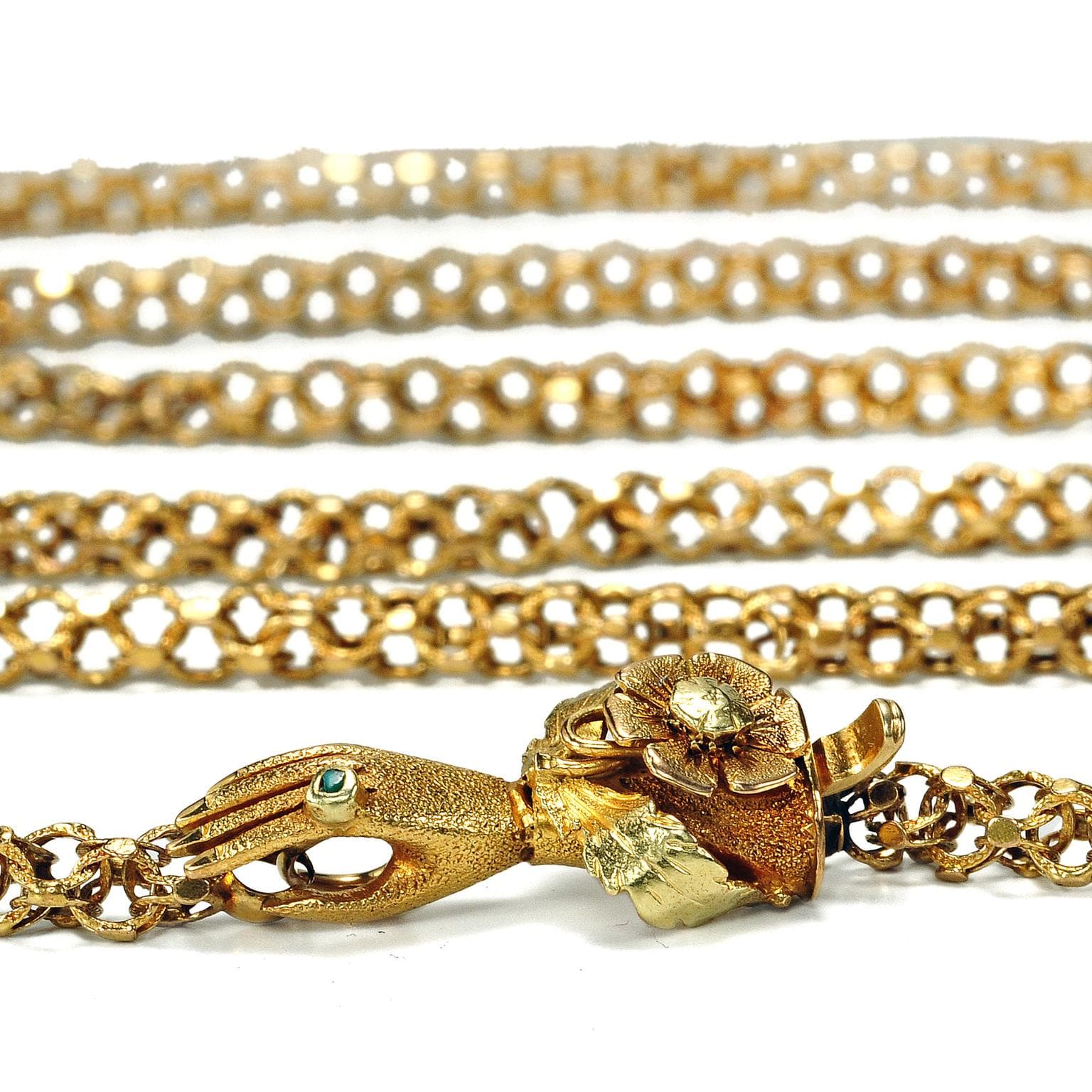
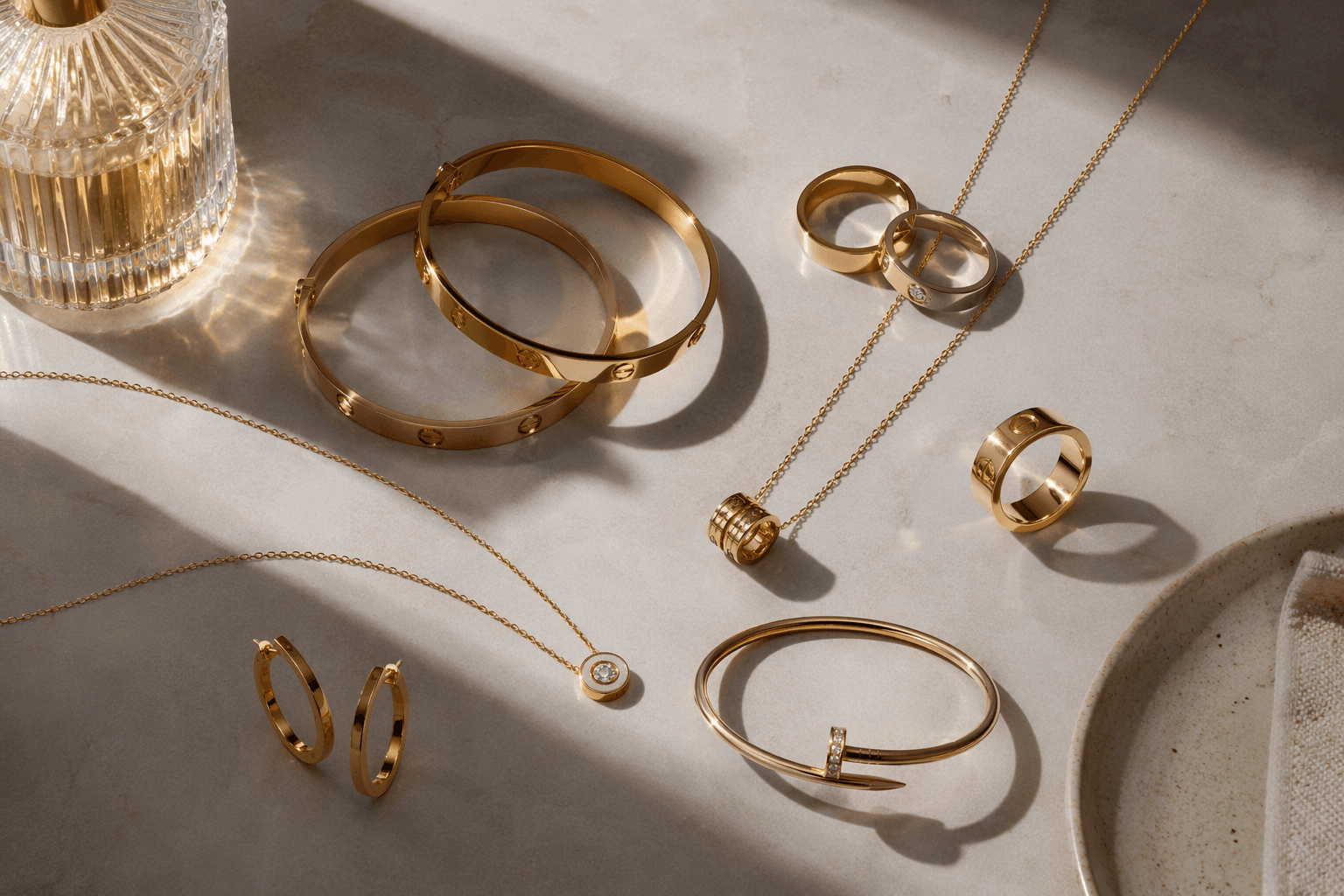
Platinum gains ground as buyers favor lighter jewelry and value
As gold stays expensive, platinum is moving from bridal into everyday stacks, giving layered looks a cooler tone and a sharper value story.
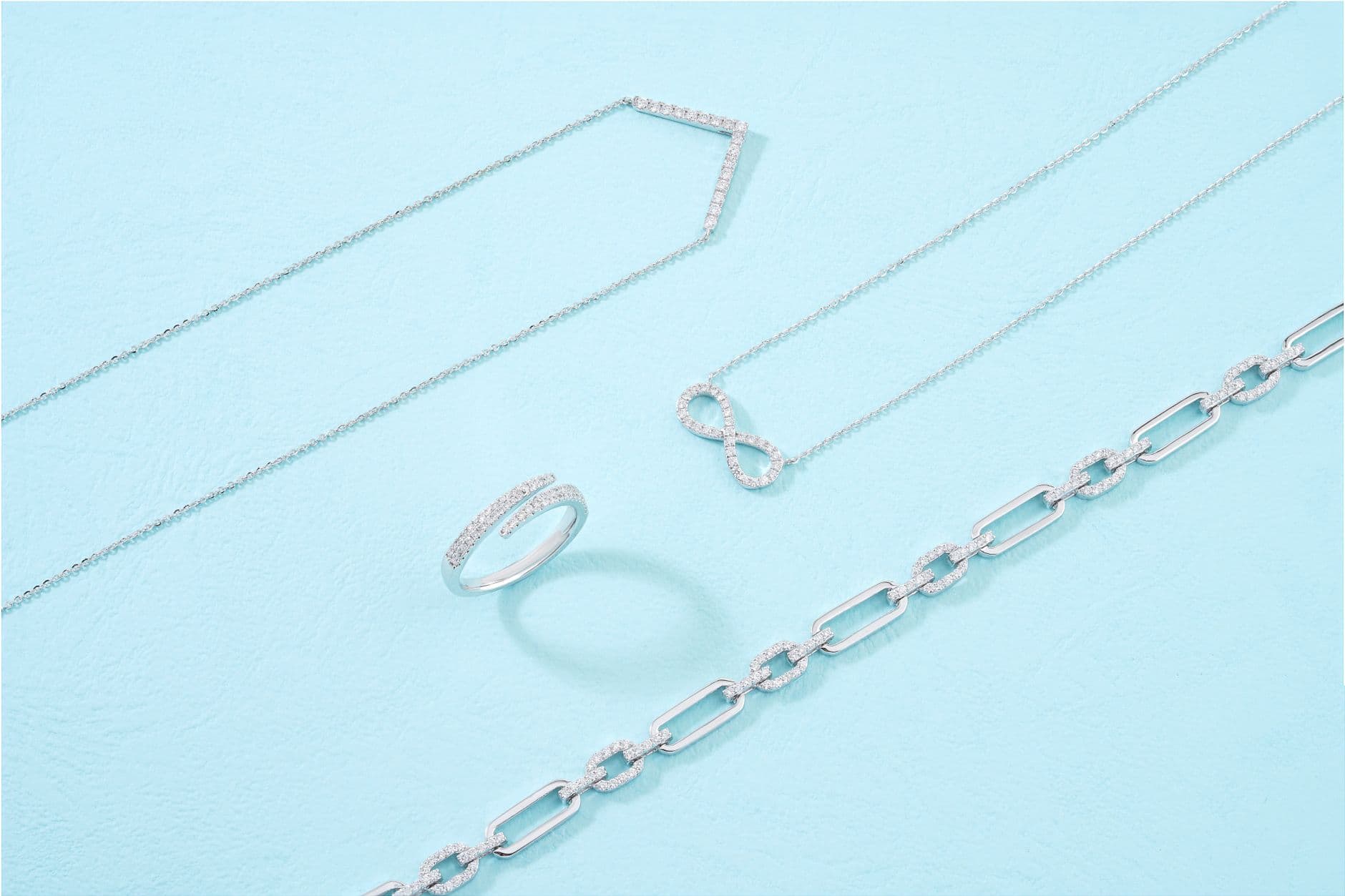
**Platinum is no longer just the metal of engagement rings and heirlooms.** In a market where gold has climbed to record value, shoppers are leaning into platinum for the same reason they gravitate toward a well-cut stack: it feels considered, not overloaded. The result is a quieter shift with visible impact on the body, as platinum slips into layered necklaces, ring stacks and mixed-metal combinations that read cooler, cleaner and more intentional.
The new logic of layering
The appeal starts with economics, but it ends in styling. The World Gold Council said first-quarter 2026 gold jewellery volume fell to 299.7 tonnes, the lowest since the second quarter of 2020, even as value reached a record US$47bn, a sign that buyers were choosing smaller and lighter-weight pieces. Platinum has benefited from that trade-down without feeling like a compromise, because its own pricing has stayed well below gold in the U.S. market and its pale tone makes it easy to fold into the current white-metal wardrobe.
That is why platinum is showing up as a layering material rather than only a bridal one. It gives stacks a sharper outline than yellow gold, but more warmth and substance than silver, especially when the goal is to build a look that feels polished rather than flashy. For buyers who want a cooler palette, it sits beautifully beside white gold and silver, creating depth without the visual noise that comes from mixing too many warm metals at once.
Why platinum feels current now
The World Platinum Investment Council estimated that global platinum jewellery demand rose 7% in 2025 to a seven-year high, helped by platinum’s discount to gold. It also projected a 6% decline in 2026, mainly because of softer China demand and tariff headwinds in India, but the larger styling message has already landed: platinum is being reassessed as a practical luxury metal, not an old-school special case.
Platinum Guild International has pushed that message hard with its global brand proposition, “Metal of Truth,” a phrase that captures the metal’s appeal at a time when buyers are looking for authenticity, durability and high purity. Tim Schlick, PGI’s chief executive, has said platinum is gaining ground in China, India, Japan, the United States and the UAE as consumers seek meaningful, high-quality pieces at accessible price points. That framing matters for layering because it shifts platinum out of the red-carpet and bridal box and into daily wear, where pieces need to feel as believable with a T-shirt as with tailoring.
What platinum brings to the body
Platinum has a history that lends it authority. It was identified as a separate element in the mid-18th century and could not be cast until 1782 because of its high melting point. In jewellery, it is typically 90% or 95% pure, compared with 18-carat gold at 75% purity, and platinum fine jewellery weighs about 40% more than 18-carat gold. That heft is part of its allure: even when a piece is designed to be slim or delicate, platinum tends to carry a sense of substance that reads as quality.

For layering, that weight becomes an aesthetic asset. A platinum chain sits with a certain gravity, so a slim pendant does not disappear against the skin. A ring stack in platinum has a crisp, almost architectural feel, especially when the bands are narrow and the surfaces are highly polished. The metal’s cool sheen also keeps mixed stacks from looking muddy, which is why it works so well when you want to combine a platinum anchor piece with white gold or even a little silver.
How to mix platinum with white gold and silver
The cleanest layered looks are usually the simplest. Platinum and white gold work best when they are allowed to play adjacent roles: one can provide the anchor, the other the repeat motif. Silver can join the conversation, but it looks most compelling when the shapes are distinct, such as a heavier platinum chain against a finer silver link or a platinum signet ring paired with slimmer white-metal bands.
A few styling cues make the combination feel deliberate rather than accidental:
- Keep the palette cool. Platinum, white gold and silver all sit in the same visual family, so they create harmony without needing perfect matches.
- Vary the scale. A substantial platinum piece gives the stack structure, while slimmer chains or rings keep it from looking severe.
- Let one piece lead. In a necklace stack, a platinum pendant or collar can act as the visual hinge; in a ring stack, platinum often works best as the foundation band.
- Use contrast in finish. Bright polish next to brushed or matte surfaces keeps the eye moving.
This is where platinum has an edge over gold right now. As gold prices remain elevated, buyers are increasingly choosing white metals for everyday wear, and platinum’s cooler tone gives them a more luxurious alternative to silver without the same maintenance concerns that can come with softer surfaces.
The retail counter is already changing
The shift is visible in the trade. PGI said platinum jewellery demand returned to growth across all markets in 2024 after troughing in the prior two years, and China’s recovery accelerated in 2025, with monthly fabrication rising more than 100% year-on-year in March and first-quarter fabrication up 50% year-on-year. By the end of June 2025, more than 40 platinum-dedicated wholesale showrooms had opened, and some gold production lines had switched to platinum, a sign that manufacturers are treating it as a serious commercial lane.
Retailers are responding with similar conviction. PGI USA’s annual Retail Barometer surveyed 300 fine jewellery retailers, and more than three-quarters said they planned to add platinum inventory in 2026. Non-bridal platinum sales grew more than 24% in 2025, and PGI president Jenny Luker said platinum is becoming “a core part” of many jewelers’ businesses. At Royal Jewelers, vice president of operations Josh Shevitz said platinum had become a much more active part of the sale after recent training, which suggests the category is being sold less as a niche and more as a styling option with margin potential.
The white-gold opportunity
PGI’s 2025 review also pointed to a particularly important opening: substitution from 14K-and-above white gold. A panel that included Metals Focus, Valterra Platinum, Weston Beamor and Tanaka Precious Metal Retailing Co., Ltd. agreed that platinum could capture more of that business, and the logic is obvious once you see the pieces side by side. White gold and platinum share a similar visual language, but platinum tends to feel more premium at the counter because of its purity and density, and because it does not rely on rhodium plating for the same bright finish in quite the same way.
That helps explain why platinum is moving beyond bridal. In the U.S., PGI said platinum jewellery dollar sales outpaced unit volume in the fourth quarter of 2025 because gold stayed expensive and platinum remained less than half the price of gold. In Japan, platinum jewellery unit sales rose 1.5% year-on-year in the same period. Together, those numbers show a category that is not simply surviving on tradition, but gaining relevance through price, appearance and wearability.
Platinum’s resurgence is, at heart, a styling story. It is the metal for buyers who want their layers to look precise, cool and quietly substantial, and for a market that has finally rediscovered the elegance of value with weight behind it.
This article was produced by Prism’s automated news system from verified source data, official records, and press releases, then run through automated quality and moderation checks before publishing. The system is built and supervised by the people who set the standards it runs under. Read our full AI policy.
Did this article answer your question?