PORTER spotlights pendant curation as necklace layering returns
Pendant curation is replacing charm overload: PORTER's edit makes layering feel more personal, more polished, and easier to wear.
The new center of gravity
Overloaded charm stacks are yielding to a cleaner formula: one timeless pendant, then a tightly edited set of charms that gives the necklace a point of view. PORTER’s recent styling edit treats pendant curation as an act of selection, not accumulation, and that feels aligned with the broader 2024-2025 return of necklace layering.
That return is not happening in a vacuum. PORTER’s jewelry trend coverage for FW24 said layering had moved back onto runways and red carpets, with bold beads, chic cords and talismanic coins setting the tone. The message is clear: the most current necklaces are not the loudest ones, but the ones that look deliberately composed.
Why the pendant-plus-charms formula feels current
The appeal of the new edit is that it looks easy without looking accidental. PORTER’s jewelry coverage has long leaned into the idea that one standout chain can become a hero piece when you add a striking pendant or a small jumble of charms. That approach keeps the necklace anchored, while still allowing for personality and movement.
Chain length matters here. PORTER points to 18- or 20-inch chains as the sweet spot for this kind of styling, and that makes practical sense: the pendant sits where it can be seen under a shirt collar or knit, while still feeling close enough to the body to read as fine jewelry rather than costume. The result is wearable, legible and ready for repeat use.
Scale, metal and texture
The strongest versions of this look are edited, not overloaded. A single pendant with enough visual weight to lead the eye will usually do more work than a dense cluster of mismatched charms. The charm mix can then add rhythm, whether that comes through a polished coin, a symbolic token or a more sculptural piece with slightly different proportions.
Metal mix is one of the details that makes the style feel now. PORTER’s FW24 coverage called out touches of silver alongside the broader layering story, which helps explain why mixed metals no longer feel like a compromise. A warm gold chain with a cooler accent can keep the look from becoming too precious, while beadwork or corded elements soften the finish and introduce texture.
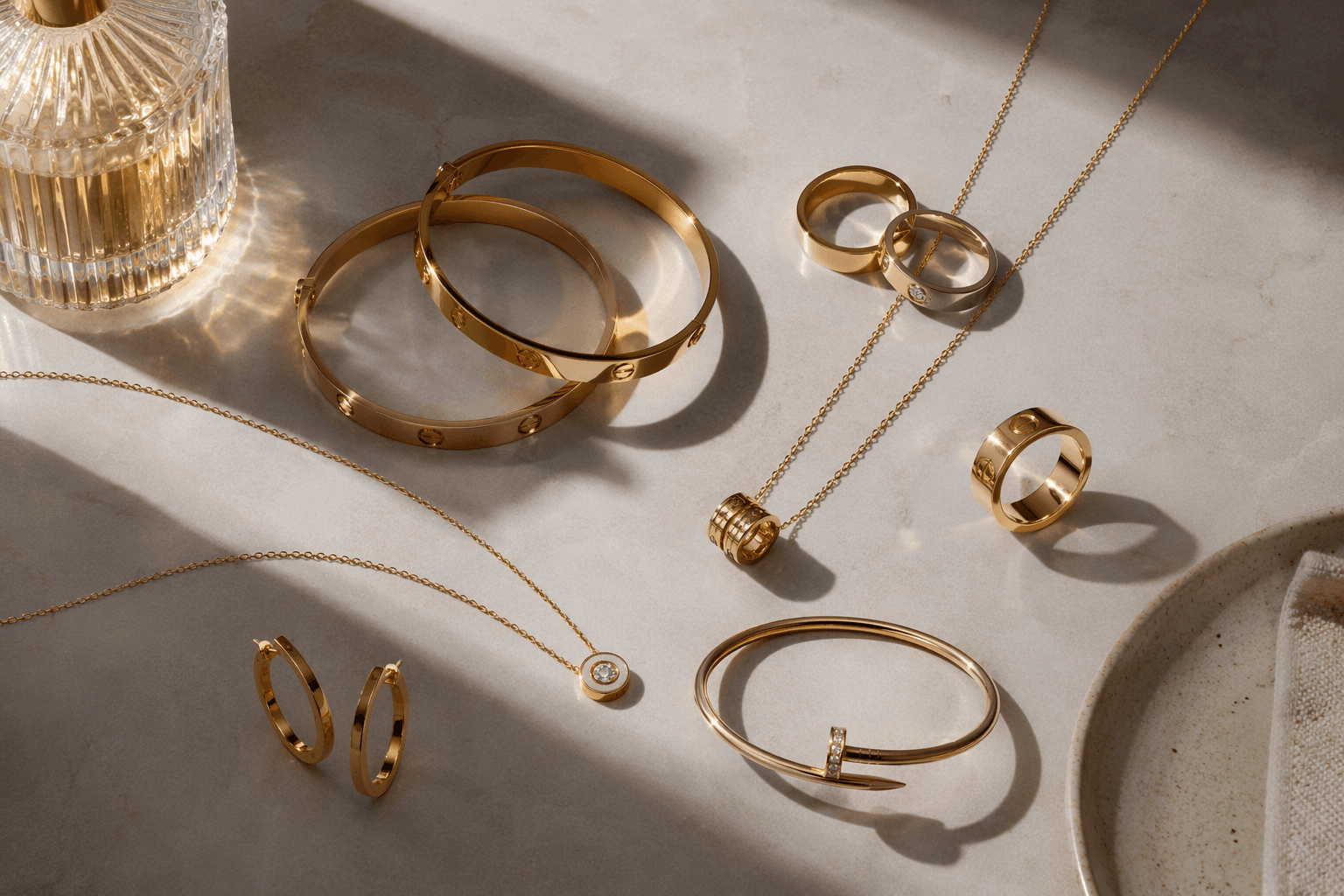
The current shopping edit reflects that same range. NET-A-PORTER’s charms-and-pendants category frames the look as a way to express a unique sense of style and highlights designers including David Yurman, Foundrae, Ilaria Icardi and Carolina Bucci. That mix of names matters: it spans polished fine jewelry, more symbolic talismanic pieces and designs with a more artisanal edge.
Sentiment, but edited
Charms work best when they carry meaning without becoming sentimental clutter. PORTER previously described collecting charms as one of the most personal ways to customize a fine-jewelry collection, and that remains the category’s sharpest selling point. Founder Beth Hutchens has built her design ethos around helping clients tell their stories through pendants and charms, which is why the category keeps resurfacing even as styling trends change.
That storytelling impulse is also why charms continue to resonate with collectors and celebrity wearers. A pendant can be a marker of place, memory, affection or belief, but the look only feels modern when the story is edited down to its strongest elements. Too many symbols at once can flatten the effect; a single meaningful pendant, paired with one or two supporting charms, reads with far more confidence.

A long history of self-expression
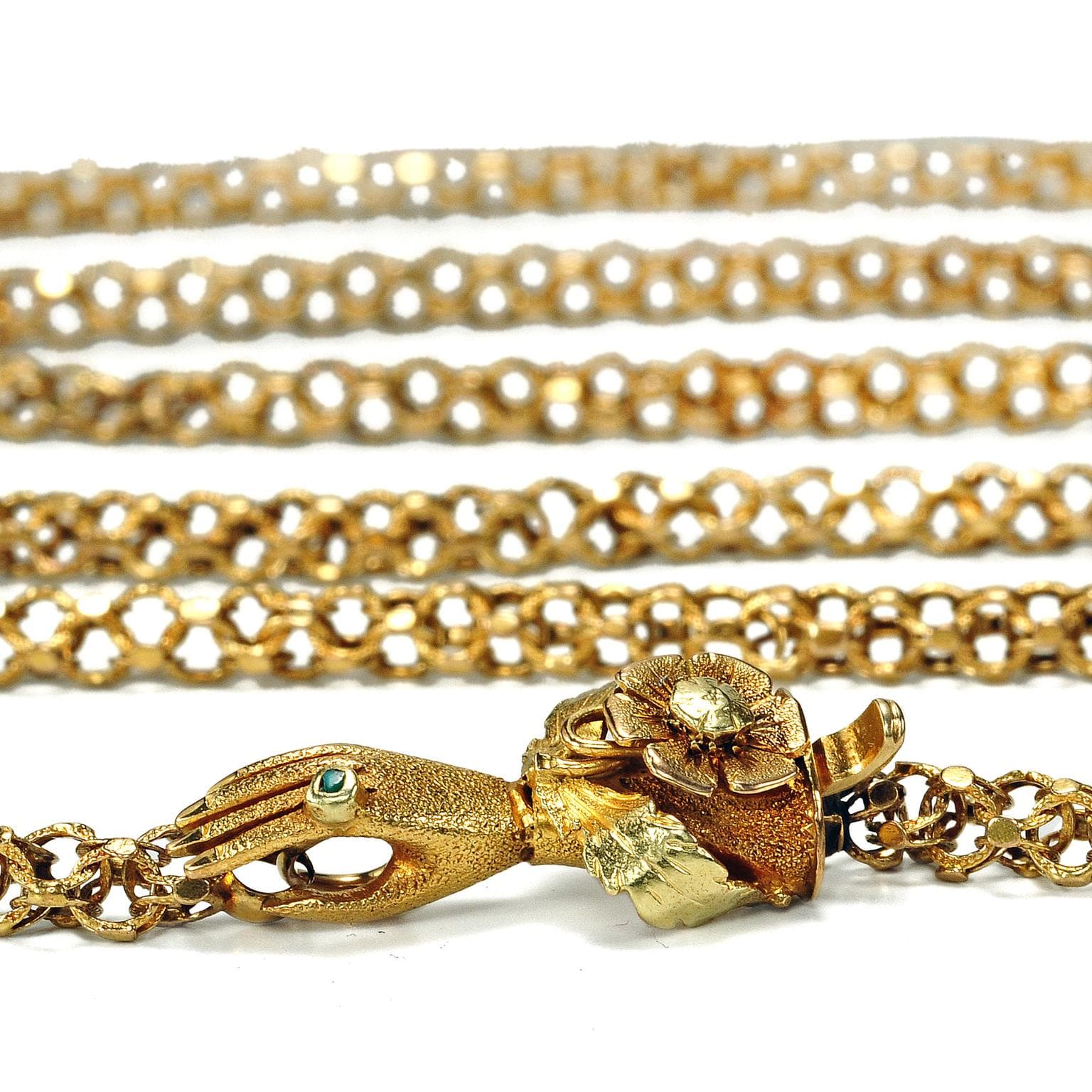
This is not a trend that appeared out of nowhere with social media. The Metropolitan Museum of Art notes that a wide variety of jewelry types, including pendants, were produced in the Hellenistic period. Its collections also show coin jewelry worn predominantly as pendants in Egypt, North Africa and the broader Mediterranean, with that practice extending from the Hellenistic period through Byzantium.
That history explains why pendant curation feels bigger than decoration. The Met’s broader jewelry scholarship describes jewelry as serving social, political and aesthetic roles across time, and that framing fits the current moment neatly. A pendant is not just a charm carrier; it is a portable signal of identity, taste and affiliation.
What separates a curated necklace from a crowded one
The difference between a current pendant look and an overworked charm stack comes down to restraint. The best pieces have a clear center, a controlled mix of metals and textures, and enough room around the charms for each detail to register. They also sit comfortably at a length that flatters the neckline instead of fighting it.
- Choose one pendant that can lead the composition.
- Keep the charm edit tight enough that each piece still reads individually.
- Look for mixed metals or textural contrast, such as silver touches, beads or cord, to keep the necklace from feeling static.
- Favor 18- or 20-inch chains when you want the pendant to sit in a visible, versatile position.
- Ask where the materials come from and how the piece is made, especially when a brand leans on symbolic language without giving clear details.
That last point matters for any reader who cares about provenance as much as polish. Jewelry built on storytelling should be able to tell a story about materials too, whether that means clear metal content, transparent sourcing or craftsmanship that justifies the price. The most convincing pendant curation is not only beautiful; it is specific.
In the end, the shift away from overloaded charm styling is really a shift toward sharper editing. A single pendant, backed by a carefully chosen few, gives necklace layering a cleaner silhouette and a more personal voice. It is the kind of jewelry logic that feels modern now because it is rooted in something older: the instinct to make meaning visible.
This article was produced by Prism’s automated news system from verified source data, official records, and press releases, then run through automated quality and moderation checks before publishing. The system is built and supervised by the people who set the standards it runs under. Read our full AI policy.
Did this article answer your question?