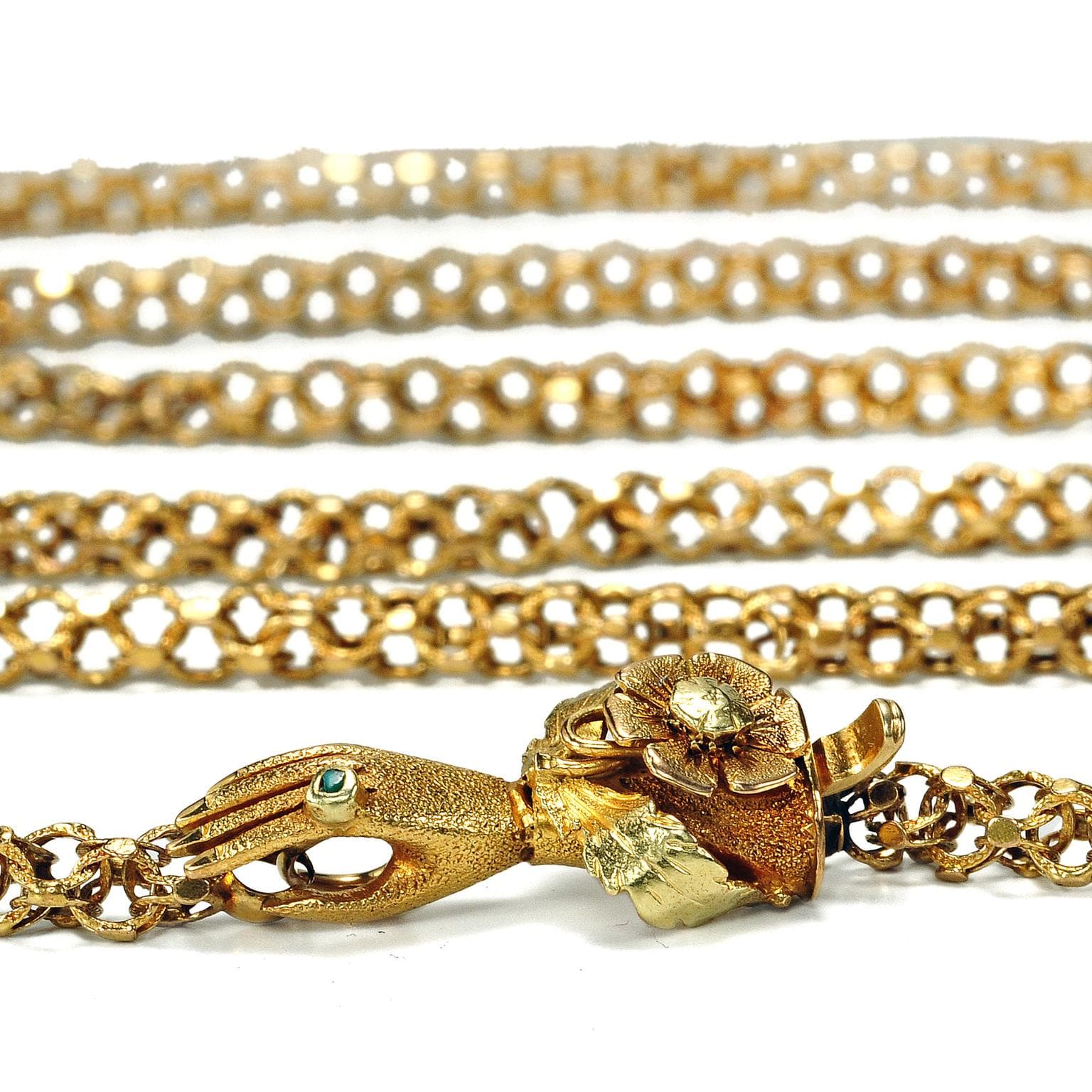
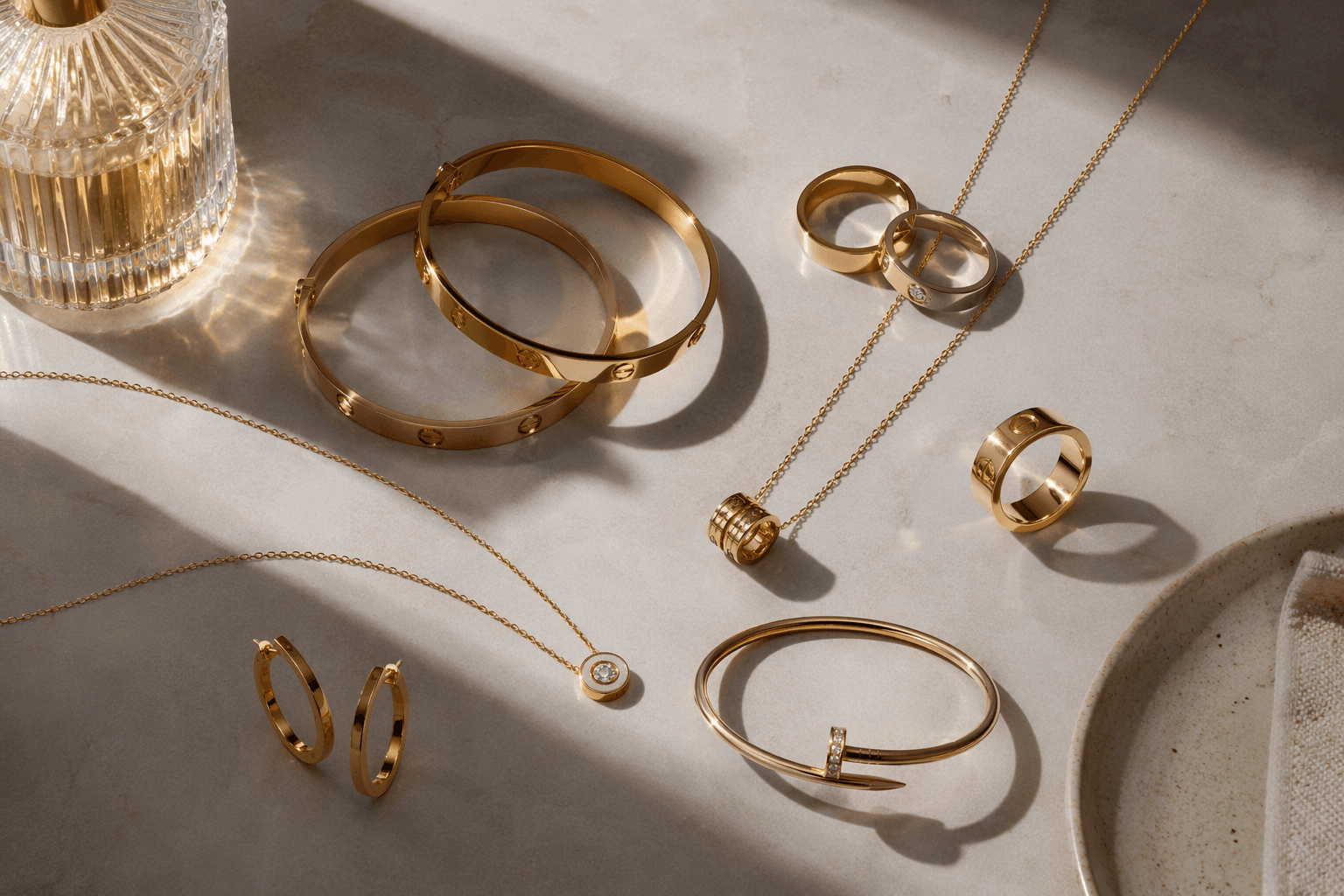
Spring/Summer 26 layering makes high jewellery feel personal and investment-worthy
Layering is turning high jewellery into a more personal luxury signal, while runway stacks and record gold prices make the look feel both wearable and worth keeping.
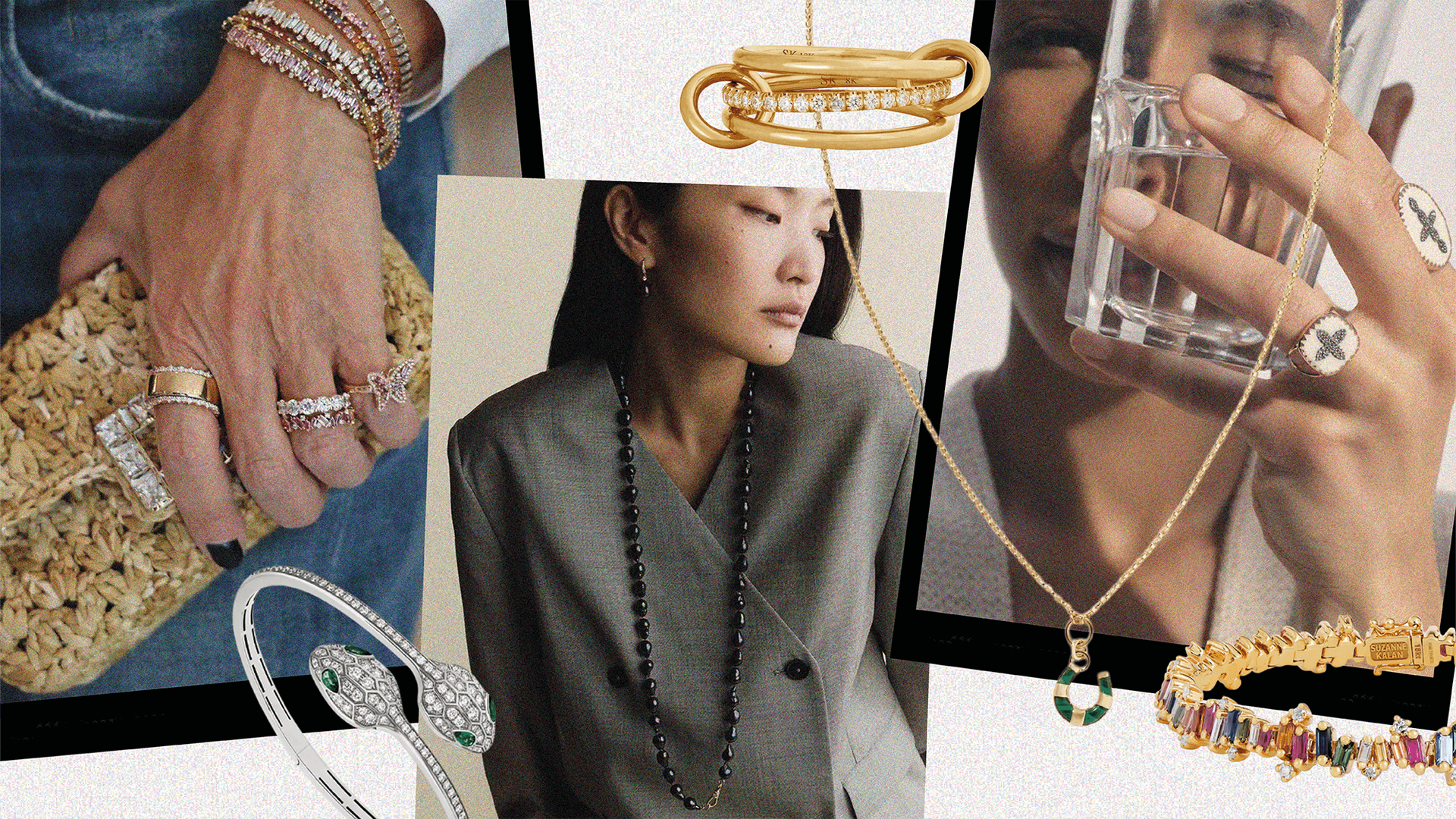
Layering is doing something high jewellery has long promised but rarely delivered: making grandeur feel personal. Spring/Summer 26 pushes necklaces, earrings and bracelets into intentional stacks, while rising gold prices give the whole category a sharper sense of value. The result is a mood shift as much as a styling one, with the strongest pieces feeling lived-in, wearable and worth holding onto.
Layering is the new luxury language
Marie Claire UK frames high jewellery in 2026 as both a style statement and a value proposition, and that balance explains why layering has caught hold so quickly. High-net-worth shoppers are looking for pieces that feel uniquely their own without losing the craftsmanship and pedigree that justify serious spending. In that context, jewellery has been outpacing the wider luxury market because it reads as a better proposition than handbags, especially when gold and silver prices keep climbing.
That shift is visible in the old geography of luxury shopping too. The fine-jewellery halls of Harrods and Liberty were once defined by refined elegance and the quiet authority of houses such as Van Cleef & Arpels, Chaumet and Bulgari. Today, the category has widened into bolder color, more dynamic ideas and personality-led pieces, which makes layering feel less like decoration and more like a way of editing a collection into something that reflects the wearer.
The runway made stacks feel contemporary
The Spring/Summer 26 runways gave the trend its clearest signal. Chanel, Zimmermann, Saint Laurent and Celine all sent layered necklaces, earrings and bracelets down the catwalk, and the styling ranged from beachy beads at Celine to coordinated chunky sets at Saint Laurent. That breadth matters because it shows layering is not tied to one mood or price point: it can look relaxed, polished or deliberately maximal, depending on the stones and finish.
What makes the look appealing now is its softness. Rather than a single statement jewel carrying the entire outfit, the visual weight is spread across multiple pieces, which makes even very fine jewellery feel easier to live with. The result is a silhouette that looks collected over time, not assembled for one occasion, and that is exactly where high jewellery starts to feel modern again.
Ear stacking has become the sharpest entry point
If necklaces and bracelets are the most visible expression of the trend, ear styling may be the most influential. Maria Tash helped pioneer ear stacking in fine jewellery, turning the ear into a place where multiple pieces could interact rather than compete. That idea has only grown more persuasive as buyers look for ways to personalize without losing polish.
Repossi pushed the language further with its Serti sur Vide diamond ear cuffs, bringing layering into high-jewellery territory. The maison describes the collection as an abstract, rhythmic composition of necklaces, rings, bracelets and earcuffs, and that phrasing captures the direction of the category well: not one hero item, but a system of pieces that create punctuation together. In other words, the ear stack is no longer a styling trick, it is part of the luxury vocabulary.

Gold prices are changing how jewellery is perceived
The investment conversation is not happening in a vacuum. The World Gold Council reported that global gold demand reached a record US$193 billion in value in the first quarter of 2026, even as jewellery demand volumes fell 23 percent year on year because higher prices pushed spend up 31 percent. The LBMA gold price averaged a record US$4,873 an ounce in the quarter and hit US$5,405 in January 2026, numbers that make the store-of-value argument impossible to ignore.
That pricing backdrop helps explain why jewellery feels different from fashion right now. A layered necklace or ring stack is still a styling choice, but it is also a way of buying into a material that has become more precious in the market as well as in the mirror. When gold gets expensive, the emotional language of luxury hardens into something more practical, and that gives well-made jewellery an edge handbags cannot match.
The wider trade is leaning into the same message
The broader luxury press has been reinforcing that idea. Benchpeg cited The Business of Fashion in March 2026 saying jewellery outpaced the wider luxury sector in 2025 with 4 to 6 percent global sales growth, while major houses including Boucheron, Chaumet, Graff and Dior used Paris Couture Week to underline the category’s investment appeal. That is a useful counterpoint to the runway chatter: layering is not just a styling mood, it sits inside a market that is already treating jewellery as a stronger place to park money and taste.
This is also why the season’s stacked looks feel more grounded than flashy. The pieces may be couture-level, but the message is approachable enough to filter down into everyday wardrobes: a necklace worn with another, a bracelet repeated until it becomes a rhythm, an ear line built over time. The luxury is still there, but it is softened by repetition and made more convincing by the sense that each piece has a future beyond the season.
What the next layer looks like
Spring/Summer 26 suggests that the most desirable jewellery will be the kind that can do two jobs at once. It has to look personal enough to feel chosen, yet substantial enough to be worth keeping, which is why layered necklaces, stacked rings, signet revivals and ear cuffs are all moving in the same direction. The best examples are not precious because they are formal; they are precious because they can be worn, repeated and re-styled until they become part of a life.
That is the real shift in taste. High jewellery is no longer just signaling occasion or status, it is signaling authorship, with the wearer acting as editor, collector and custodian at once. In a season where value matters as much as beauty, layering gives the category a future that feels intimate, visible and built to last.
This article was produced by Prism’s automated news system from verified source data, official records, and press releases, then run through automated quality and moderation checks before publishing. The system is built and supervised by the people who set the standards it runs under. Read our full AI policy.
Did this article answer your question?