Treasure House Fair spotlights historic jewels from Henry VIII to the 1630s
A 1634 mourning jewel, Henry VIII ties, and Cartier pieces make Treasure House Fair a sharp sourcebook for layered necks and wrists with real history.
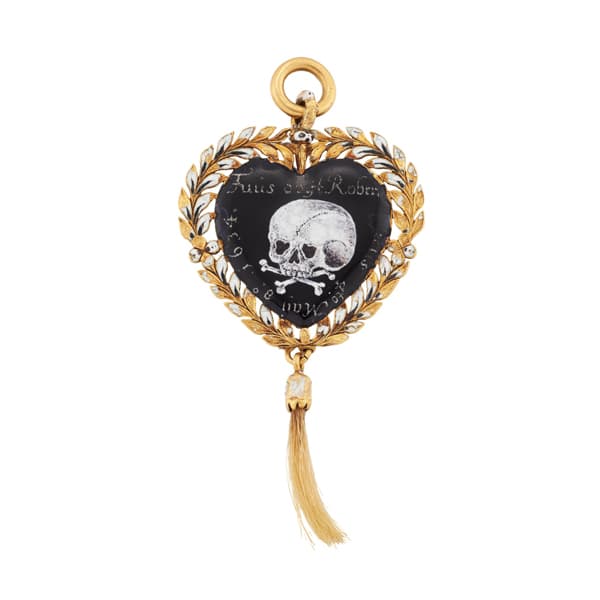
A ring tied to a confidant of Henry VIII and a newly rediscovered heart-shaped mourning pendant from the 1630s can make a modern stack feel instantly more considered. At Treasure House Fair, those historic forms read as working lessons in proportion, symbolism, and restraint. The fourth edition opens at London’s Royal Hospital Chelsea on 24 June 2026 and runs through 30 June 2026, with a press preview on 24 June at 10 a.m.
Historic pieces that still know how to layer
Treasure House Fair’s jewelry offering spans six centuries of European history, offering ways to mix old with new without slipping into costume. A ring tied to Henry VIII’s circle gives you the drama of court history, but its value in a contemporary wardrobe is the way a singular antique can anchor a hand stack beside plain gold bands. The same is true of heart-shaped pendants and memorial ornaments: they bring silhouette and meaning, while the rest of the look can stay clean.
One historic object with a clear outline, whether a ring, a pendant, or an insignia, can carry an entire composition if the surrounding pieces are simple enough to give it air.
- Put one statement antique at the center of a chain stack, then keep the surrounding links slim and unadorned.
- Let symbolic shapes, such as hearts or heraldic emblems, do the talking rather than piling on multiple motifs.
- Pair richly detailed pieces with polished basics so the history reads as texture, not theme dressing.
The Aston Jewel and the power of a single motif
Martyn Downer Works of Art is dedicating its stand to the Aston Jewel, a Hamnet-era mourning jewel dating to 1634. The piece is heart-shaped, made in gold and enamel, and it memorialized a child who died at age six. It was rediscovered after four centuries.
The Aston Jewel is visually self-contained. A heart-shaped memorial ornament does not need competition from elaborate earrings or an overbuilt chain; it wants a shorter, quieter chain that lets the form hover at the collarbone. In wrist styling terms, if a jewel carries strong symbolism, the rest of the stack should read as support, not echo.
The jewel is connected to one of Britain’s most enigmatic 17th-century family portraits. Pieces with a defined outline and a clear emotional story tend to wear best when they are given space, not when they are surrounded by too many equally loud elements.
What the dealers are bringing to the table
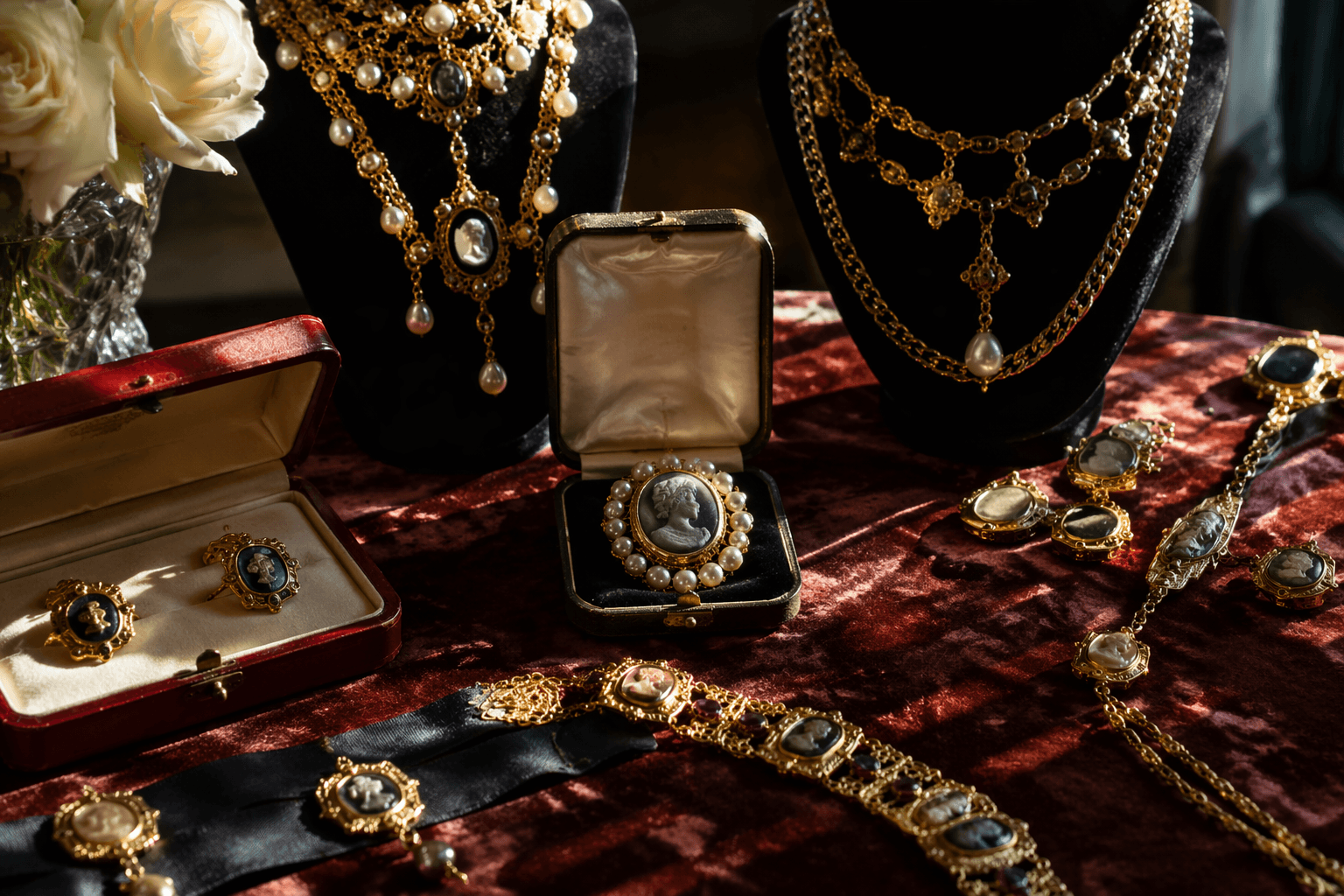
The fair’s jewelry section includes Greens of Cheltenham, Sandra Cronan, and Rosior. Greens of Cheltenham and Sandra Cronan bring the antique-jewelry authority that makes old chains, rings, and pendants legible as daily wear. Rosior, a Portuguese high-jewelry house, is making its first appearance at a European fair and produces 130 one-of-a-kind works annually, putting a contemporary counterpoint alongside the antiques.
Antique jewelry can supply the shape, patina, and provenance, while newer high jewelry can add crispness and scale. A modern piece with sharper finishing beside an old pendant keeps the ensemble from looking theatrical, especially when the antique object has strong symbolism or period detail.
All pieces are vetted by independent experts. The fair brings together 60 galleries across art, antiques, and design.
The best way to wear the fair’s best ideas
The June 2026 jewelry line-up also includes the Duke of Alba’s 1900 Chaumet Golden Fleece insignia and treasures by Cartier. A heraldic insignia and a Cartier jewel may come from different worlds, but both teach the same lesson: a strong outline, a disciplined setting, and a memorable symbol can be enough.
In a neck stack, a single historic pendant can sit above or below a finer chain and still hold its own if the metals are harmonious and the proportions are deliberate. In a wrist stack, one antique piece with visible age can sit beside polished, modern links and create depth rather than clutter.
It continues a tradition of London summer art fairs established in 1934, and its special exhibition, British Surrealism and Beyond, marks 90 years since the 1936 International Surrealist Exhibition.
This article was produced by Prism’s automated news system from verified source data, official records, and press releases, then run through automated quality and moderation checks before publishing. The system is built and supervised by the people who set the standards it runs under. Read our full AI policy.
Know something we missed? Have a correction or additional information?
Submit a Tip