Vintage Cuts and Heritage Metalwork Lead Jewelry Design Trends for 2026
Nostalgia is driving fine jewelry in 2026, with vintage cuts and engraved heritage metalwork emerging as the industry's most compelling design signals.
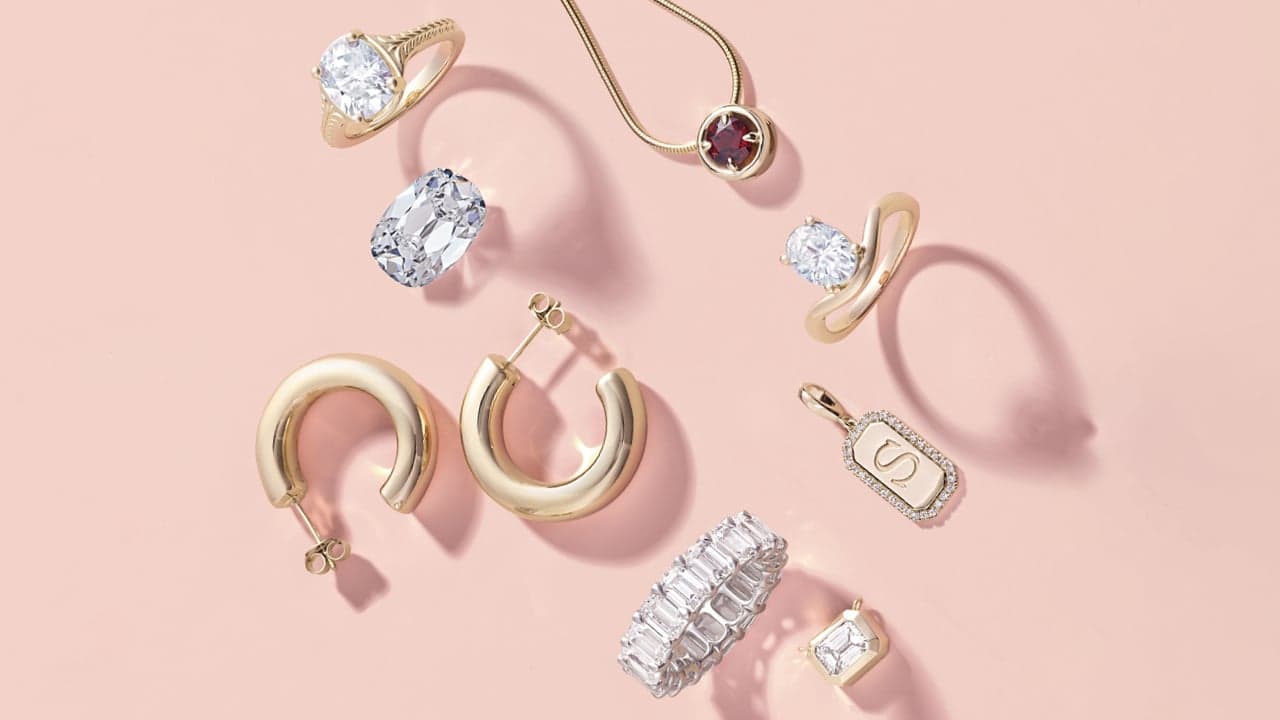
There is a particular kind of beauty in a piece of jewelry that looks as though it has already lived a life. The worn facets of a rose-cut diamond, the deliberate depth of hand-engraved scrollwork on a gold band — these are not accidents of aging but deliberate design choices, and in 2026 they are everywhere. Rapaport's industry survey, published March 12, 2026, identifies five cross-category themes shaping how designers are working and how consumers are buying. Of those signals, none is more pervasive or more texturally rich than what the trade is calling "vintage vibes": a sustained appetite for nostalgia-driven cuts and engraved, heritage-forward metalwork that speaks to permanence in an era of disposability.
Why Vintage Cuts Are Having a Defining Moment
To understand what makes a vintage cut different, you have to think about light. Modern brilliant cuts, engineered with precise mathematical symmetry, are optimized for maximum sparkle. They scatter light aggressively. Vintage cuts, by contrast — the old European round, the rose cut, the antique cushion, the portrait-style table cut — were conceived for candlelight and gaslight, and they handle illumination with a softer, more contemplative hand. The facets are fewer and larger. The stones sit higher in their settings. The effect is a gentle, almost liquid glow rather than the aggressive flash of a contemporary brilliant.
That distinction matters deeply to today's buyers. There is growing interest in stones that feel considered and personal, pieces that do not announce themselves from across a room but reward close attention. Jewelers and retailers surveyed by Rapaport are seeing this translate directly into purchasing behavior, with nostalgia-driven cuts commanding serious attention across price points, from estate-market finds to newly cut antique-style diamonds produced specifically to satisfy demand.
Heritage Metalwork: The Craft Behind the Trend
Alongside the stone cuts, it is the metalwork that gives 2026's vintage movement its real depth. Engraving, in particular, has moved from a finishing touch to a central design statement. Hand engraving, the kind executed with a graver tool and years of practiced skill, produces a quality of line that no laser or CNC machine fully replicates. The slight irregularities, the way a skilled engraver follows the curve of a shank or allows a foliate motif to breathe around a bezel, carry evidence of the human hand in a way that feels increasingly rare and therefore increasingly valuable.
Heritage-forward metalwork also encompasses techniques that the industry is reclaiming from near-extinction: repoussé, where metal is pushed and hammered from the reverse to create raised relief; milgrain edging, the tiny beaded border that frames stones and metal surfaces in pieces from the Edwardian and Art Deco periods; and filigree, the intricate open lacework of twisted fine wire that characterized Victorian and early 20th-century jewelry production in regions from Portugal to India to the American Southwest. What connects all of these is a visible commitment to process, a willingness to spend time on a piece that a buyer can see and feel.
Layering with Vintage Sensibility
The vintage trend has a natural and particularly elegant expression in layered jewelry. When you build a layered necklace composition with vintage-cut stones and engraved settings, the result has a coherence that purely modern pieces can struggle to achieve. The visual temperature is warmer, the finishes more varied, the narrative more layered in every sense.
A few principles are worth keeping in mind when building a vintage-inflected layered look:
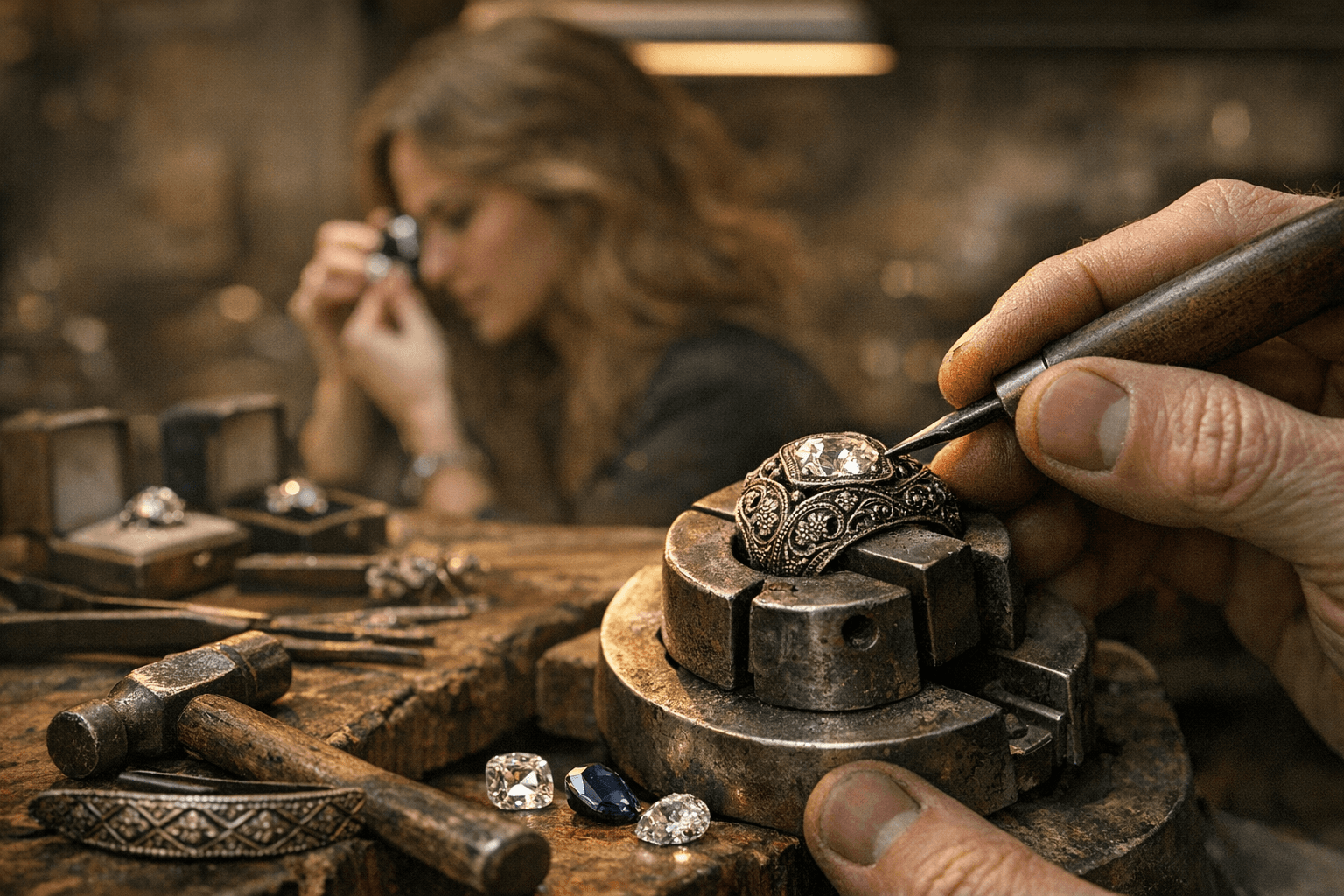
- Lead with texture. An engraved locket or a bezel-set rose-cut pendant creates immediate visual interest at the chest. Subsequent layers should complement rather than compete, so chain styles matter. Box chains and cable chains read contemporary; trace chains, belcher chains, and fine rope chains all carry vintage associations that reinforce the aesthetic.
- Mix metal ages, not just metal tones. The distinction between yellow gold that has been burnished or antiqued and bright, polished yellow gold is subtle but significant. Pairing a newly made piece in a deliberately aged finish with a genuine estate piece creates depth that a single-era collection cannot.
- Consider the setting vocabulary. Prong settings, particularly old-style prongs that are more substantial and less precision-engineered than modern versions, read as antique. Bezel settings in hand-fabricated gold feel artisanal. Pavé set with milgrain borders bridges the two. Mixing these setting types across a layered composition gives each piece its own identity while keeping the whole group coherent.
- Let chains carry meaning. A trace chain that belonged to a grandmother, worn alongside a newly commissioned piece set with an old European cut, demonstrates exactly what the vintage trend is at its best: not costume or pastiche, but a genuine conversation between eras.
What This Means for the Broader Market
Rapaport's identification of the vintage trend as one of five cross-category themes signals that it is not a niche collector preference. It is a purchasing reality that retailers and designers across categories are responding to. That breadth matters. When nostalgia-driven aesthetics influence not just the estate market or high-end custom work but also accessible fine jewelry and even bridge categories, the design language of an era is genuinely shifting.
For designers, the challenge is authenticity. It is easy to produce something that gestures toward vintage without the underlying craft knowledge. A laser-engraved pattern on a mass-produced band is not the same as hand engraving, even if the visual result is superficially similar. Buyers who understand jewelry, and increasingly there are more of them, can tell the difference. The investment required to work with skilled bench artisans, to source old-cut stones, to use heritage techniques with genuine fidelity, produces pieces that carry weight in both the literal and figurative sense.
For collectors and enthusiasts building a personal jewelry wardrobe, the resurgence of vintage sensibility offers something genuinely useful: a set of aesthetic principles rather than a trend cycle to chase. A rose-cut diamond ring, properly made in engraved yellow gold, does not become dated. It becomes, over time, what all the best jewelry becomes: part of the record of a life, inseparable from the person who chose it.
The craft traditions behind these pieces predate the modern jewelry industry by centuries. Their renewed relevance in 2026 is not nostalgia for its own sake. It is recognition that certain ways of working with metal and stone produce results that nothing else replicates, and that those results are worth seeking out.
Know something we missed? Have a correction or additional information?
Submit a Tip