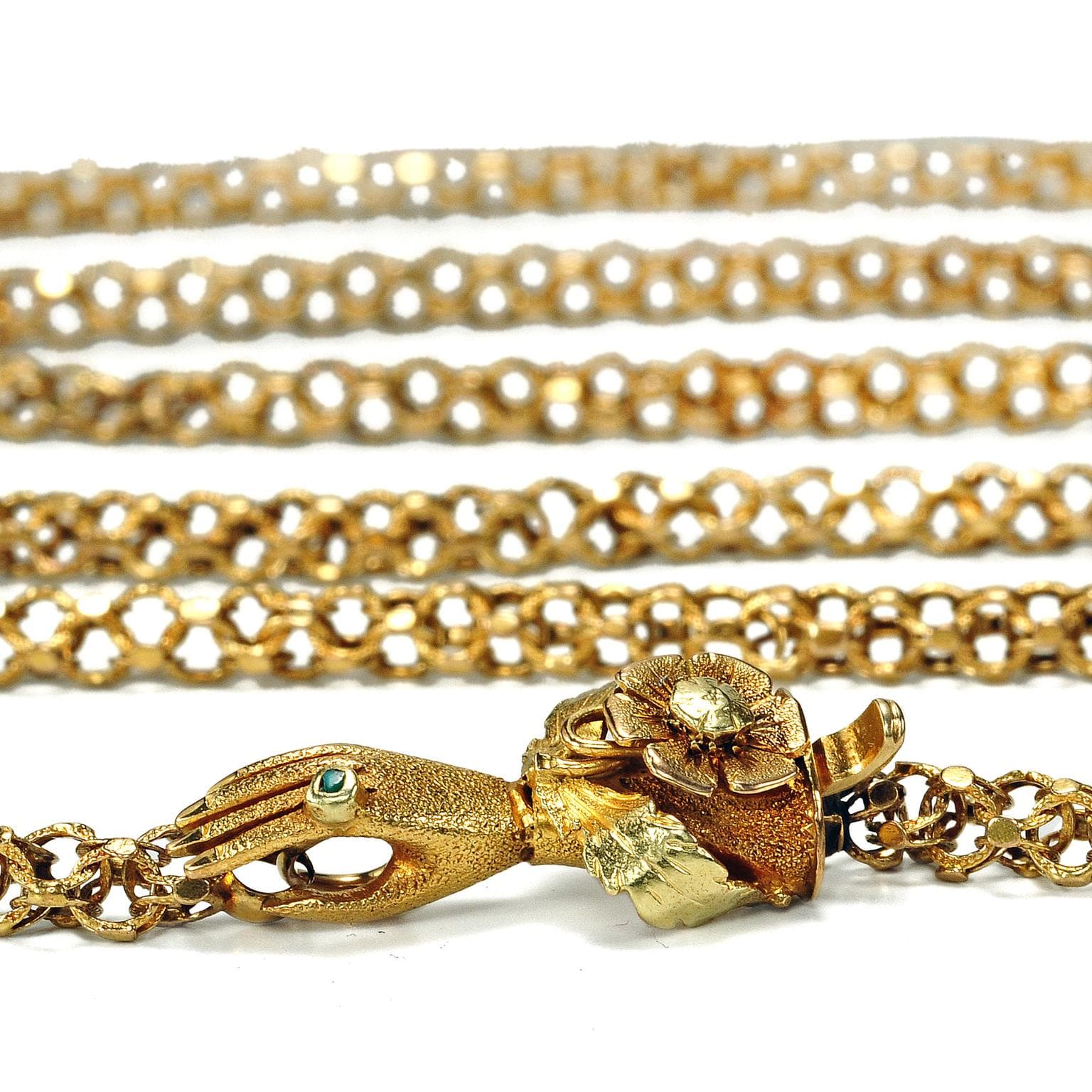
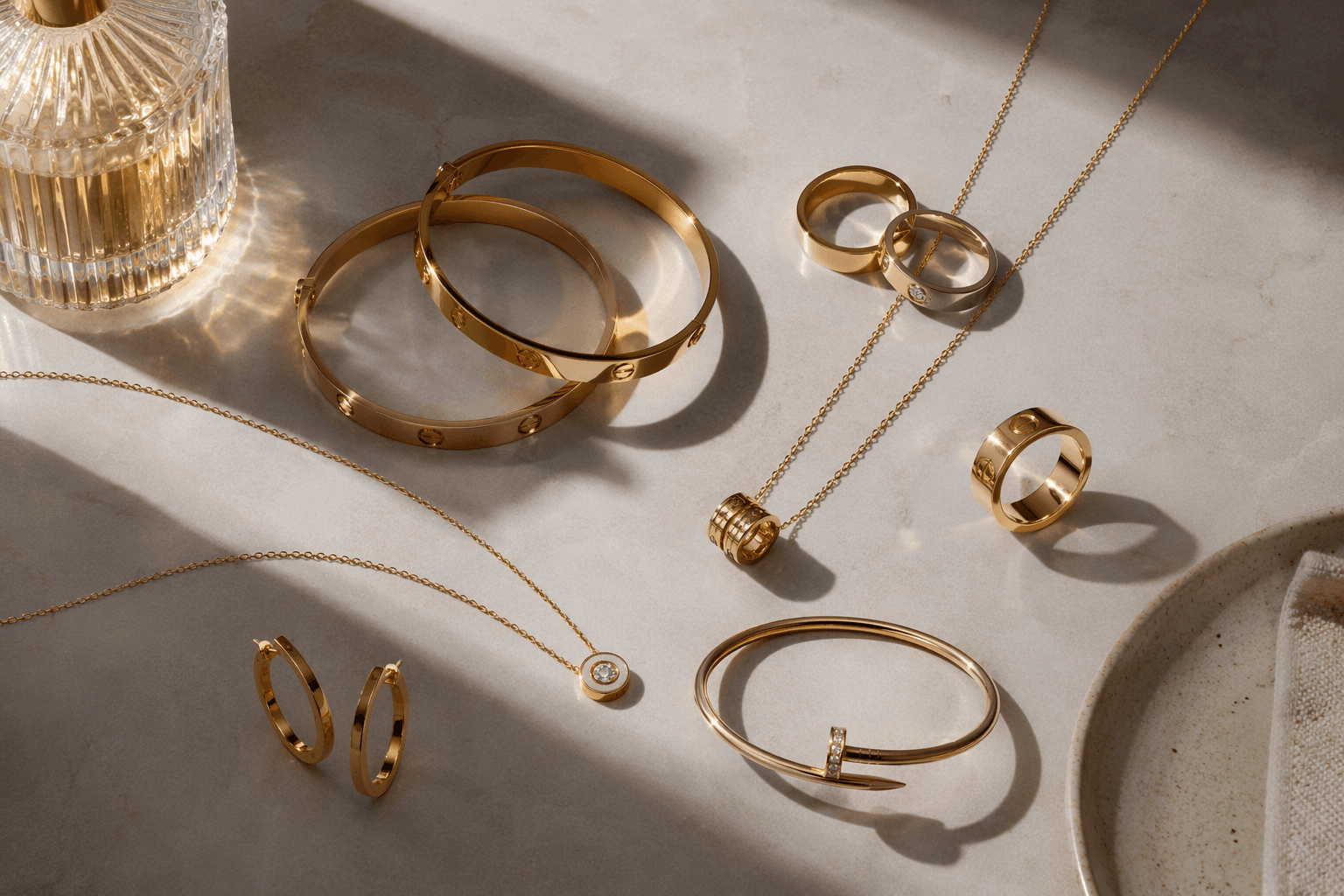
Vintage-inspired engagement rings drive a new layering and stacking shift
Vintage cuts, east-west settings and honey-toned stones are turning engagement rings into stack starters, built to layer with bands, pinkies and daily rings.
The engagement ring is no longer being treated as a lone centerpiece. In 2026, the most compelling designs are the ones that can sit beside a wedding band, a pinky ring and an everyday stack from the start. That shift is pushing east-west settings, vintage silhouettes, clusters and warmer stones to the front, because they make room for more jewelry, not less.
The new engagement ring is built to layer
The broader move toward alternative bridal jewelry is being driven by Gen Z, social media and a growing appetite for rings that feel cinematic rather than prescribed. Pinterest’s wedding trend forecasting captures the mood well, with couples now ditching one-size-fits-all rituals in favor of more expressive celebrations. In jewelry terms, that means a ring is judged not just on its center stone, but on how well it holds its own next to a band, plays with mixed metals and leaves space for future additions.
That is why the most layer-friendly rings in circulation right now are not necessarily the simplest. They are the ones with clear shape, visible metal and a little visual architecture. A ring that already reads as complete, whether through an unusual orientation, a cluster of stones or a vintage-inspired profile, can anchor a hand stack without looking like it is trying too hard.
Why east-west settings keep coming back
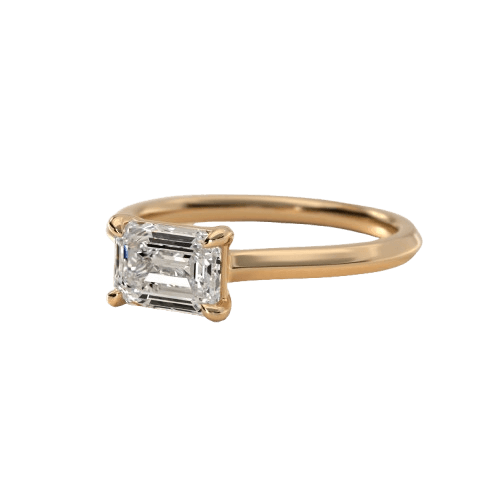
East-west settings have become one of the clearest signals of this shift. The style is not a novelty, either: its history goes back to the 15th century, and it had its broadest audience in the 1920s, when geometric lines and Art Deco symmetry favored horizontal stone placement. That lineage matters because the look feels both current and deeply rooted, which is exactly the kind of tension modern engagement-ring shoppers seem to like.
Zendaya’s Golden Globes ring brought the setting back into the spotlight, and the interest has been measurable. Searches for east-west rings on eBay rose 30 percent from December 2023 through December 2024, a reminder that celebrity visibility can still translate into real buying behavior. From a stacking perspective, the setting works because it stretches a center stone across the finger, creating a broader visual plane that pairs cleanly with a straight wedding band or a second ring without crowding the hand.
Vintage cuts, antique references and the return of warmth
If east-west settings are the structure, vintage-inspired diamonds are the mood. Taylor Swift’s antique-style ring, designed by Kindred Lubeck and featuring an antique old-mine brilliant cut diamond, intensified interest in old diamond cuts and in bolder gold choices with a 1970s feel. That reaction says a lot about where the market is headed: buyers want rings that look collected, not mass-produced.
Vintage and antique cuts are especially useful in layered looks because they soften the center of gravity. Old-mine brilliants, elongated ovals and other antique-minded shapes tend to feel less rigid than a sharply modern solitaire, which makes them easier to pair with textured bands, milgrain details or a second ring that echoes the same period language. Honey-toned stones and other warmer colors also fit this shift, especially when the goal is a hand stack that feels cohesive rather than perfectly matched.
The strongest 2026 directions are already stack-friendly
Several of the year’s biggest ring directions are effectively built for layering from day one. Toi et moi rings already contain a sense of duality, asymmetrical designs create negative space that can be balanced by a band, and bold chunky bands make the engagement ring feel like part of a larger jewelry system instead of an isolated solitaire. Colored center stones, including sapphires, add another layer of personality and can tie together mixed metals or different textures across the hand.
The styles that read most naturally in a stack share a few qualities:
- East-west settings that widen the silhouette instead of making it taller
- Vintage and antique-cut diamonds that bring texture and softness
- Cluster designs that already create a built-in layered effect
- Chunky bands that can hold visual weight beside a wedding ring
- Warm stones and colored centers, especially sapphires, that give the stack a clear color story
These are not simply trend buzzwords. They are design choices that change how much space the ring occupies on the finger and how much room remains for future pieces.
What the market says about metal, shape and scale
The shift toward layering is also showing up in metal preferences. Yellow gold is gaining ground, even though white metals still lead overall. In The Knot’s 2026 Real Weddings study, which surveyed more than 10,000 U.S. couples who married in 2025, 48 percent of respondents said their engagement ring was a white metal, with 35 percent in white gold and 13 percent in platinum. That split tells you the market has not abandoned cooler metals, but it has made more room for warmer, more vintage-minded finishes.
Consumers are also moving away from the old rules that once narrowed engagement-ring choices. Fancy-shape diamonds and more substantial settings are increasingly desirable, and the metal itself is often as important to the design as the stone. That helps explain why oval cuts are so prominent in current search behavior. In one analysis of Google search data, vintage engagement rings were the most popular style overall in 12 states, while oval cuts were the most-searched shape in 13 states.
How the hand stack is changing the way rings are designed
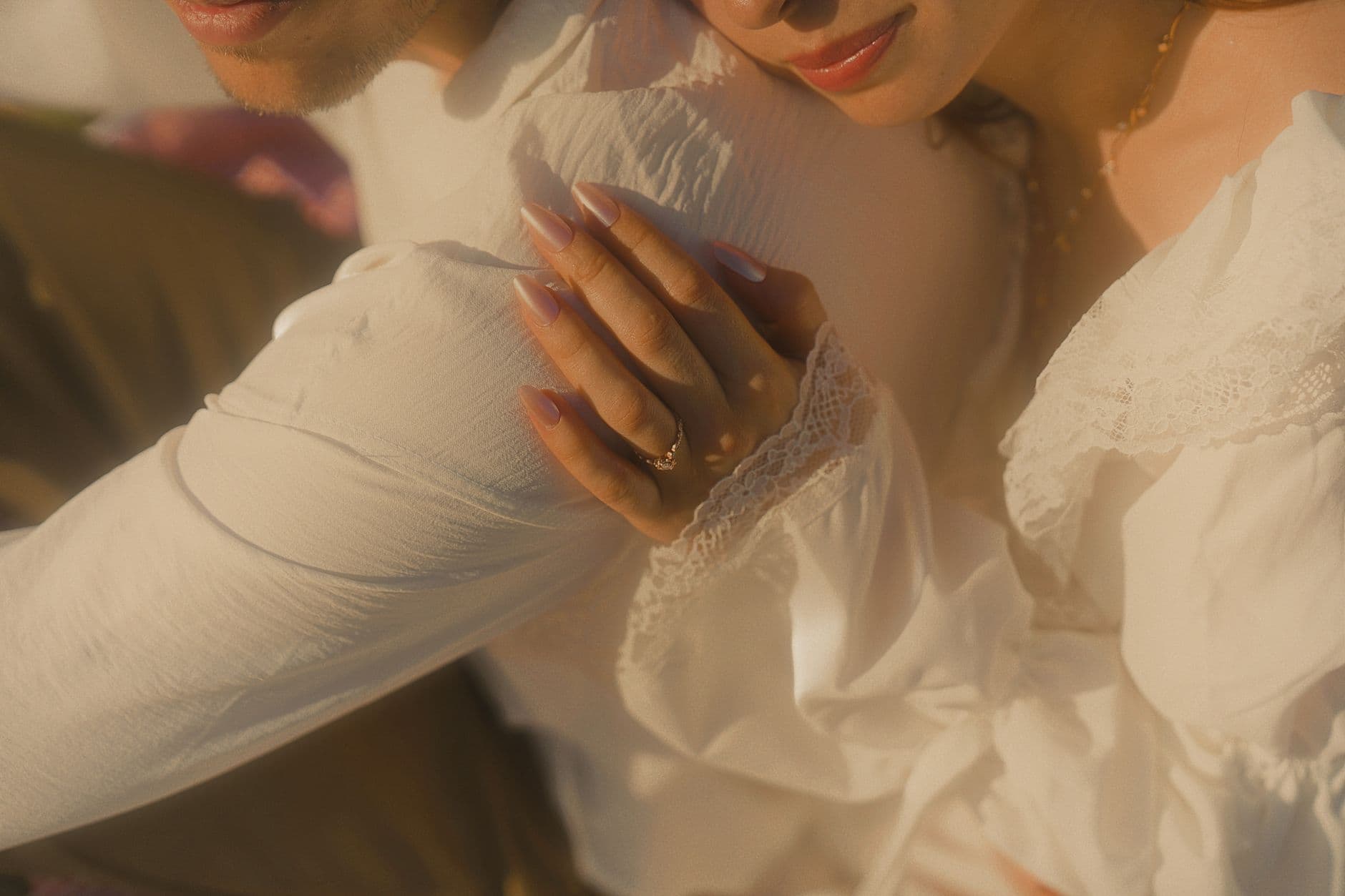
The big change is not just that people are buying more rings. It is that they are choosing engagement rings as the opening note in a composition, not the entire song. A ring with an east-west stone, a vintage cut or a warm gold setting can set the tone for a wedding band, a pinky ring or a daily stack that grows over time without losing its shape.
That is the real story behind this moment. The most desirable engagement rings are no longer the ones that stand apart from the rest of the hand. They are the ones that make the rest of the hand look intentional, building a layered vocabulary of metal, stone and silhouette from the very beginning.
This article was produced by Prism’s automated news system from verified source data, official records, and press releases, then run through automated quality and moderation checks before publishing. The system is built and supervised by the people who set the standards it runs under. Read our full AI policy.
Did this article answer your question?