Arnault Warns of Middle East Risks, Reaffirms Tiffany Growth Ambitions
Arnault tied LVMH’s near-term warning to Tiffany’s long-term role, saying the family wants the jeweler to pass Cartier within five years.
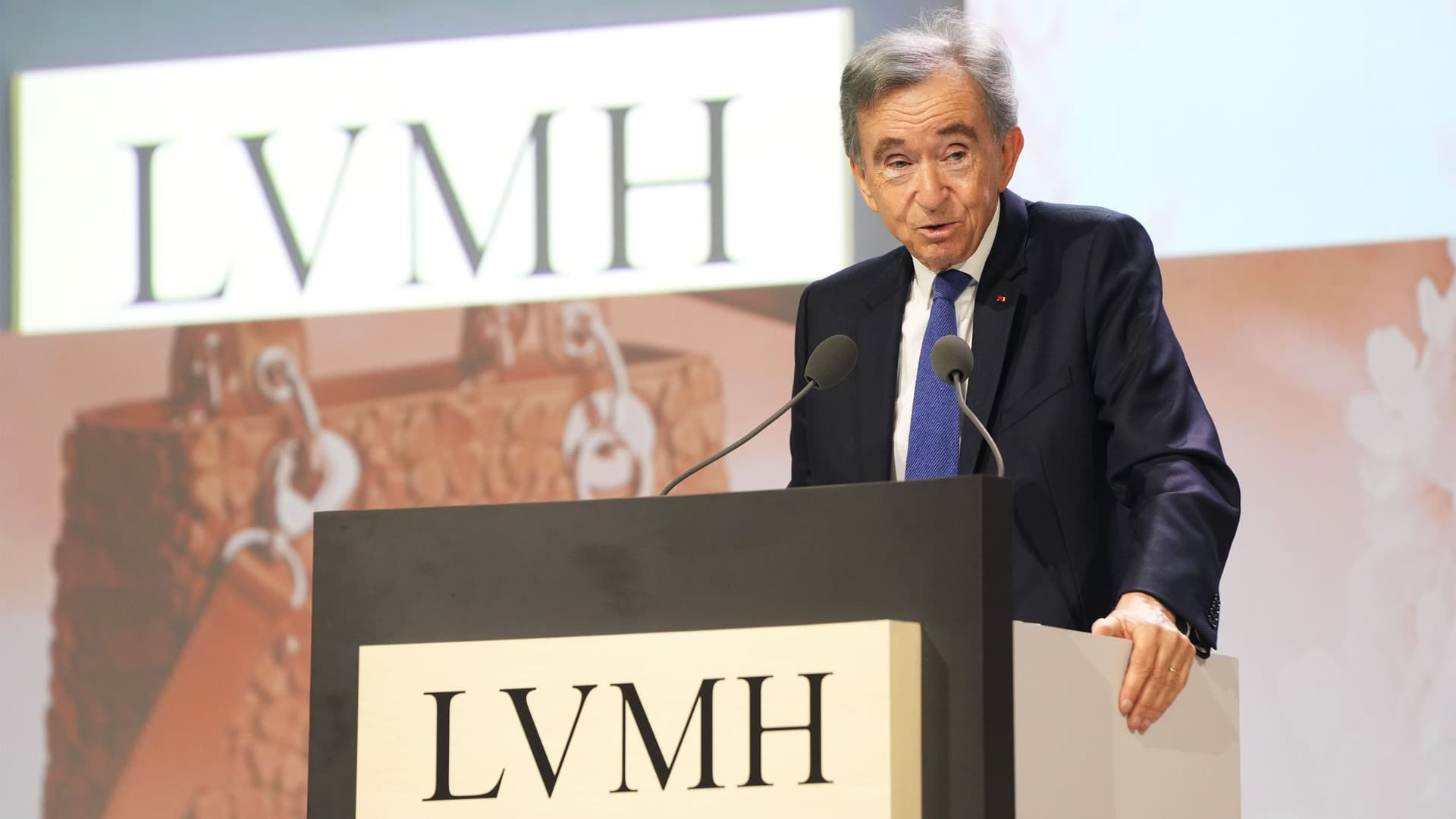
Bernard Arnault used LVMH’s annual meeting in Paris to send two messages at once: the luxury slowdown is real, and jewelry still sits at the center of the group’s best long-term bets. He warned that the Middle East crisis could become a “world catastrophe” if it is not resolved, then turned back to Tiffany & Co., Bulgari and Chaumet as proof that high jewelry remains one of luxury’s most durable emotional categories.
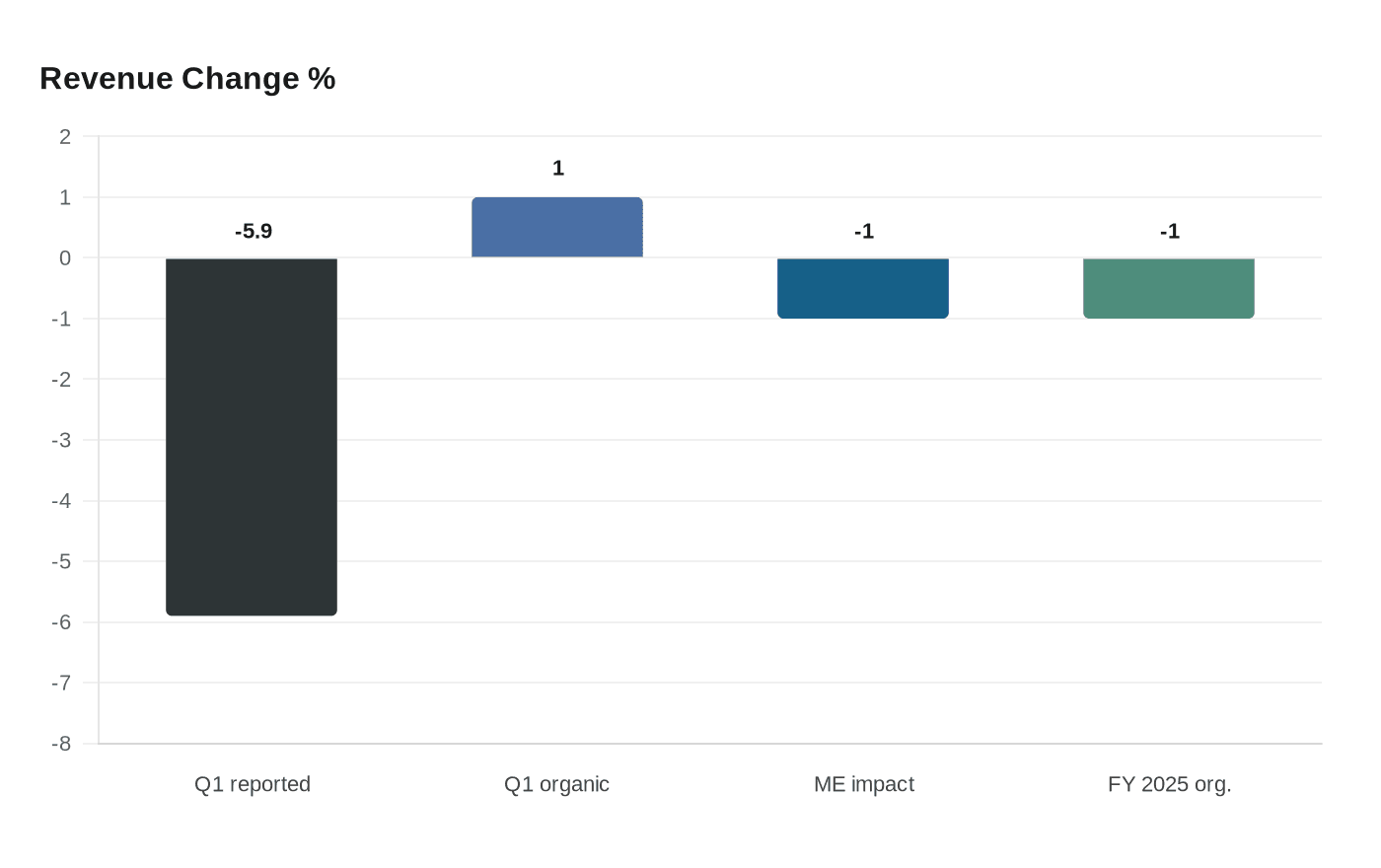
The meeting took place on Thursday, April 23, 2026, at the Carrousel du Louvre, where LVMH laid out a first quarter that was still growing, but only barely. Revenue reached €19.12 billion, down 5.9% on a reported basis, while organic growth came in at 1%. LVMH said the Middle East conflict shaved one percentage point off that figure. Even in that softer environment, Watches & Jewelry was described as having excellent performance, with jewelry maisons posting strong results.
That is the real story behind Arnault’s remarks. When broader luxury is still digesting the post-2022 hangover of higher prices and softer Chinese demand, LVMH is leaning harder into categories that carry their own emotional code: a Tiffany ring, a Bulgari serpent, a Chaumet tiara. Arnault said the group’s jewelry strategy is aimed at making Tiffany the world’s leading jewelry brand within five years, overtaking Cartier. He added, “We’re not far, but we’re not there yet.” For consumers, that kind of ambition usually shows up later as more visible heritage storytelling, sharper icon pieces and a heavier push around recognizable brand signatures.
The confidence in Tiffany matters because the house is not being treated as just another luxury label. LVMH said Tiffany’s transformation was progressing very well, and that Bulgari had another good quarter. In a market where provenance, name recognition and design codes increasingly separate collectible jewelry from generic sparkle, that is a meaningful signal. Big-group capital is not only chasing volume; it is betting that branded high jewelry, with its traceable house language and heirloom appeal, still commands the deepest loyalty.
The wider governance backdrop only sharpened that message. For the first time, all five of Arnault’s children spoke at the meeting, underscoring the succession conversation around the group. Arnault also brushed off retirement talk, saying he would discuss it again in seven to eight years. In February, the Arnault family crossed 50% ownership of LVMH share capital, reaching 50.01% and 65.94% of voting rights, a level of control that makes the family’s next strategic moves even more consequential.
LVMH’s full-year 2025 revenue was €80.8 billion, with a 1% organic decline, so the push toward Tiffany and the broader jewelry division reads less like flourish and more like conviction. In uncertain markets, Arnault is betting that the most emotionally legible pieces, the ones buyers can name, inherit and recognize at a glance, will keep carrying luxury forward.
This article was produced by Prism’s automated news system from verified source data, official records, and press releases, then run through automated quality and moderation checks before publishing. The system is built and supervised by the people who set the standards it runs under. Read our full AI policy.
Did this article answer your question?