Canada’s Oldest Diamond Mine Seeks Protection as Prices Plunge
Ekati’s creditor protection clouds the Canadian-diamond story just as prices have fallen more than 70 percent in a year.
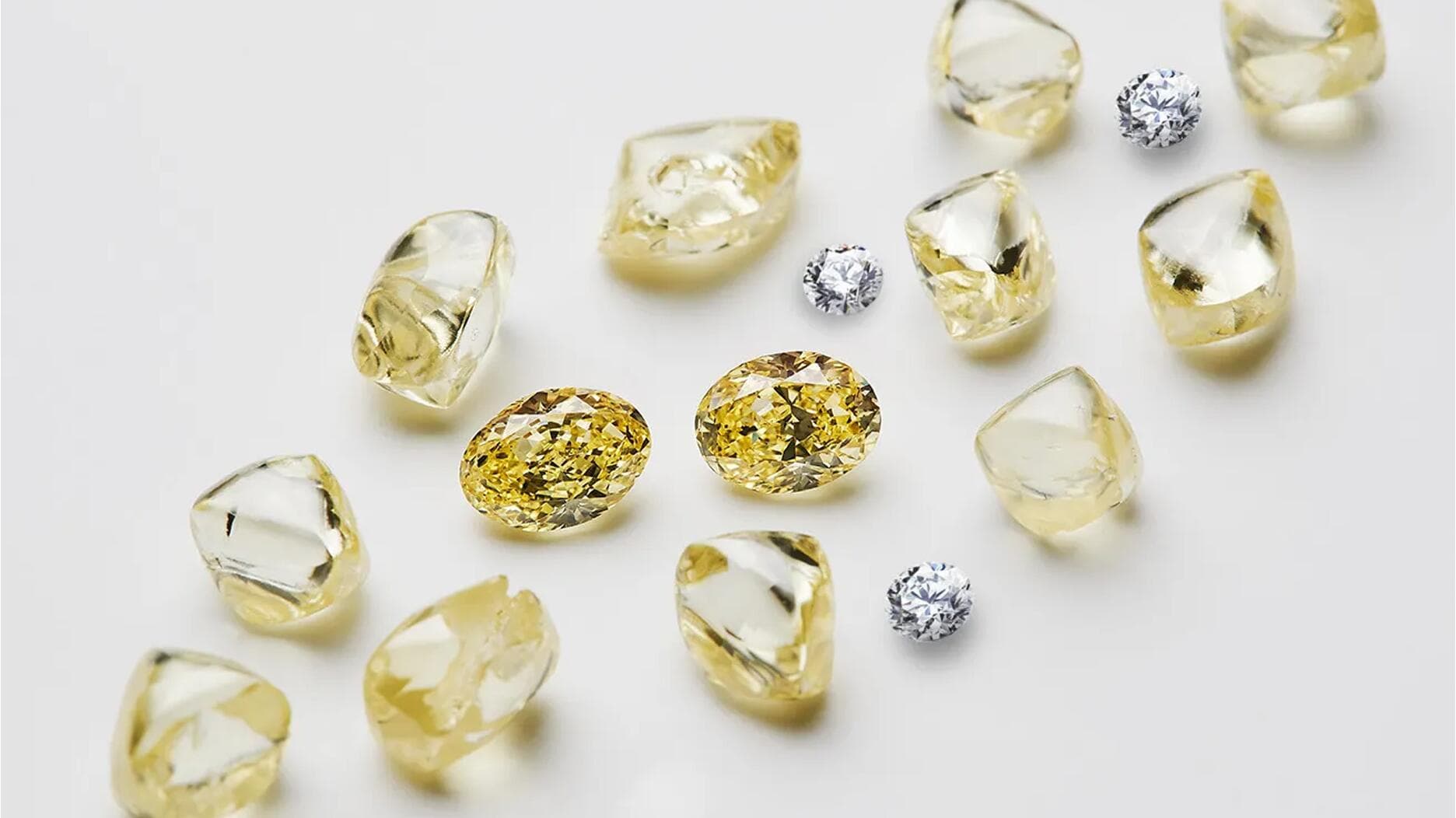
The allure of a Canadian diamond has always rested on more than sparkle. It carries a provenance story, one that begins in the Northwest Territories and ends on an engagement ring finger, a milestone bracelet, or a pair of studs chosen for their origin as much as for their fire. Now that story is under strain as Ekati Diamond Mine, Canada’s oldest diamond mine, has entered insolvency protection.
Ekati opened in 1998 and has been owned by Burgundy Diamond Mines since 2023. The mine’s parent company filed for creditor protection on May 2, 2026, and a court granted legal protection on May 3. The pressure behind that move is severe: CBC News reported that diamond prices have fallen by more than 70 percent within a year, a collapse that has thrown hundreds of jobs into uncertainty and put millions of dollars in promised payments to Indigenous communities at risk.
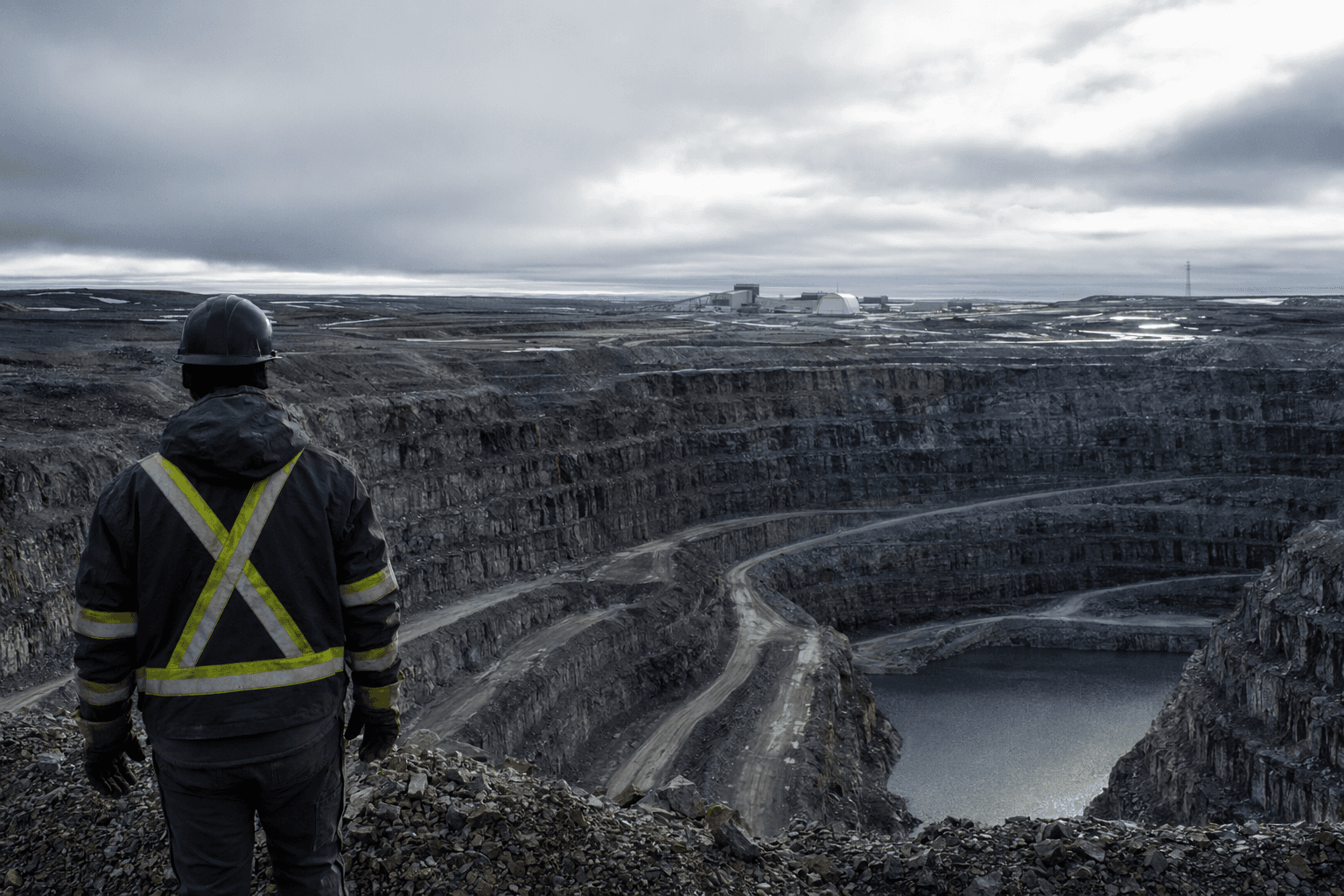
That matters because Ekati is not just a remote industrial site. It is part of the origin story that gave natural diamonds in Canada a distinct emotional and ethical appeal. A stone marketed as Canadian has long promised more than geography. It suggests traceability, a cleaner narrative than the anonymous supply chains that once defined the category, and a sense that the purchase is connected to a specific place rather than a faceless market. When that place becomes unstable, the meaning of the diamond at the moment of purchase changes with it.
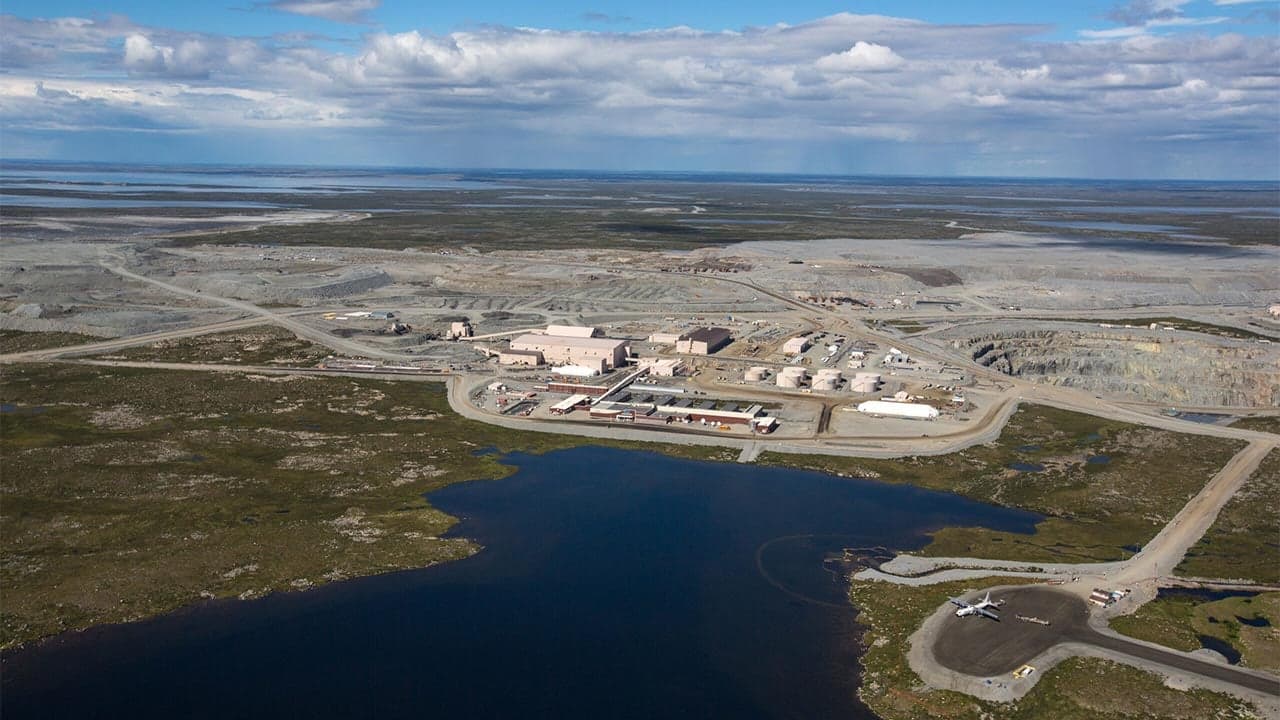
Ottawa has already tried to steady the mine. The federal government extended a $115 million loan in December 2025 to help Ekati keep operating and protect jobs, then expanded that support by another $60 million in April 2026 through the Large Enterprise Tariff Loan facility. Burgundy said the added financing would help maintain operations and advance work at the Sable, Misery and Fox sites. The mine stretches roughly 50 kilometres from Sable Pit in the north to Misery and Lynx in the south, and any closure planning would have to account for about 200 kilometres of additional road infrastructure.
For jewelry buyers, the challenge is immediate. A natural diamond once won on origin alone may now have to compete with lab-grown stones, recycled diamonds, and other traceable options that offer transparency without the same dependence on a single mine’s fortunes. In a market where provenance is part of the value proposition, Ekati’s uncertainty is a reminder that the story behind a stone can be as fragile as the price that supports it.
This article was produced by Prism’s automated news system from verified source data, official records, and press releases, then run through automated quality and moderation checks before publishing. The system is built and supervised by the people who set the standards it runs under. Read our full AI policy.
Did this article answer your question?