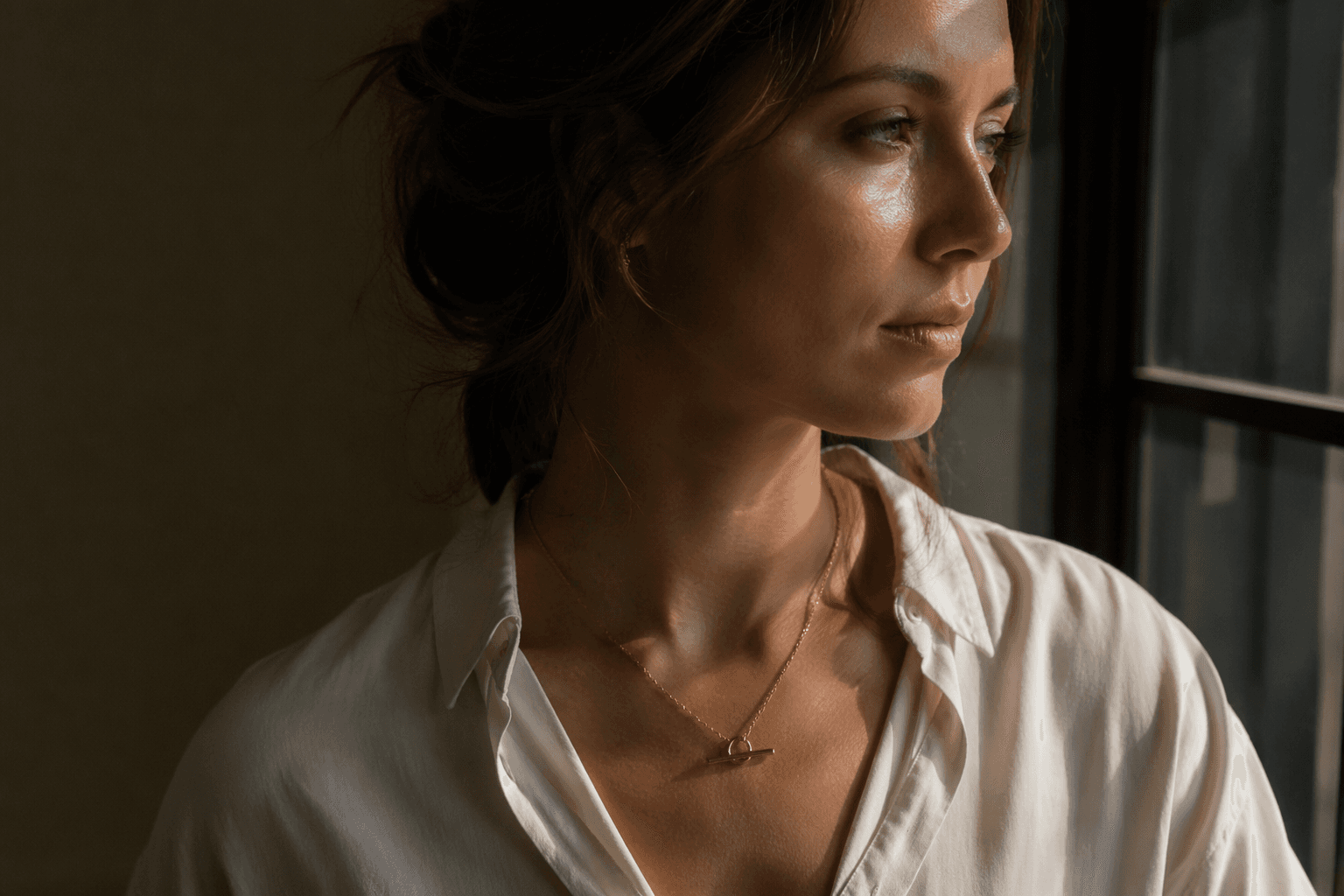
Designers Reimagine Heirloom Jewelry as Wearable Memories for Generations
Modern heirlooms are shifting from drawer-bound keepsakes to daily wear pieces that carry family memory, craftsmanship, and a path to the next generation.
What makes a modern heirloom now
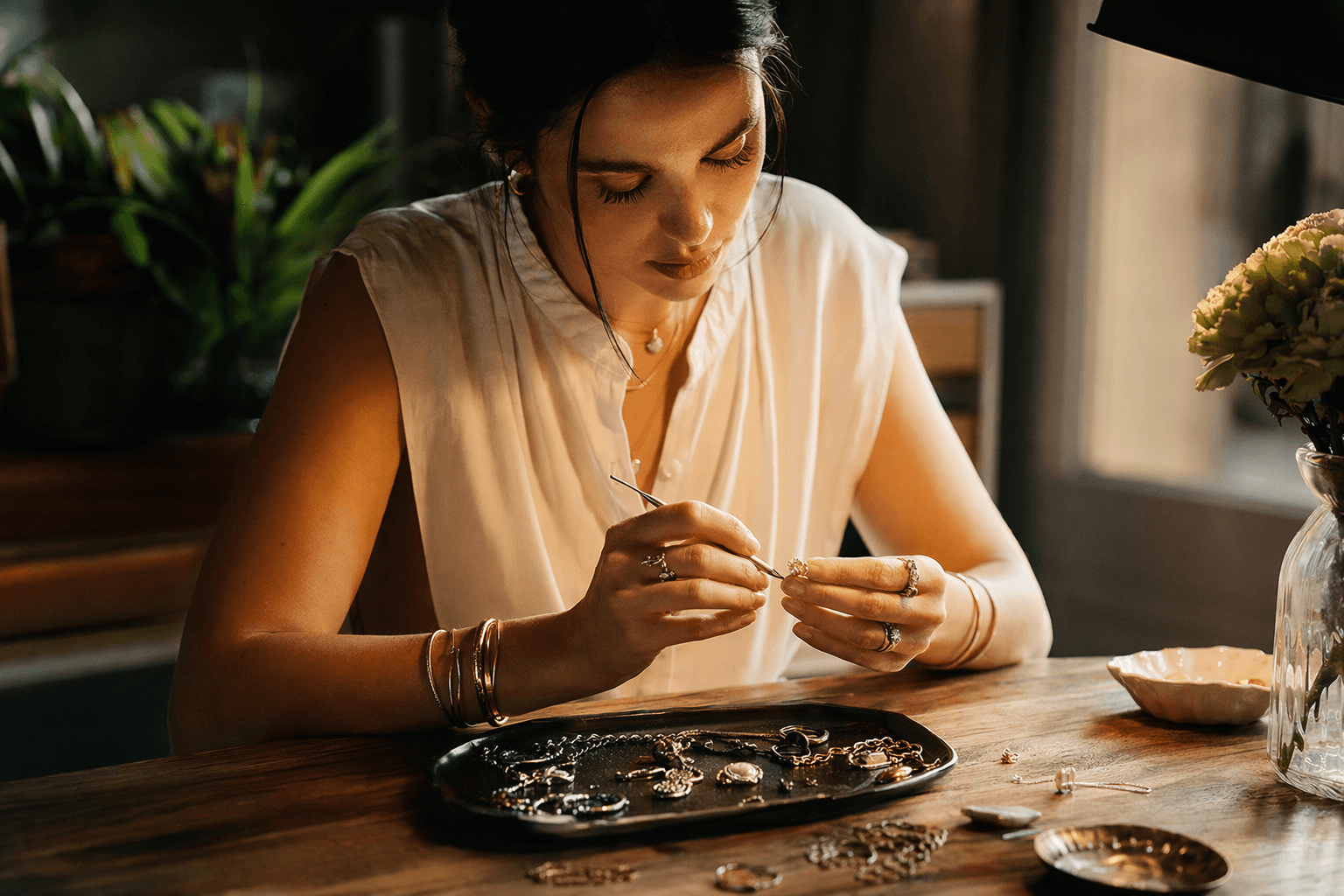
Nicole Mann Novick says she designs Garland Collection pieces as modern heirlooms from the start, and that framing gets to the heart of the shift. The old idea of heirloom jewelry treated precious things like relics, saved for special occasions and handled carefully enough to stay untouched. The newer idea is more alive: jewelry that is meant to be worn now, collect meaning through use, and still feel emotionally and aesthetically relevant decades later.
Elise Thompson of Mejia Jewelry has pointed out the problem with the word itself. Many people still hear “heirloom” and picture something from a grandmother that feels dated rather than desirable. The strongest modern pieces answer that hesitation by being personal, durable, and visually clear enough to survive changing tastes without needing to be reset, redesigned, or altered when they are inherited.
The real test is whether the piece can live with someone
A modern heirloom is not just a jewel with sentimental marketing around it. It needs to earn its keep in daily life. That means the design should feel wearable, the symbolism should be legible without being sentimental in a cloying way, and the construction should be strong enough to pass from one owner to the next without losing its character.
The best pieces usually share a few traits:
- Wearability, so the jewel fits real routines instead of waiting for a formal event
- Personalization, whether through handwriting, symbols, family references, or custom design
- Craftsmanship, so the piece can endure era after era
- Repairability and adaptability, so it does not need to be fundamentally reworked when inherited
- Symbolism, so it carries a story that means something beyond resale value
That last point matters. JCK’s broader coverage of jewelry that tells a story shows how deeply buyers respond to objects that feel tied to an event, a person, or a memory. The market keeps rewarding pieces linked to births, weddings, birthdays, and family milestones because those moments give jewelry its emotional charge. Hannah French captured that shift plainly: “We’ve had couples design their own wedding bands as well as people who are celebrating milestone birthdays who used heirloom stones to make something truly special.”
Story first, trend second
The new appetite for meaning is not limited to custom work. It shows up in collections built around inheritance, family memory, and keepsake value, including pieces meant to move from mother to child. That is one reason the modern-heirloom conversation has staying power: it connects design language to the way people actually live with jewelry, not just to how they buy it.
Aurelia Demark’s approach makes the same argument from another angle. Early in her career, she rejected costume jewelry’s fast-fashion churn and wanted her brand to stand for pieces passed down from mother to child across generations. That instinct separates meaningful jewelry from disposable ornament. If the design only works for one season, it is not really heirloom thinking at all.
JCK’s “storyteller” jewelry coverage makes the point even more clearly. Consumers continue to seek objects imbued with meaning, and designers are responding with handwriting motifs, layered narratives, symbolic shapes, and customization that turns a jewel into a portable memory. The appeal is not nostalgia for its own sake. It is the desire to wear something that reflects a life, a relationship, or a private reference that can be understood later by the next owner.
Why the past still matters
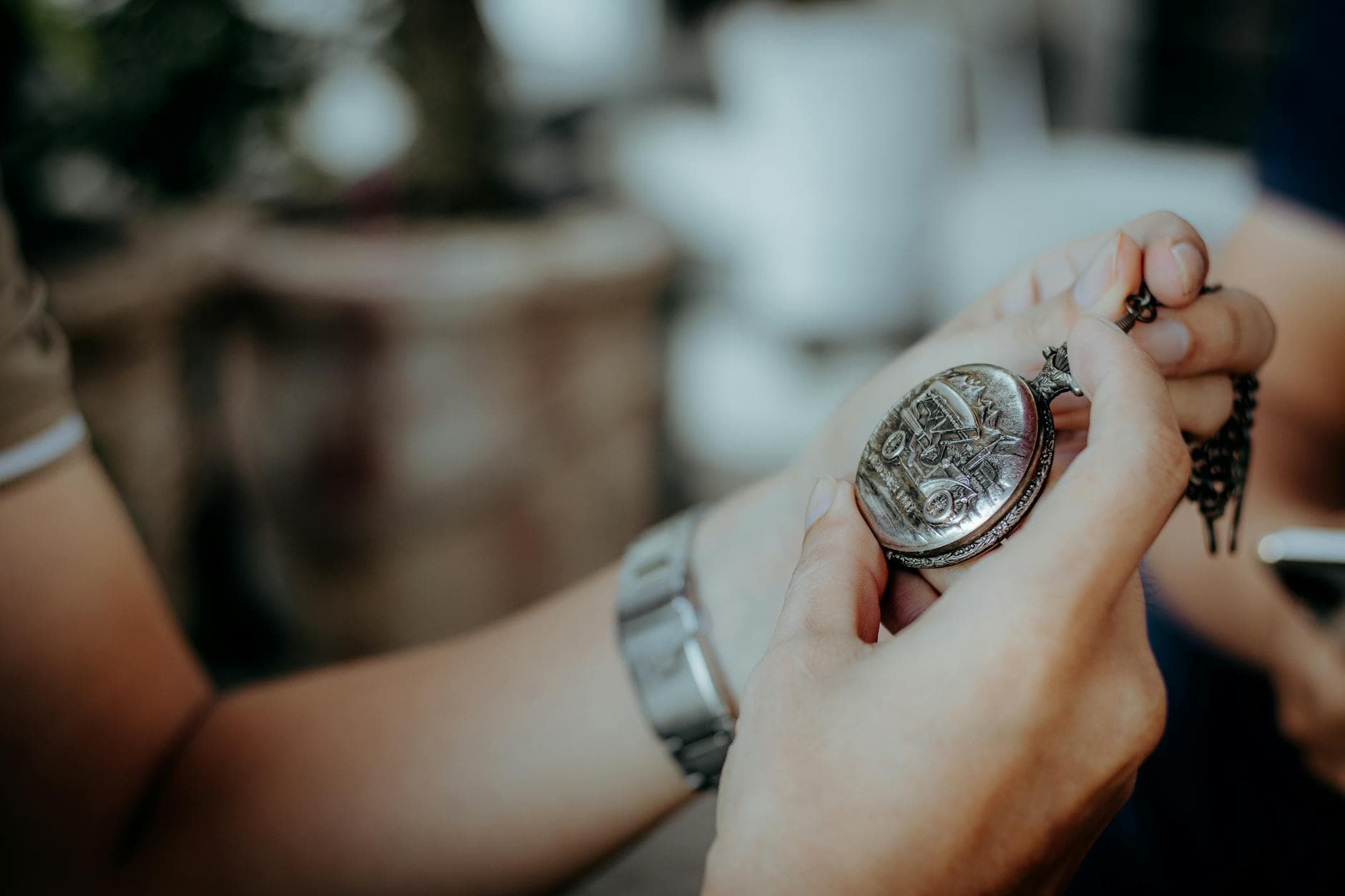
This shift sounds modern, but the idea is older than the phrase “modern heirloom.” The Gemological Institute of America has long described jewelry design as cyclical, with revival jewelry repeatedly drawing inspiration from earlier eras and archaeological finds. Its historical review of modern jewelry notes that the style evolved from Retro and other wartime and postwar forms into handcrafted, flexible designs in the 1950s and early 1960s. In other words, the best contemporary jewelry is often built on a long memory of its own.
That history explains why repurposed historical artifacts keep drawing attention at gem and jewelry shows. GIA observed that attendees were attracted to pieces incorporating those materials because they offered a wearable connection to the past. Provenance matters here. When old material is thoughtfully transformed, the result can feel less like a museum object and more like a living archive.
Brooches are the clearest proof
JCK’s 2024 coverage of classic brooches showed how easily an old category can be recast for the present. Brooches can sound formal or old-fashioned, but in modern hands they become compact statements of personality and craftsmanship. They are one of the clearest examples of how heirloom quality can look contemporary without losing seriousness.
That resurgence also fits the broader fashion picture. Classic motifs are being reworked across the market, from fashion houses such as Carolina Herrera, Chanel, and Schiaparelli to jewelry labels and retailers that understand the appeal of pieces with instant recognition and long-term staying power. The point is not to make a brooch look young. The point is to make it look right, now and later.
How to recognize a piece worth keeping
A meaningful jewel usually offers more than sparkle. It gives you a reason to keep reaching for it.
If you want to judge whether a piece deserves heirloom status, look for this: a design that wears easily, a story that feels specific rather than vague, and enough craftsmanship that future owners can inherit it without needing to reinvent it. That combination is what turns jewelry from an object of display into a vessel for memory.
The most convincing modern heirlooms do not ask to be saved for someday. They are built to live in the present, gather meaning in motion, and arrive in the next generation already full of life.
This article was produced by Prism’s automated news system from verified source data, official records, and press releases, then run through automated quality and moderation checks before publishing. The system is built and supervised by the people who set the standards it runs under. Read our full AI policy.
Did this article answer your question?