Employee buyout keeps Dransfield Jewelers thriving, craftsmanship-first legacy intact
An employee buyout kept Dransfield Jewelers in trusted hands, preserving handmade craft, repairs, and Richmond’s most personal jewelry traditions.
Continuity matters more than a logo
Dransfield Jewelers survives because the people who know the business best now own it. Caitie Sellers and Maggie Smith bought the Richmond jeweler from founder Don Dransfield in 2022, then reintroduced the store on November 2, 2023, turning an employee buyout into something rarer than a transaction: a continuity plan for a neighborhood jeweler built on trust. In a trade where clients return for ring sizings, anniversary resets, and inherited stones that need careful handling, ownership stability is not abstract. It is the difference between a store that merely sells jewelry and one that carries family histories forward.
That is why this story lands as more than a business handoff. The buyout preserved a craftsmanship-first ethos that had already defined the shop for decades, while giving Sellers and Smith room to expand the team and push the business into a new chapter. The result is a jeweler that still feels personal, but now has the energy of a place being actively renewed rather than quietly frozen in the past.
From a hallway space to Shockoe Slip
Dransfield Jewelers’ origin story is rooted in Richmond itself. The company’s history page says Don Dransfield opened the business in 1989 next door in a shared “hallway” space before expanding into its current home at 1308 East Cary Street in Shockoe Slip. Other listings place the founding in 1991, so the exact date varies, but the through line is clear: this is a local business with more than 30 years of history in the city.
That history matters because the store is not tucked into a generic retail corridor. Shockoe Slip is one of Richmond’s historic districts, and the jeweler’s place there gives the business an old-city texture that suits its specialty in modern heirlooms and one-of-a-kind pieces. The location also reinforces the emotional contract between jeweler and client: this is where Richmond brings engagement rings, repairs, gifts, and inherited jewels that need a careful hand.
A workshop, not just a sales floor
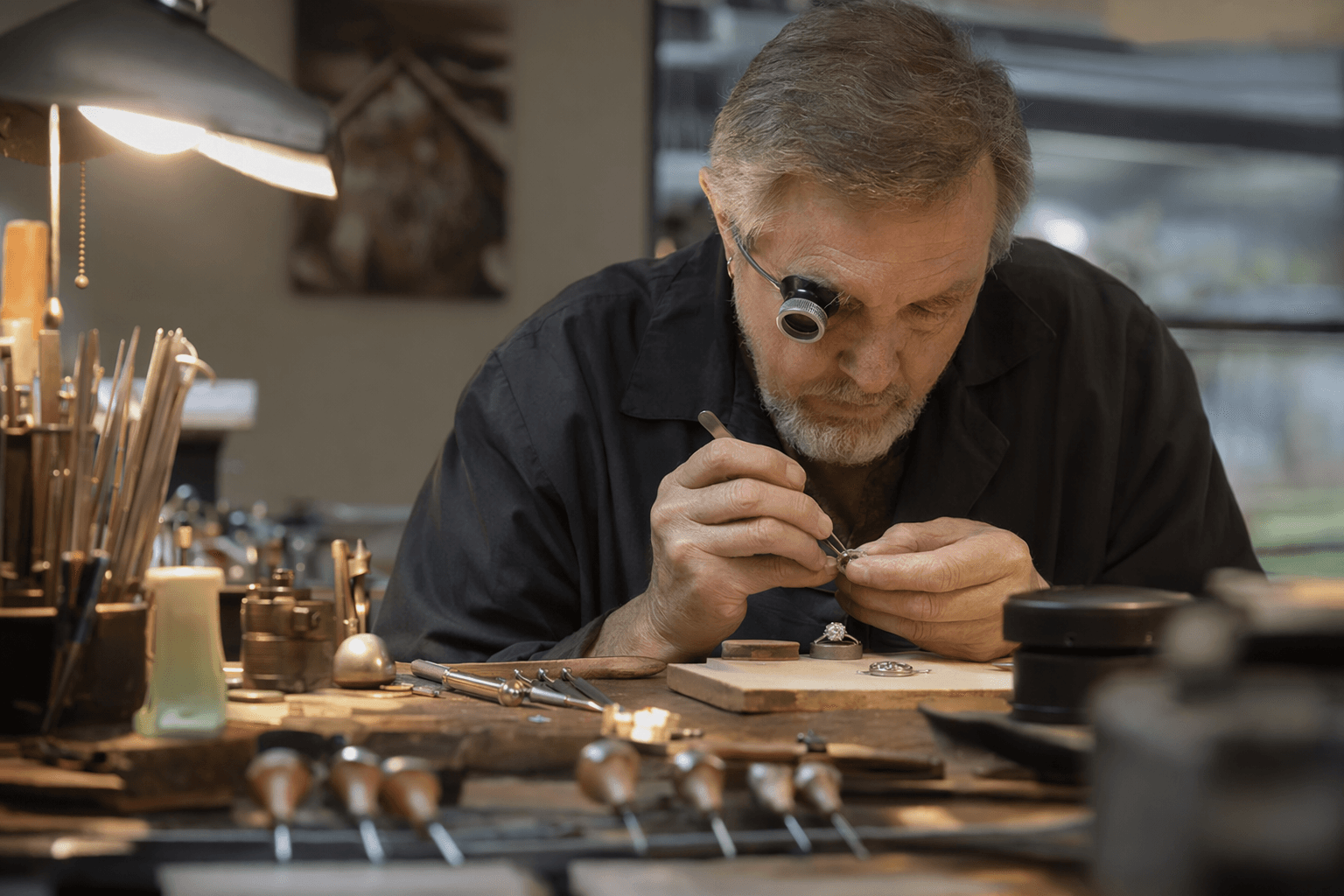
Dransfield Jewelers describes itself as working completely by hand to craft, repair, and design one-of-a-kind pieces. That emphasis is central to understanding why the buyout feels significant. A hand-finished custom jeweler is not easily replaced by a website or a chain showroom, because the value lies in bench skill, memory, and the ability to shape a piece around a person’s story rather than a trend.
The store specializes in engagement jewelry, modern heirlooms, and unique gifts, which places it squarely in the most emotionally loaded corners of jewelry retail. Engagement rings need precision and proportion. Heirloom redesigns demand respect for inherited materials. Gifts have to carry symbolic weight without feeling generic. Dransfield’s model works because it treats each of those categories as a craft exercise, not an inventory problem.
Why ownership continuity builds trust
Employee buyouts are not common in jewelry retail, which makes this one especially instructive. Sellers and Smith reportedly brought the business into a new era because they wanted to keep it going, not strip it down. Richmond Magazine said the pair wanted to continue the tradition of handmade, high-quality jewelry for the Richmond community, and that mission explains why the store has held onto its identity even as it has changed hands.
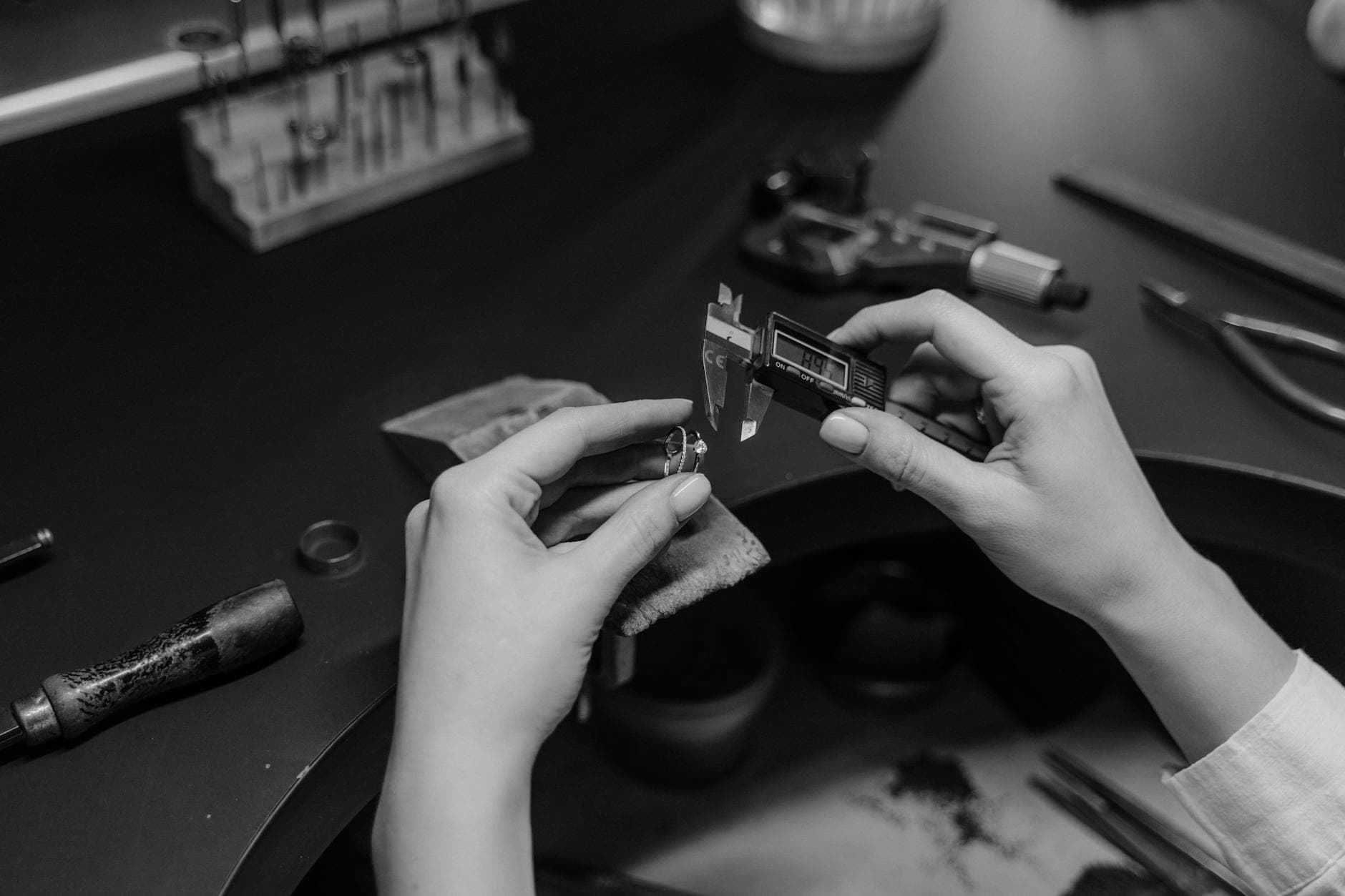
For buyers, that continuity has practical value. The same shop that repaired a mother’s wedding band can later size a daughter’s engagement ring. The same bench that reset a family diamond can one day help turn an estate stone into a pendant. In jewelry, those return visits are as meaningful as the original sale, and they depend on confidence that the next owner will honor the earlier one’s standards.
The gallery inside the jeweler
Dransfield’s most distinctive move is the way it blends retail with exhibition. INSTORE reported that the shop hosts six annual exhibitions of conceptual art jewelry in an area called “The Jewelry Box,” giving the store a gallery-like dimension that is unusual for a neighborhood jeweler. That matters because it changes the experience from browsing merchandise to encountering objects with artistic intent.
The shop also carries a rotating collection of handmade jewelry from locally and nationally recognized designer jewelers, which widens its point of view beyond its own bench. That mix of custom work, designer pieces, and conceptual exhibitions gives Dransfield a layered identity: it is both a place to commission an engagement ring and a place to see what contemporary jewelry can do when it is treated as art. In a market crowded with mass-produced sparkle, that distinction is its own kind of luxury.
A renovation that matched the moment
The business did not simply change owners and keep everything else untouched. INSTORE noted a significant 2023 renovation, and that physical update helped the store align its historic roots with a cleaner, more contemporary retail setting. The renovation matters because it suggests the new ownership understood a basic truth of jewelry retail: trust is built not only through service, but through the environment in which that service happens.
A renovated shop can make a longtime client feel reassured that the business is investing in its future, while also signaling to new visitors that the store is current without abandoning its identity. In Dransfield’s case, the renovation and the buyout work together. One preserved the legacy; the other made that legacy legible to a fresh audience.
Why this story resonates beyond Richmond
Dransfield Jewelers is a useful example of what meaningful jewelry retail looks like when it is done well. The store’s strength comes from keeping the same human commitments in place: repair, custom work, handmade craftsmanship, and a willingness to treat jewelry as something lived with, not just purchased. Sellers and Smith did not inherit a blank slate. They inherited the trust built by Don Dransfield, the history embedded in Shockoe Slip, and the expectations of clients who return for life’s most personal milestones.
That is the real lesson here. A jewelry business can survive a transfer of ownership without losing its soul when the new owners understand that they are not just taking over a store. They are becoming stewards of memories, materials, and the quiet rituals that make a piece worth keeping for decades.
This article was produced by Prism’s automated news system from verified source data, official records, and press releases, then run through automated quality and moderation checks before publishing. The system is built and supervised by the people who set the standards it runs under. Read our full AI policy.
Did this article answer your question?