Spring 2026 Jewelry Turns to Heirloom Pieces and New Maximalism
Nearly 7,000 people at a vintage jewelry show signal the shift: spring’s boldest pieces are being bought as future heirlooms.

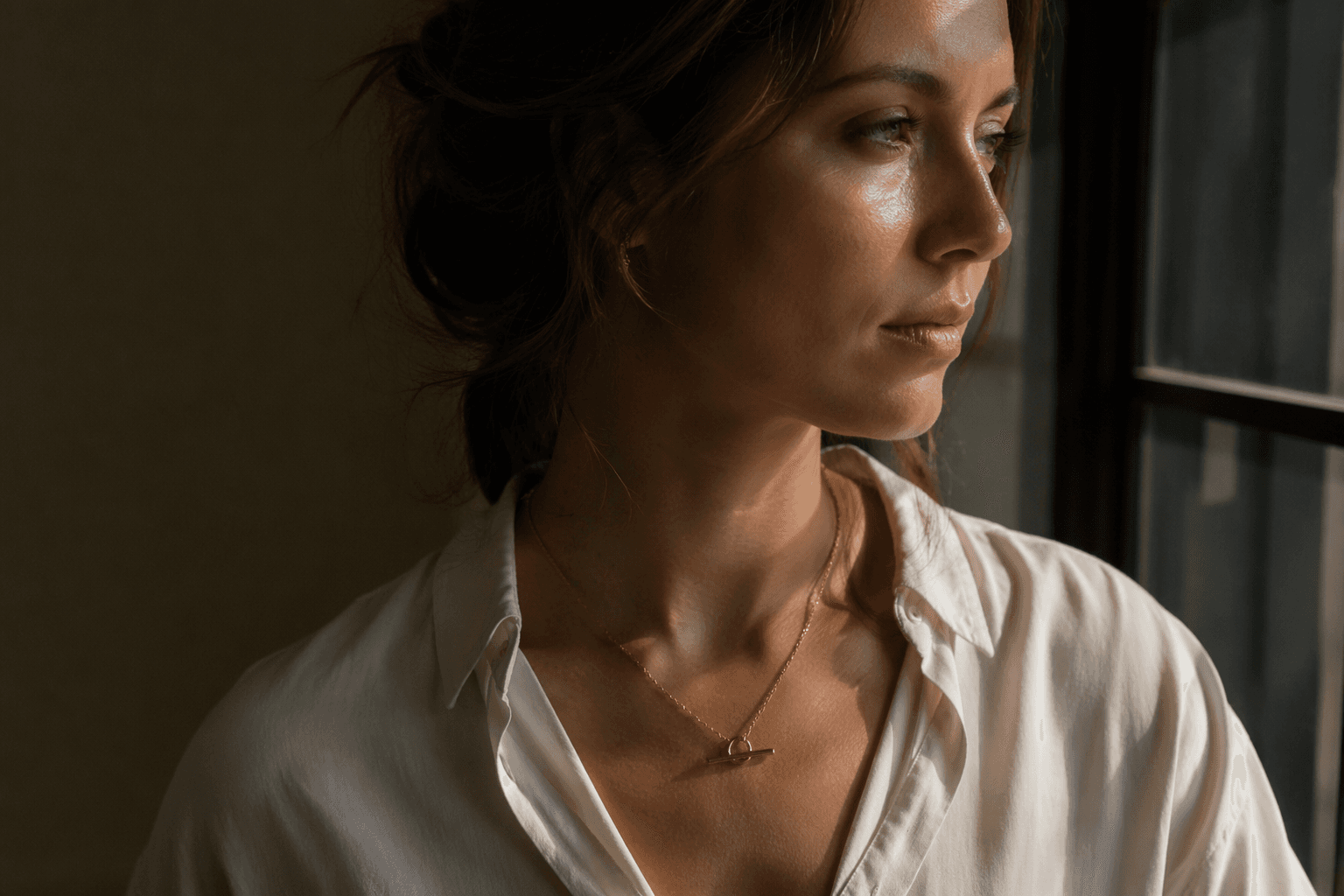
Spring jewelry is shedding its disposable mood. The season’s most compelling pieces are being chosen like future family assets: one bold ring, one carved pendant, one pair of sculptural earrings meant to outlast the outfit and, in many cases, the season itself.
The new logic of spring accessorizing
The strongest direction for spring 2026 is not restraint, but intention. Jewelry is being positioned less as an add-on and more as something collectible, a piece with enough presence, craftsmanship, and emotional charge to justify keeping it close for years. That shift gives ordinary spring dressing a sharper edge. A white shirt, a trench, a clean knit, or faded denim suddenly looks considered when one object does the talking.
What makes the mood feel fresh is that it is not purely nostalgic. Paris runway presentations pushed heirloom references, chunky volumes, and color, while the broader accessories conversation has moved toward craftsmanship, texture, and statement-making form. The result is a version of maximalism that feels edited rather than loud for its own sake, with ornament treated as a serious design language.
Why meaning is now part of the price of admission
The most persuasive jewelry stories this season are not only about beauty. They are about attachment. Eddie LeVian has described buyers as gravitating toward “intentional, heirloom-worthy pieces,” and that idea captures the mood precisely: pieces are being chosen for what they say about identity, values, and memory, not just how they catch the light.
That emotional logic is reinforced by the market itself. Inflation, tariffs, and gold-price spikes have reshaped jewelry retail across 2025 and 2026, which means buyers are paying closer attention to what feels durable, both physically and financially. Gold stabilized after a volatile start to the year and was trading around $4,354 an ounce in March, a level that keeps precious metal at the center of the conversation and helps explain why shoppers are looking harder at pieces with lasting resale and sentimental value.
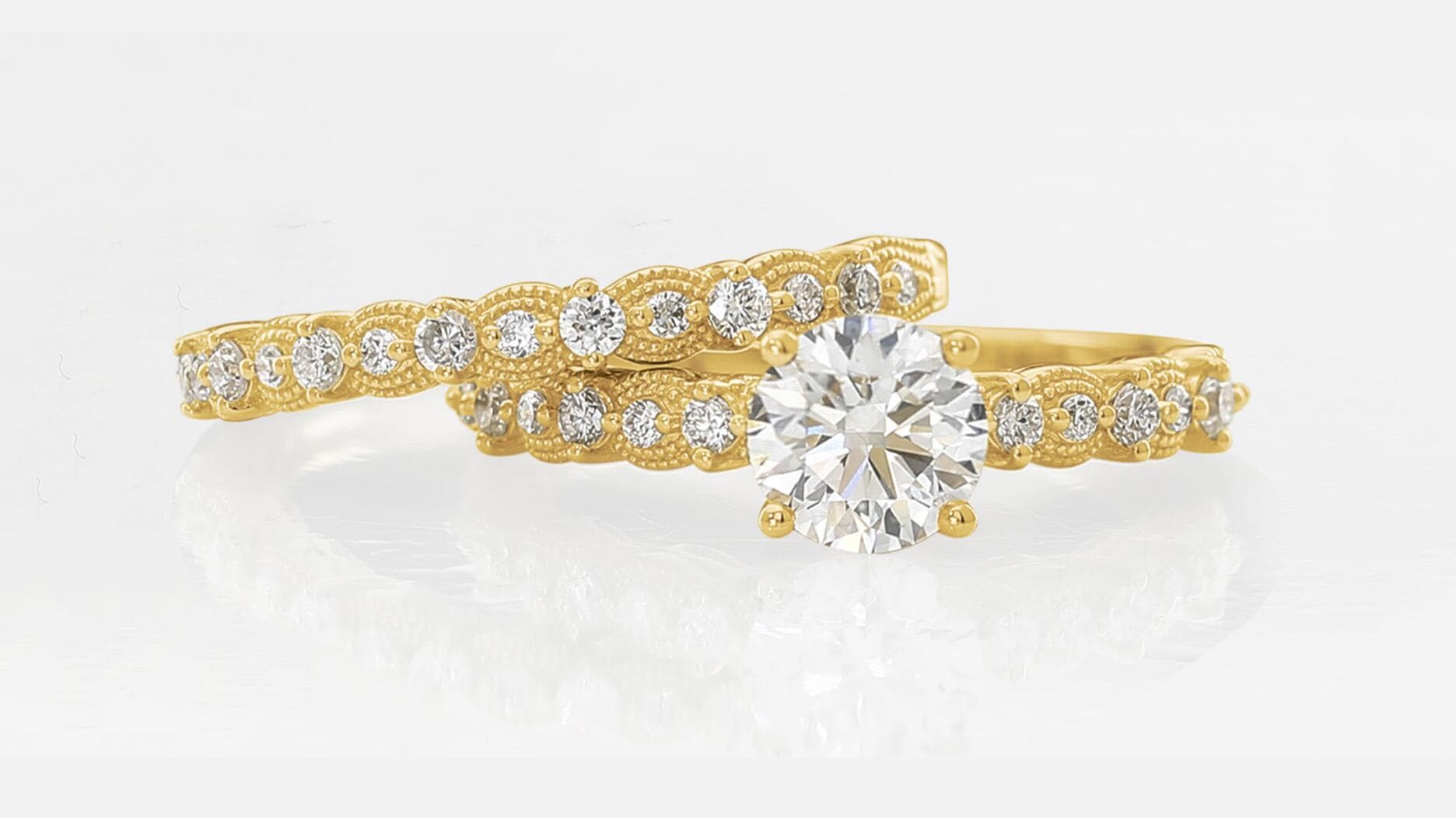
The vintage market has benefited from that mindset. A sold-out autumn edition of the NYC Jewelry, Antique, & Object Show drew nearly 7,000 people and led to an added January edition in Midtown Manhattan, a sign that collectors and first-time buyers alike are treating antique and estate jewelry as a living part of modern style. Taylor Swift’s antique-style engagement ring and the continuing brooch revival have only sharpened the appetite for pieces that feel storied before they even leave the box.
The details that make jewelry feel collectible
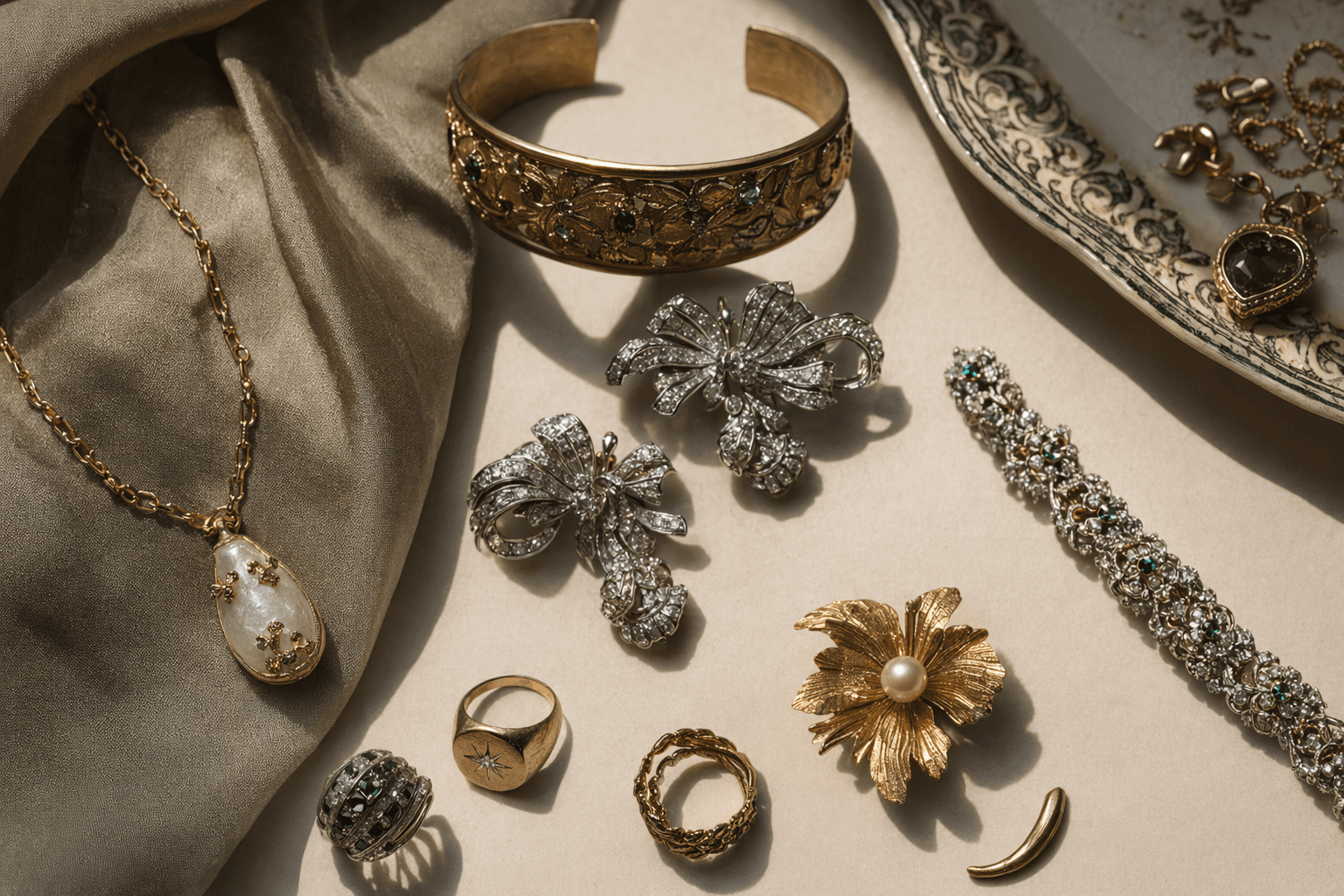
Collectible jewelry does not announce itself through size alone. The most convincing pieces tend to have sculptural metalwork, symbolic motifs, or stones that feel a little less expected than the standard brilliant solitaire. A medallion pendant reads differently from a plain chain because it carries an image, a surface, a point of view. A charm, especially one worn with the confidence of a single signature piece, can feel almost archival.
Color is doing important work here too. JCK’s coverage of spring-summer 2026 jewelry trends pointed to a move toward “new maximalism,” with sculptural, expressive pieces and colorful gemstones replacing the polished minimalism that dominated a few years ago. That means more pear cuts, more saturated stones, and more pieces that look designed to be noticed from across a room.
A bezel setting, which wraps the stone in a rim of metal, can make a colored gem feel especially graphic and secure. A prong setting lifts the stone into more light, which creates sparkle and openness. Both can be beautiful, but for the heirloom mood, a bezel often reads as more architectural, more substantial, and a little more vintage in spirit. That kind of construction matters when the goal is not just brilliance, but permanence.
One of the season’s clearest examples is Saidian Vintage Jewels’ 18-karat yellow gold pear-shaped emerald and diamond necklace. The pear-shaped emerald brings color and specificity, while the gold setting adds that sense of gravity that makes a jewel feel inherited rather than fleeting. Elsewhere, Dior’s medallion loafer shows that the appetite for ornament extends beyond jewelry into the rest of the wardrobe, where decorative details are being used to make even practical pieces feel collectible.
How to wear one standout piece with spring basics
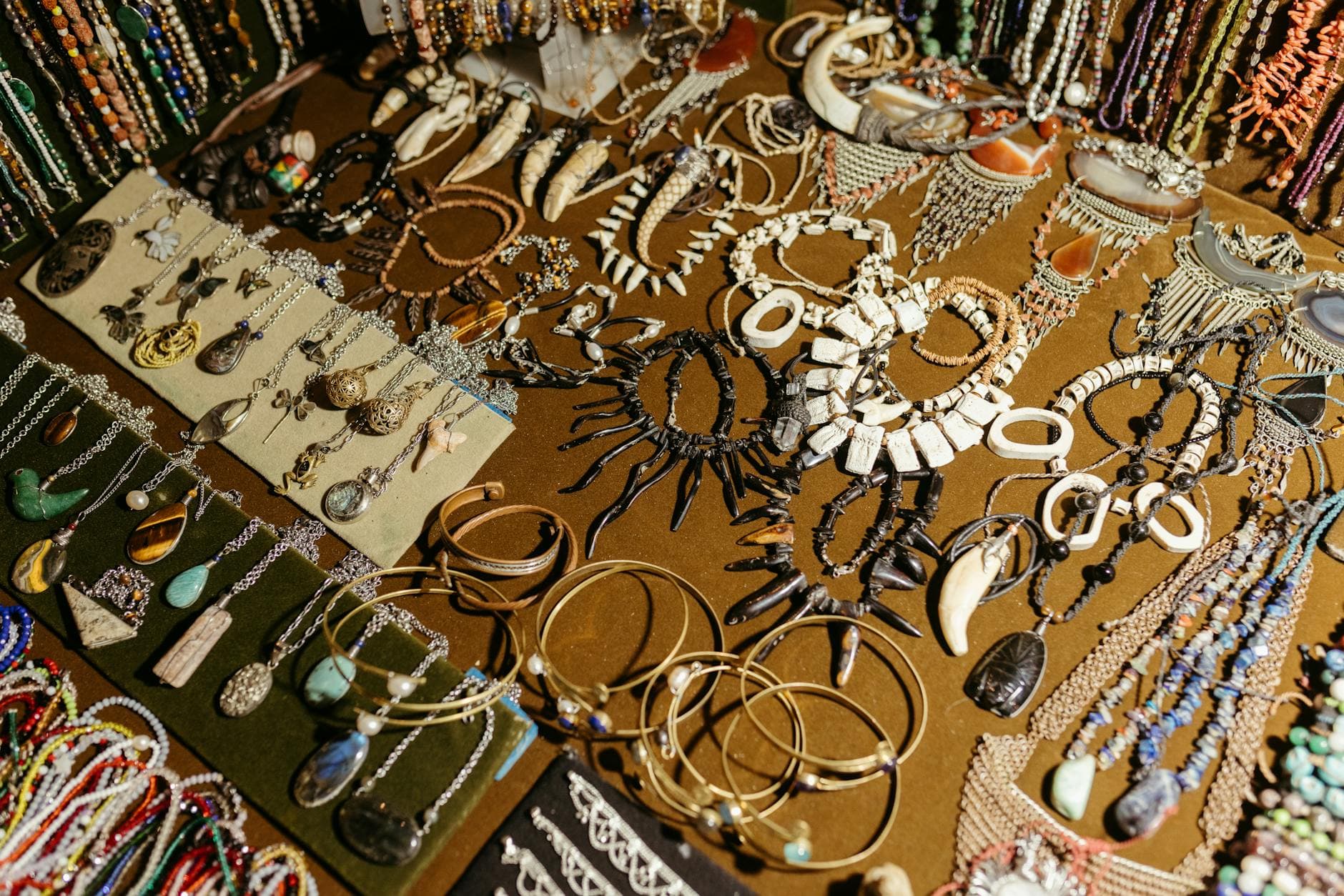
The easiest way to make this trend work in everyday life is to let one jewel do the heavy lifting. The point is not to layer everything at once, but to give a single piece enough space to register. A sculptural pendant over a crisp tank or button-down has more impact than four competing chains. A bold ring looks more intentional when the rest of the hand is clean.
- Pair a medallion or charm necklace with a white T-shirt and tailored trousers so the necklace becomes the focal point.
- Wear colorful earrings with a trench, cardigan, or silk shirt to let the stone color break up neutral layers.
- Set a substantial ring beside denim and a sharp cuff, then keep bracelets minimal so the silhouette stays clear.
- If the jewel is ornate, let the clothes stay simple: cashmere, poplin, denim, and soft knits give the piece room to breathe.
This is where the trend becomes practical rather than purely aspirational. Ornate jewelry can be dramatic, but it is also surprisingly easy to wear when the rest of the look is pared back. That contrast is what makes a piece feel modern: the jewel is rich, the outfit is calm, and the overall effect is polished without trying too hard.
Personal symbols still matter most
Personalized jewelry and charms remained a major trend through 2025 because they help shoppers tell their story, and that instinct is still driving the category forward. The most resonant pieces are the ones tied to a name, a date, a symbol, or a family reference that gives the object emotional weight. That is why antique-looking silhouettes, medallions, and charm-based designs continue to feel current even when they draw on older forms.
Maya Brenner’s response to the mood with classic silhouettes such as chokers points to the same truth: people are not abandoning simplicity entirely, they are reworking it through pieces that feel collected rather than generic. The new luxury is specificity. A jewel that looks as if it belongs to a person, not a season, is the one most likely to stay in rotation.
Spring’s strongest jewelry no longer behaves like a seasonal accessory. It looks like a decision, one made with the hand, the eye, and the future in mind.
This article was produced by Prism’s automated news system from verified source data, official records, and press releases, then run through automated quality and moderation checks before publishing. The system is built and supervised by the people who set the standards it runs under. Read our full AI policy.
Did this article answer your question?