Fantasy jewelry rises, dragon and heraldic motifs return in style
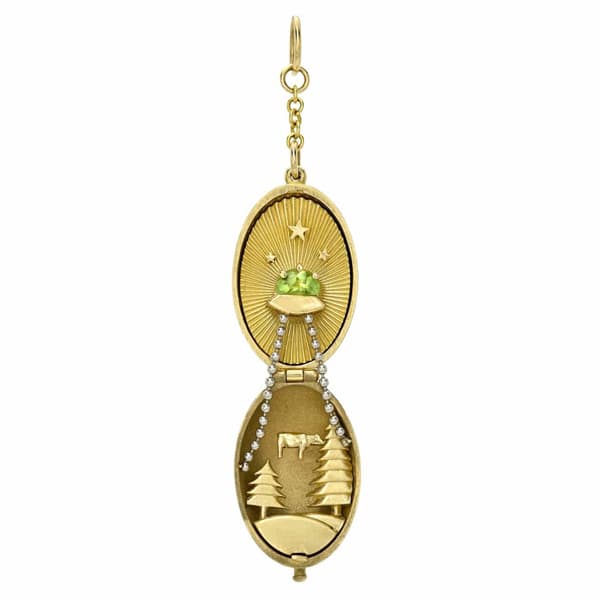
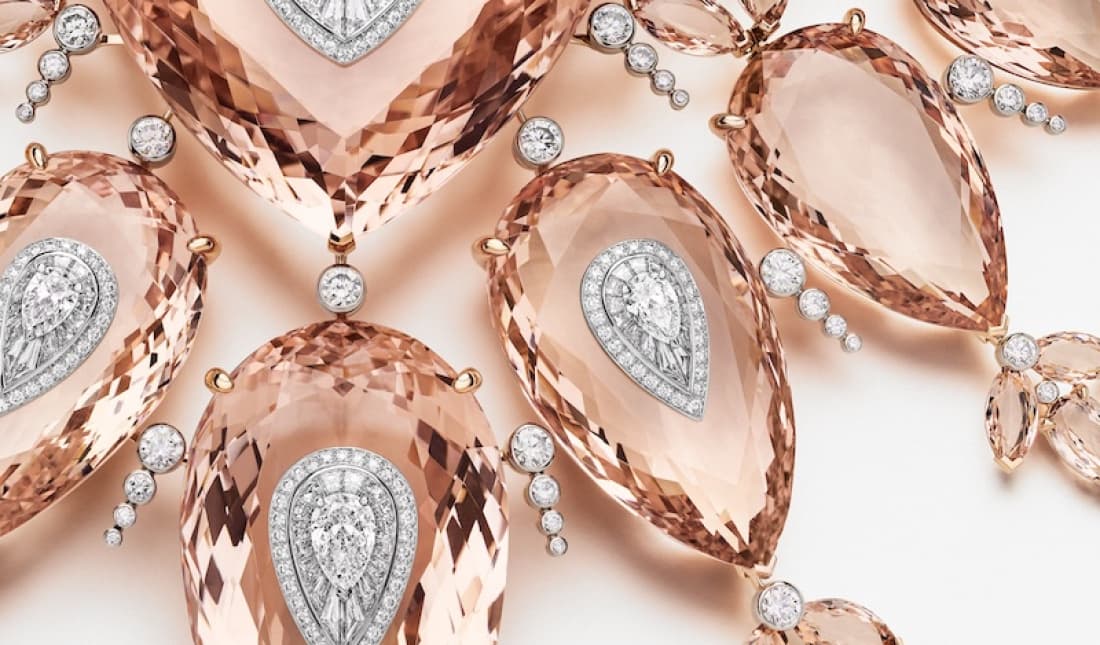
Daggers, shields and dragons are back in diamond jewelry, turning myth and heraldry into wearable codes of protection, lineage and power.
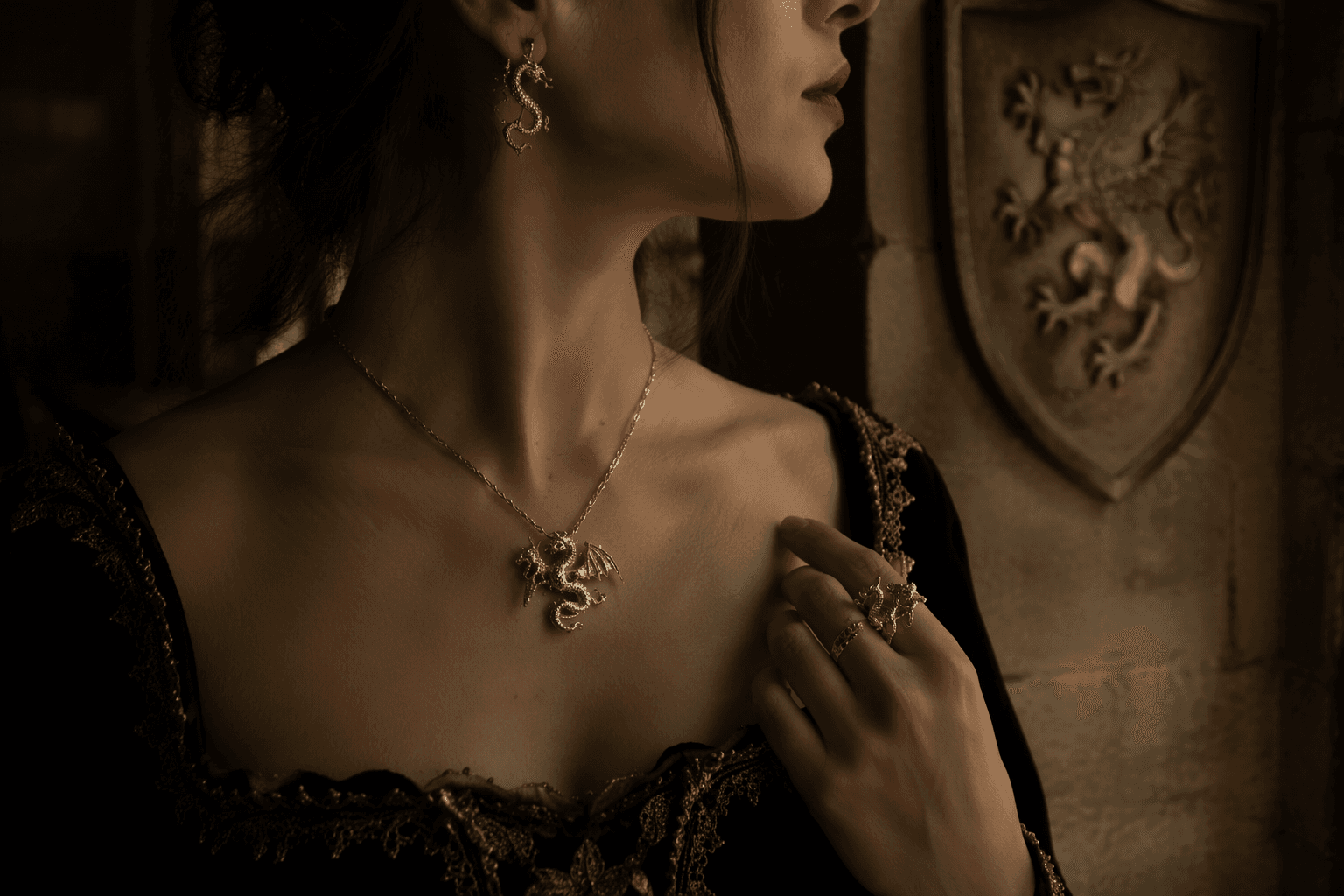
Dagger pendants, shield motifs and coiled dragons are back in the jewelry case, and they are doing more than decorating the body. The newest fantasy pieces translate medieval emblems and mythic beasts into modern diamonds, where a charm can signal protection, a heraldic device can suggest lineage, and a dragon can stand in for power without saying the word aloud.
The symbols that give the pieces their force
The appeal starts with the motifs themselves. Daggers, arrows, shields, dragons and heraldic charms give jewelry a clear visual language, one that reads as protective rather than merely ornamental. In this register, a piece is not only pretty. It becomes a small emblem of loyalty, destiny and female power, which is why the look feels closer to wearable shorthand than to a passing aesthetic.
That symbolism matters because it is legible at a glance. A shield reads as defense, a dragon reads as strength and myth, and a heraldic device implies belonging, inheritance and rank. When those forms are cut in diamonds or traced in gold, the object gains a narrative weight that plain solitaire settings rarely carry.
Why the dragon keeps returning
The dragon has become the clearest mascot of the trend. It is tied to fantasy on the screen, especially House of the Dragon, but it also has a cultural life far older than prestige television. In the Chinese zodiac, the dragon is the fifth animal in the 12-year cycle, and in Chinese culture it is associated with abundance, longevity, good luck, strength and health.
That makes the motif unusually versatile. It can feel regal in one setting, protective in another, and celebratory in a third, which helps explain why it appears in everything from statement pieces to more discreet talismans. In a market where jewelry is increasingly about meaning, originality and a hint of the unexpected, the dragon gives designers a symbol that carries its own charge.
Heraldry is not a new idea in jewelry
The current fascination with shields and crests has deep roots. The Metropolitan Museum of Art holds a heraldic chain and pendant badge associated with Christian II, the Lutheran Elector of Saxony, who ruled from 1591 to 1611. The pendant bears his arms, and the fact that several versions survive, some intimate enough to be buried with their recipients, shows how personal these objects could be.
The Met also dates a pendant with St. George and the Dragon to around 1470 and places it in Basel. That jewel is important because it shows the fantasy vocabulary already in use in the late Middle Ages and Renaissance, when saints, dragons and arms served as more than decoration. They acted as identity markers, declarations of allegiance and visible proof of status.
The British Museum’s silver-and-parcel-gilt girdle makes the point even more sharply. Formed from eighteen shields linked by ropework knots, it turns heraldry into a continuous band of protection and display. This is the historical grammar modern designers are borrowing when they turn a crest into a pendant, a shield into a ring face or a badge into a charm.
Protection has always been part of the story
The fantasy-jewelry revival also plugs into a much older belief: that jewelry can guard the body. Natural diamonds has long described diamonds with the ancient Greek word adamas, meaning invincible, and linked them to strength and protection. That idea is echoed in other historical objects, where adornment was never separate from utility or ritual.
A British Museum ceremonial dagger used in the Tiwah ceremony in Central Kalimantan was part of sacrifices meant to accompany the deceased into the afterlife. Medieval birthing girdles were worn as protective talismans during labor, making the idea of jewelry as a safeguard unmistakably concrete. Seen against those examples, today’s fantasy pieces do not look invented from scratch. They look revived.
How the look translates into modern diamond pieces
What changes now is the form. Contemporary fantasy jewelry takes those old symbols and sharpens them into more wearable objects: a shield becomes a polished pendant, a dragon becomes a sculpted ring, a heraldic emblem becomes a chain, and a dagger motif can be reduced to a narrow, gem-set line with just enough menace to feel deliberate. The strongest pieces keep the reference readable without tipping into costume.
There is also a historical fit here. The Met notes that ancient Hellenistic jewelry already covered a wide range of forms, including earrings, necklaces, pendants, bracelets and diadems, which suggests that symbolic jewelry has always traveled across categories. That helps explain why fantasy motifs can appear just as easily on a bracelet as on a collar, and why they feel at home in high jewelry rather than outside it.
A category with real staying power
This is not a brand-new category trying to invent a market from scratch. Kirks Folly says it has been making fantasy jewelry for more than 47 years, which places the style within a long commercial tradition rather than a sudden social-media spike. Natural diamonds has also continued to spotlight related forms such as animal jewelry, evil-eye pieces and talismanic designs, all of which point to sustained appetite for jewelry that carries a story.
That continuity matters because it explains why the current wave feels bigger than novelty. The best fantasy jewelry does not simply borrow from medieval or mythic references. It turns them into clear, modern codes, where a shield still says protection, a dragon still says power and a heraldic device still suggests lineage. In diamond form, those symbols do exactly what they did centuries ago: they make jewelry speak.
This article was produced by Prism’s automated news system from verified source data, official records, and press releases, then run through automated quality and moderation checks before publishing. The system is built and supervised by the people who set the standards it runs under. Read our full AI policy.
Did this article answer your question?