Jewelry leaders say dreams shaped business, branding and design choices
A Rolex pitch, a diamond brand name and custom pieces all began in sleep, turning instinct into sales strategy for jewelry leaders.
Dreams as a business tool
A dream about getting Rolex back after 15 years was enough to send Marc Majors into a real pitch the next day. It did not bring the line back to Sam L. Majors, but it captures the strange logic at work in jewelry, where intuition can become a naming decision, a design cue or a full-fledged business move.
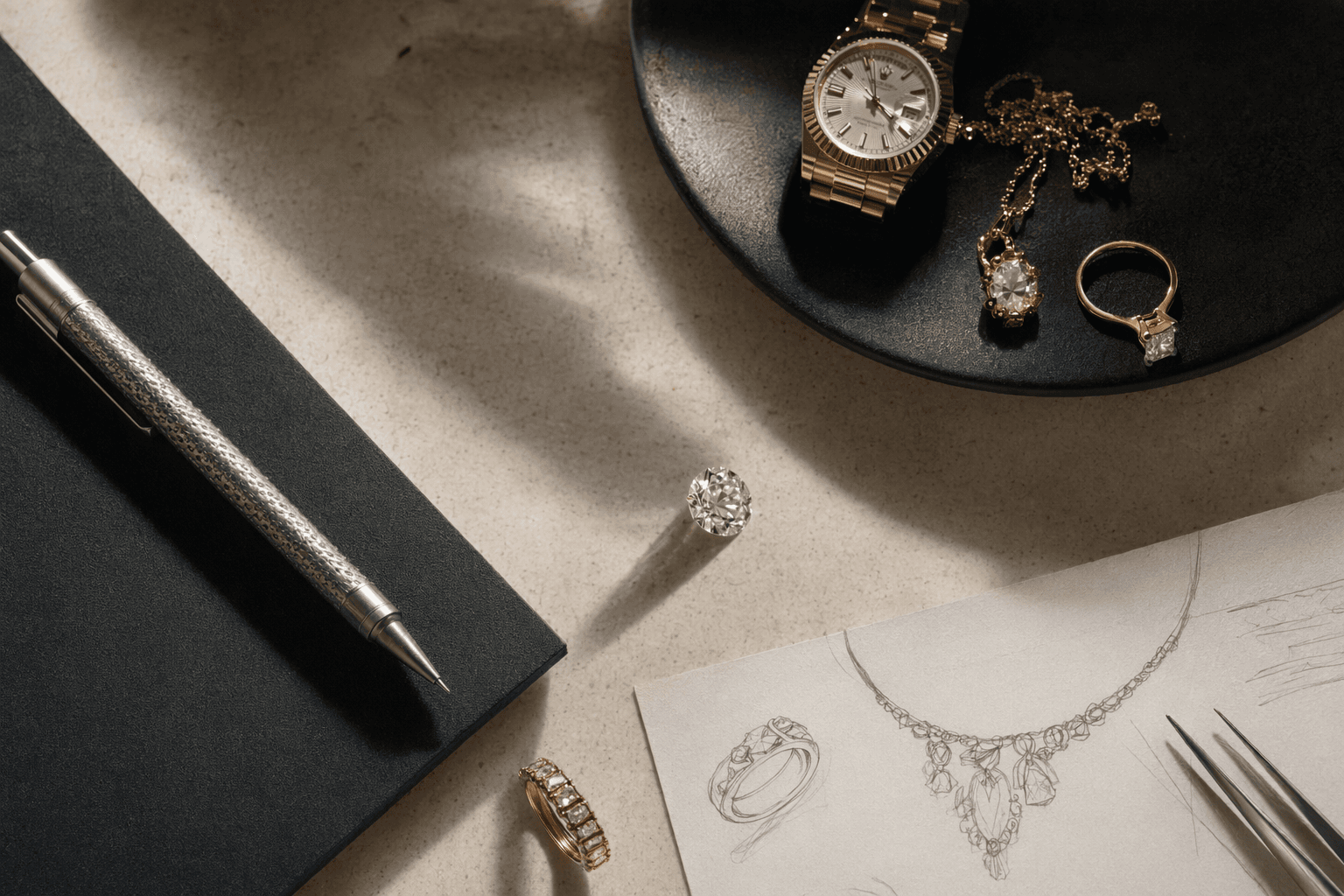
That tension sits at the heart of an INSTORE Brain Squad survey aimed at jewelry store owners and top managers in the United States and Canada. In that poll, 31 percent of respondents said they had made a business decision based on a dream, while 69 percent said no. The answers ranged widely, from premium brand naming to store purchases, special events, design ideas and staffing decisions, which makes the whole exercise feel less like mysticism than a catalog of how jewelers translate instinct into action.
When instinct becomes inventory
Majors’ example is especially vivid because it links subconscious impulse to a very concrete commercial pursuit. Sam L. Majors, the fifth-generation jeweler in Midland, Texas, says it has served West Texas for more than 115 years and carries luxury timepieces, so the Rolex pitch was not a whimsical detour. It was a legitimate attempt to restore a major watch business after a long absence, showing how a dream can sharpen a merchant’s appetite for a line that still matters on the sales floor.
The story is useful precisely because it did not end in triumph. In jewelry retail, dream logic may inspire the conversation, but the market decides whether the relationship returns. That makes Majors’ anecdote a reminder that intuition can open a door, even when the door does not stay open.
A name can begin in sleep
James Messier’s contribution takes the idea one step further. At Arthur’s Jewelry in Bedford, Virginia, a dream helped inspire First Kiss Diamonds, the premium diamond brand the store carries. A good brand name in jewelry does more than identify product; it gives a piece emotional shape before a customer ever sees the stone, and “First Kiss” has exactly that kind of immediate narrative charge.
Arthur’s Jewelry, a family-owned store that says it has operated since 1897, already trades in engagement rings, fine jewelry and diamonds, so a dream-born brand fits a business built on milestones and sentiment. In that setting, the dream does not replace merchandising discipline. It gives the merchandise a hook, which is often the harder thing to manufacture.
Why custom design is dream territory
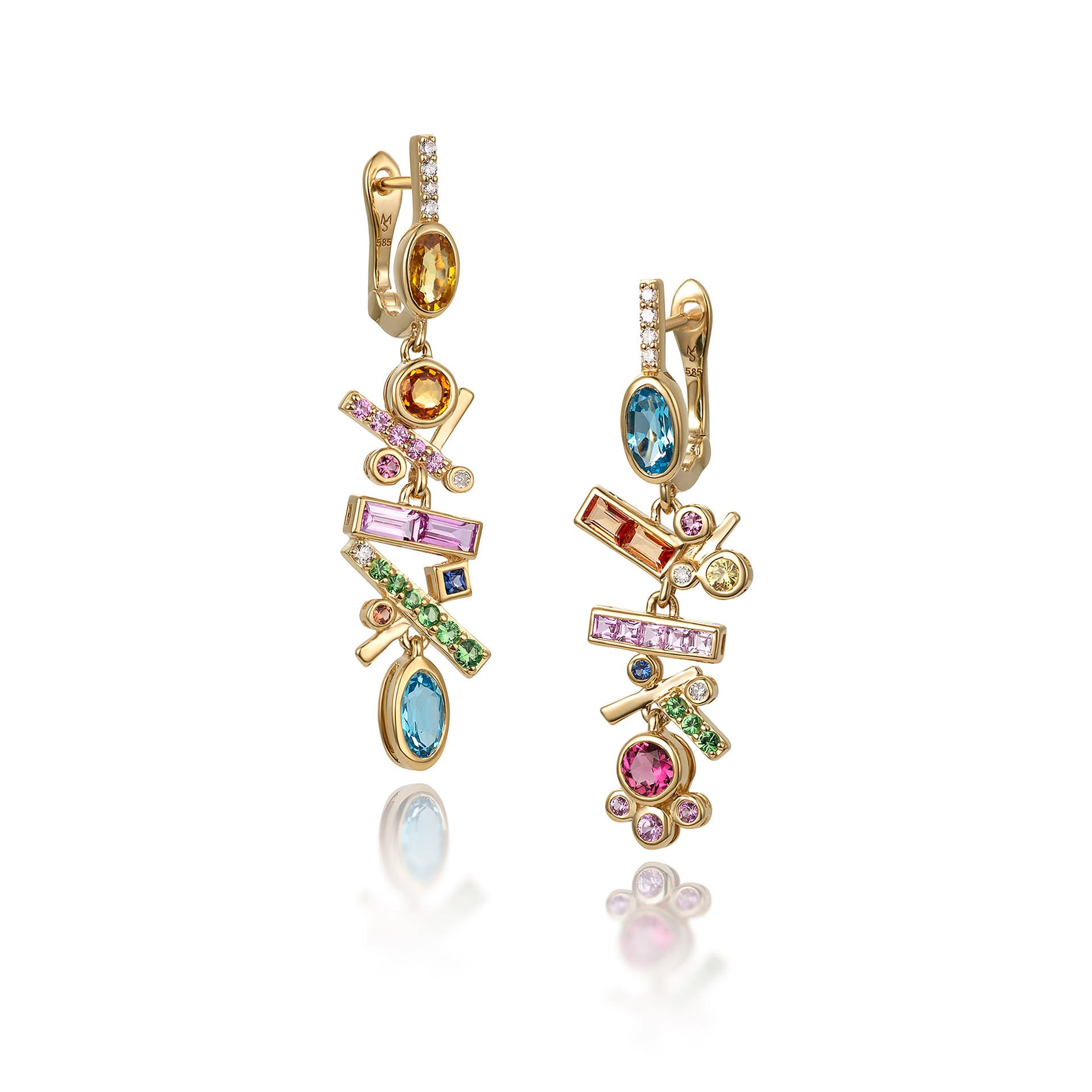
Drue Sanders offered the most persuasive evidence that dreams can become sellable objects when he said ideas from sleep have turned into one-of-a-kind pieces that reliably sell. At Drue Sanders Custom Jewelers in Albany, New York, that makes practical sense: custom work depends on originality, and the best custom pieces often begin as a loose image, a texture, a silhouette or a color pairing that needs to be translated into metal and stone.
K. Hollis Jewelers in Batavia, Illinois, describes itself as a family-owned store with custom design services and a focus on meaningful jewelry, and that combination explains why dream material can be commercially useful there. A dream does not need to arrive as a fully resolved sketch. It only needs to provide the first memorable idea, then the jeweler’s bench, setting choices and gem selection do the rest. In custom work, the subconscious can supply the spark, while craftsmanship supplies the proof.
The warning inside the dream
Not every sleep-born idea belongs in the showroom. David Blitt of Troy Shoppe Jewellers in Calgary said dream-inspired special events were strong at first, then became problematic, even as designs continued to come to him while he was falling asleep. He also extended that observation to staffing issues, which is a useful corrective to any romanticizing of intuition: a dream may be good at producing a concept, but it is not always good at producing an operating plan.
That divide matters. Jewelry retail thrives on creativity, but it is still a business of timing, margins, personnel and execution. A dreamy event theme can draw attention; a weak logistical plan can undo it. Blitt’s experience is the clearest proof that subconscious inspiration and day-to-day operations are not the same skill.
The skeptics keep the story honest
Janne Etz of Contemporary Concepts in Cocoa, Florida, drew a sharp boundary between design and administration, saying she dreams designs, not logistics. Gretchen Schaffner of Eytan’s Designs in Sherman Oaks, California, took the skepticism further, saying most dreams and most decisions make no sense, and that the connection is probably a coincidence. Their responses prevent the subject from collapsing into sentimentality.
That skepticism is valuable because it keeps dream talk grounded in the realities of jewelry commerce. A good idea still has to survive sourcing, pricing, fabrication and customer response. For every sleep-born success story, there is a decision that only feels meaningful after the fact.
What the science can and cannot prove
The broader creativity literature gives jewelers permission to pay attention to their dreams, but not to treat them as prophecy. Recent research suggests dreams may help with creativity and problem-solving, yet causation remains hard to prove. That is the right balance for a trade built on both intuition and exacting technique.
In jewelry, meaning is rarely accidental, but it is also rarely magic. A dream may supply the first image, the brand name, the pitch or the piece, then the jeweler turns it into something testable, wearable and saleable. That is why these stories endure: they show how a private flash in sleep can become public value in gold, diamonds, watches and custom design.
Know something we missed? Have a correction or additional information?
Submit a Tip