Natural Diamond Council Challenges Pandora’s Lab-Grown Diamond Carbon Claims
Pandora put a carbon number on its lab-grown diamonds. The Natural Diamond Council called the comparison misleading and warned shoppers not to confuse branding with proof.
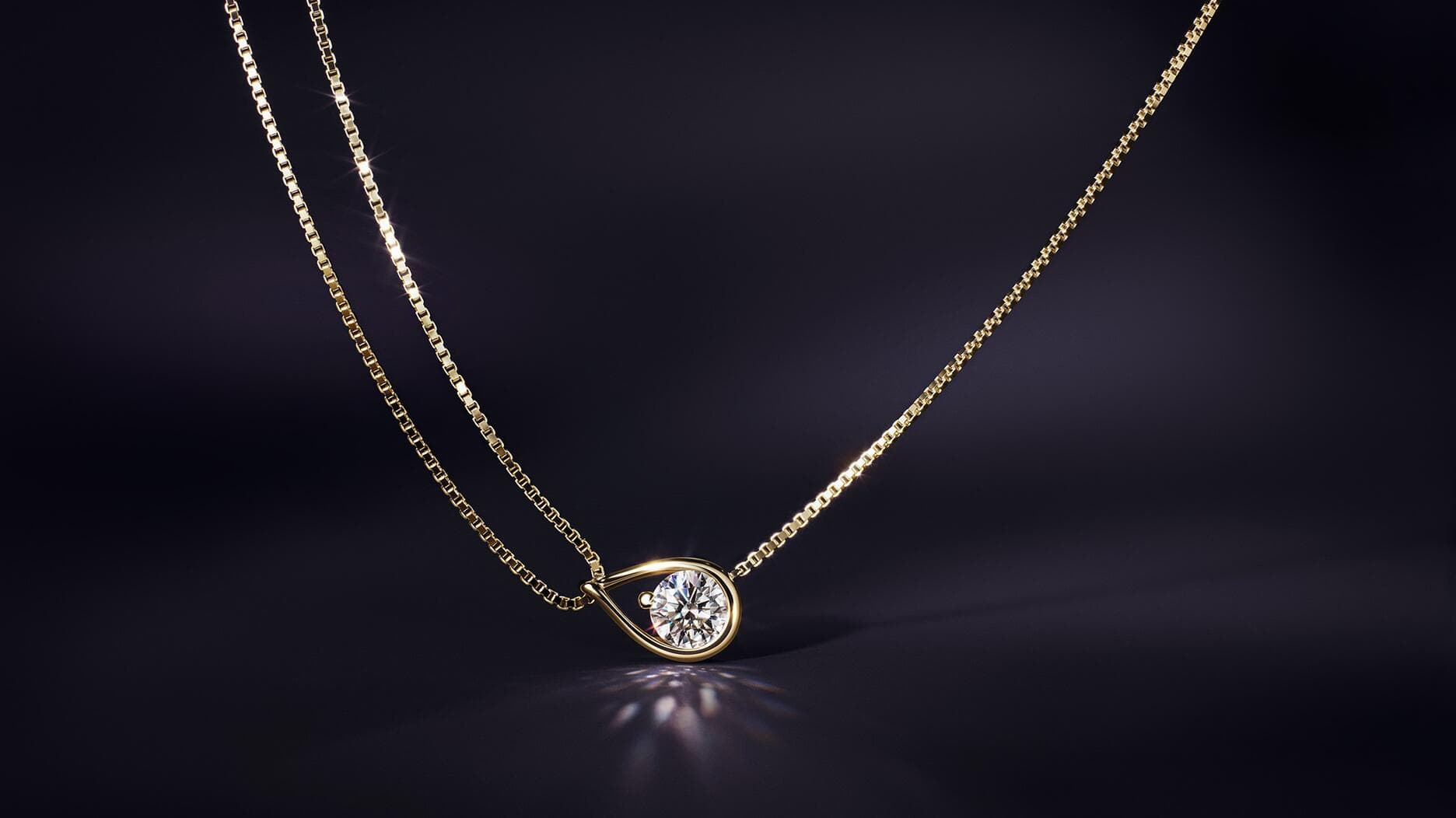
Pandora has put a specific carbon number on its lab-grown diamonds: 12.58 kg of CO2e for a one-carat stone. The Natural Diamond Council says the comparison Pandora is using to make that figure look dramatic is inaccurate, built on outdated data, and too neat for a market now asking shoppers to trust labels as much as sparkle.
The Council’s open letter was addressed to Pandora chief executive Berta de Pablos-Barbier and landed just as the company rolled out carbon-footprint labels for every Pandora lab-grown diamond on pandora.net, casting the label as a fifth C alongside cut, colour, clarity and carat. Pandora says its figures were calculated by external life-cycle assessment experts and verified by EY, and the company claims the footprint is around 90% lower than a mined diamond of the same size. It also says it stopped using mined diamonds in 2021, now uses lab-grown stones made with 100% renewable electricity, and sets them in jewelry crafted from 100% recycled silver and gold.
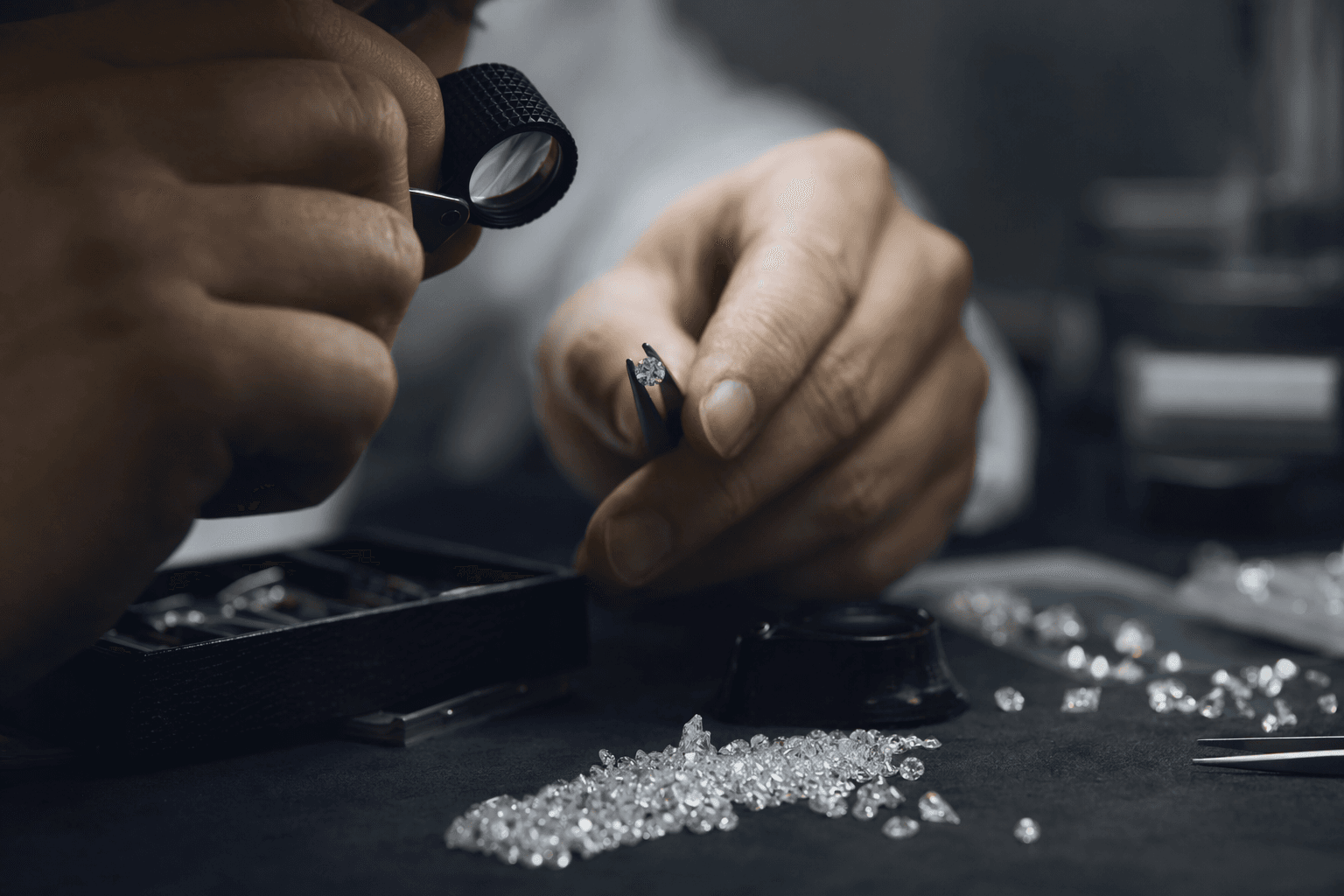
That framing goes to the heart of the industry's current trust problem. Pandora is not just selling a stone; it is selling a moral hierarchy, where lab-grown means cleaner, more modern and easier to quantify. The Natural Diamond Council has been pushing back on that script for years. In May 2021, it joined the Responsible Jewellery Council, World Diamond Council, CIBJO and the International Diamond Manufacturers Association in criticizing Pandora’s earlier lab-grown messaging as a false and misleading narrative, warning that it could carry consequences for communities in diamond-producing countries.
The Council has since sharpened its argument. In June 2025, it published research saying sustainability claims around lab-grown diamonds can be misleading and urging buyers to ask for carbon data from the specific factory that produced a stone. That demand matters because carbon claims can swing wildly depending on where the diamond was grown, what power source ran the reactors and how the rest of the supply chain was built. In other words, “lab-grown” is not a single environmental outcome any more than “mined” is a single one.
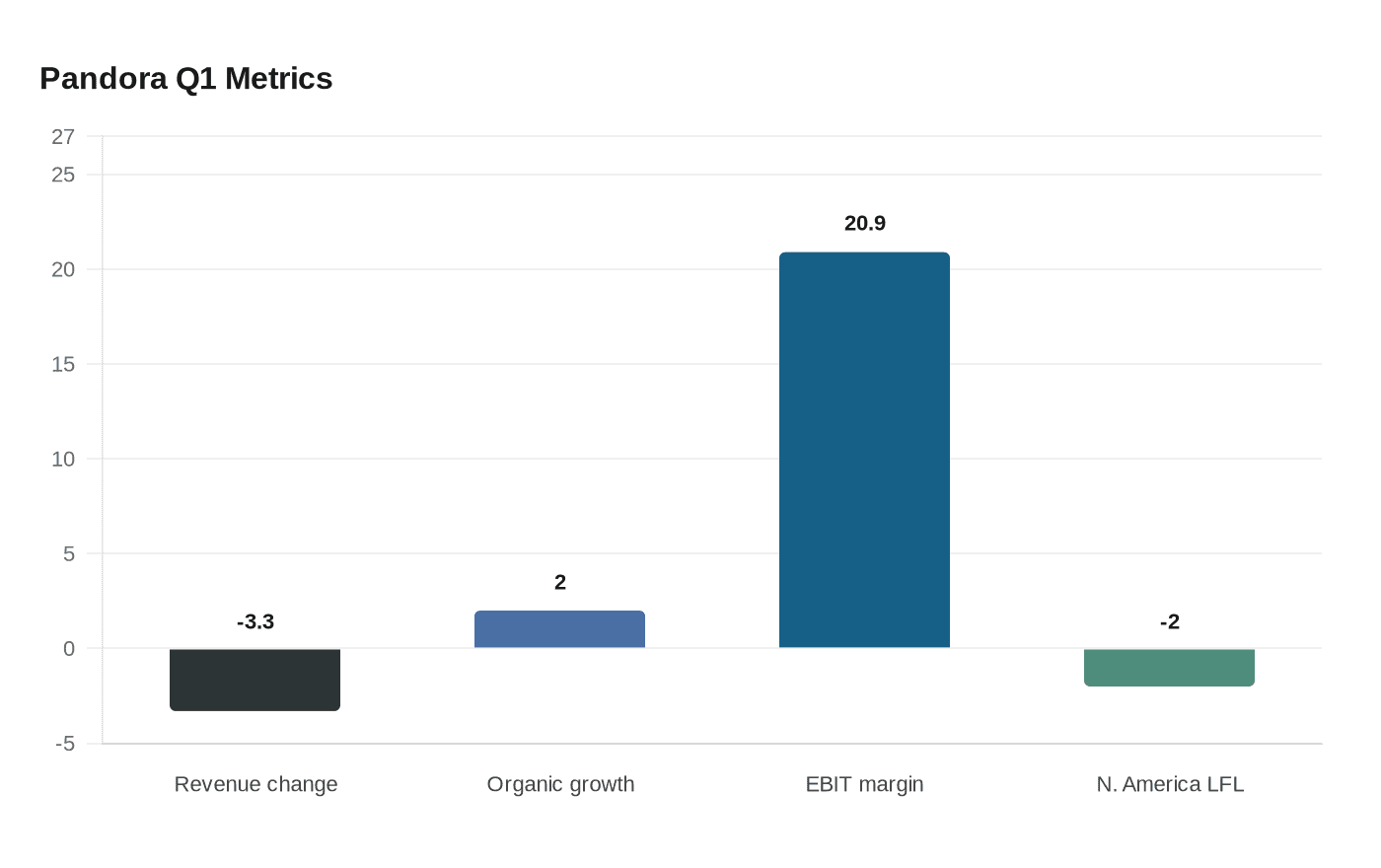
The dispute also arrives at an awkward moment for Pandora. In its first quarter, revenue fell 3.3% to 7.11 billion Danish kroner, like-for-like growth was flat, organic growth reached 2%, and EBIT margin slipped to 20.9% from 22.3% a year earlier. North America like-for-like sales were down 2%. Pandora has called 2026 a transition year and says it remains focused on becoming a more design-led, multi-material brand. With Berta de Pablos-Barbier only recently installed as chief executive, the fight over carbon is now part of a larger struggle over what “responsible” is supposed to mean when the customer is buying both beauty and belief.
This article was produced by Prism’s automated news system from verified source data, official records, and press releases, then run through automated quality and moderation checks before publishing. The system is built and supervised by the people who set the standards it runs under. Read our full AI policy.
Did this article answer your question?