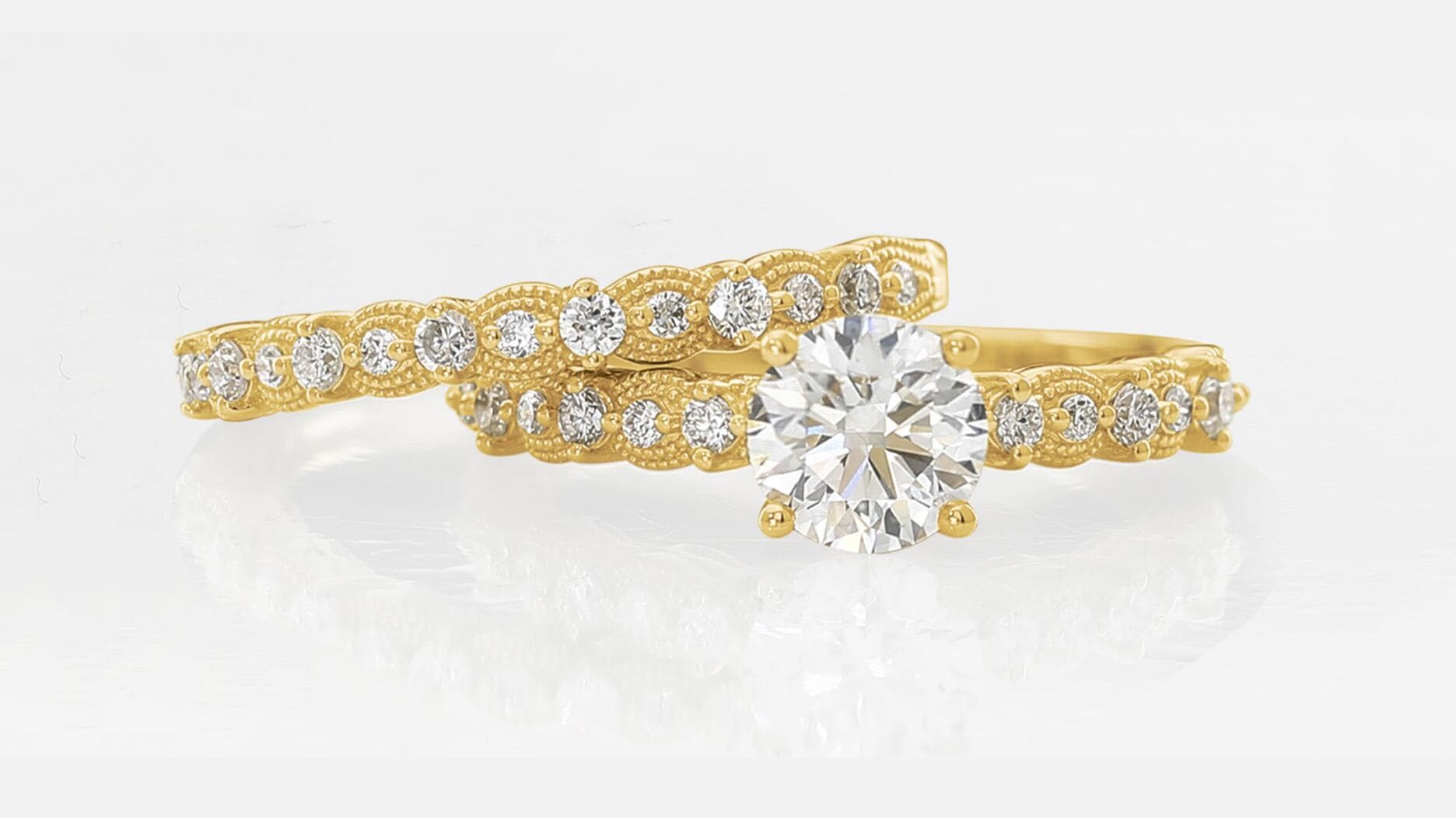
Platinum jewelry gains ground beyond bridal as self-purchase rises
More than three-quarters of surveyed retailers plan to add platinum inventory as non-bridal sales rose 24%, signaling a shift from occasion-only to everyday wear.
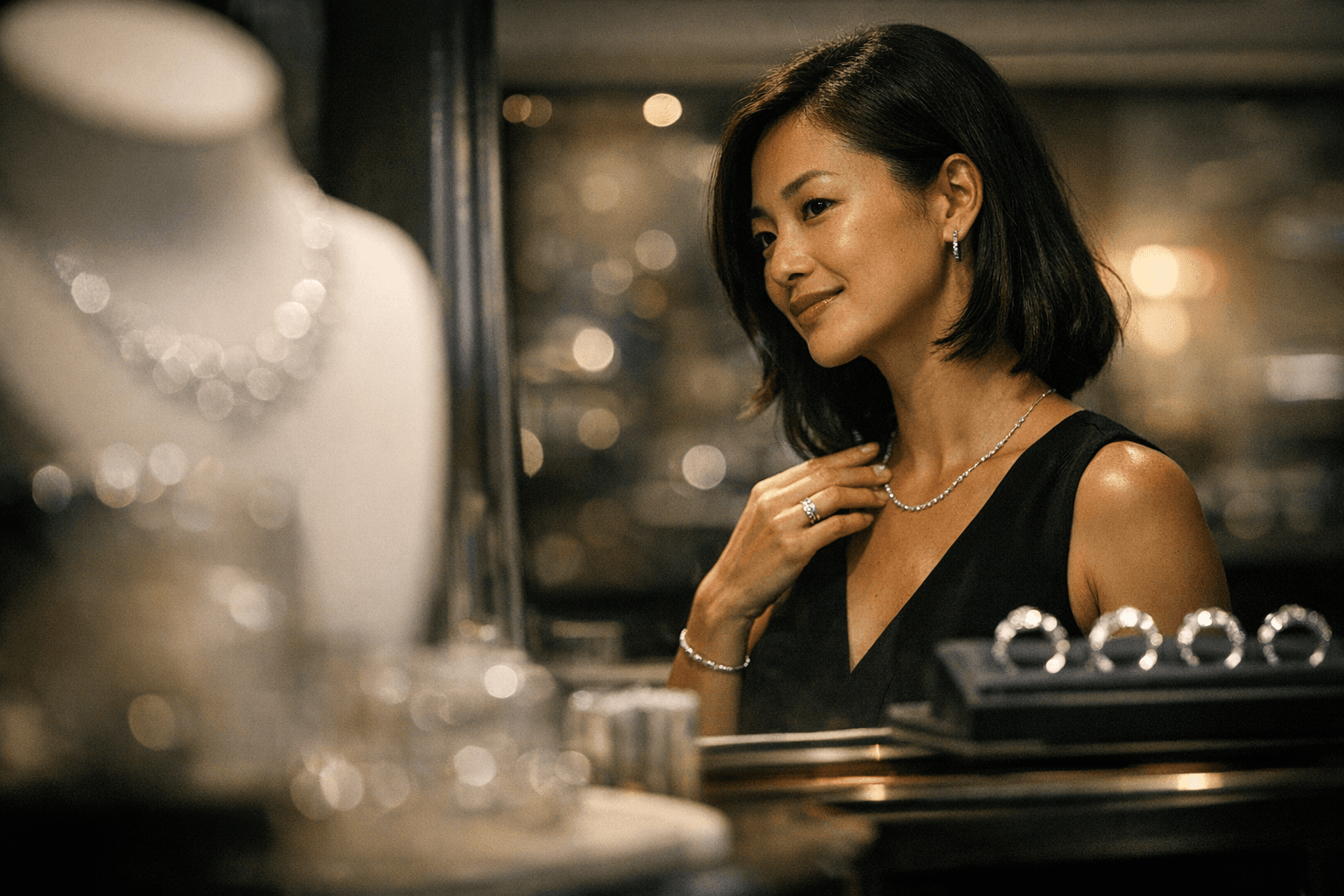
More than three-quarters of the 300 fine jewelry retailers surveyed in Platinum Guild International’s Retail Barometer planned to add platinum inventory in 2026, a clear sign that the metal is moving beyond bridal into everyday wear. Non-bridal platinum sales rose more than 24% in 2025, and the demand now points to pieces that have to earn their place in the jewelry box, not sit there for a single ceremony.
The U.S. market is already showing where that change is happening. Among PGI’s strategic partners, platinum unit sales increased 19% year over year in the first quarter of 2025, while revenue rose nearly 24%. Wedding bands remained a key category, but fashion jewelry also stood out, a useful clue for retailers deciding which cases deserve more platinum next season. The appeal is practical as well as symbolic: platinum jewelry is usually 95% platinum content, which gives the metal the sense of permanence buyers want when they are choosing one piece to wear often.
That shift has pushed platinum into a more modern conversation about self-purchase. PGI said it created Platinum Born to build on women’s self-purchase momentum in the U.S. market and to support more non-bridal, design-focused products. In other words, platinum is being positioned not just for proposals and anniversaries, but for the kind of purchase that marks a promotion, a personal milestone, or simply the decision to buy something substantial for daily wear.
Designers are also getting more room to work with it. PGI USA introduced Inoveo Platinum in June 2024, a new platinum alloy brand developed by Valterra Platinum with Alloyed, and says it is meant to make platinum easier to manufacture and more user-friendly for jewelers. That matters because manufacturing friction has long helped keep platinum more closely associated with classic bridal silhouettes than with broader fashion. The latest push suggests that is changing.
PGI has also pointed to the widening price gap between platinum and gold as an opening for white-gold conversion, especially as record-high gold prices reshape what feels attainable in precious jewelry. Its annual Platinum Jewellery Business Review tracks China, India, Japan and the USA and is updated quarterly, but the U.S. message is especially pointed: the market is flat to slightly up, yet still has room to grow beyond bridal. Platinum’s new strength is not nostalgia. It is the argument that durability, symbolism and daily wear can now live in the same purchase.
This article was produced by Prism’s automated news system from verified source data, official records, and press releases, then run through automated quality and moderation checks before publishing. The system is built and supervised by the people who set the standards it runs under. Read our full AI policy.
Did this article answer your question?