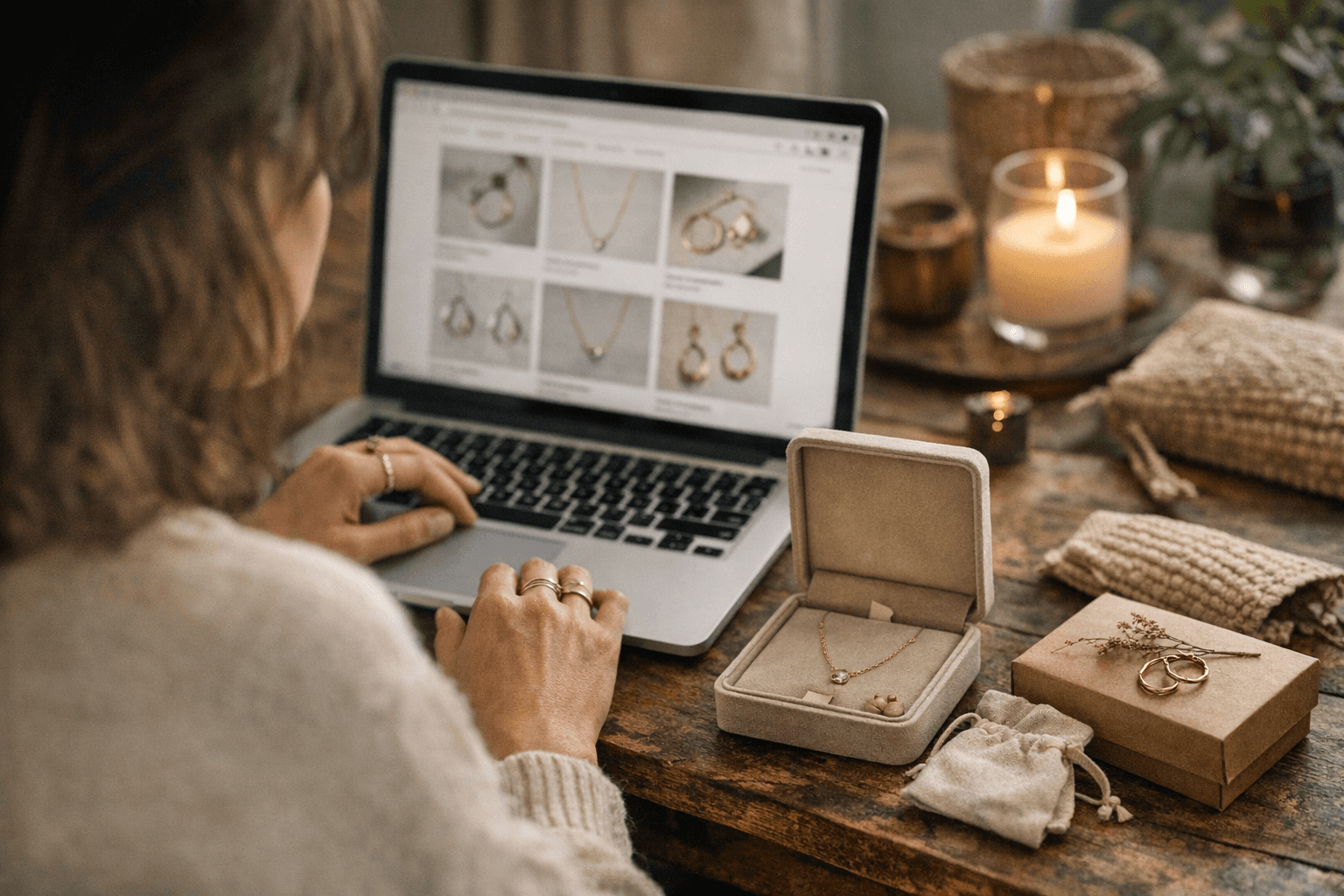
Rising gold prices lift jewelry sales value, while demand volumes keep falling
Higher receipts can disguise softer demand: gold volatility is lifting ticket values even as fewer pieces sell. The real story is the gap between price and desire.

The headline is not the whole story
The jewelry case can look stronger than it is when gold prices are doing the heavy lifting. That is the central caution for this market: higher receipts do not automatically mean healthier demand, especially when the same piece is simply costing more because metal has moved up. Sherry Smith has warned that jewelers who misread the market risk the wrong retail strategy, and the numbers make that warning impossible to ignore.
The World Gold Council’s data shows the split with unusual clarity. Full-year 2024 global gold jewelry demand fell 11 percent to 1,877 tonnes, yet the value of that demand reached a record US$144 billion. Annual global gold demand across all categories also hit a record 4,974 tonnes in 2024, which only sharpens the contrast between overall market scale and the weakening of jewelry volume. In other words, the jewelry business can post a more expensive bill of sale while moving fewer pieces across the counter.
Why the value number is misleading
Gold volatility has been the dominant force behind the illusion. In the first quarter of 2025, the average gold price reached US$2,860 an ounce, up 38 percent from a year earlier. The World Gold Council said jewelry demand volumes declined across virtually all markets during that period, while values were almost universally higher. It also said jewelry demand was weaker than expected given price, income, and currency dynamics, which is a useful reminder that expensive metal does not create appetite on its own.
That pattern held through the full-year 2025 summary as well. Jewelry demand volumes declined in every market, but value rose in every market because the higher gold price more than offset the drop in units. For retailers, that means the topline can flatter the business while obscuring a thinner flow of actual purchases. For shoppers, it means the same necklace, bangle, or ring may be priced higher without becoming more special.
China, India, and the shape of demand
The regional story matters because jewelry is never just a commodity story. In 2024, the World Gold Council said China was the biggest contributor to volume weakness, while India proved more resilient, with jewelry demand falling just 2 percent in volume. India’s overall gold demand totaled 802.8 tonnes in 2024 and rose 5 percent from 2023, reinforcing its role as one of the world’s most culturally anchored gold markets.
That resilience did not disappear in 2025, but it was strained. India’s jewelry demand fell 24 percent by volume to 430.5 tonnes, even as the value of India’s jewelry demand reached a record $49 billion. That is the market in miniature right now: fewer units, higher price tags, more value on the books, and no simple way to confuse the result with genuine premiumization. The metal price has become so influential that it can bend the story of an entire category.
How to tell premiumization from inflation
This is where the consumer needs to look past the sticker price and read the piece itself. Real premiumization changes what is being offered. A better-made piece has more thoughtful construction, stronger finishing, more disciplined proportions, or a stone whose quality justifies the jump. Price inflation, by contrast, often leaves the design intact and simply raises the toll to own it.
A practical buying lens helps separate the two:
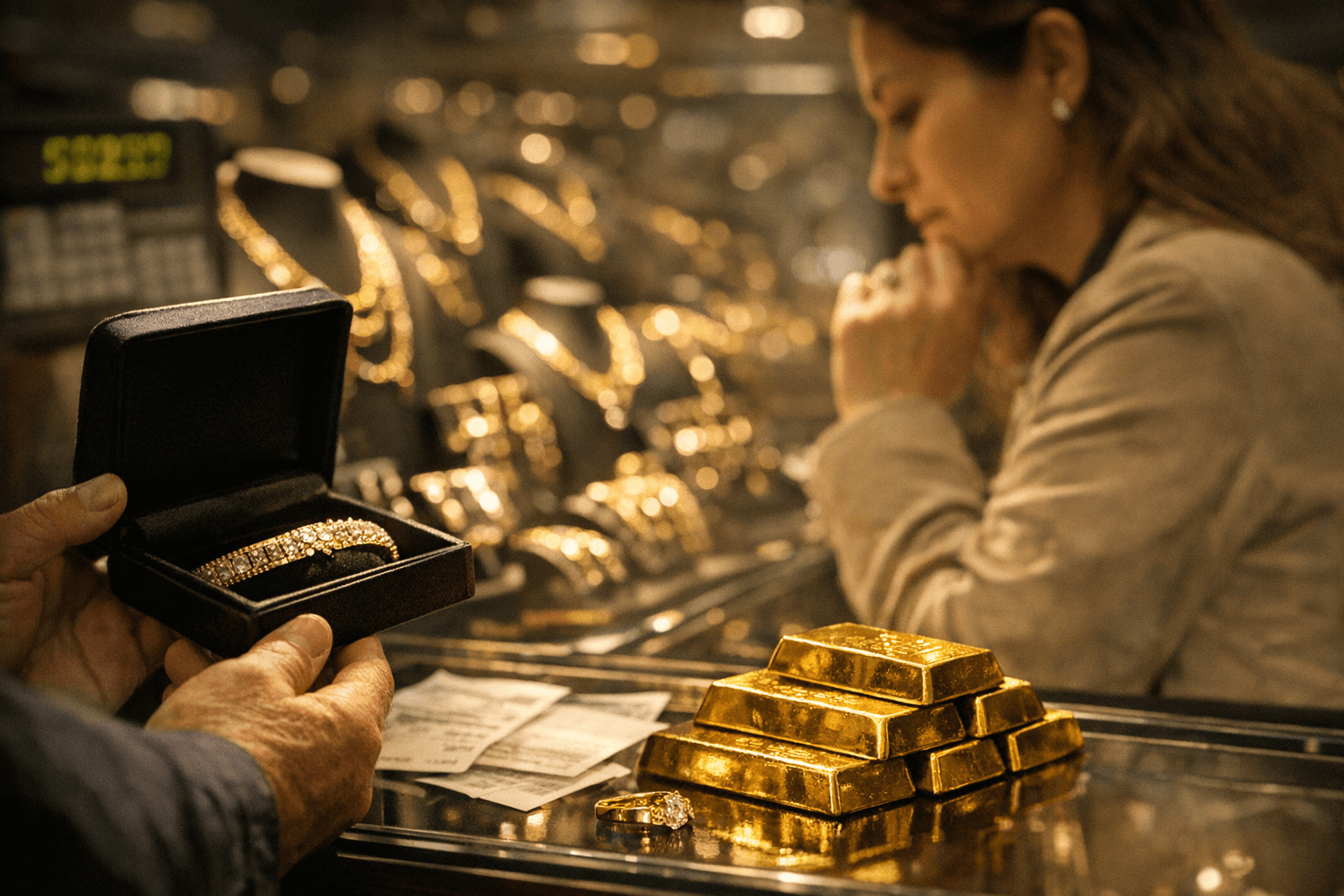
- Look at what the higher price actually buys. Heavier gold content, better stone quality, or more exacting craftsmanship can justify a jump. If none of those change, the increase may be metal-driven rather than value-driven.
- Pay attention to design permanence. A piece that earns its place usually has a clear silhouette, a strong clasp, secure settings, and enough character to wear repeatedly. If the emotional appeal is doing all the work, the price deserves extra scrutiny.
- Ask whether the piece feels culturally or personally anchored. Jewelry with wedding, inheritance, milestone, or ritual meaning can justify a stretch because it is intended to be worn and remembered, not merely purchased.
- Compare the same category across price bands. In a volatile gold market, two nearly identical rings can differ mainly in weight or brand markup. That is not the same as one being a more meaningful object.
This is where the unconscious price ceiling becomes visible. Consumers often like the design, the brand, or the sentiment, but still stop at a number that feels too far from instinct. High gold prices make that ceiling easier to hit, which is why jewelers have to rethink not only pricing, but also inventory and product mix. The market is signaling that aspiration alone will not carry every item to the register.
What retailers must do differently
For retailers, the lesson is not to chase the loudest headline but to read the balance between traffic, conversion, and average ticket. If ticket values are rising because gold is rising, then assortments need to work harder to justify the spend. That can mean editing toward pieces with clearer symbolism, stronger hand-feel, and more obvious craftsmanship, rather than padding the case with items that look expensive only because the metal is.
It also means speaking more precisely about why a piece matters. A chain earns attention differently from a charm bracelet, and a ring with a clean bezel and careful profile tells a different story from one defined by volume alone. The strongest jewelry is still chosen, not merely bought. It has a reason to exist beyond a price point, whether that reason is a milestone, a maker, a cultural tradition, or simply the way it settles against the body.
The real measure of strength
The useful question now is not whether jewelry sales are up in dollar terms. It is whether buyers are choosing more meaningful pieces, or simply paying more for the same emotional purchase. The World Gold Council’s numbers show a market where volume keeps slipping and value keeps rising, a combination that rewards careful reading and punishes lazy optimism.
In a gold market this volatile, the piece that earns its place is the one that can survive both a higher price tag and a closer look.
Know something we missed? Have a correction or additional information?
Submit a Tip