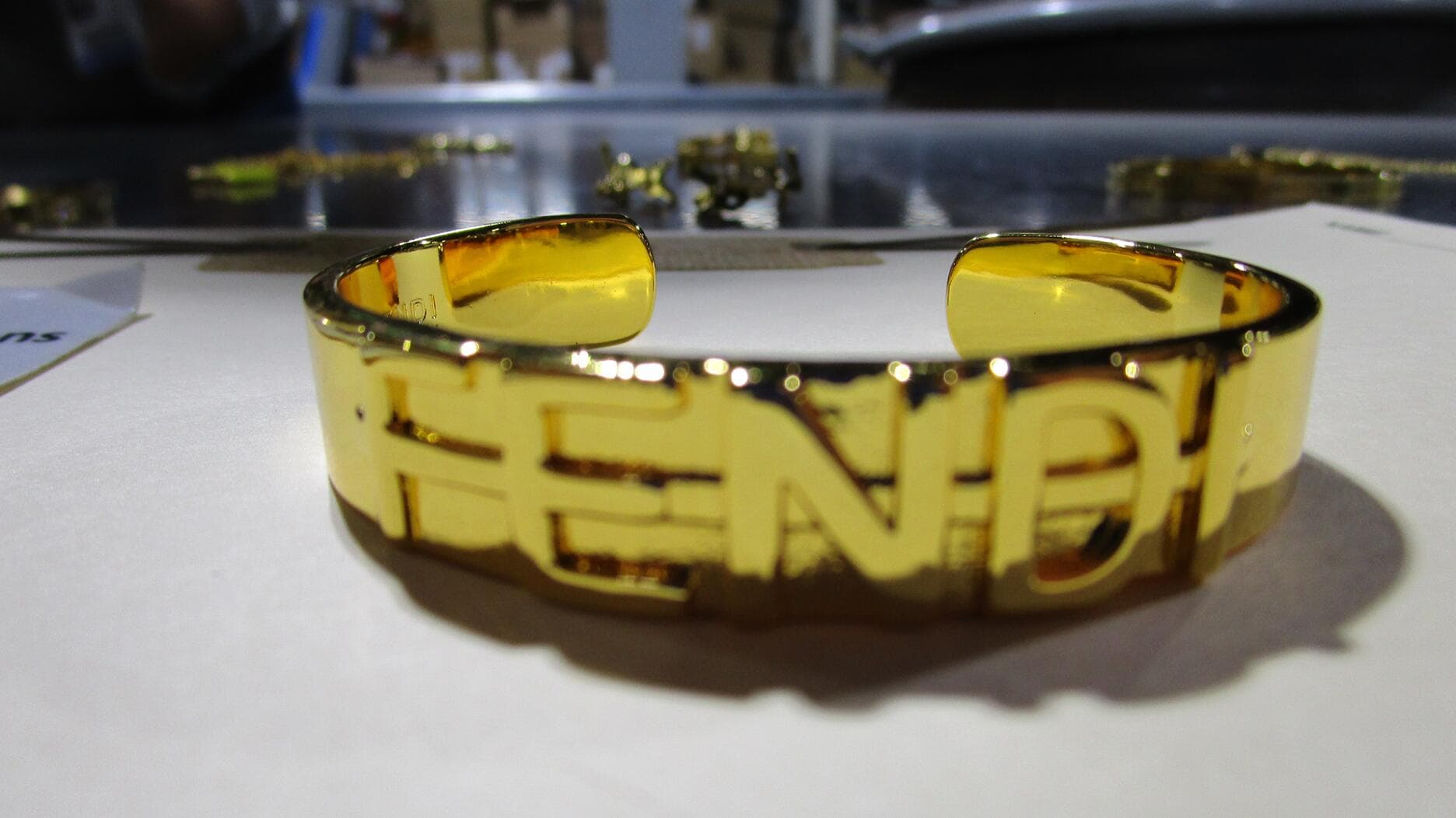
Refiners Face Metal Backlogs as Gold and Silver Prices Surge
Gold at $4,986 and silver at $101 sent refiners into backlog, slowing payments, shipments, and the pace of custom work, repairs, and scrap decisions.
The price spike reaches the bench
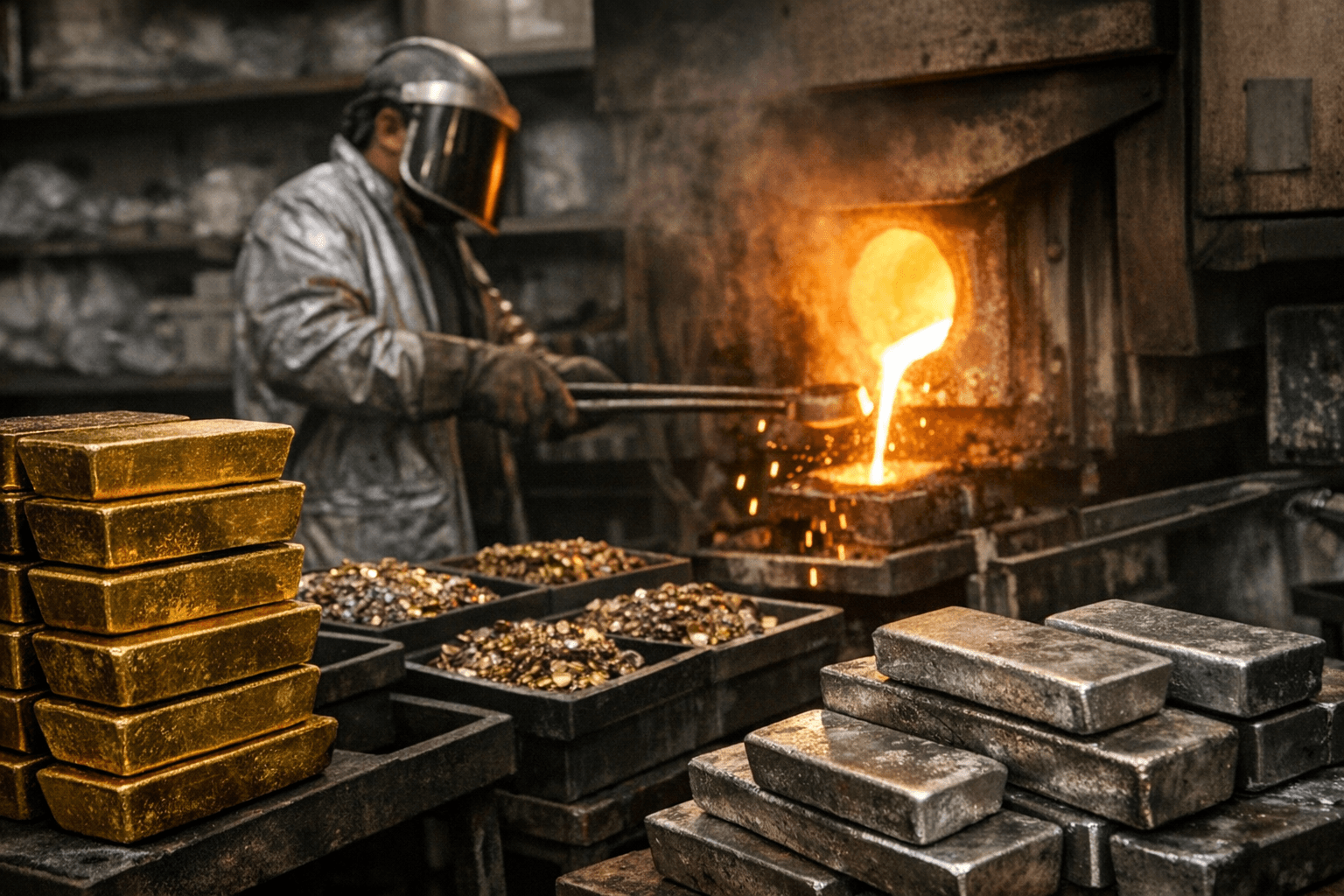
Gold at $4,986 an ounce and silver at $101 did more than set records. They pushed refiners into a backlog that now affects how quickly a jeweler gets paid, how soon a remake can be cast, and whether an old bracelet should be sold as scrap or held for later. In a podcast with Victoria Gomelsky and Rob Bates, David Siminski, vice president of sales at United Precious Metals, laid out what happens when trade-ins flood the system faster than refiners can process them. JCK had already reported that refiners were delaying payments and limiting purchases amid an unprecedented surge of metal trade-ins, with Metalor pausing new U.S. shipments for five to 10 business days and UPM unable to take on new customers.
Why the backlog matters at the bench
A refinery backlog can feel remote until it lands in the middle of a repair quote. Primary refining, the step that turns incoming scrap and manufacturing byproducts back into usable metal, sits underneath nearly every sizing, prong repair, casting order, and custom remake. When that system clogs, the effect is immediate: cash arrives later, alloy supply becomes less predictable, and turnaround times stretch.
For a retailer, that means a ring sizing, a bezel rebuild, or a full reset around a family stone can suddenly carry more uncertainty. For a customer, it can mean a price quoted in the morning no longer feels comfortable by the time the piece is ready to leave the bench. The metal is still valuable, but the timeline becomes part of the value equation.
What record prices do to everyday jewelry costs
A sharp move in gold and silver does not only benefit people with old chains to sell. It also changes the cost of making jewelry, because the raw material itself is moving while the order is already in motion. That is why the record run matters so much to anyone placing a custom order, ordering replacement parts, or weighing a remake instead of a repair.
The practical effect is easy to miss until it shows up in the quote sheet. A prong head, a shank, a chain repair, or a fresh casting can cost more if the market is still climbing, and even a short delay can change the final number. In a market this volatile, the most careful stores are the ones that keep quotes tight to the date, explain why prices may move, and avoid promising more certainty than the market allows.
Inside the refiner’s response
Siminski’s perspective is useful because it comes from the place where the pressure is most concentrated. The podcast show notes point to the issues that now define the business: the backlog itself, how UPM is handling gold during this volatile stretch, new equipment meant to improve capacity, retailer tips, pawnshops feeding the industry, and recycled gold. That is the real story behind the headline numbers. It is not just that metal is expensive. It is that the infrastructure moving that metal is straining.
United Precious Metal Refining, the Buffalo-area refiner behind UPM, describes itself as offering 100 percent recycled gold, silver, and platinum for the jewelry industry, refined from jewelry scrap and manufacturing byproducts. JCK also reported that UPM offered 100 percent recycled fine gold and fine silver verified by SCS. In 2012, SCS awarded the company third-party recognition under its Certified Responsible Source program for responsibly sourced gold and silver products made from recycled sources. That certification matters because it gives jewelers and consumers independent assurance that the material comes from recycled inputs and meets environmental and social criteria, not just a broad marketing claim.
Siminski has also argued that “recycled gold” is a slippery phrase with no real fixed definition, because different people use it differently. That caution is especially relevant now, when more retailers want to tell a cleaner sourcing story and more customers want to understand exactly what sits in a setting, a chain, or a casting grain.
What retailers can do now
The smartest response to this market is not panic. It is precision.
- Quote quickly and revisit often. Metal volatility can change a job’s economics in days, not months.
- Separate sentimental work from scrap strategy. A repair that protects a heirloom should be treated differently from metal that is best sold for recovery value.
- Ask refining partners about capacity before promising a customer a finish date. The Metalor pause and UPM’s limited intake show how quickly the pipeline can tighten.
- Track bench scrap carefully. When gold and silver are this high, every filing, casting tree, and polishing sweep carries more value than it did a year ago.
- Use recycled-metal language carefully. Ask what the metal is, where it came from, and whether it has third-party verification.
Pawnshops are part of this picture too. They feed metal into the industry, and in a price spike they can increase the flow of scrap just when refiners are least able to absorb it comfortably. That helps explain why the backlog can deepen even as the market seems to be creating more value on paper.
Buy, reset, sell scrap, or wait
The right move depends on what matters most in the piece in front of you. Buy now if the finished object matters more than the commodity price, because craftsmanship, stone quality, and design still carry the largest share of value in a well-made jewel. Reset if the story is in the stone or the silhouette, especially with heirloom diamonds or colored stones that deserve a new mounting rather than a wholesale replacement. Sell scrap if the item is broken, outdated, or too worn to justify restoration and the gold content is now the main asset. Wait if the project is large, nonurgent, and likely to benefit from a calmer market, but do not delay a sentimental repair that keeps a piece wearable.
That is the lesson of this surge. Gold and silver may be volatile, but jewelry decisions still come down to judgment, timing, and the ability to see whether value lives in the metal, the workmanship, or the memory locked inside the setting.
Know something we missed? Have a correction or additional information?
Submit a Tip