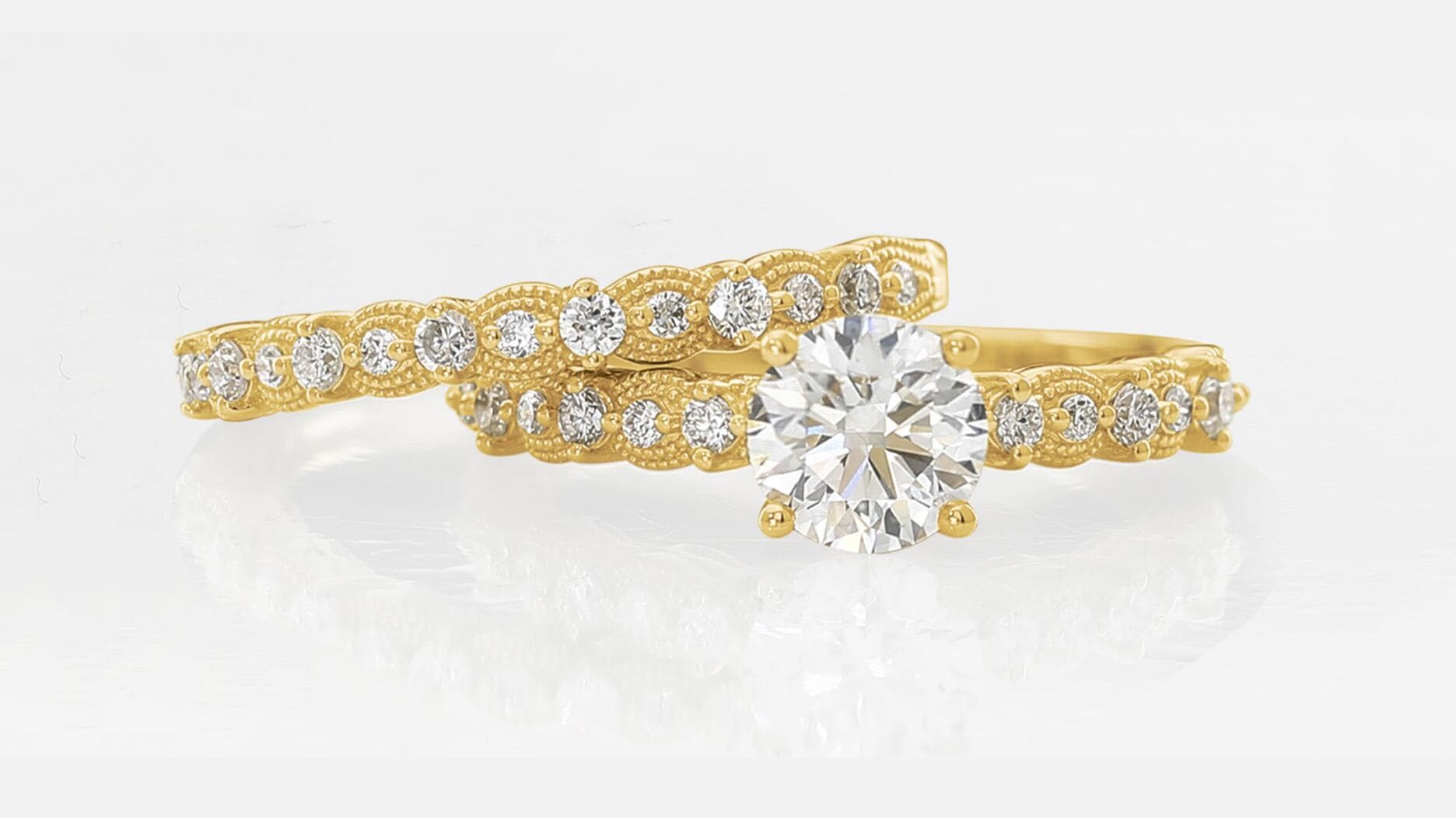
Sotheby’s spotlights Buccellati’s hand-engraved gold and family craft legacy
Buccellati’s value lies in gold that reads like fabric, family craft passed through three generations, and pieces made to reward a second look.
Why Buccellati feels collectible before it feels flashy
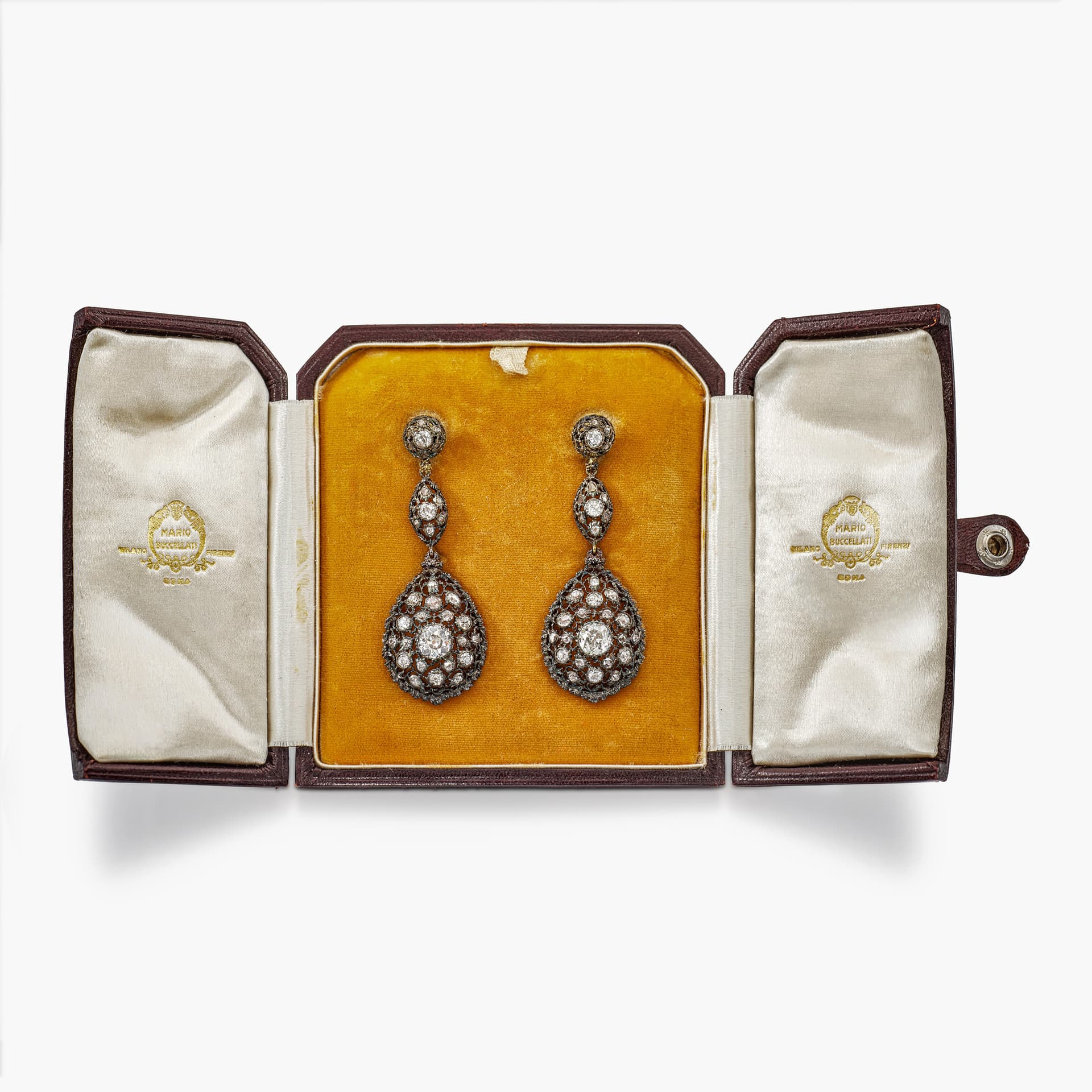
Buccellati is the rare jewelry house where restraint becomes its own form of luxury. Its pieces do not chase maximum sparkle; they build meaning through texture, proportion, and the sense that a human hand stayed visible all the way through the making. That is why Sotheby’s frames the maison as a collector’s house: the appeal is not just precious materials, but the unmistakable evidence of craft.
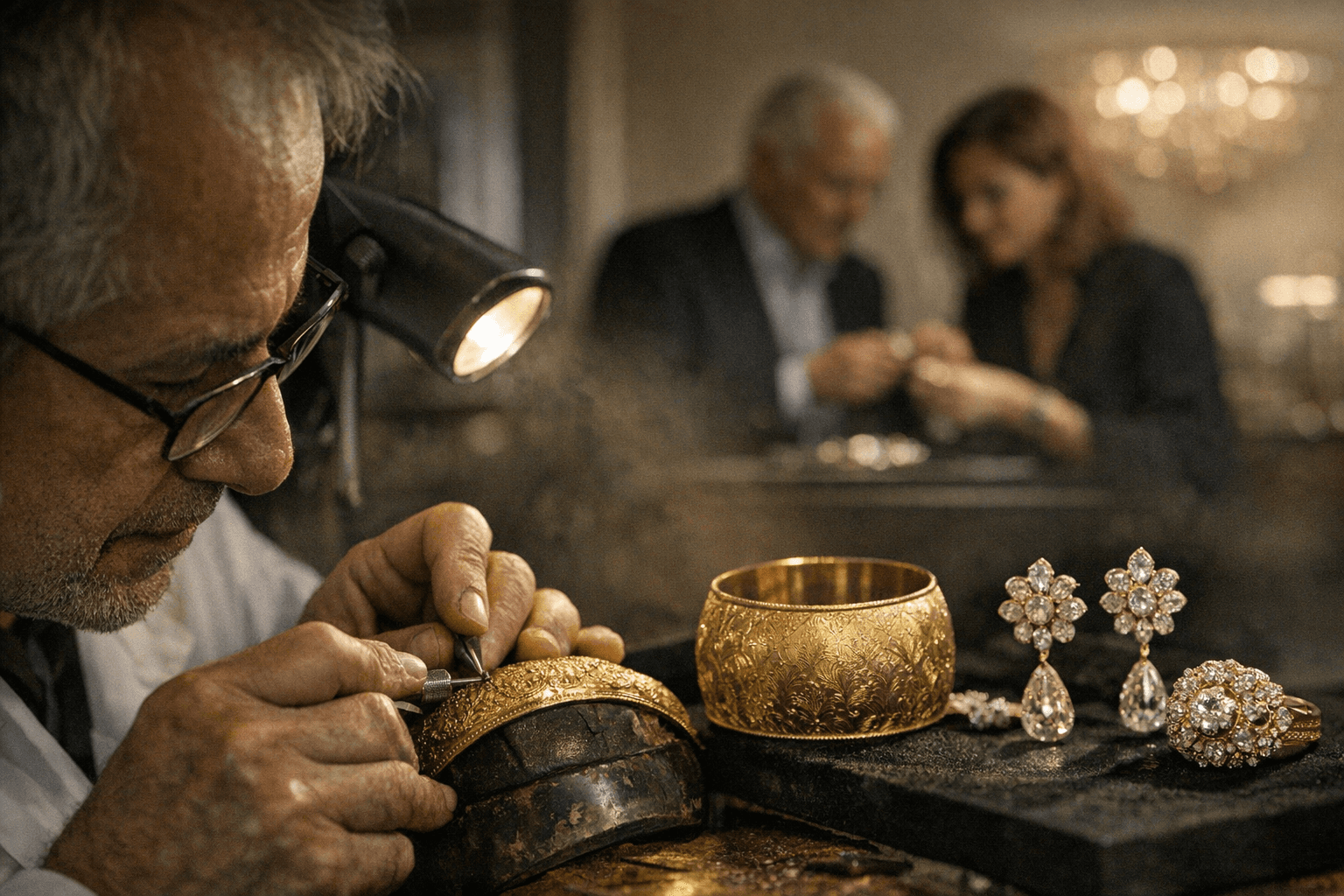
The brand was founded in Milan in 1919, and that origin matters. Buccellati’s identity was shaped by Italian goldsmithing traditions and by techniques rooted in the Renaissance atelier, or bottega, where different specialists contributed distinct skills to a finished object. In practice, that means the house treats workmanship as the signature, not a hidden behind-the-scenes detail.
Mario Buccellati and the making of a house
Mario Buccellati was born in Ancona on April 29, 1891, apprenticed with the goldsmiths Beltrami and Besnati in Milan, and later built the business outward from there. He opened additional stores in Rome and Florence in 1925, then expanded into the United States in 1951 with a New York store on 51st Street. A second New York branch followed on 5th Avenue in 1954, along with a seasonal shop on Worth Avenue in Palm Beach.
That path tells you something essential about the brand’s scale of ambition. Buccellati was never only a local Milanese name; it became an international house while keeping the feel of a studio-led tradition. The pieces still read as if they were made by an atelier first and a luxury brand second.
The signatures to look for
If you want to recognize Buccellati at a glance, start with the surface. The house’s signature gold textures include rigato, also called millerighe, a hand-engraving technique that creates a soft, velvety finish, and telato, which uses cross-hatched lines. These surfaces mute reflection and replace it with a tactile sheen, the kind that invites you to move closer.
That is the core of Buccellati’s emotional power. The metal does not behave like a polished mirror; it behaves like woven cloth, parchment, or carved lace. In high jewelry, the brand often combines meticulous hand engraving, ornate metalwork, and precious stones such as diamonds, rubies, and sapphires, so the stones become part of a larger architectural surface rather than the only focal point.
Sotheby’s also points to Buccellati’s ability to imitate linen through rich textures, a detail that helps explain why the pieces feel both intimate and formal. The effect is not decorative noise. It is disciplined patterning, cut into gold by hand.
Family continuity as proof of legacy
Buccellati’s strongest argument for heirloom value is continuity. The maison says its style has evolved across three creative generations: Mario, Gianmaria, and Andrea. That is not just a family tree, it is a design language carried forward without losing its roots.
Gianmaria Buccellati put that philosophy into one of the house’s clearest statements: “I make a design so that a craftsperson can make it; it is the heart of the creation.” The line explains why Buccellati pieces feel so coherent. Design is not separated from execution; it is created to be realized by specialist hands, and that division of craft gives the finished jewel its quiet complexity.
The family narrative was made publicly visible in 2008, when the Moscow Kremlin Museums mounted the anthology exhibition “Buccellati, Arte senza Tempo.” That kind of institutional attention matters because it places the maison in a cultural frame, not just a commercial one. In 2008, Gianmaria Buccellati also established the Gianmaria Buccellati Foundation, extending that preservation impulse beyond the showcase into formal stewardship.
Why the house rewards close viewing
Buccellati jewelry asks for time. A glance catches the gold, but a second look reveals the labor: the tiny ridges of engraving, the woven feel of the metal, the interplay between openwork and stone. This is where the maison differs from jewelry built around a single, hard flash of brilliance. Buccellati creates depth through surface, and the surface itself becomes the message.
That quality makes the brand especially compelling for readers who want beauty with substance. A piece does not need to shout its value when the craft is already doing the talking. The emotional charge comes from knowing that the object was made to be lived with, passed down, and studied up close.
From atelier to archive
Buccellati has also treated its own history as something worth documenting rather than merely marketing. In 2021, the maison published its first historical book with Assouline, written by Alba Cappellieri, giving the brand a formal narrative of its century-long evolution. That matters because houses with real staying power usually leave more than products behind; they leave a record of how they think about making.
The pieces that endure are the ones that balance beauty with structure, and Buccellati has always understood that balance. Whether it is a hand-engraved cuff, a lace-like openwork jewel, or a diamond-set piece with rigato and telato textures, the brand’s strongest works feel inherited the moment you see them. That is the true collector’s appeal: not auction heat, but the sense that the piece already belongs to a longer story.
This article was produced by Prism’s automated news system from verified source data, official records, and press releases, then run through automated quality and moderation checks before publishing. The system is built and supervised by the people who set the standards it runs under. Read our full AI policy.
Did this article answer your question?