Whimsy and nostalgia drive meaningful jewelry trends at Las Vegas fair
A butterfly charm, a leather chain, a recycled-gold talisman: Vegas made clear that meaningful jewelry is leaning into memory, not noise.

Whimsy is the new shorthand for identity
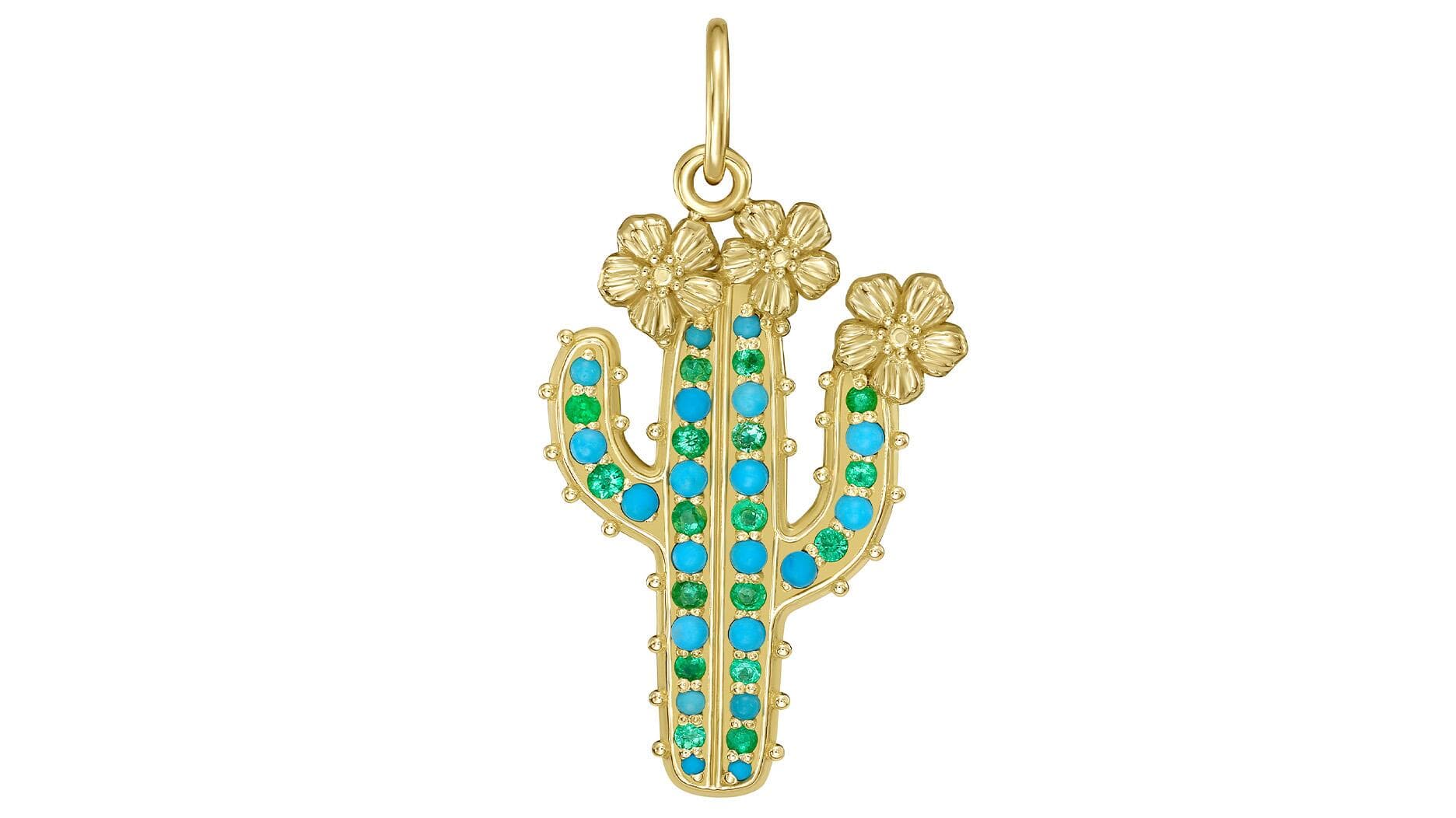
A charm that looks borrowed from a childhood trinket box now carries the most modern kind of status: personal meaning. At the Las Vegas fair, the strongest jewelry did not shout trend for trend’s sake. It turned ordinary or nostalgic objects into wearable story pieces, using whimsy, butterflies, and unusual chains to signal intimacy, memory, and taste.
That shift matters because it lands in a market with real pressure behind it. High gold prices are still shaping buying decisions, and exhibitors are chasing consumers who want diamonds, color, and versatility without losing the emotional pull that makes a piece feel worth keeping. The result is jewelry that reads less like decoration and more like a small, private emblem.
Why Las Vegas became the loudest signal of the season
JCK’s Las Vegas fair returned to The Venetian Expo from May 29 to June 1, 2026, and the scale alone explains why its styling cues reverberate beyond the show floor. In 2025, JCK said the event drew more than 17,360 attendees and 1,800 exhibitors from more than 100 countries. That kind of traffic turns a trend into a trade signal fast.
The preview published just before the fair framed the season with precision: not a broad wave of meaning, but a specific appetite for charms, alternative chains, and symbols with emotional shorthand. A follow-up after the show confirmed the forecast, noting that whimsy, butterflies, and alternative chains, especially leather, were among the standouts seen in Las Vegas. That continuity between preview and floor matters. It suggests the market is not merely flirting with nostalgia. It is building a language around it.
The new talismans are ordinary on purpose
The strongest pieces in this story borrow from familiar objects and familiar feelings. A charm can behave like a memory token. A butterfly can read as transformation without becoming heavy-handed. A leather chain shifts the message from precious and polished to tactile and lived-in, which makes the jewelry feel more like an object carried daily than a special-occasion ornament.
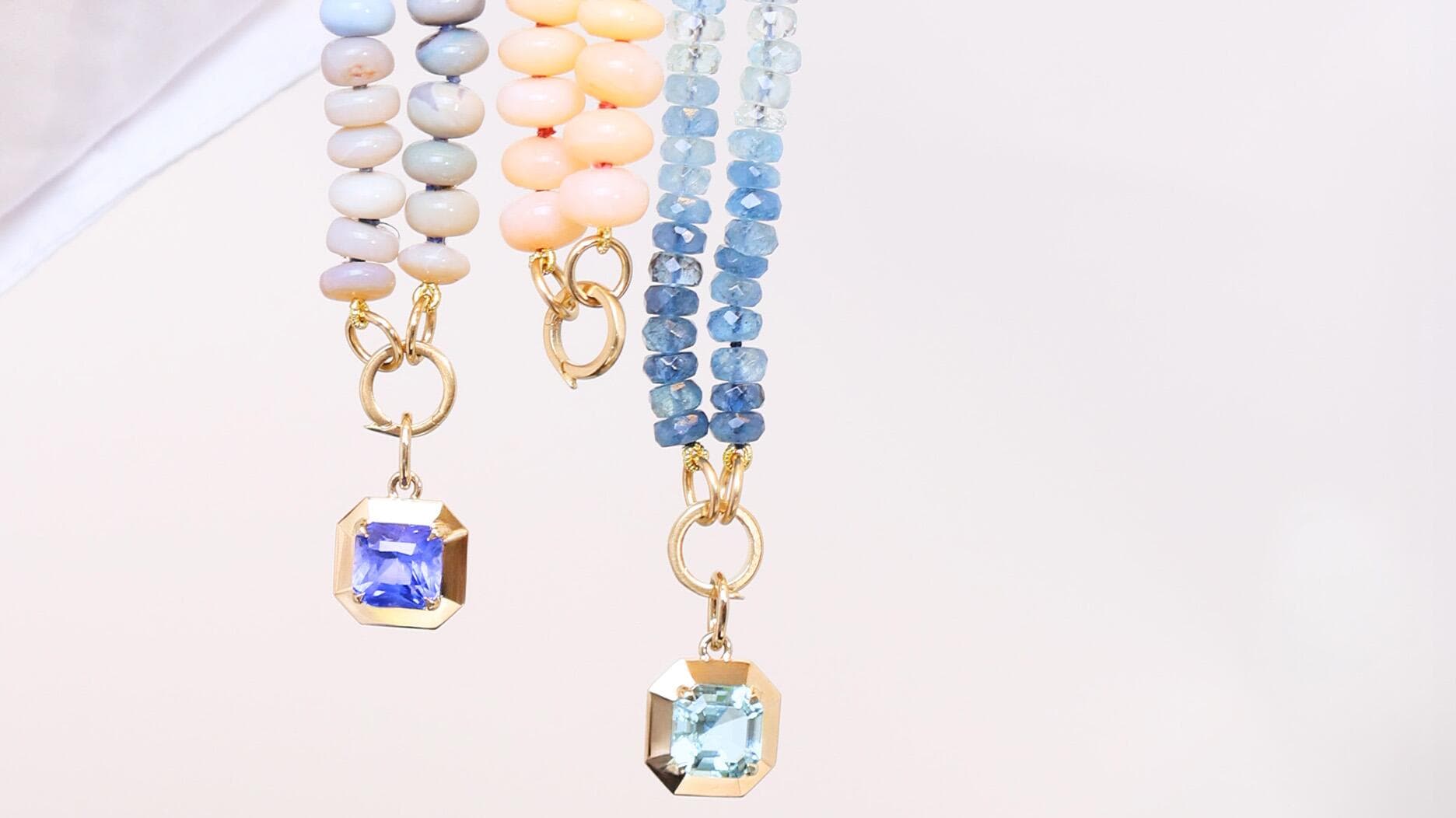
That emotional shorthand is exactly why the direction resonates. A birthstone pendant no longer needs to feel like a special-order item with a queue behind it. A charm necklace can carry family references, private jokes, or a sense of self that does not need to be explained. In a crowded market, these pieces sell the idea that jewelry can be both legible and deeply personal.
JCK’s own coverage from 2024 had already shown personalized jewelry, including letter pendants, on the show floor. The 2026 story pushes that instinct further. It is no longer just about putting initials on a chain. It is about turning the chain, the charm, and the motif itself into a coded autobiography.
Marie Lichtenberg makes irreverence feel intimate
Marie Lichtenberg is one of the clearest expressions of this mood. The brand’s own language centers irreverence and handcrafted precious creations, which is precisely what makes the work feel fresh rather than twee. It treats jewelry as narrative object first, ornament second.
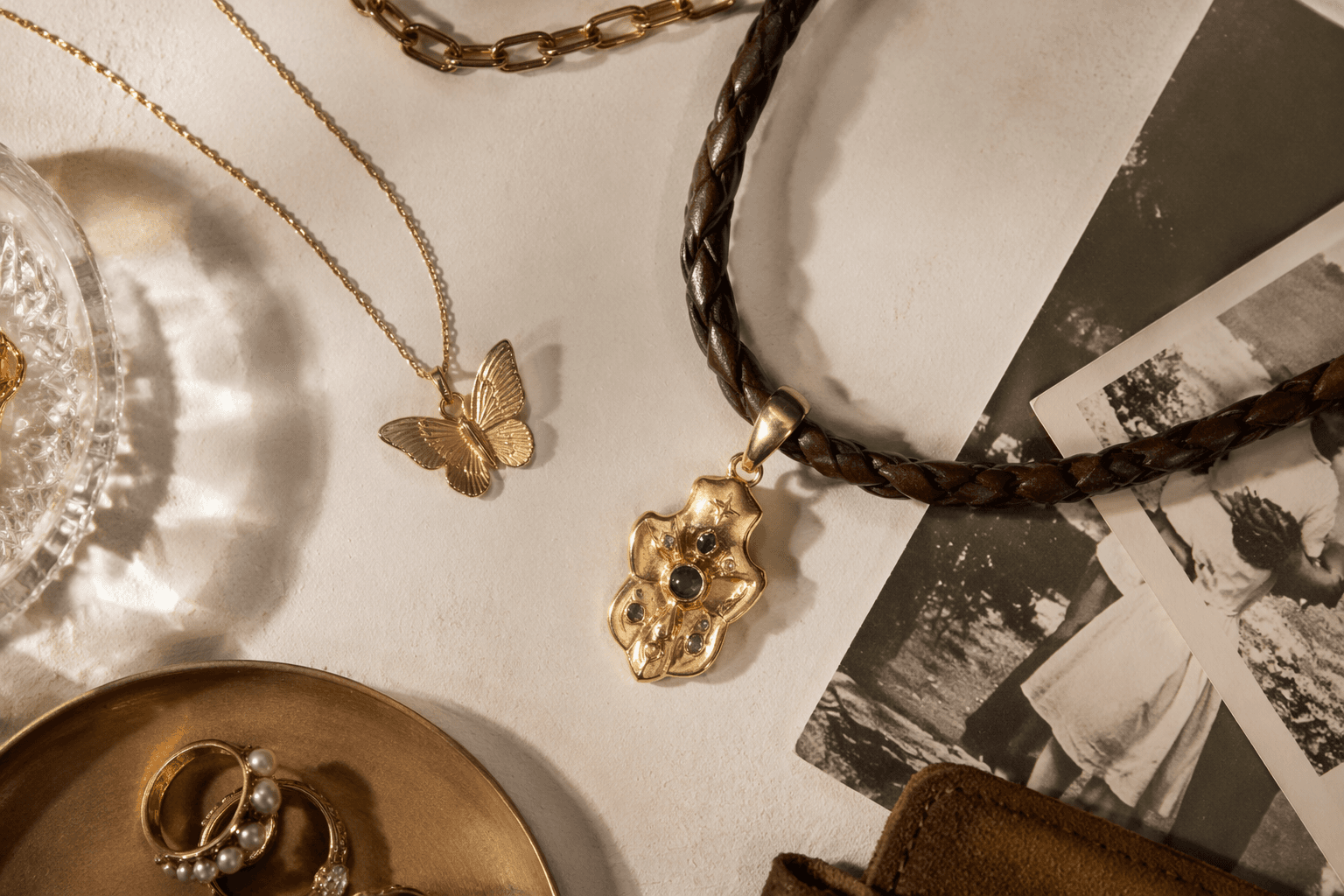
The backstory helps explain why the pieces land. FHCM says Lichtenberg launched the brand after making a piece for her daughter, and that success came quickly. That origin story is not just marketing gloss. It tells you why the line’s charm-driven, story-rich pieces feel so natural in a season obsessed with symbolism. They are not built as generic luxury signifiers. They are built as personal artifacts with a point of view.
For readers trying to distinguish meaningful design from empty sentiment, that distinction matters. A charm can be sentimental in a shallow way, or it can be irreverent, idiosyncratic, and specific enough to feel like a keepsake with a real life behind it. Lichtenberg sits firmly in the second camp.
Jennifer Dawes Design pairs meaning with ethics
Jennifer Dawes Design offers a different but equally compelling version of the same idea. The brand says it has been creating handmade jewelry since 2000 in Sonoma County, California, and that it works with recycled gold and ethically sourced gemstones. That combination gives the collection a clarity many consumers now expect but do not always get.
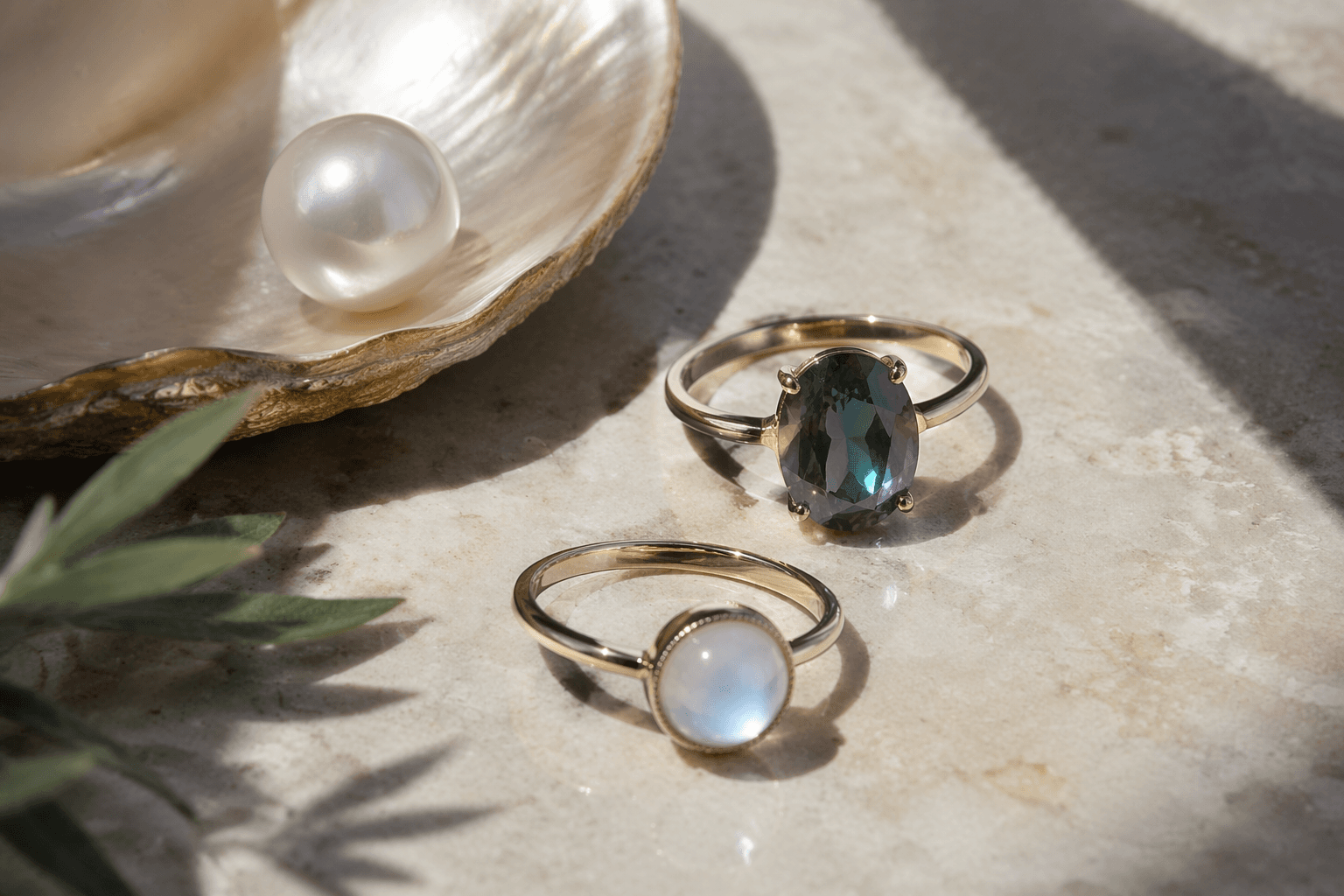
The emotional appeal is obvious: the jewelry is meant to carry personal meaning. The material appeal is just as important: recycled gold reduces reliance on newly mined metal, and ethically sourced gemstones signal a more careful chain of custody. In a market where high gold prices are changing the conversation, that matters. Pieces made with recycled metal can feel more aligned with buyers who want craftsmanship without the unease that comes with opaque sourcing claims.
Jennifer Dawes’ approach shows how the meaningful-jewelry trend is widening. It is not only about symbolism in the design. It is also about coherence between the story a piece tells and the way it is made. That is where the line between sincere design and vague greenwashing becomes visible. Clear sourcing language is stronger than soft sustainability talk, and recycled gold plus ethically sourced gemstones is the kind of detail that gives a claim weight.
What the fair revealed about value
The most important takeaway from Las Vegas is not that whimsy is back. Whimsy never really leaves jewelry. The real change is that whimsy is now working as a carrier for value, authenticity, and even restraint. A butterfly no longer reads as merely decorative. It can suggest transformation, memory, or a specific relationship. A leather chain can soften preciousness and make a piece feel more lived in. A charm can stand in for family history, travel, fandom, or a private vow.
That is why this direction resonates now. Shoppers are weighing style against gold costs, but they are also deciding what kind of story a piece tells and whether that story feels believable. The most compelling jewelry at the fair did not simply borrow from nostalgia. It translated nostalgia into form, material, and wearability.
Las Vegas made one thing plain: meaningful jewelry is not a vague category trend. It is a sharper design shift, rooted in the desire for pieces that feel inherited, improvised, and deeply owned from the moment they are clasped.
This article was produced by Prism’s automated news system from verified source data, official records, and press releases, then run through automated quality and moderation checks before publishing. The system is built and supervised by the people who set the standards it runs under. Read our full AI policy.
Know something we missed? Have a correction or additional information?
Submit a Tip